SP's Women Strategy Targets BJP's UP Base
Akhilesh Yadav targets BJP's ally base with women appointments.
Model Diplomat3 min readUttar Pradesh
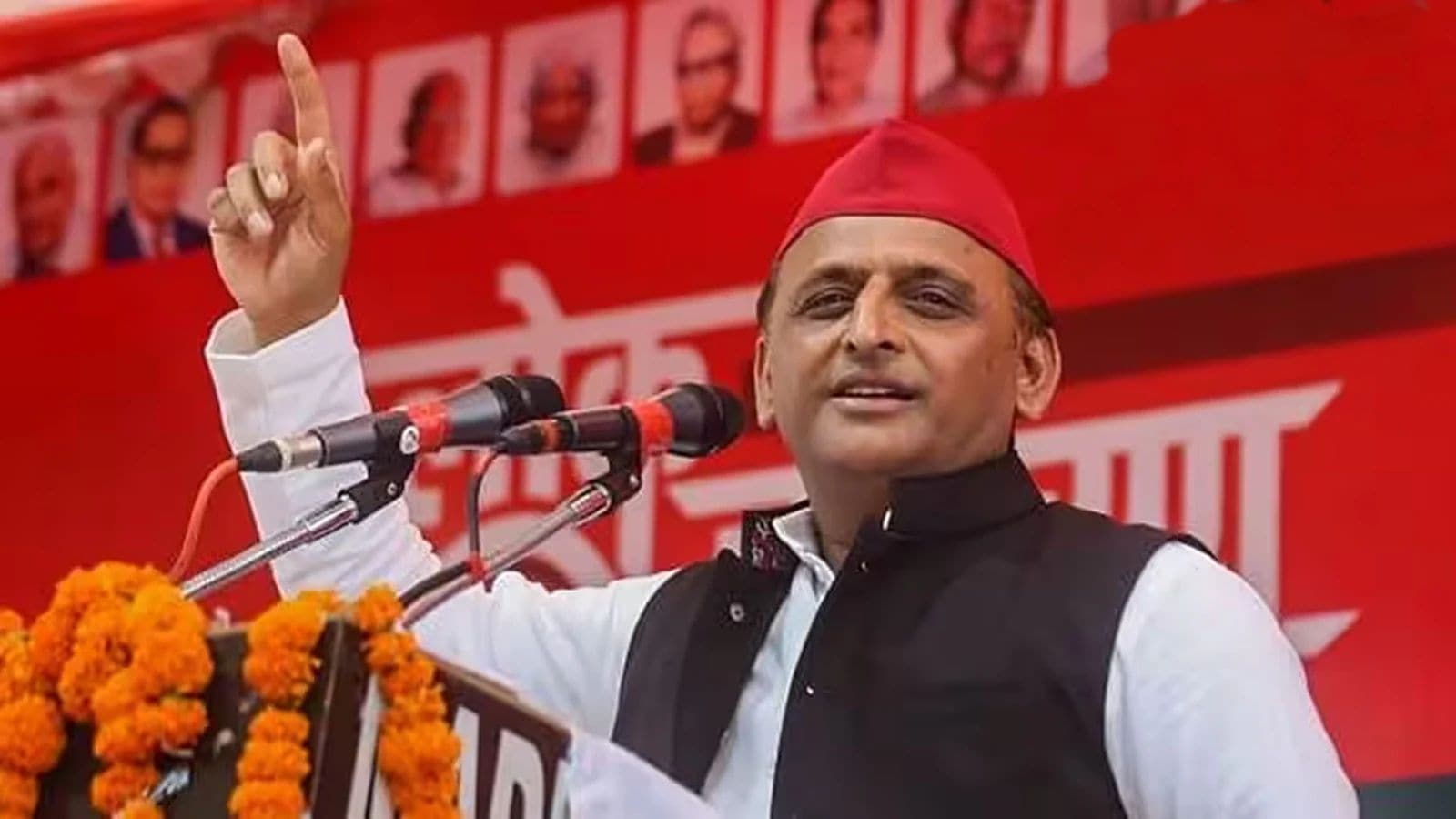
SP's Women-Led PDA Gambit Targets the Cracks in BJP's UP Coalition
Akhilesh Yadav is deploying women from non-Yadav OBC castes to erode BJP's small-ally base ahead of UP's 2027 elections.
Samajwadi Party is making a calculated move in Uttar Pradesh's pre-election landscape: appointing women from backward and marginalised communities — particularly those whose castes anchor BJP's small-ally ecosystem — into visible party positions. The strategy is an extension of SP's PDA framework (Pichhda, Dalit, Alpasankhyak — Backwards, Dalits, Minorities), first road-tested in the 2024 Lok Sabha cycle, now being sharpened into a caste-surgical instrument ahead of the 2027 UP Assembly elections.
Why This Move, Why Now
BJP holds UP through a coalition architecture, not a monolith. Chief Minister Yogi Adityanath anchors the upper-caste vote, but the party's majority depends on smaller allies — Om Prakash Rajbhar's SBSP (Rajbhar OBC community), Sanjay Nishad's Nishad Party (riverine castes), and the recently elevated Kurmi bloc under new state BJP chief Pankaj Chaudhary. Each of these is a discrete vote bank held by an individual strongman, not by ideological loyalty to BJP.
SP's appointment of women from these precise communities is a flanking manoeuvre. By elevating Rajbhar and Nishad women into party structures, SP signals directly to those communities that they have an alternative home — one that doesn't require their caste's patriarch to broker the deal. It's a bid to disaggregate the voter from the ally leader.
BJP clocked only 33 of 80 Lok Sabha seats in UP in 2024, a significant retreat from its 2019 peak. SP read that result as proof that the PDA coalition — when activated — can fracture BJP's non-Yadav OBC support. The women-led appointments are an attempt to institutionalise that fracture rather than leave it to electoral momentum alone.
The Counter-Pressure on BJP
BJP is not passive. The Modi government has been fast-tracking the Women's Reservation Bill (Nari Shakti Vandan Adhiniyam), and Yogi led a protest march against SP and Congress for voting against the Constitution's 131st Amendment Bill, which would have accelerated the Act's implementation. BJP's framing: SP talks about women's empowerment while blocking it in Parliament.
Akhilesh's counter — that women's reservation must wait for a caste census to ensure OBC women aren't sidelined — is substantively defensible but politically complicated. It lets BJP paint SP as obstructionist on women's rights even as SP tries to project itself as the true champion of backward women on the ground. This tension is live, and neither side has resolved it cleanly.
Who Wins, Who Loses
SP gains if the appointments create organisational roots in communities currently traded by SBSP and Nishad Party leadership. Rajbhar and Nishad lose leverage if their communities develop a direct SP relationship, bypassing the alliance negotiation entirely. BJP loses if ally-community cohesion frays ahead of seat-sharing talks for 2027.
The Congress is a secondary actor here — running its own "Sadhbhavna" outreach in UP — but SP is the opposition's primary vehicle in the state.
For deeper context on how caste arithmetic is reshaping India's opposition politics, the UP board is the critical test case for the
International trend of identity-coalition building.
What to Watch
The next inflection point is SP's seat-announcement strategy for 2027 — specifically how many constituencies it reserves for women candidates from non-Yadav OBC communities. Appointments mean little without tickets. Watch also whether Om Prakash Rajbhar renews his SBSP-BJP alliance or tests the market: if SP's outreach is working, Rajbhar will demand a higher price from BJP, or defect. His public statements in the June–August 2026 window will be the earliest tell.
Discover more
India
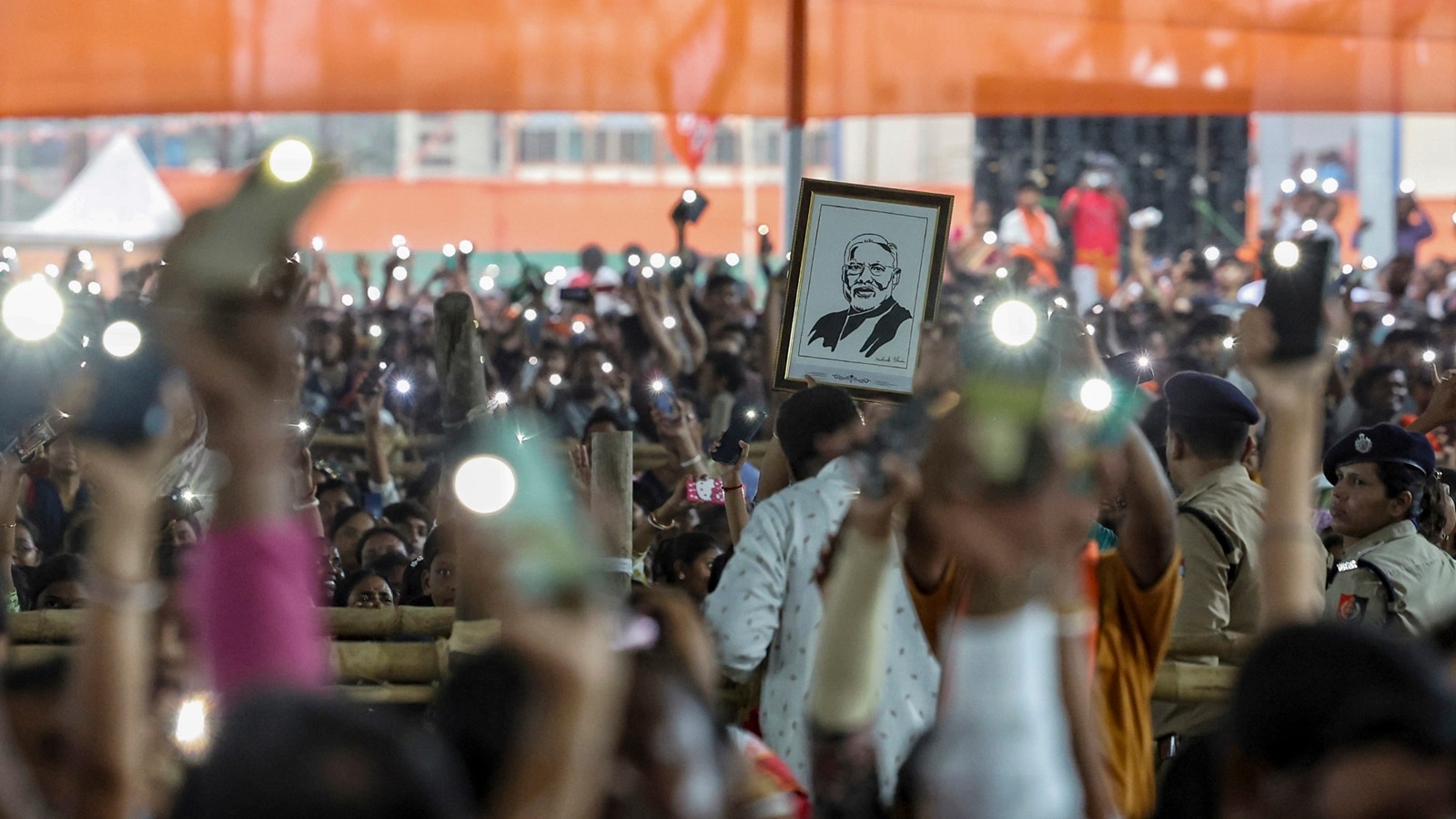
Modi's Women’s Convention in Varanasi
Modi's Varanasi rally frames women's reservation as a national mission, targeting the 2027 Uttar Pradesh elections with a strategic narrative.
India
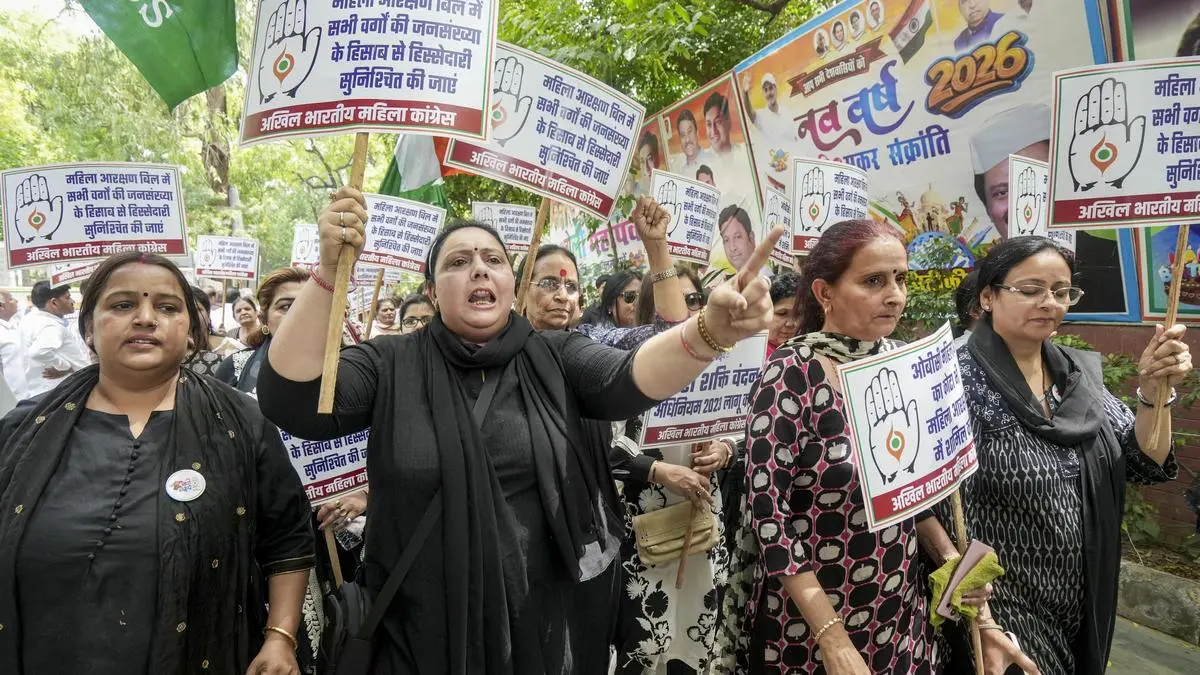
BJP's Misunderstanding of Women's Quota Needs
The BJP's linking of the Women Reservation Bill to delimitation risks delaying women's empowerment in India, misreading the aspirations of female voters.
India
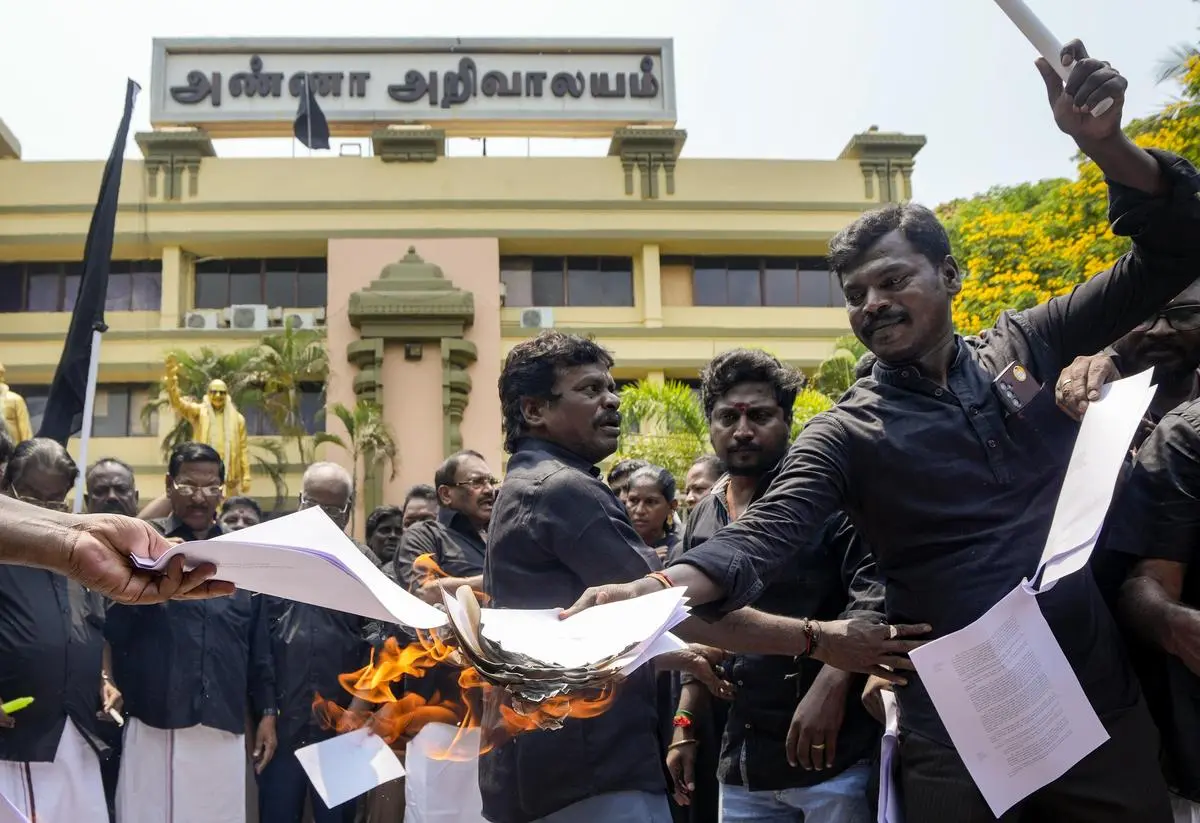
Women’s Reservation Bill 2026
The Constitution (131st Amendment) Bill, 2026 was defeated in Lok Sabha, revealing deeper political conflicts over women's reservation and delimitation.

Conflict & Security
Drone Warfare Killing Aid Workers at Unprec
Over 1,000 humanitarian workers killed in three years as cheap armed drones collapse legal protections. Gaza, Sudan, Ukraine, and DRC see deliberate targeting of aid convoys and hospitals with zero prosecutions.