SP Women Leaders Challenge BJP's Caste Power
Akhilesh Yadav's strategy targets BJP's upper-caste support.
Model Diplomat3 min readUttar Pradesh
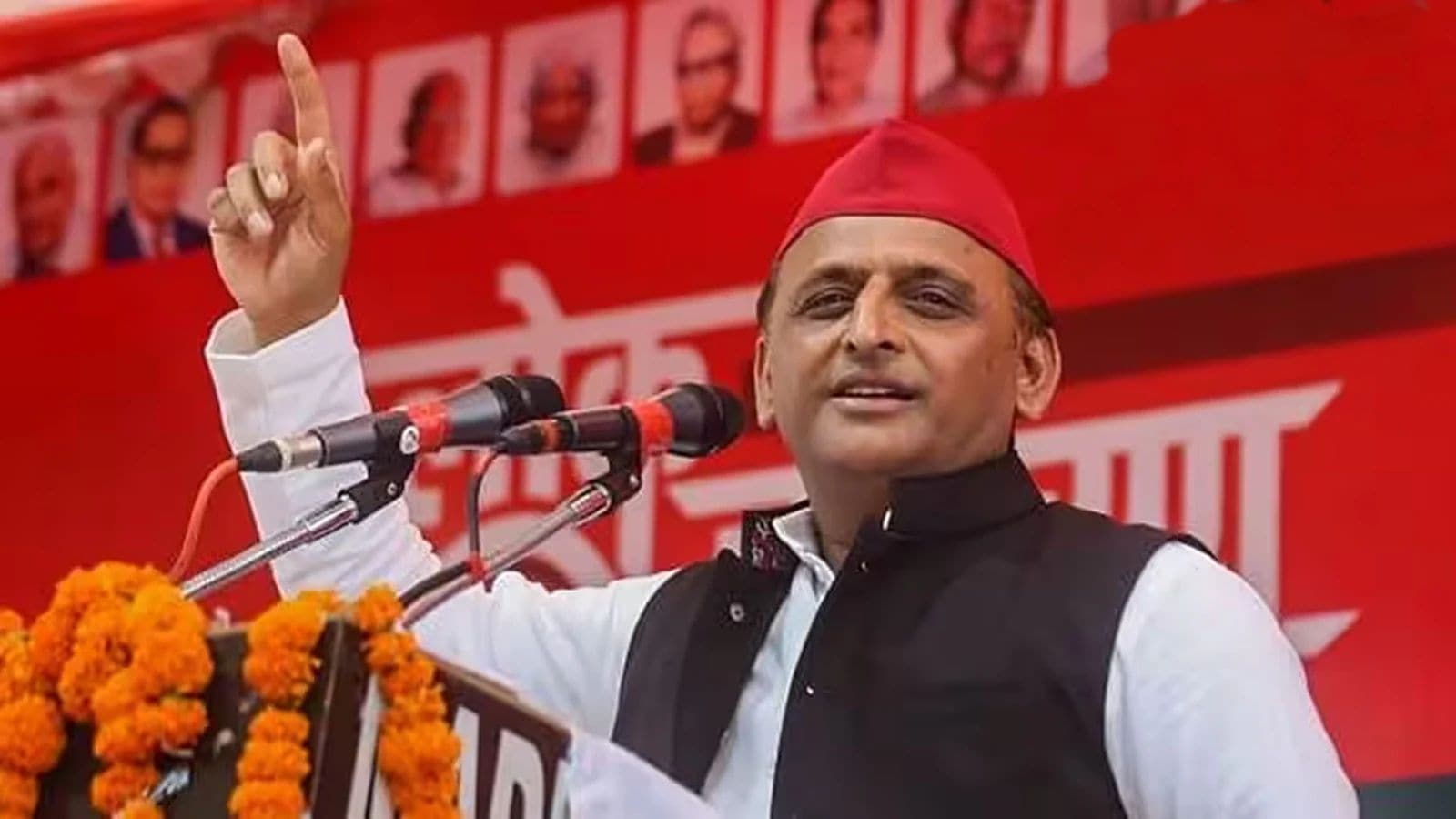
SP's Women-Led Gambit Targets the Cracks in BJP's Caste Armour
Akhilesh Yadav's appointments of women leaders from Rajput and allied communities signals a surgical strike on BJP's upper-caste flank ahead of 2027.
Akhilesh Yadav is deploying a double-edged weapon in Uttar Pradesh's pre-election chessboard: women leaders from communities that have historically anchored BJP's coalition. The Samajwadi Party's recent round of appointments — targeting Rajput and upper-OBC women — is not about optics. It is a calculated attempt to peel away social blocs that the BJP has long treated as captive votes.
Why This Is a Real Threat to BJP, Not Just Symbolism
The BJP's position in UP is less stable than it looks. Its Lok Sabha performance in 2024 dropped to 33 of 80 seats — a significant retreat from its 2019 dominance — and internal caste management has grown visibly strained. Appointing Pankaj Chaudhary, a Kurmi, as UP party president was a direct response to SP's expanding PDA (Pichhda, Dalit, Alpsankhyak) coalition, but it immediately required a compensatory dinner for 52 Brahmin MLAs and MLCs to keep the upper-caste base from fraying, according to Frontline.
Rajput voters sit at the fault line. Concentrated in eastern and central UP, they have been loyal to the BJP-Yogi Adityanath axis — Adityanath himself belongs to the Nath Yogi community, with strong Thakur (Rajput) political adjacency. SP placing credible Rajput women in organisational roles sends a message to that community: their loyalty is being bid for, and the BJP cannot assume it. Women as vehicles for this outreach is itself strategic — they soften the ideological sharpness of the appeal and tap into dissatisfaction over crime, safety, and economic exclusion that cuts across caste lines in rural UP.
The PDA Architecture Gets Another Layer
Akhilesh has been building UP's opposition around a social coalition for nearly two years. The PDA framework unites backwards, Dalits, and minorities — communities that constitute a numerical majority in the state's 403 assembly seats but have historically been fragmented. The 2024 Lok Sabha result validated the strategy. The addition of upper-caste women, particularly from Rajput families, is an attempt to widen the tent beyond PDA's traditional base without disrupting the coalition's internal hierarchy.
Simultaneously, SP has tied its women's outreach to the Women's Reservation Act debate, demanding implementation only after a caste census — a position that lets the party claim the women's quota while simultaneously reframing it as an OBC and Dalit entitlement issue, according to The Hindu. This is politically dexterous: it arms SP's new Rajput women appointments with a substantive policy hook.
What to Watch Next
Three signals will confirm whether this move has traction:
- BJP's counter-appointment cycle — watch for Yogi's government to elevate Rajput women in state administration or party structure within the next 60 days.
- The caste census timeline — if the Modi government releases caste census data before 2027, it reshapes every party's calculus. SP's position is built partly on the data remaining absent.
- The 2027 assembly election itself — currently projected for early 2027. With roughly nine months of campaigning ahead, SP's organisational appointments now are designed to mature by polling day.
Akhilesh is not trying to win Rajput voters wholesale. He needs only to suppress BJP's margins in 40–50 seats where Rajput consolidation has been decisive. In a state this large, that arithmetic alone can decide who governs India's most electorally consequential state.
Discover more
India
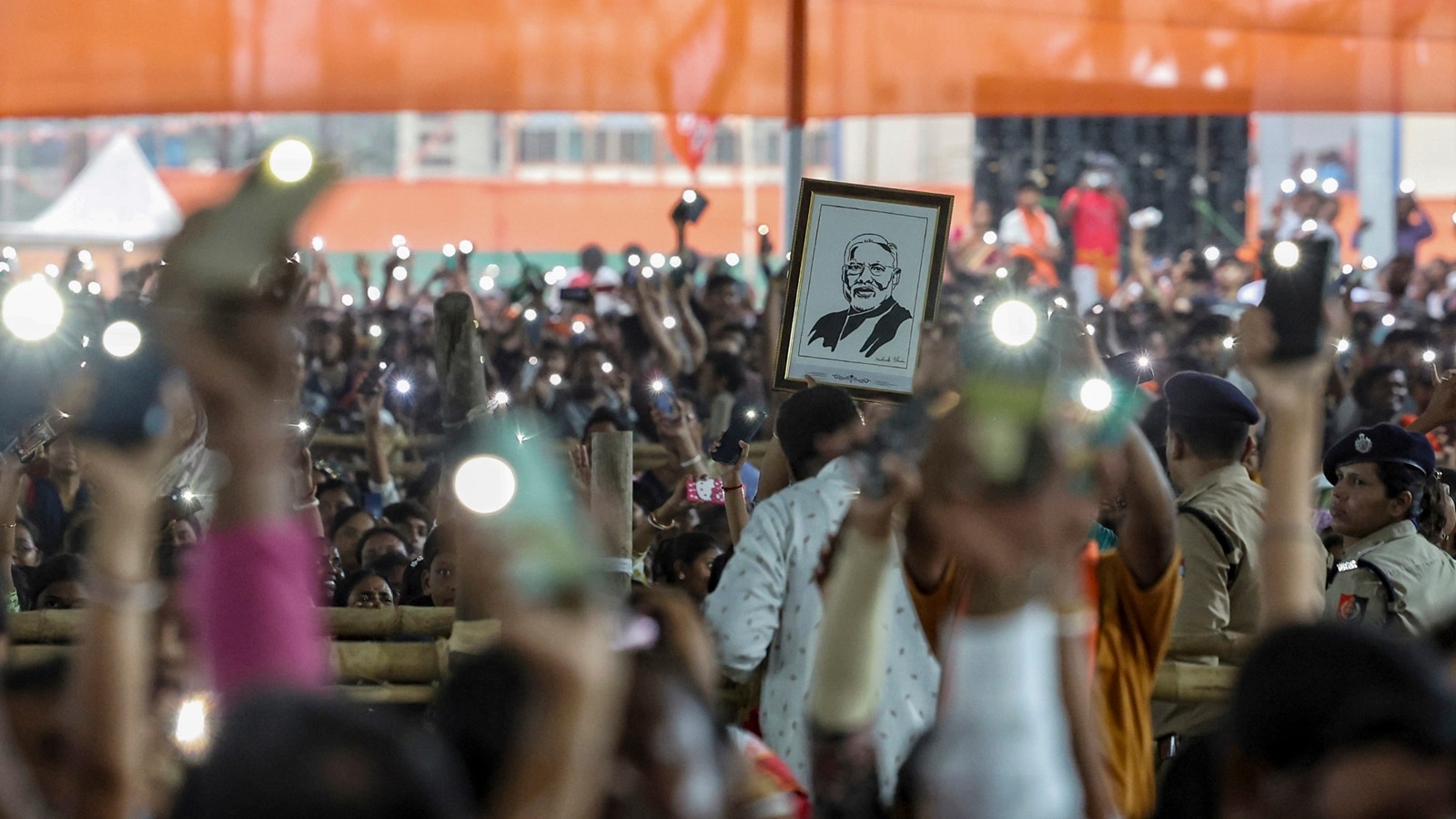
Modi's Women’s Convention in Varanasi
Modi's Varanasi rally frames women's reservation as a national mission, targeting the 2027 Uttar Pradesh elections with a strategic narrative.
India
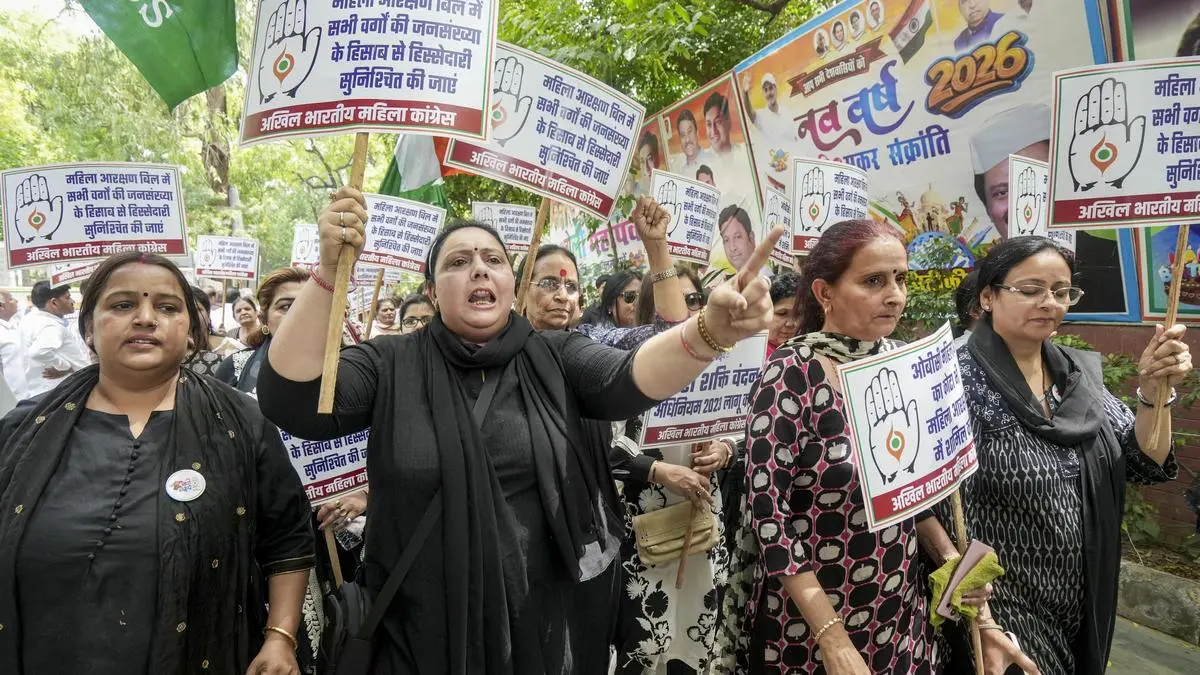
BJP's Misunderstanding of Women's Quota Needs
The BJP's linking of the Women Reservation Bill to delimitation risks delaying women's empowerment in India, misreading the aspirations of female voters.
India
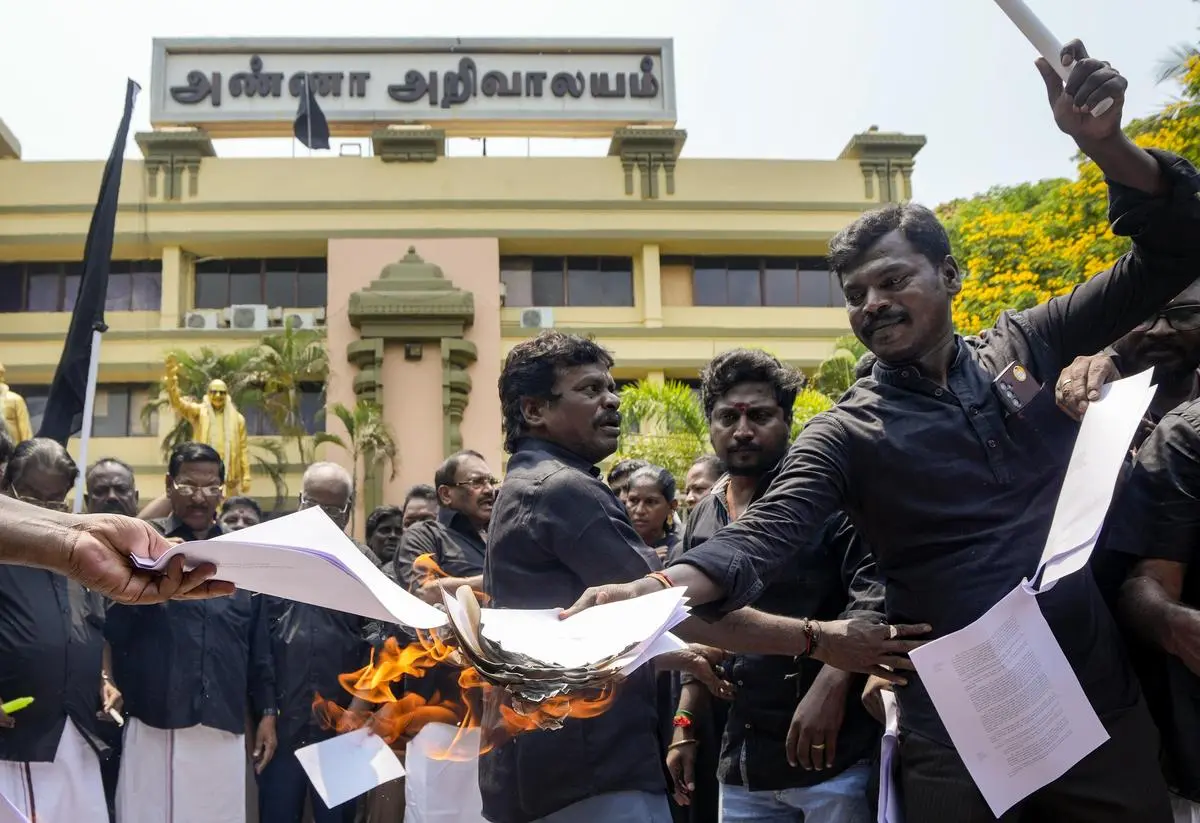
Women’s Reservation Bill 2026
The Constitution (131st Amendment) Bill, 2026 was defeated in Lok Sabha, revealing deeper political conflicts over women's reservation and delimitation.

Conflict & Security
Drone Warfare Killing Aid Workers at Unprec
Over 1,000 humanitarian workers killed in three years as cheap armed drones collapse legal protections. Gaza, Sudan, Ukraine, and DRC see deliberate targeting of aid convoys and hospitals with zero prosecutions.