Spain's Albanese Award Challenges EU Sanction
Madrid's honor for Albanese challenges U.S. influence in Europe.
Model Diplomat2 min readEurope
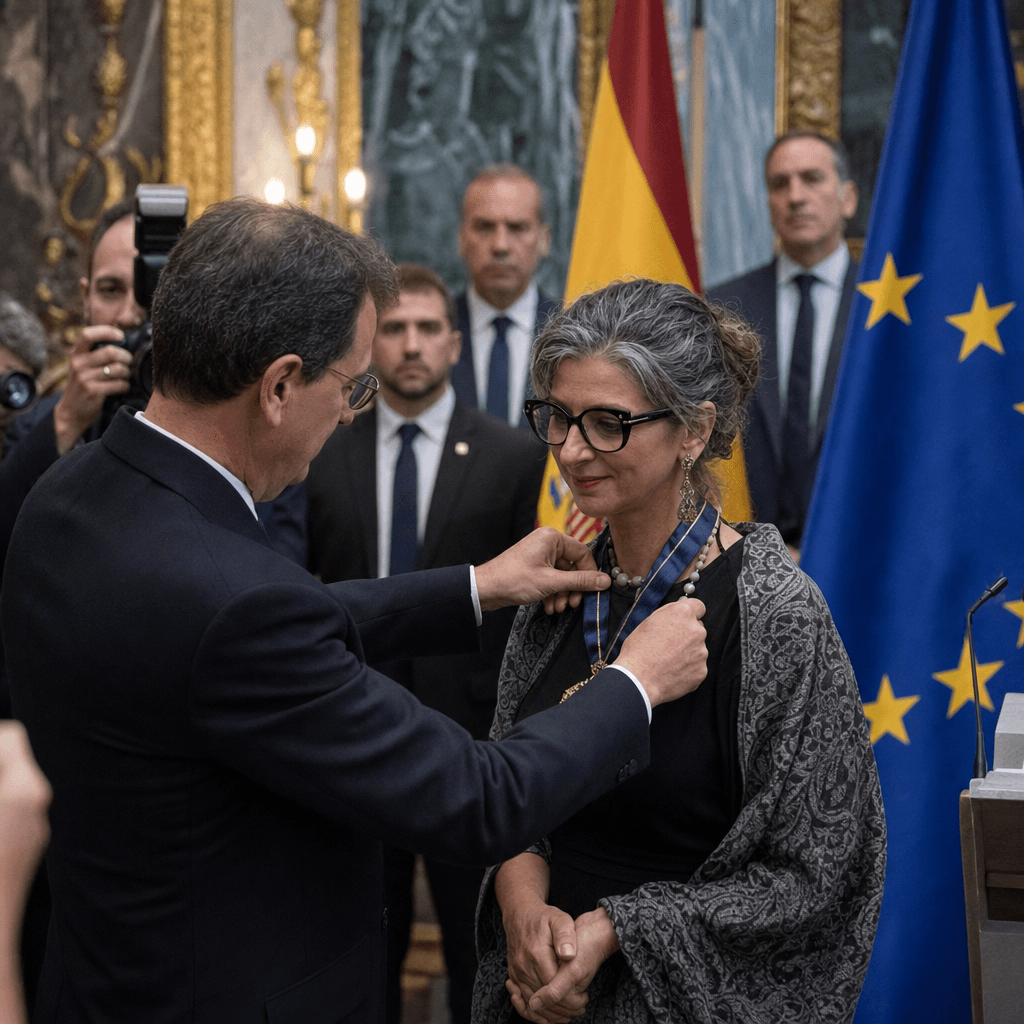
Spain turns Albanese into an EU sanctions test
Madrid’s honor for the UN rapporteur elevates her—and forces Brussels to choose between U.S. pressure and legal autonomy.
Spain has made Francesca Albanese a political signal, not just a recipient of a medal: Pedro Sánchez awarded the UN special rapporteur the Order of Civil Merit and publicly defended her work documenting alleged violations in Gaza, while urging the EU to blunt U.S. sanctions against her (The Guardian;
Infobae/EFE). The leverage here is simple: Washington can punish individuals, but Madrid is using EU institutions to say those penalties should not travel unchallenged into Europe (
Infobae/EFE).
Spain is betting on legal shields, not quiet diplomacy
Sánchez’s letter to the European Commission asking for the blocking statute is the key move (Infobae/EFE;
Público). That instrument is meant to neutralize the effect of foreign sanctions inside the EU; in practice, it would be a direct challenge to U.S. financial reach. The immediate beneficiary is Albanese, who has already described U.S. sanctions as an effort to intimidate and silence critics of Israel’s war in Gaza (
Infobae/EFE). The bigger beneficiary is Spain itself: Sánchez gets to present Madrid as the EU capital most willing to translate pro-Palestinian rhetoric into institutional action, a position
Politico says he has been cultivating in broader clashes with Washington and Jerusalem.
That also creates friction. Brussels has been reluctant to use the blocking statute for politically sensitive sanctions fights, and member states are split on Albanese herself; Politico reported that France previously pushed for her resignation at the UN Human Rights Council, then backed off. Spain’s move therefore widens an existing EU divide: governments that want to protect international-law officials from U.S. pressure versus those wary of turning Albanese into a martyr and aggravating relations with Israel and the United States.
What to watch next
The next decision point is the Commission’s response to Sánchez’s request. If Brussels accepts the blocking-statute route, Spain will have converted a symbolic honor into a test of EU sovereignty over sanctions enforcement. If it refuses or delays, Madrid still gets the domestic and diplomatic upside, but the gap between Spain’s activism and the rest of the bloc will look even sharper.
Watch for three things: whether other capitals back Spain, whether the Commission offers any narrower protection for Albanese and ICC officials, and whether Washington responds by widening sanctions pressure. For now, Madrid has chosen the confrontation line. That matters because it turns Global Politics and
Conflict into the same arena: law as leverage, and sanctions as the battlefield.
Discover more
India
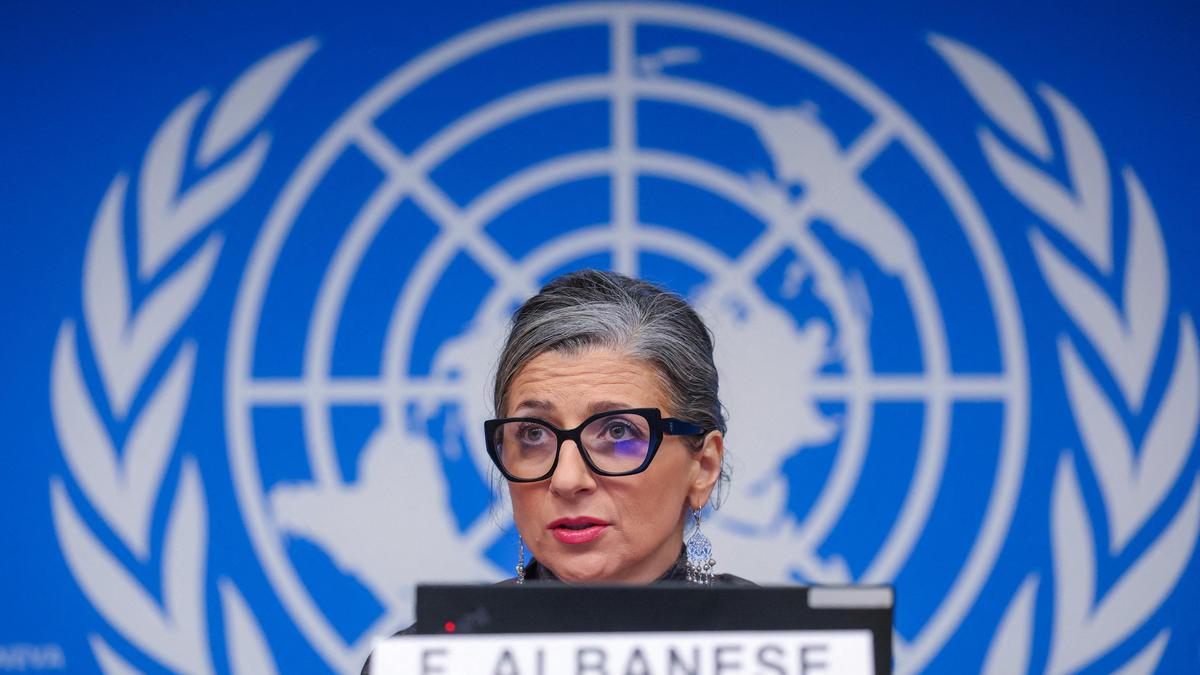
UN Expert Albanese: India Violates Law
UN Rapporteur Francesca Albanese accuses India of breaching international law, spotlighting human rights concerns in Kashmir and prompting diplomatic pushback.

International Relations
Pakistan's Key Role in US-Israel-Iran Meddle
Pakistan is seeking to mediate the US-Israel-Iran conflict, balancing high-stakes diplomacy against severe economic pressures and steep regional challenges.

Conflict & Security
Drone Warfare Killing Aid Workers at Unprec
Over 1,000 humanitarian workers killed in three years as cheap armed drones collapse legal protections. Gaza, Sudan, Ukraine, and DRC see deliberate targeting of aid convoys and hospitals with zero prosecutions.
Global
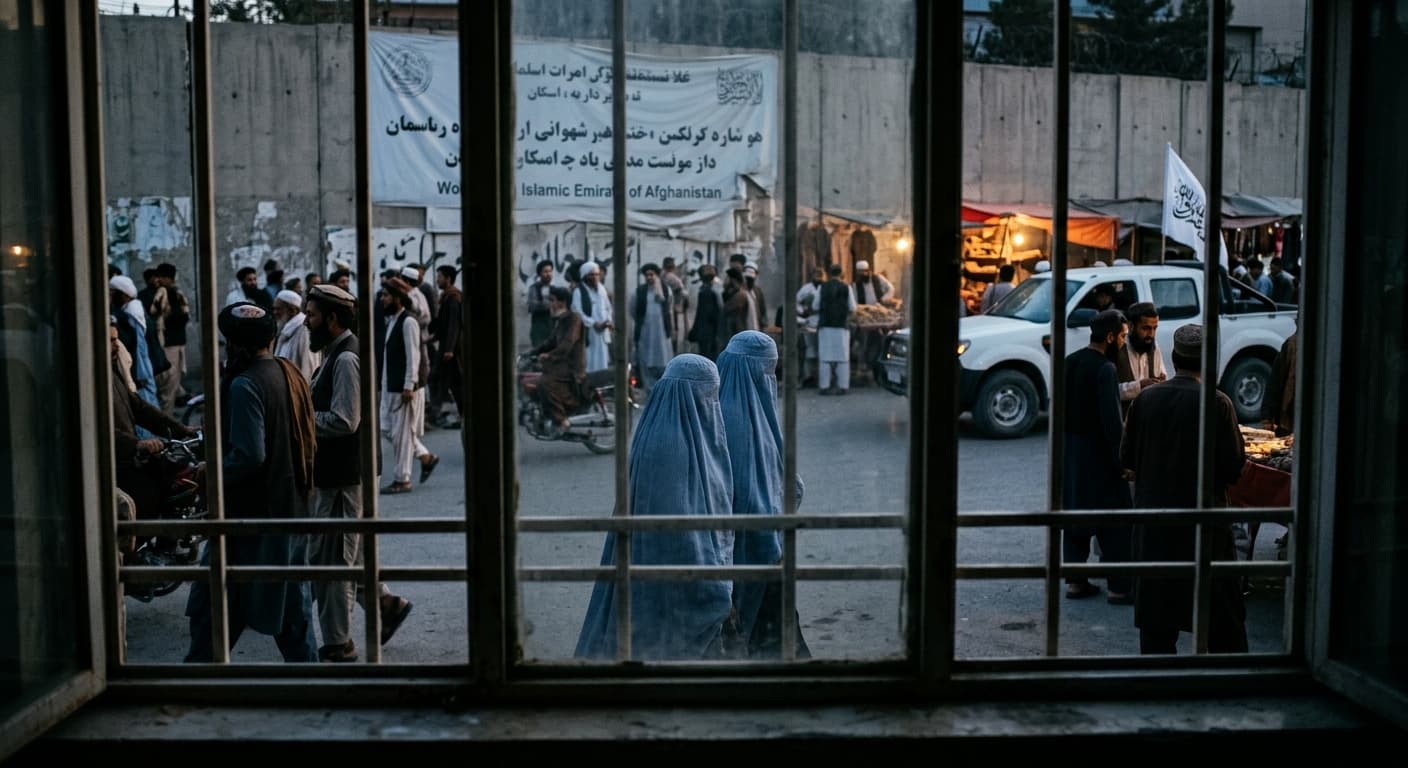
World Normalises Taliban as Afghan Women Eras
UN data shows Afghan women erased from public life as Russia recognises the Taliban, EU hosts officials in Brussels, and ICC warrants for gender persecution go unenforced.