Southern States Gain Lok Sabha Seats Boost
Electoral changes favor southern states despite smaller populations
Model Diplomat3 min readIndia
Southern States to Gain Lok Sabha Seats Despite Smaller Populations
India's women’s reservation-linked seat increase in Parliament and assemblies boosts southern states, defying their demographic size.
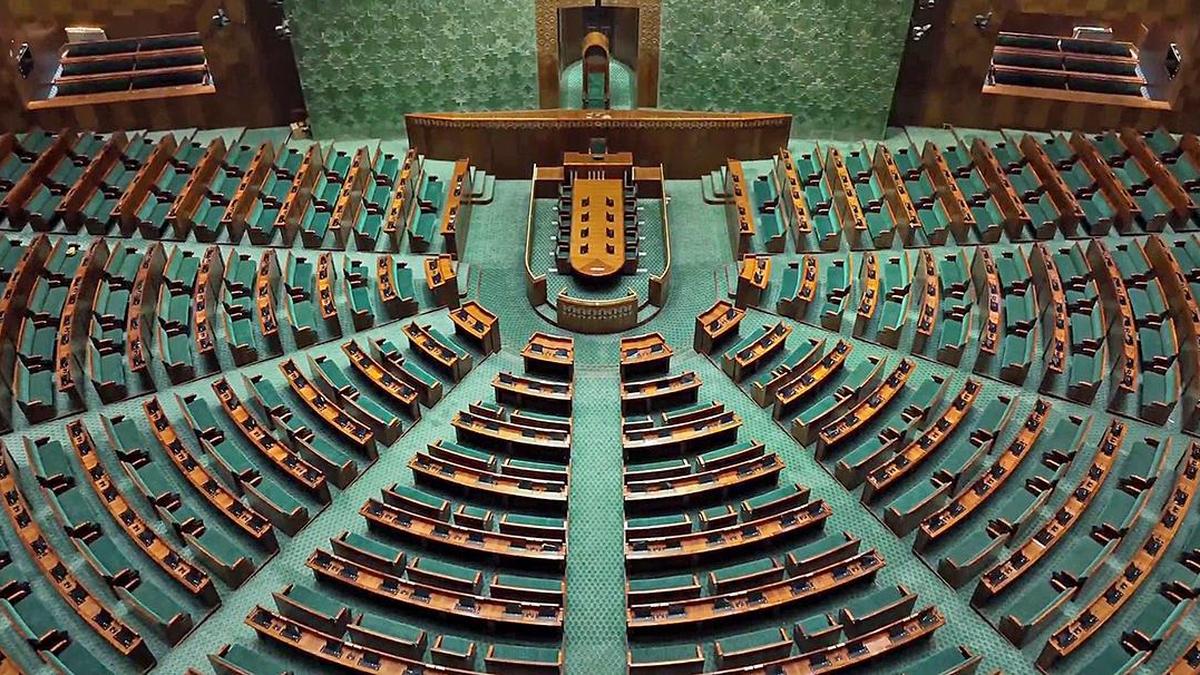
India is on the cusp of a significant electoral shake-up. A constitutional amendment under discussion proposes increasing the total number of seats in the Lok Sabha and state legislatures by 50%. Crucially, this change, tied to the women's reservation bill, would disproportionately benefit southern states—even though these states have smaller populations compared to northern counterparts. The rationale? The government’s reliance on outdated 2011 census data, which uses 1971 population figures as the delimitation baseline.
What's Changing—and Why It Helps the South
The core issue is India's delicate balance between fair population representation and political incentives to curb population growth. Since the 42nd Amendment in 1976, parliamentary and assembly seats have been frozen based on the 1971 census. This freeze was meant to discourage states from increasing population for political gain. But it has created disparities: states that controlled population growth, notably in the south—Tamil Nadu, Kerala, Karnataka, Andhra Pradesh—find their seat shares undervalued compared to faster-growing northern states like Uttar Pradesh and Bihar.
The current proposed amendment would raise the total seats by half, using the 2011 census population data but still anchored to the 1971 baseline for seat allocation. This effectively rewards southern states by recognizing their earlier success in population control and grants them more seats than if the 1971 baseline alone continued.
Government sources confirm this approach will recalibrate power structures, allotting relatively more Lok Sabha and assembly seats to southern states while maintaining the overall balance aimed at political fairness and encouraging population control measures.
Why This Matters Politically
This shift has immediate implications for national power dynamics. Southern states, often considered less influential in the traditionally Hindi-heartland-dominated Lok Sabha, would gain a stronger voice. Tamil Nadu’s 39 seats—already influential in coalition politics—could increase significantly, along with Kerala’s 20 and Karnataka’s 28 seats. This could reshape coalition math in future general elections and empower southern regional parties, which often have distinct agendas on federalism and development.
For northern states, particularly Uttar Pradesh with 80 Lok Sabha seats and Bihar with 40, this could mean relatively fewer seats than before—reducing their dominance. This may stoke political frictions, especially since many national parties rely heavily on vote banks in these populous states.
The link to the women's reservation bill adds another layer. The increase in seats is partly to accommodate 33% reservation for women in elected bodies, a long-standing demand with profound gender and social justice implications. Expanding seats avoids displacing existing representatives while meeting this quota, but the way these seats are distributed underlines regional political stratagems.
What to Watch Next
The constitutional amendment will trigger intense debates in Parliament, especially among northern political heavyweights wary of losing influence. Watch for how coalition politics evolve as southern regional parties leverage this boost, alongside gender rights advocates pushing for women's empowerment through reservation.
Further, delimitation based on newer census data remains a sensitive subject. India had planned a fresh delimitation post-2026 census to reflect current demographics fully, which could alter this seat allocation landscape again. The interim reliance on 2011 data anchored to 1971 is a political compromise with lasting impacts in the next electoral cycle.
Finally, the move underscores the persistent tension in India’s democracy between demographic growth, equitable representation, and social justice measures—themes that will continue shaping the world's largest democracy well beyond 2026.
For more on the complex balance of India’s electoral politics and demographic challenges, see our India political profile and
Global Politics.
NDTV report on southern states benefiting from women’s reservation amendment
Discover more
India
India Proposes Lok Sabha Seat Redistribution
India plans to redistribute Lok Sabha seats based on the 2011 Census, a move set to reshape political power and reduce southern states' relative influence.

Conflict & Security
Drone Warfare Killing Aid Workers at Unprec
Over 1,000 humanitarian workers killed in three years as cheap armed drones collapse legal protections. Gaza, Sudan, Ukraine, and DRC see deliberate targeting of aid convoys and hospitals with zero prosecutions.

Global
World Normalises Taliban as Afghan Women Eras
UN data shows Afghan women erased from public life as Russia recognises the Taliban, EU hosts officials in Brussels, and ICC warrants for gender persecution go unenforced.
Conflict & Security
West Africa Food Crisis: Three Shocks in 2026
Conflict, climate extremes, and the Strait of Hormuz closure drive a severe food crisis in West and Central Africa, with fertilizer prices surging 80% and millions displaced.