Sonam Wangchuk's Arrest Fuels Ladakh Autonomy
Wangchuk's detention reframes the fight for Ladakh's autonomy.
Model Diplomat3 min readAsia
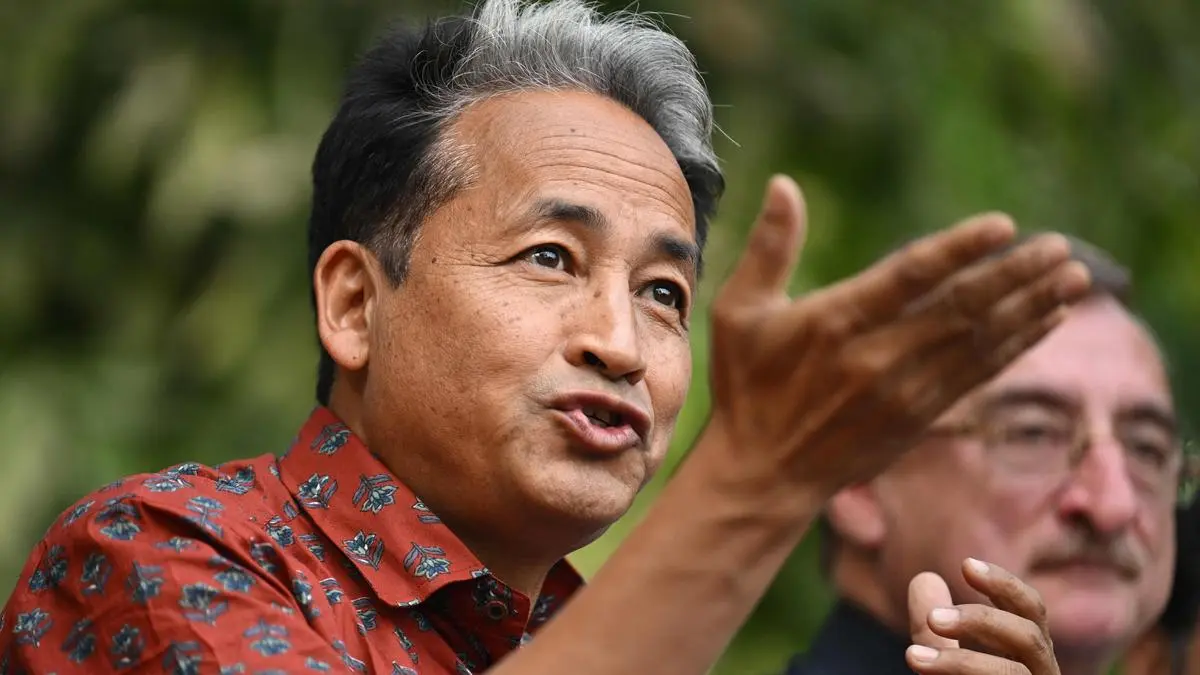
Sonam Wangchuk’s Arrest Raises Stakes in Ladakh Talks
Wangchuk’s account of detention reframes Ladakh’s autonomy fight: Delhi can still control the process, but not the political narrative.
Delhi holds the leverage because it controls Ladakh’s constitutional future, the security file, and the pace of talks. Sonam Wangchuk is trying to deny it control of the narrative. In his interview with Frontline, he casts his incarceration as a test of democratic freedom and says he was “labelled anti-national for supporting the nation,” turning a personal arrest into an argument about how the Indian state handles dissent in a sensitive border region. I was labelled anti-national for supporting the nation: Sonam Wangchuk
Why Wangchuk’s account matters now
This matters because Wangchuk is not just a dissenter; he is the most visible face of a broader Ladakhi campaign for Statehood and Sixth Schedule protections, backed by the Leh Apex Body (LAB) and Kargil Democratic Alliance (KDA). Those demands have run since Ladakh was made a Union Territory in 2019, leaving Delhi with direct administrative control but also with a legitimacy problem: local groups argue that land, jobs, culture, and political representation remain too exposed without stronger constitutional safeguards. Ladakh leaders press for Statehood; talks with Home Ministry remain inconclusive
Centre calls Ladakhi leaders for talks on February 4
Wangchuk’s detention sharpened that conflict. The Ladakh administration said it held him under the National Security Act after “provocative speeches” and argued the move was needed to restore public order after deadly unrest in Leh in September 2025. His supporters, including LAB, said he was not responsible for the violence and treated the detention as an attempt to criminalize a constitutional movement. Sonam Wangchuk detained under NSA & shifted to Jodhpur: Ladakh administration
Ladakh Statehood activist Sonam Wangchuk detained under NSA in Leh
The real contest: security framing vs constitutional bargaining
Delhi benefits if Ladakh stays a managed security issue. That lets the Home Ministry offer incremental fixes—such as stronger hill councils or safeguards under Article 371—without conceding the movement’s headline demands. LAB and KDA benefit if the issue stays political and constitutional, because that broadens support across Leh and Kargil and makes it harder to isolate Wangchuk as an individual agitator. After more than six months in detention, Wangchuk’s return to Leh in March 2026 gave that camp a symbolic win, but not yet a substantive one. Wangchuk returns to Ladakh after NSA revocation, calls for relief to detainees
The latest talks show the gap. The February 4, 2026 meeting between Ladakhi leaders and the Home Ministry ended inconclusively; the Centre discussed alternatives, but did not commit to Statehood or Sixth Schedule status. Ladakh leaders press for Statehood; talks with Home Ministry remain inconclusive
What to watch next
Watch the next Home Ministry round: the key question is whether Delhi moves beyond administrative concessions and case-by-case relief for detainees, or keeps separating Wangchuk’s release from Ladakh’s constitutional demands. Also watch whether LAB and KDA stay aligned; that coalition is the movement’s main bargaining asset. For broader context, see Diplomat’s India and
Global Politics pages.
Discover more
India
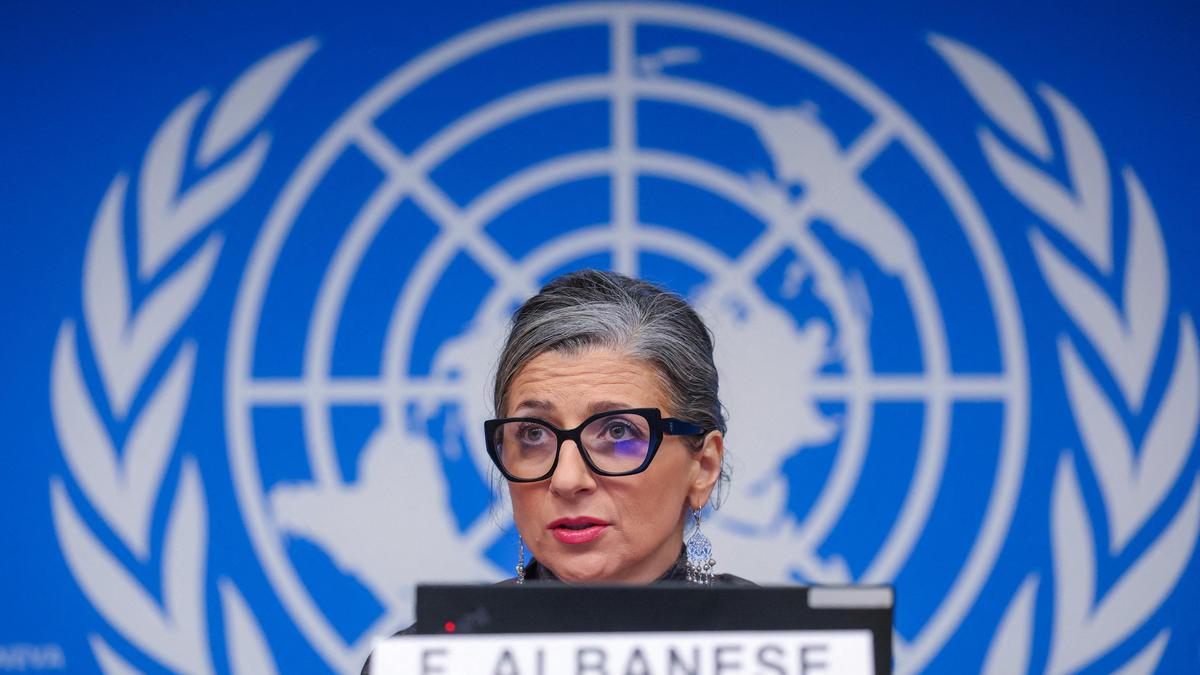
UN Expert Albanese: India Violates Law
UN Rapporteur Francesca Albanese accuses India of breaching international law, spotlighting human rights concerns in Kashmir and prompting diplomatic pushback.
India
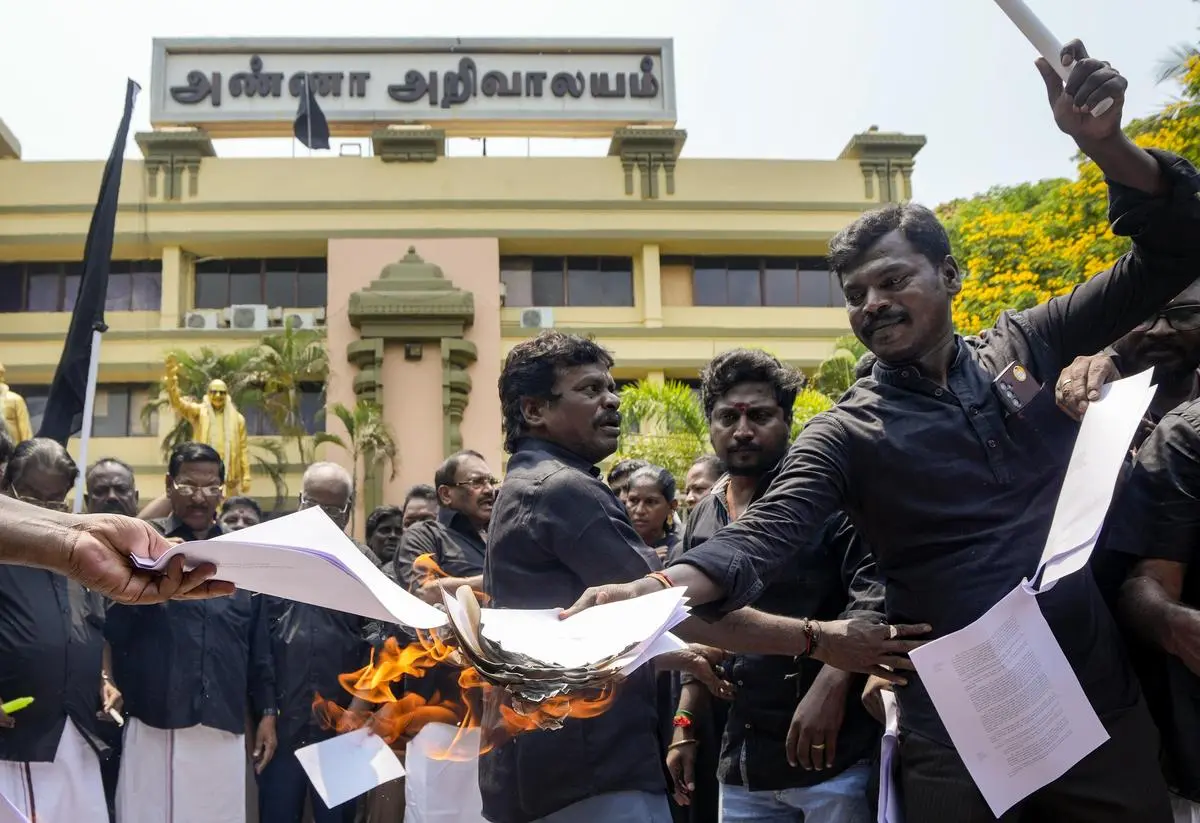
Women’s Reservation Bill 2026
The Constitution (131st Amendment) Bill, 2026 was defeated in Lok Sabha, revealing deeper political conflicts over women's reservation and delimitation.

Conflict & Security
Drone Warfare Killing Aid Workers at Unprec
Over 1,000 humanitarian workers killed in three years as cheap armed drones collapse legal protections. Gaza, Sudan, Ukraine, and DRC see deliberate targeting of aid convoys and hospitals with zero prosecutions.

Global
World Normalises Taliban as Afghan Women Eras
UN data shows Afghan women erased from public life as Russia recognises the Taliban, EU hosts officials in Brussels, and ICC warrants for gender persecution go unenforced.

