Seven AAP Rajya Sabha MPs Join BJP
Major political shift as AAP loses key Rajya Sabha members to BJP
Model Diplomat3 min readPunjab
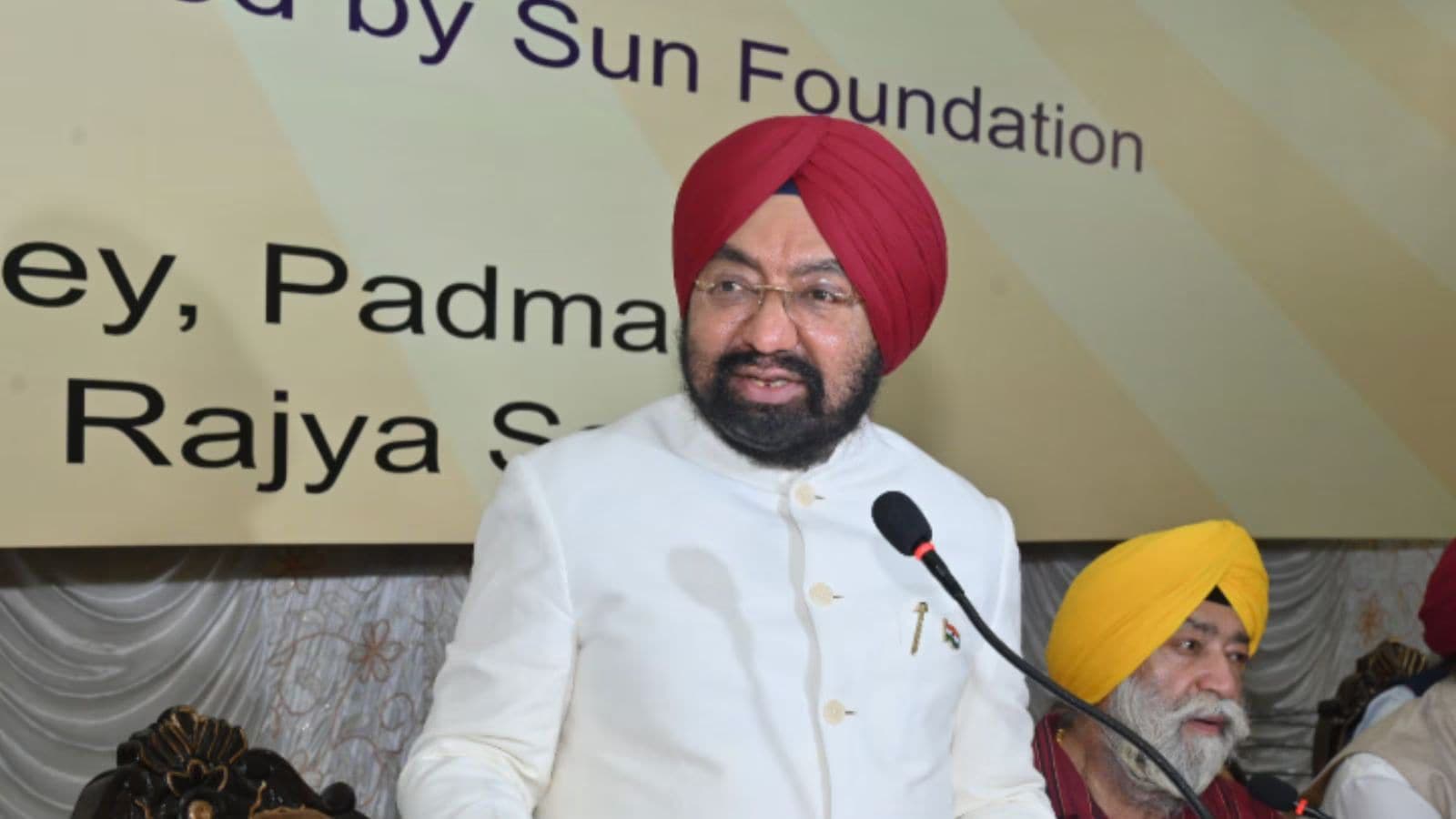
Seven AAP Rajya Sabha MPs Defect to BJP — Punjab's 2027 War Starts Now
Seven of AAP's ten Rajya Sabha MPs, including Raghav Chadha, announced a merger with BJP on April 24, wiping out two-thirds of AAP's Upper House presence.
AAP has just lost two-thirds of its Rajya Sabha bench in a single day. On April 24, 2026, seven of the party's ten Rajya Sabha MPs — including high-profile figures like Raghav Chadha and Vikramjit Sahney — announced a formal merger with the BJP. In an interview with The Indian Express, Sahney framed the break as a governance indictment: CM Bhagwant Mann lacks vision, Punjab is "a food bowl, not a begging bowl," and AAP's top-down leadership left its own elected representatives sidelined.
The defection is dramatic in scale, but its logic has been building for months.
The Anti-Defection Question — and Why It May Not Matter
The Tenth Schedule of India's Constitution bars individual legislators from switching parties without facing disqualification. But the merger clause provides a critical carve-out: if at least two-thirds of a party's legislative group in a given house defects, it legally constitutes a merger — not defection. With 7 of 10 AAP Rajya Sabha MPs crossing over, the threshold is precisely met, according to The Hindu. AAP's leadership will almost certainly challenge this in the Supreme Court, but the legal ground beneath them is thin.
The parliamentary arithmetic is blunt: AAP loses its Rajya Sabha group entirely, forfeiting whip privileges, speaking time, and committee leverage in the Upper House. For a party already under pressure from ED raids on MP Ashok Mittal and a bruising internal falling-out with Raghav Chadha, this is structural damage.
BJP's Punjab Architecture, One Piece at a Time
This isn't opportunism — it's execution. As Frontline reported, the BJP has been methodically building toward contesting all 117 Punjab Assembly seats solo in 2027, having grown its vote share to 18.5% in the 2024 Lok Sabha elections after severing ties with the Shiromani Akali Dal post-farmers' protests. Home Minister Amit Shah is now expected to visit Punjab monthly, per
The Hindu, framing the drug crisis as a law-and-order failure directly attributable to AAP governance.
Absorbing seven AAP MPs — including credible Punjabi faces like Sahney — serves two functions: it strips AAP of organizational credibility and hands BJP a ready-made set of surrogates to project in a state where it remains thin on the ground.
For AAP, the internal narrative is equally damaging. Sahney's public criticism — that Mann's government has no coherent economic vision for Punjab's agrarian economy — validates what the opposition has argued since 2022: that AAP's Punjab experiment has underdelivered on its own ambitious mandate.
What to Watch Next
India's political landscape now has a live test case: whether the Rajya Sabha Chairman recognizes the merger as valid or refers it for a disqualification ruling. That decision will set the timeline. The Punjab 2027 Assembly election — expected in February — is the real prize, and every move between now and then maps back to that contest. Watch whether Congress, currently sitting out major events, tries to capitalize on AAP's erosion or whether BJP absorbs enough defectors to credibly challenge for government. The next inflection point: Amit Shah's first scheduled Punjab district tour, which will signal how aggressively the Centre intends to convert parliamentary gains into ground-level dominance.
Discover more
India
BJP Congress Clash Over MP Bill Defeat
The BJP's defeat of the women's quota amendment sparks a political narrative war with Congress, impacting future elections.
India
Women’s Reservation Bill 2026
The Constitution (131st Amendment) Bill, 2026 was defeated in Lok Sabha, revealing deeper political conflicts over women's reservation and delimitation.

Conflict & Security
Drone Warfare Killing Aid Workers at Unprec
Over 1,000 humanitarian workers killed in three years as cheap armed drones collapse legal protections. Gaza, Sudan, Ukraine, and DRC see deliberate targeting of aid convoys and hospitals with zero prosecutions.

Global
World Normalises Taliban as Afghan Women Eras
UN data shows Afghan women erased from public life as Russia recognises the Taliban, EU hosts officials in Brussels, and ICC warrants for gender persecution go unenforced.

