Seven AAP MPs Join BJP
Raghav Chadha leads AAP's Rajya Sabha MPs to BJP merger
Model Diplomat3 min readIndia
Seven AAP MPs Jump to BJP, Gutting the Party's Rajya Sabha Bench
Raghav Chadha leads a constitutional merger of two-thirds of AAP's upper house bloc into the BJP — a body blow to Kejriwal's parliamentary standing.
Seven Aam Aadmi Party Rajya Sabha MPs, led by Raghav Chadha, formally merged with the Bharatiya Janata Party on April 24, 2026 — stripping AAP of two-thirds of its upper house presence in a single press conference. The group includes Sandeep Pathak, AAP's former organisational secretary-general; Ashok Mittal, who had just been elevated to replace Chadha as RS deputy leader weeks earlier; cricketer-turned-politician Harbhajan Singh; Swati Maliwal, already long estranged from the party; Rajinder Gupta; and Vikram Sahney. The Hindu confirmed the merger announcement.
Why This Is a Merger, Not a Defection
The constitutional mechanics matter here. Under the Tenth Schedule of the Indian Constitution — the anti-defection law — an individual MP who switches parties loses their seat. But a merger is exempt if at least two-thirds of a parliamentary party's members consent. Chadha explicitly invoked this provision at the press conference. With 7 of AAP's ~10 Rajya Sabha MPs, the threshold is cleanly met. Every one of the seven keeps their seat; none face disqualification. BJP gains seven votes in the Rajya Sabha at zero electoral cost.
The Collapse Was in Slow Motion
This didn't come from nowhere. Chadha's rift with party leadership had been building publicly for months. AAP demoted him from deputy leader in the Rajya Sabha in early April 2026 — replacing him with Mittal, who has now also defected — after Punjab leaders accused Chadha of failing to raise state-specific issues in Parliament. Chadha's response on X — "Silenced, not defeated" — now reads as a countdown. Frontline traced the rupture back through months of mutual recrimination with Arvind Kejriwal's inner circle.
The deeper context: AAP has suffered a series of institutional blows since 2024, including Kejriwal's corruption-linked arrest and the party's loss of power in Delhi in February 2025. Without a state government to anchor its resources and patronage, the glue holding ambitious MPs in place dissolved. Chadha, Pathak, and Maliwal all had independent national profiles — exactly the type who calculate they have more to gain inside the BJP tent than in a diminished opposition party.
Who Wins, Who Loses
BJP consolidates further in the Rajya Sabha, reducing the already-limited friction on legislation from the upper house. For India's political landscape, it signals that the INDIA bloc's upper house arithmetic is eroding without a single by-election fought.
Kejriwal and AAP lose their most telegenic MPs. Chadha was the party's English-language face and a Punjab electoral architect. Pathak ran the organisational machinery. Losing both in one move leaves a skeletal parliamentary operation — and raises serious questions about whether AAP can credibly contest the 2027 Punjab assembly elections as a governing party.
Swati Maliwal's inclusion is largely symbolic; she had already accused AAP insiders of assault in 2024 and had been effectively operating outside the party for over a year.
What to Watch Next
Three pressure points: First, Rajya Sabha Chairman C.P. Radhakrishnan's formal recognition of the merger — expected within days — will confirm whether the two-thirds calculation holds under scrutiny. Second, Kejriwal's response: whether AAP attempts a legal challenge to the merger's validity or pivots to damage control. Third, the Punjab angle — Chief Minister Bhagwant Mann now leads an AAP government whose parliamentary backbone has just been pulled out from under it, with assembly elections due in early 2027. How Mann positions himself relative to this defection will define AAP's survival as a national force.
Discover more
India
BJP Congress Clash Over MP Bill Defeat
The BJP's defeat of the women's quota amendment sparks a political narrative war with Congress, impacting future elections.

Conflict & Security
Drone Warfare Killing Aid Workers at Unprec
Over 1,000 humanitarian workers killed in three years as cheap armed drones collapse legal protections. Gaza, Sudan, Ukraine, and DRC see deliberate targeting of aid convoys and hospitals with zero prosecutions.
Global
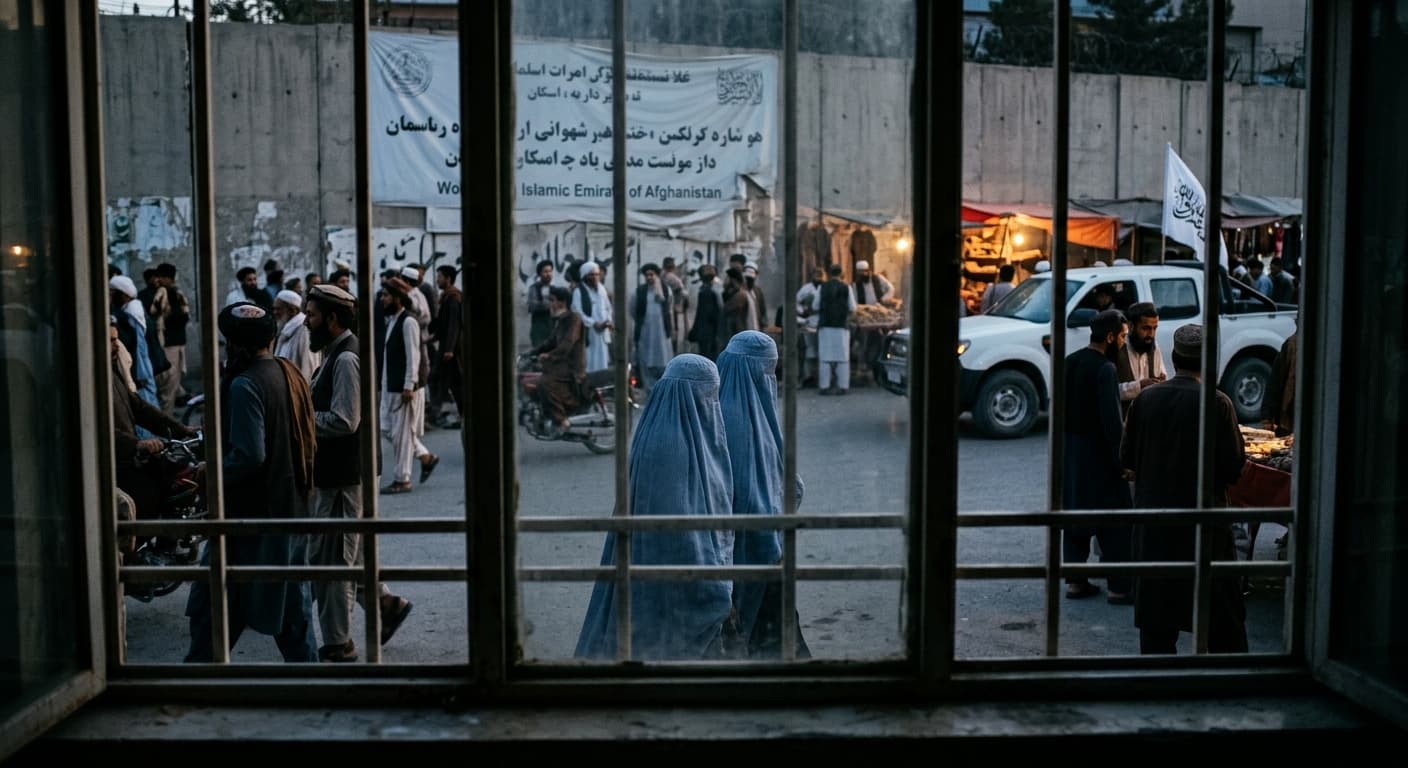
World Normalises Taliban as Afghan Women Eras
UN data shows Afghan women erased from public life as Russia recognises the Taliban, EU hosts officials in Brussels, and ICC warrants for gender persecution go unenforced.
Conflict & Security
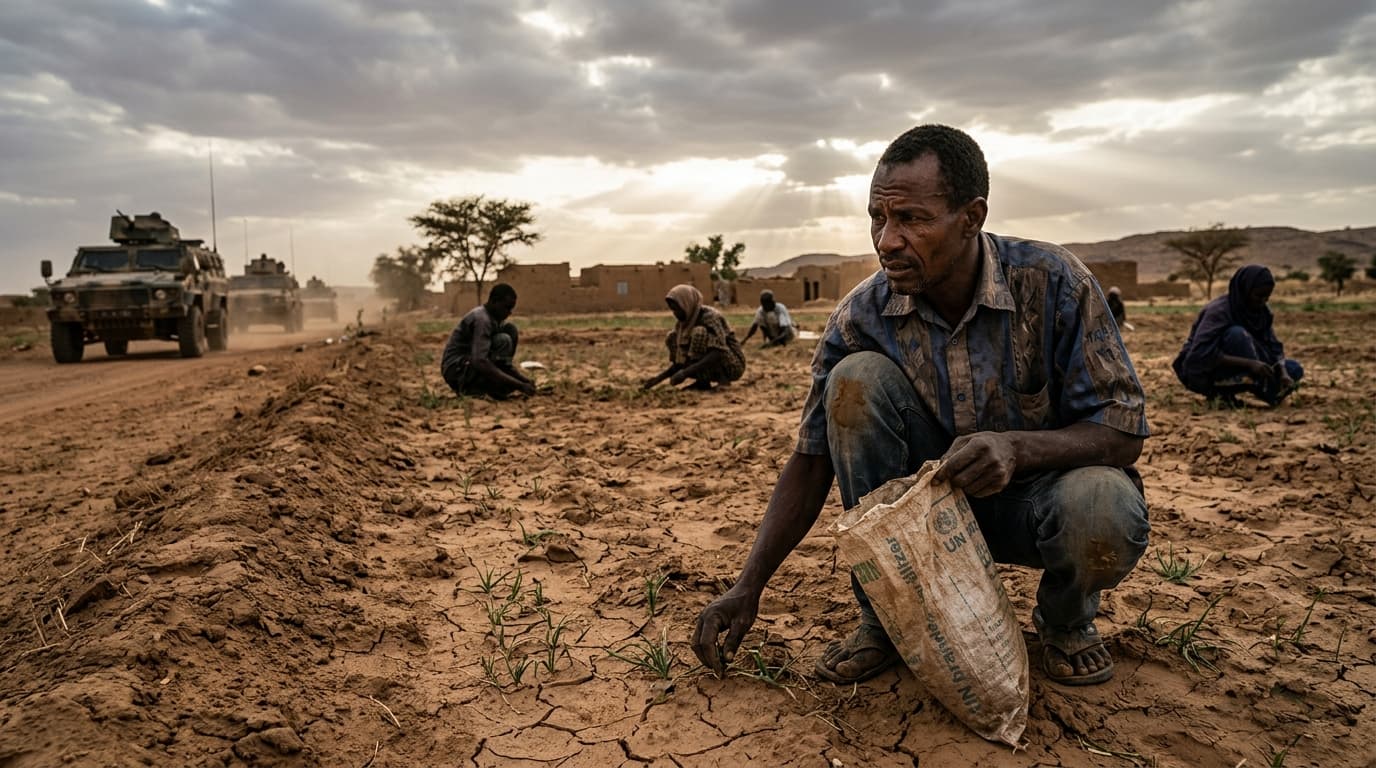
West Africa Food Crisis: Three Shocks in 2026
Conflict, climate extremes, and the Strait of Hormuz closure drive a severe food crisis in West and Central Africa, with fertilizer prices surging 80% and millions displaced.