Seven AAP MPs Defect to BJP, Impact on Punjab
Raghav Chadha leads AAP MPs to BJP, impacting Punjab politics.
Model Diplomat3 min readPunjab
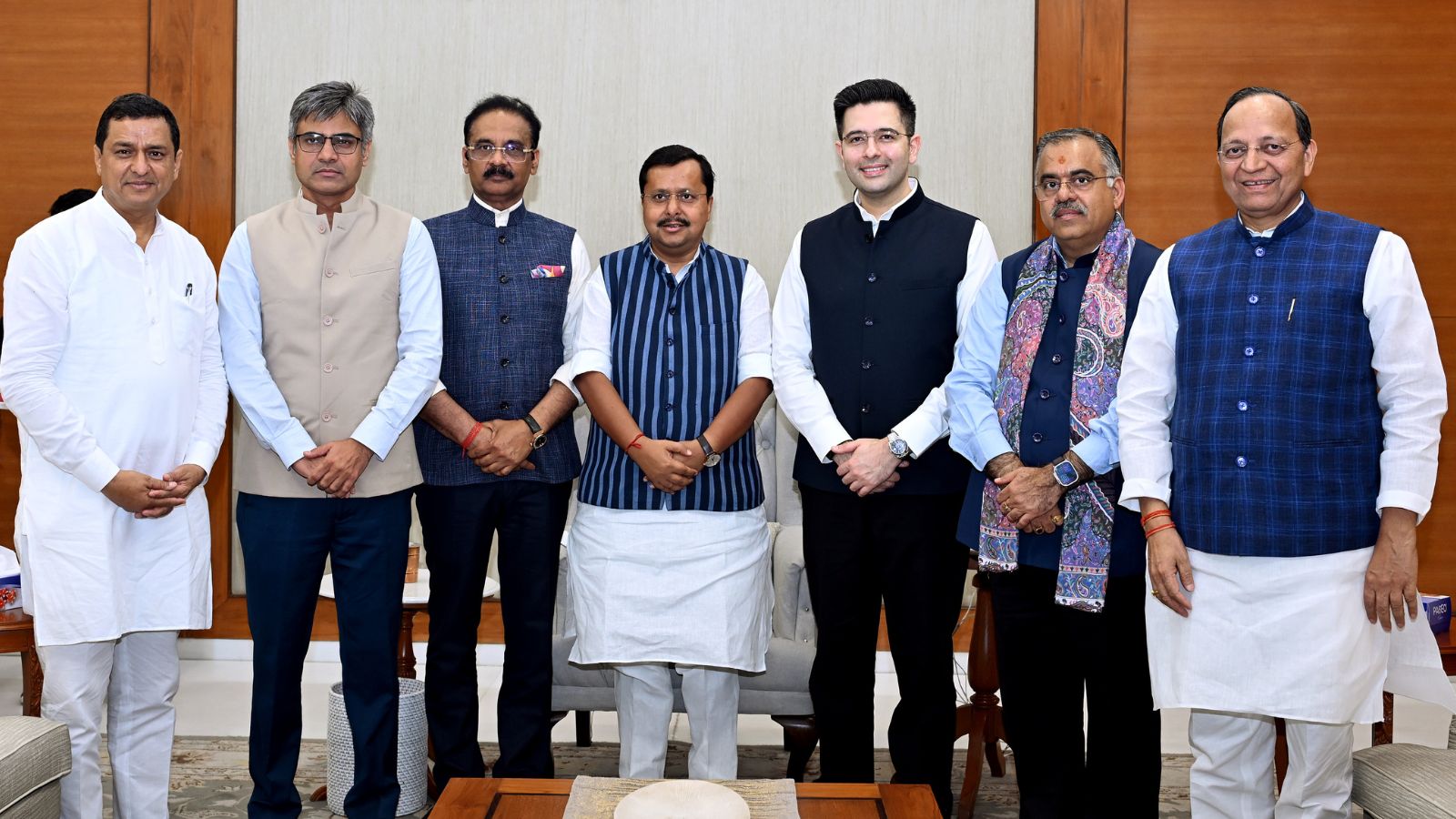
Seven AAP MPs Cross to BJP — Punjab's Ruling Party Just Lost Its Upper House Voice
Raghav Chadha leads six colleagues into the BJP fold, stripping AAP of Rajya Sabha clout and signalling real danger for its 2027 Punjab flank.
Seven of AAP's ten Rajya Sabha MPs, led by the party's former deputy leader Raghav Chadha, formally crossed over to the BJP on April 24, claiming the move as a separate faction merger — the constitutional mechanism used to avoid disqualification under the anti-defection law. AAP has called it a "betrayal" and accused BJP of executing another "Operation Lotus", the ruling party's playbook for peeling away opposition legislators through a combination of inducement and legal pressure.
The defection did not come from nowhere. AAP had already stripped Chadha of his deputy leadership role in the Rajya Sabha weeks earlier, with Punjab Chief Minister Bhagwant Mann publicly calling him "compromised" for deviating from the party line. ED raids on AAP MP Ashok Mittal's business premises in Punjab and Haryana — which Mann condemned as politically motivated — added to the pre-election pressure campaign. The pattern fits: legal heat, internal isolation, then the crossing.
What BJP Actually Gains
The arithmetic is immediate and meaningful. AAP's Rajya Sabha presence drops from 10 to 3, effectively silencing the party in the upper house during a budget session that still has business pending. BJP and its NDA allies consolidate further, reducing friction on legislative priorities including amendments to the Women's Reservation Act. For a party that controls the Lok Sabha comfortably but has historically had to manage the Rajya Sabha more carefully, this is consolidation, not transformation — but useful consolidation.
The longer game is Punjab, where AAP holds 92 of 117 Assembly seats from its landslide 2022 victory. Punjab Assembly elections are due in early 2027. BJP has no meaningful ground presence in the state but has now recruited the most recognisable AAP face outside Kejriwal. Chadha becomes BJP's Punjab project — a media-savvy, upper-caste Punjabi voice the party lacked. Whether defectors from the Rajya Sabha translate into Assembly-seat gains is unproven, but BJP is buying optionality.
AAP's Real Vulnerability
The defection exposes what the party has struggled to conceal: the post-Kejriwal arrest era left AAP's internal hierarchy fractured, and Punjab's governance record — while defensible on schools and health — is under sustained attack over law-and-order and agrarian debt. Bhagwant Mann is functionally running AAP's last major government, and his administration now faces both a BJP equipped with defectors and the Centre's continued use of enforcement agencies as political instruments.
AAP's "Operation Lotus" framing is politically smart — it reminds Punjab voters of BJP's reputation for buying legislators — but it only works if the party can hold its Assembly bloc together. Seven Rajya Sabha MPs defecting is embarrassing; a single Punjab MLA following would be a crisis.
For deeper context on India's shifting party alignments, see India and
International Politics.
What to Watch Next
Three signals matter in the coming weeks:
- Anti-defection petitions — AAP will challenge the merger before the Rajya Sabha Chairman; the ruling on whether the seven constitute a valid "two-thirds faction merger" determines whether they keep their seats.
- Punjab MLA discipline — any Assembly-level defection would trigger a structural collapse narrative ahead of 2027.
- Chadha's first BJP assignment — whether he's given a Punjab-facing role or parked in Delhi tells you how seriously BJP intends to weaponize him.
The next hard deadline is the Rajya Sabha Chairman's ruling on the merger petition, expected within days. That decision sets the legal floor for everything that follows.
Sources: The Hindu — Kejriwal reaction |
The Hindu — Chadha joins BJP |
The Hindu — Mann calls Chadha 'compromised' |
Indian Express
Discover more
India
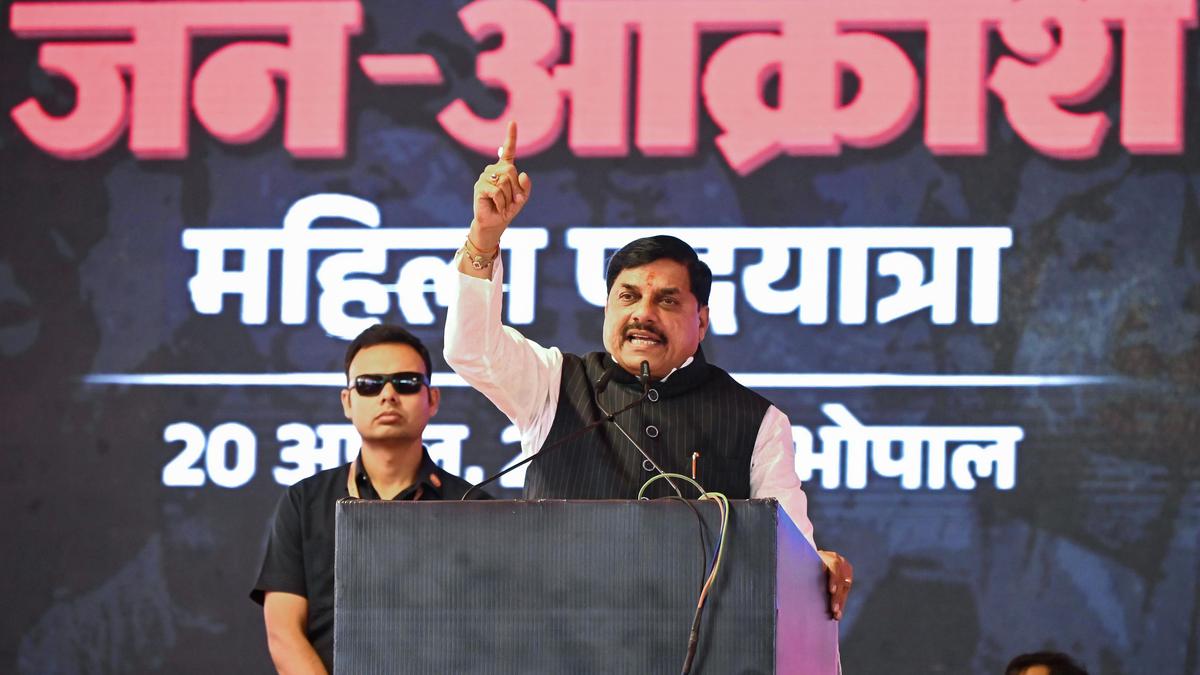
BJP Congress Clash Over MP Bill Defeat
The BJP's defeat of the women's quota amendment sparks a political narrative war with Congress, impacting future elections.

Conflict & Security
Drone Warfare Killing Aid Workers at Unprec
Over 1,000 humanitarian workers killed in three years as cheap armed drones collapse legal protections. Gaza, Sudan, Ukraine, and DRC see deliberate targeting of aid convoys and hospitals with zero prosecutions.

Global
World Normalises Taliban as Afghan Women Eras
UN data shows Afghan women erased from public life as Russia recognises the Taliban, EU hosts officials in Brussels, and ICC warrants for gender persecution go unenforced.
Conflict & Security
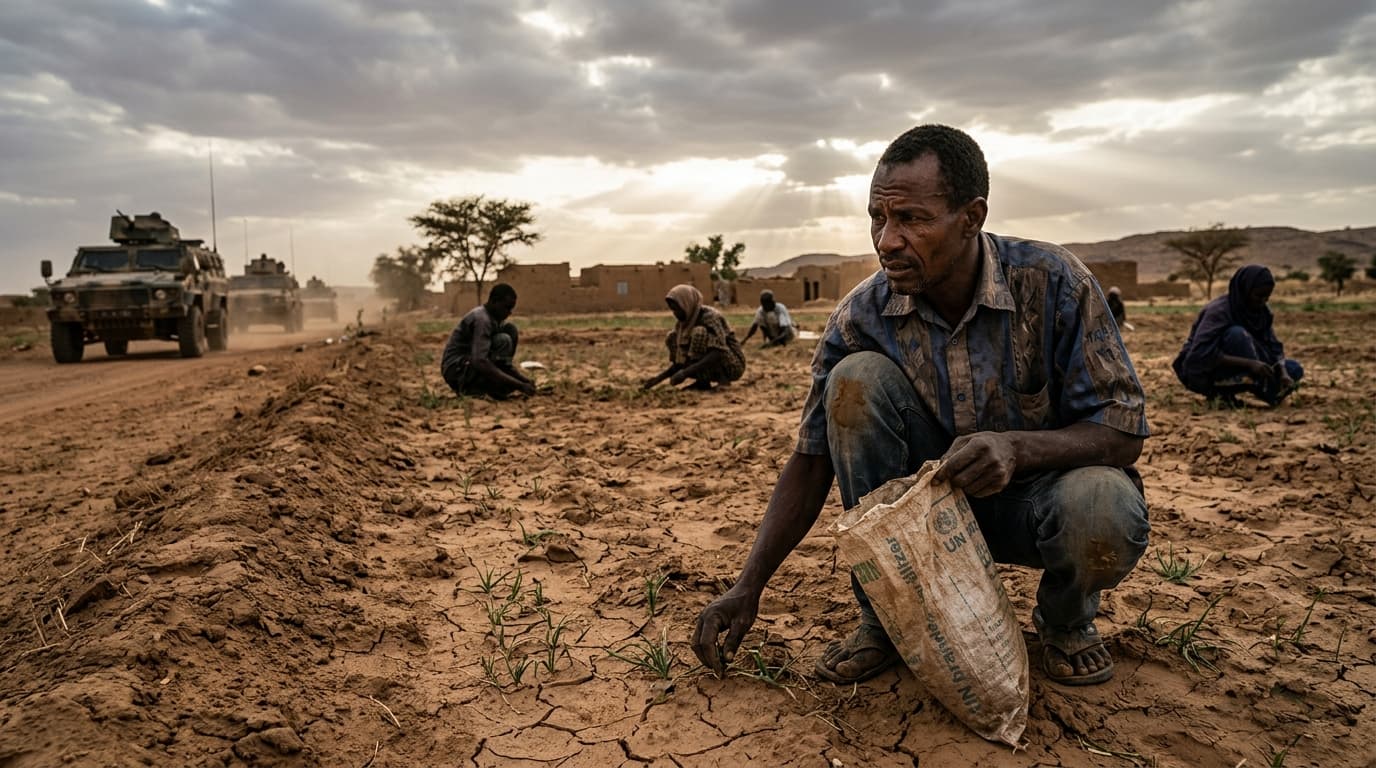
West Africa Food Crisis: Three Shocks in 2026
Conflict, climate extremes, and the Strait of Hormuz closure drive a severe food crisis in West and Central Africa, with fertilizer prices surging 80% and millions displaced.

