Sanjay Raut, Shinde Sena Clash Over Women's Q
Political tensions rise in Shiv Sena after Modi's address.
Model Diplomat3 min readMaharashtra
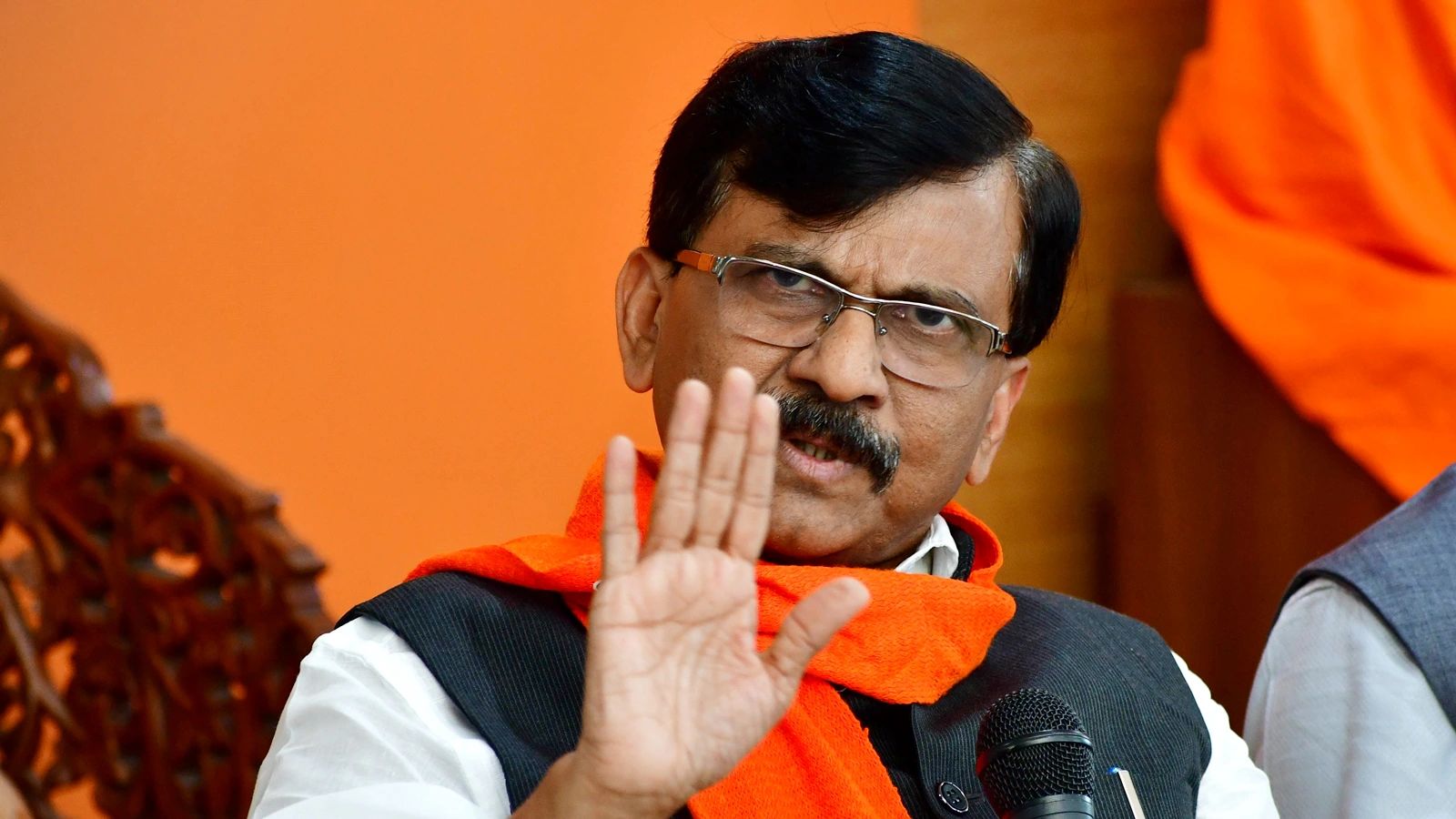
Women's Quota Row: Sanjay Raut and Shinde Sena Clash Over Modi's Address
After PM Modi’s address on the women’s quota setback, Shiv Sena factions Sanjay Raut (UBT) and Shinde Sena exchanged sharp accusations, exposing deeper party fissures.
Prime Minister Narendra Modi’s April 18 national address on the stalled women’s quota legislation sparked an intense public row between rival factions of Shiv Sena, predominantly Sanjay Raut of the Uddhav Balasaheb Thackeray (UBT) group and the Shinde Sena. The PM acknowledged the setback but emphasized procedural and political hurdles. Raut accused Modi of political maneuvering aimed at electioneering while deflecting responsibility, intensifying factional tensions within the veteran Mumbai-based party ahead of critical polls.
What Modi Said — And Why Raut Sees Political Manoeuvring
PM Modi’s address focused on the difficulties in passing the Women's Reservation Bill, which proposes reserving 33% of seats in Parliament and state assemblies for women. Modi underscored the need for consensus and pointed to opposition within and beyond Maharashtra as barriers. His timing—weeks before several key elections—led critics like Raut to allege the speech was more an attempt to rally political support than a genuine effort to advance women's political representation.
Raut’s sharp retort framed Modi as evading accountability for the legislative deadlock. He accused the Prime Minister of using the quota issue to “hide failures” elsewhere in governance and of stirring polarizing narratives ahead of elections in states including Maharashtra. Raut’s statement also highlighted the deepening split within Shiv Sena: his UBT faction portraying itself as more progressive and rooted in Thackeray’s original vision, while Shinde’s camp aligns closer with Modi’s BJP governance model.
Shiv Sena’s Factional Fallout
This public spat marks the latest escalation in the Shiv Sena’s ongoing internal conflict that began with the 2022 split when Eknath Shinde led a breakaway group to form a BJP-aligned government, sidelining Uddhav Thackeray’s faction. The women’s quota issue serves as a flashpoint for ideological differences: UBT champions greater social justice and representation rhetoric, while Shinde’s faction prioritizes political stability and pragmatic governance, often in tandem with BJP’s agenda.
The dispute over Modi’s speech is more than just political posturing; it exposes Shiv Sena’s fragile identity crisis as both factions compete for legitimacy ahead of upcoming local and state assembly elections. It also complicates their positioning on a socially resonant issue like women’s empowerment, where public sentiment increasingly demands progress but legislative inertia persists.
What to Watch Next
The controversy places the women’s quota bill back in the political spotlight just as Maharashtra and other states prepare for elections. Raut’s vocal criticism may rally the UBT’s base, eager to distinguish itself from the BJP-aligned Shinde faction, which in turn may lean on Modi’s narrative to consolidate power. The factions’ rivalry could delay a coherent stance on the quota, potentially hampering legislative progress.
At a broader level, Modi’s gambit and the Shiv Sena rift highlight the challenges of advancing gender representation in India’s fractious political landscape. Watch for how other parties respond to this row, and whether pressure from civil society and women’s groups can translate into action beyond electoral spin.
For context on Shiv Sena factions and Maharashtra politics, see India.
Discover more
India
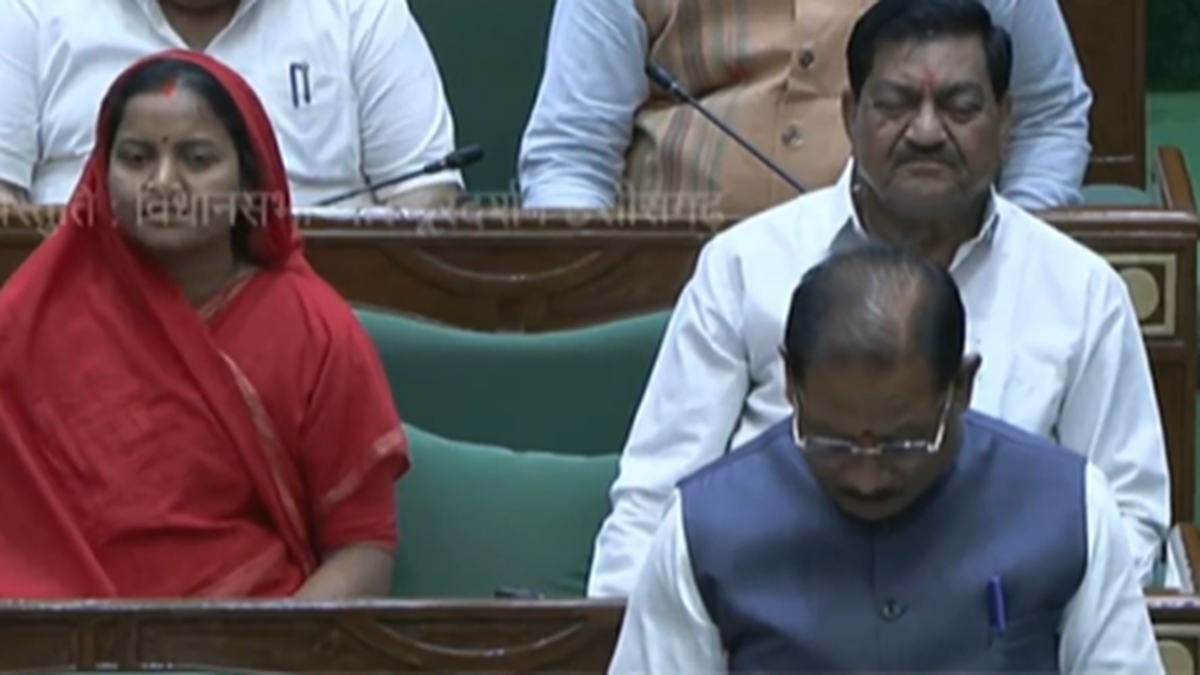
Chhattisgarh Assembly Advocates Women's Quota
Chhattisgarh's Assembly passed a resolution to expedite India's women's legislative quota, adding state-level pressure to a stalled national reform push.
India
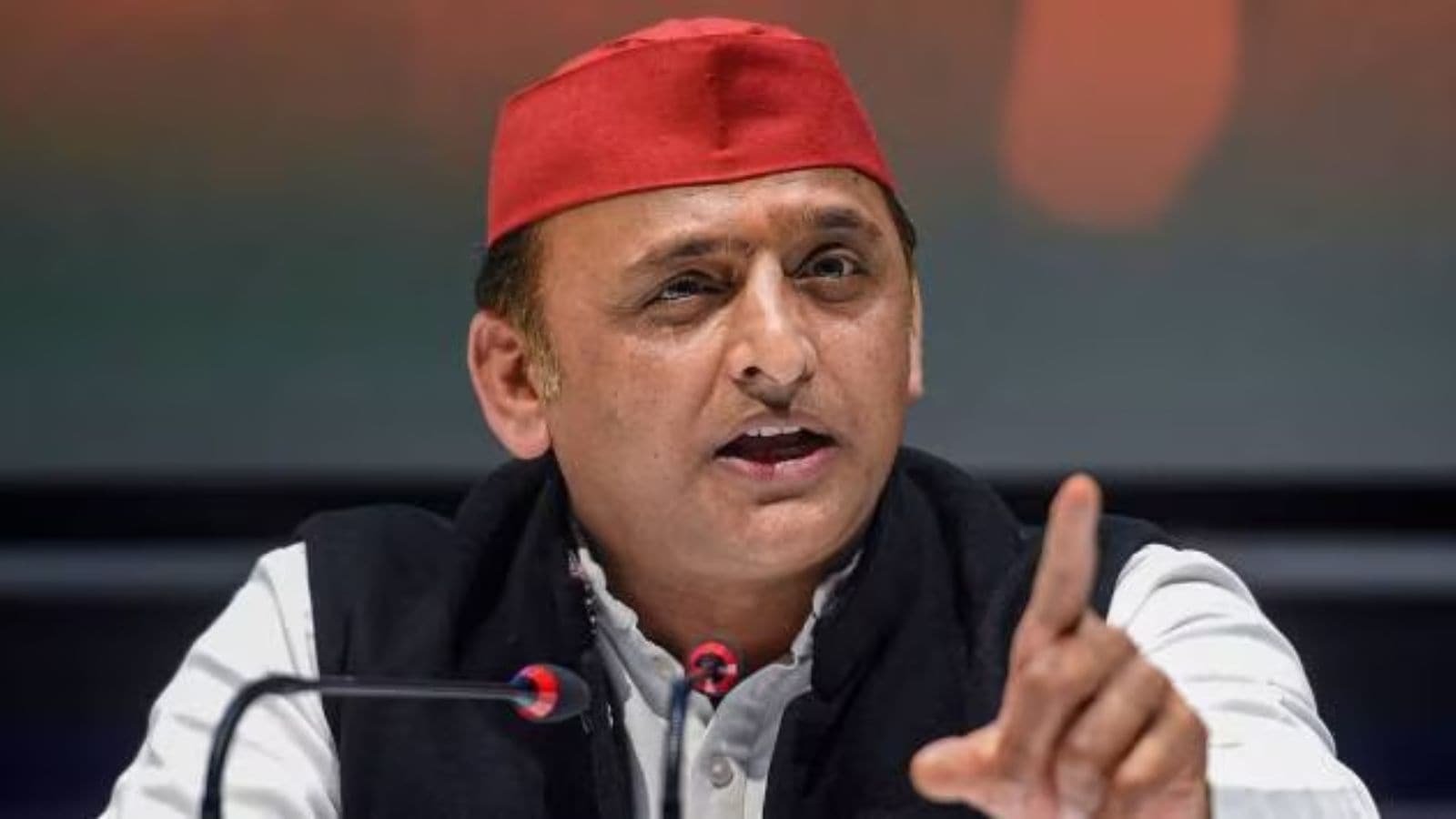
Akhilesh Yadav on Women's Quota Bill Defeat
Akhilesh Yadav claims victory from the defeat of the women's reservation bill, shifting focus to caste census ahead of the 2027 UP elections.

India
Shashi Tharoor Questions Women's Quota Delim
Shashi Tharoor warns against rushing delimitation for the women's quota, likening it to demonetisation's chaos and urging legal clarity and transparency.

India
India's Parliament Bill Fails Over Women's Qu
India's Parliament expansion bill fails as the women's quota debate complicates reform, with major political implications looming ahead of 2029 elections.