Kagame's Fourth Term: Debt and DRC Issues
Kagame's presidency faces economic and regional challenges.
Model Diplomat4 min readafrica
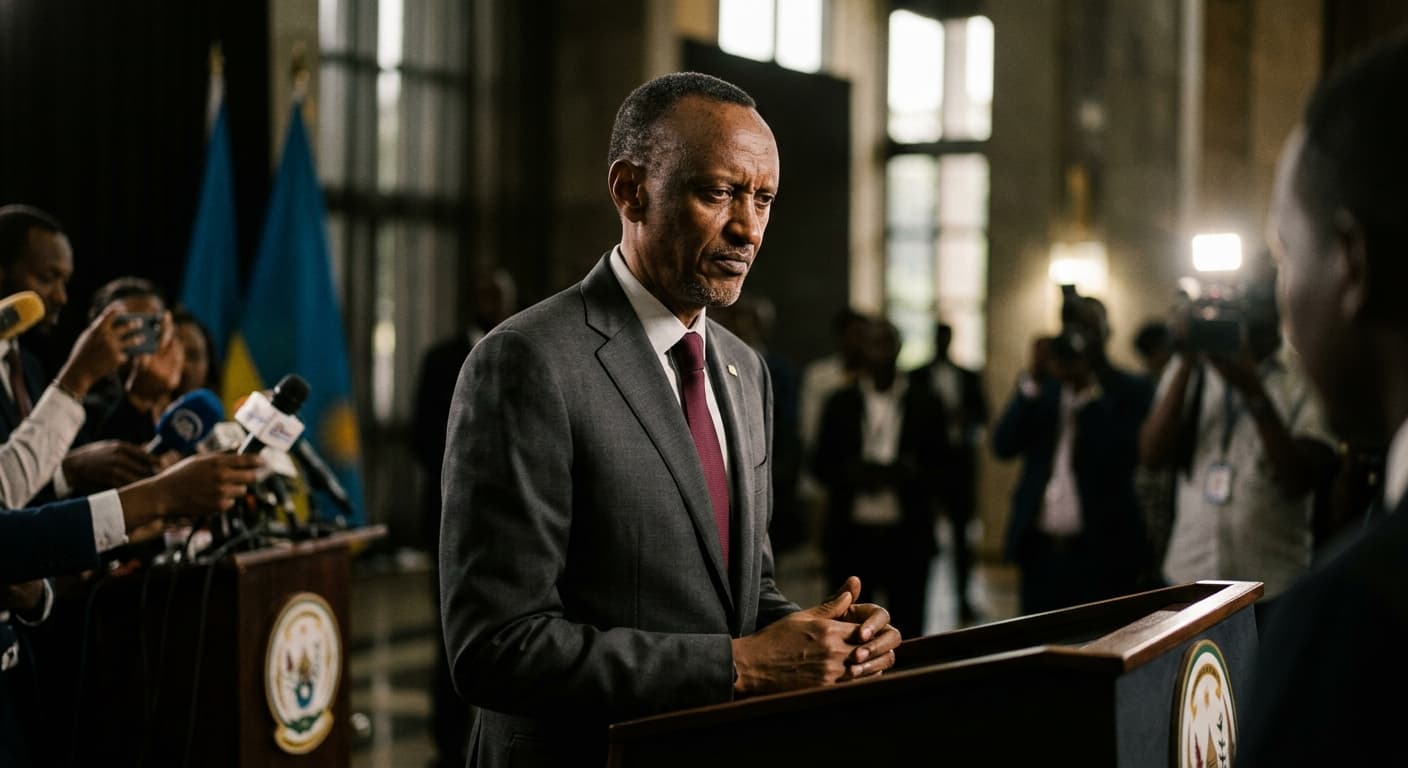
Kagame's Fourth Term Hits the Two-Year Mark — Debt, DRC, and the Succession Question Nobody's Asking
Almost two years into a term won with 99.18% of the vote, Kagame's state-building agenda is colliding with a 77% debt-to-GDP ratio, a frozen western border, and an economy too dependent on him personally.
Paul Kagame was sworn in for his fourth term as Rwanda's president in August 2024 after securing 99.18% of the vote in July elections — a margin that actually improved on his 2017 performance, according to the National Electoral Commission. Only two candidates were permitted to stand against him; eight others, including vocal critic Diane Rwigara, were barred. BBC News
Al Jazeera
The vote itself was never in question. The question — now that we are two years into the term — is whether the agenda Jonathan Beloff laid out in his analysis for the Harbinger Standard is holding. The short answer: the economic arithmetic is getting harder, and the regional picture is darker than the inauguration optimism suggested.
State capacity meets fiscal reality
Beloff's framework for Kagame's fourth term centers on three pillars: state-building and institutional capacity, commercial diplomacy, and national stability as the foundation for growth. Harbinger Standard Rwanda aspires to middle-income status by 2035 and high-income by 2050 under the second National Strategy for Transformation (NST-2), as the World Bank notes. The problem is that the fiscal runway is narrowing.
Rwanda's GDP grew 9.4% in 2025, following 8.5% average growth over 2022–2024, according to the IMF's 2025 Article IV consultation. But public debt is projected to hit 77% of GDP by end-2026, and the IMF's December 2025 staff report flags that "credible fiscal consolidation" and "stronger domestic revenue mobilization" are now essential to safeguarding debt sustainability — not optional. IMF
Concessional financing is drying up as donors retrench. The IMF notes that the authorities have already reduced external concessional borrowing and delayed foreign-financed development projects. Meanwhile, the new Kigali International Airport alone requires a capital injection of roughly 3% of GDP. Kagame's state-building instincts — the Singapore-of-Africa model he has pursued since the early 2000s — rely on infrastructure spend that is becoming harder to fund without either private capital or politically unpalatable tax increases.
The human-capital deficit compounds the problem. The World Bank ranks Rwanda 160th out of 174 countries on its Human Capital Index. Nearly half the population was living on less than $2.15 a day in 2020, and 70% remains dependent on subsistence agriculture. World Bank
Al Jazeera The growth numbers are real, but they are accruing to the urban, educated minority. Kigali is not Rwanda.
The DRC wildcard is getting wilder
In his inauguration speech, Kagame pointed to regional security threats and sources of instability. The situation has since deteriorated. A UN report released days before the 2024 election documented roughly 4,000 Rwandan troops inside the Democratic Republic of Congo, where Kigali is accused of backing the M23 rebel group. Rwanda did not deny the allegation, instead telling the BBC that Kinshasa "lacked the political will" to resolve the crisis. BBC News
President Félix Tshisekedi — who has called Kagame "Hitler" and threatened invasion — was conspicuously absent from the inauguration. The Democratic Forces for the Liberation of Rwanda (FDLR), composed of génocidaire remnants, remains active in eastern DRC, and Kagame has made clear that mediation efforts will not work unless that threat is addressed. Beloff's analysis identifies the FDLR and the deteriorating Rwanda-Burundi relationship as the two most pressing security challenges of the term.
The commercial diplomacy piece of Kagame's agenda — personally courting investors and expanding exports — collides with the reputational cost of a deepening proxy conflict. Rwanda's mining sector, coffee and tea exports, and MICE (meetings, incentives, conferences, exhibitions) tourism strategy all depend on the stability premium Kagame has marketed for two decades.
What to watch
Succession planning remains the unmentionable. Kagame can legally serve until 2034 under the 2015 constitutional amendment that reset term limits. But Beloff notes that Rwanda's over-reliance on a single leader is the structural vulnerability behind the entire development model. If state institutions genuinely strengthen, they should survive the man. If they do not, the post-Kagame transition — whenever it comes — will test everything Vision 2050 assumes about continuity.
The nearer-term watchpoints: whether the IMF's fiscal consolidation path holds through FY26/27, whether Rwanda's tax package (effective May 2025) delivers the projected 0.6% of GDP in additional revenue, and whether the DRC conflict escalates to the point that investors begin pricing in regional risk. Kagame's fourth term may be remembered less for what he built than for whether the foundations cracked under their own weight.
Discover more
India
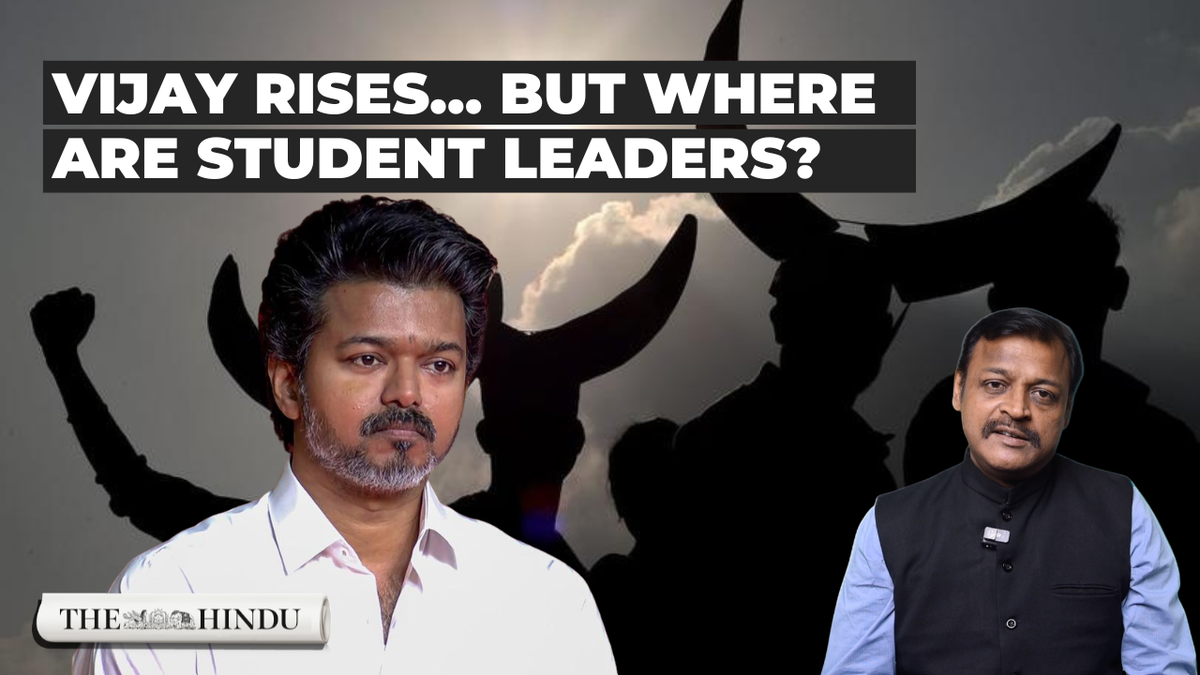
Vijay's Political Rise vs Silent Tamil Nadu
Actor Vijay's popularity surges across Tamil Nadu even as campus student politics fades, raising fresh questions about youth engagement and future power.
US Politics
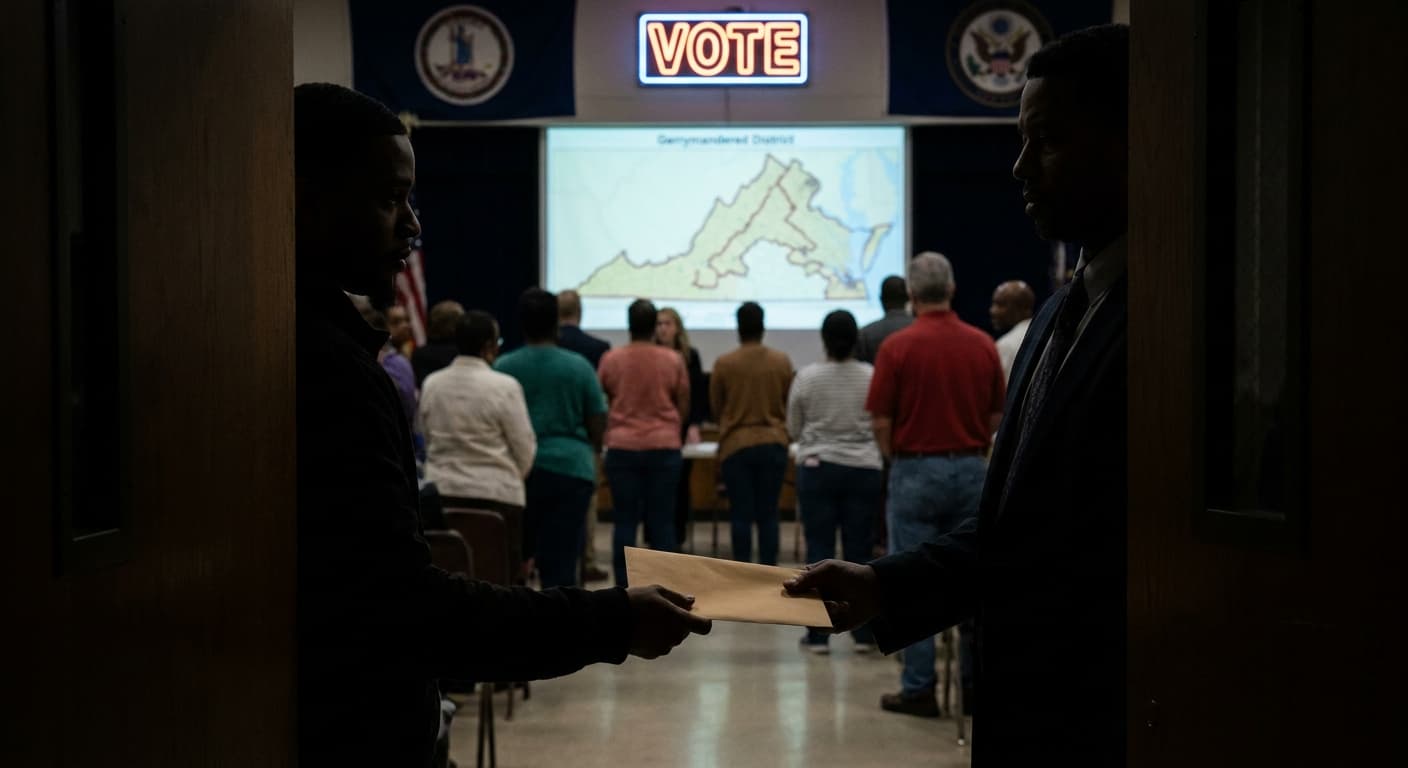
Virginia's Redistricting Referendum
Virginia's redistricting referendum is drawing a flood of dark money, shaping future elections and the fight for congressional control amid party stakes.

US Politics
US Military Funding Request for Iran Looms
The White House Budget Director signals a formal funding request for military operations against Iran, foreshadowing rising tensions and congressional clashes.

Conflict & Security
Drone Warfare Killing Aid Workers at Unprec
Over 1,000 humanitarian workers killed in three years as cheap armed drones collapse legal protections. Gaza, Sudan, Ukraine, and DRC see deliberate targeting of aid convoys and hospitals with zero prosecutions.