

Russia's Political Support for Iran
3 min readMiddle East

Exploring Russia's diplomatic role in Iran's defense strategy
Russia’s Most Valuable Delivery to Iran Is Political Cover
Putin is giving Tehran immediate value: diplomatic cover, mediation channels and bargaining leverage that matter now more than future arms deliveries.
Russia holds the leverage here because Moscow can help Tehran politically without committing to save it militarily. When Iranian Foreign Minister Abbas Araghchi met Vladimir Putin in St. Petersburg on April 27, Putin publicly praised Iran and pledged continued Russian support as Tehran sought outside backing during its war with the United States and Israel. That is the asset Iran needs most urgently: not another weapons contract, but a great-power patron willing to legitimize its position, carry messages and complicate U.S.-Israeli coercion at low cost to itself. Putin praises Iranian ‘courage’ as Tehran’s foreign minister visits Russia
Iran's foreign minister meets Putin in Russia, as Trump reviews Iranian proposal
Why politics matters more than hardware
The military story is real, but slower. Reuters reported in February that Iran had agreed to a secret €500 million deal for Russian Verba shoulder-fired missile systems, with deliveries planned only from 2027 to 2029. That is a signal of long-term defense cooperation, not immediate wartime relief. Iran agreed secret shoulder-fired missile deal with Russia, FT reports
By contrast, Russian diplomatic backing works now. Putin has said Russia is ready to help mediate and has shared proposals with Iran, Israel and the United States over the conflict and Iran’s nuclear program. For Tehran, that creates negotiating space and reduces isolation. For Moscow, it restores relevance in a crisis where it can pose as broker rather than belligerent. That is the real power transaction behind this latest round of International diplomacy.
Putin offers to help mediate the Iran-Israel conflict
Moscow’s support has clear limits
Iran should not mistake political cover for an alliance. The January 17, 2025 Russia-Iran comprehensive strategic partnership expanded cooperation across trade, defense, intelligence and transit links, but it did not include a mutual defense clause. That is the key structural fact: Russia is free to support Iran rhetorically while avoiding direct war obligations. Where are Iran’s allies? Why Moscow, Beijing are keeping their distance
That limitation suits the Kremlin. AP reports that Moscow has condemned Israeli strikes and backed Tehran politically while still trying to preserve working ties with Israel and its broader regional role. Russia gains leverage with all sides; Iran gains a diplomatic shield; the United States and Israel face a more crowded negotiating field. But Moscow is still balancing, not choosing. Russia walks a fine line in the Middle East, balancing ties with Israel and Iran
What to watch next
Watch whether Russia converts public backing into a formal mediation track in the next U.S.-Iran contact, and whether Tehran uses Moscow to press for relief around Hormuz and blockade terms rather than just military resupply. Also watch for any shift from delayed arms contracts to faster transfers of air-defense or intelligence support. If none comes, this episode will confirm the core reality of this Conflict: Russia’s most valuable export to Iran is not firepower, but strategic cover.
Keep reading
International Relations
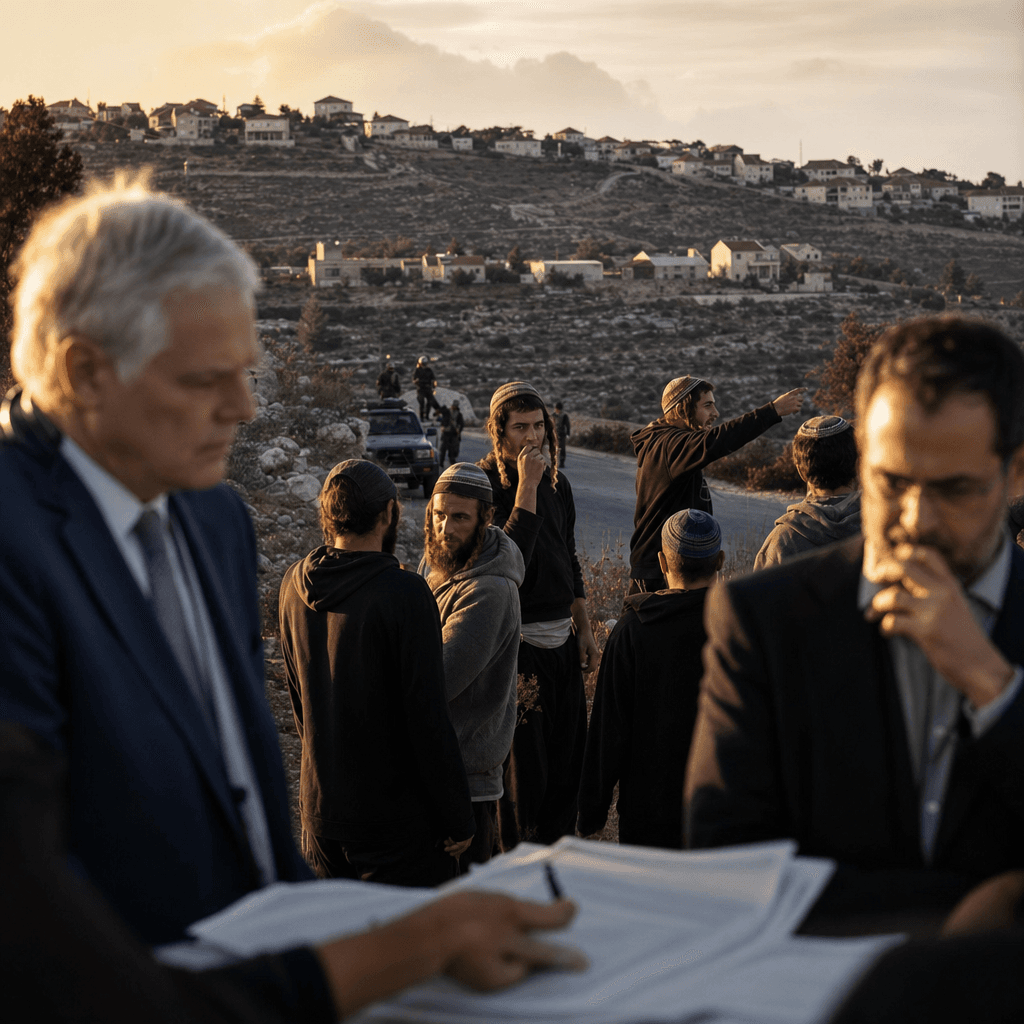
Western Allies Sanction Settlers in West Bank
Western allies impose sanctions on settlers, but critics say it avoids state accountability.
International Relations
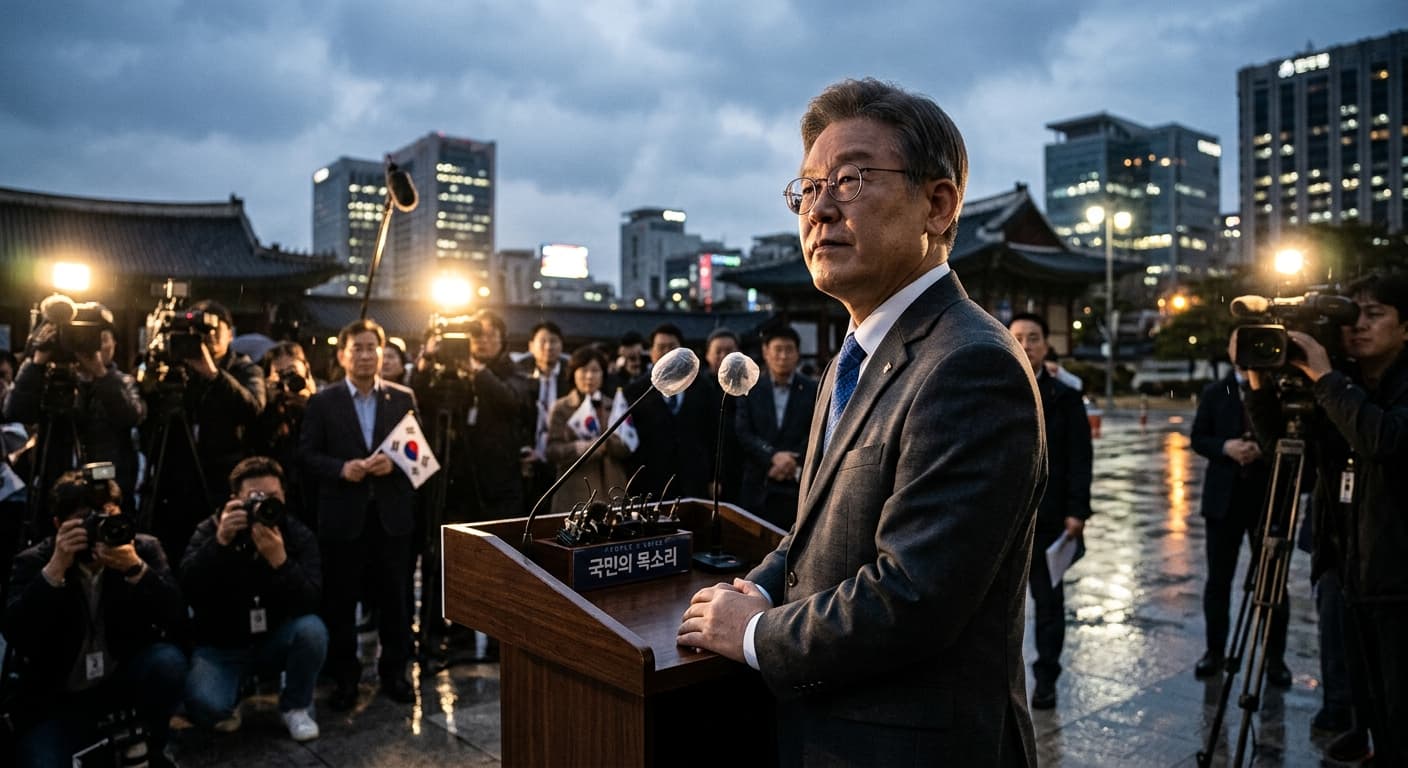
Lee Jae-myung’s Reset: Can Seoul Escape?
Lee Jae-myung's presidency faces trials amid a polarized electorate and legal issues.
International Relations
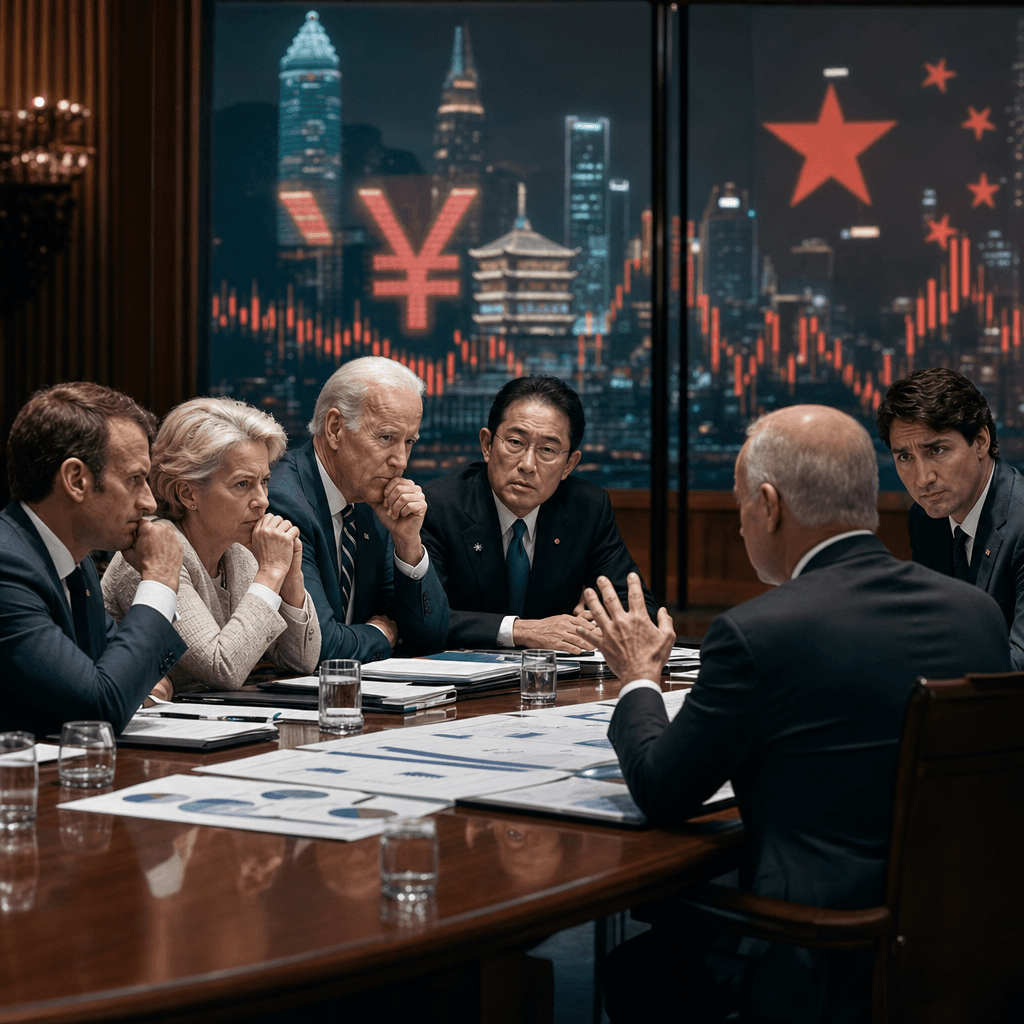
G-7 Faces Reckoning Over China’s Currency
G-7 leaders confront China's currency subsidies amid trade imbalance concerns.