Lee Jae-myung’s Reset: Can Seoul Escape?
President Lee Jae-myung navigates challenges in South Korea.
Model Diplomat3 min readAsia
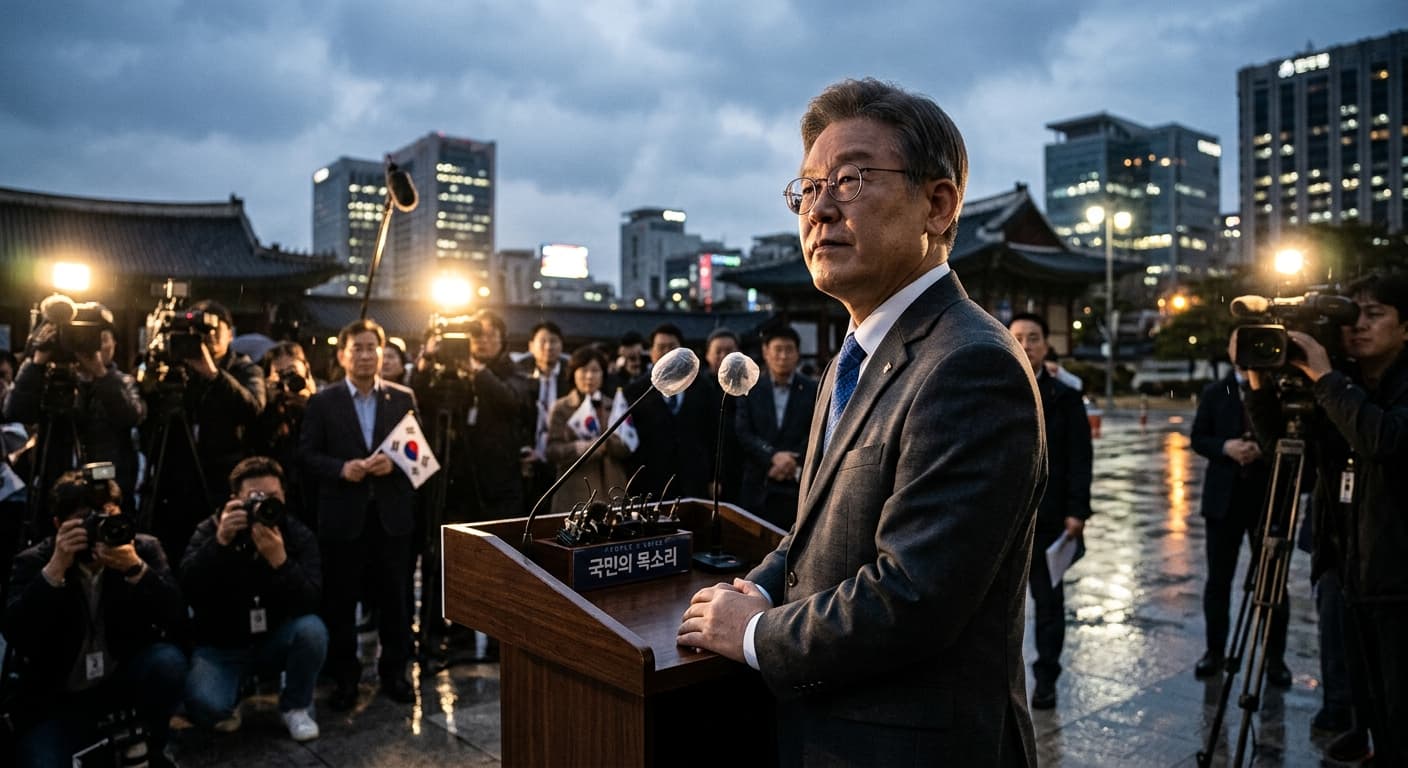
Lee Jae-myung’s Reset: Can Seoul Escape the 'Blue House Curse'?
One year after taking power, President Lee Jae-myung has stabilized South Korea's democracy, but domestic trials and Trump still loom.
One year after securing a decisive snap election victory, South Korea's President Lee Jae-myung is attempting to project an era of "normalization" from inside the historic Blue House. In a wide-ranging interview with
The Economist, Lee declared his administration had successfully steered the country back on track following the chaotic collapse of his predecessor Yoon Suk-yeol's brief, disastrous attempt to impose martial law in December 2024. Having moved back into the traditional presidential residence—which Yoon had pointedly vacated—Lee has used his high public approval rating of around 60% to project executive stability, according to
The Economist's podcast. Yet underneath this apparent calm lies a deeply divided electorate and unresolved institutional trials, which could still derail his presidency.
Navigating Trump and North Korea
In foreign policy, Lee's immediate objective is managing a volatile geopolitical landscape in Global Politics. Rather than resisting Washington's transactional pressure, Seoul has traded higher defense spending for major nuclear concessions, securing a vital strategic upgrade. As detailed by
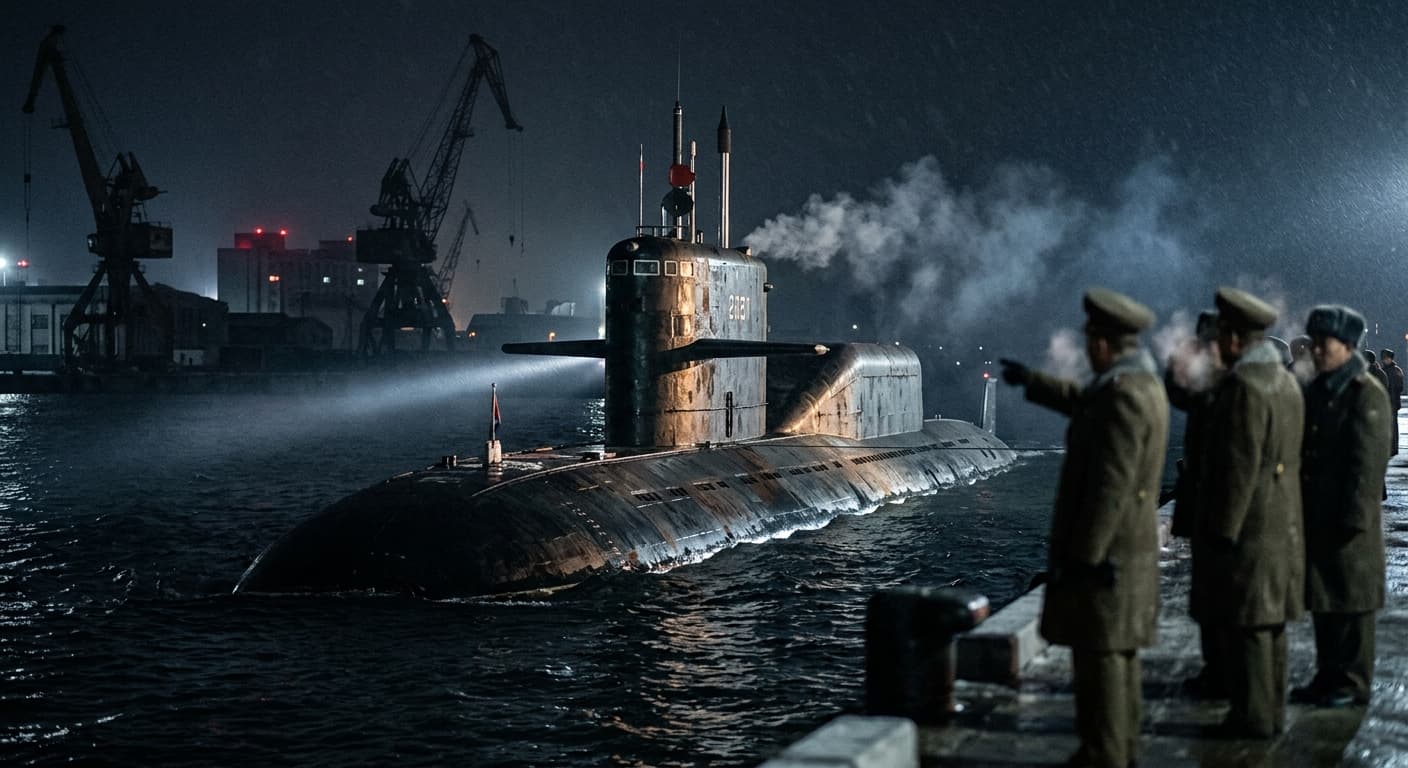
The Economist, Lee obtained Donald Trump's blessing for South Korea to build its own nuclear-powered submarines and reprocess its own nuclear fuel. This agreement bolsters South Korea's defense independence at a time when North Korea refuses to negotiate denuclearization. This bilateral security realignment benefits South Korea's defense industrial players, but it risks aggravating Beijing. Lee must maintain this precarious balance as South Korea's critical trade dependencies remain exposed in the ongoing US-China tech war.
A Polarized Electorate and the Housing Crisis
Lee's domestic lever of power is fragile, built on the back of public fury over Yoon's "self-coup" rather than a broad consensus on his progressive policies. According to BBC News, the June 2025 snap election saw a record turnout of 79.4%, fueled by intense polarization. While Lee has initiated a sweeping government-wide purge of officials who complied with Yoon's short-lived military decrees,
NPR reports that 77% of citizens believe polarization has worsened since the crisis. Additionally, Lee's political legacy relies on cooling Seoul’s hyper-inflated property market, which he has labeled the "fountainhead of all problems" and targeted as his signature domestic initiative, as reported by
The Economist.
What to Watch Next: The Curse of the Blue House
The defining next move for South Korea's political stability rests on whether Lee can outrun his own legal vulnerabilities. Although the Supreme Court postponed his trial on election law violation charges to avoid election interference, these criminal charges are merely frozen while Lee holds office, as noted by Al Jazeera. Post-democratic South Korean politics features a notorious cycle of retrofitted justice; more than half of its former presidents have ended up jailed or impeached, with ex-president Yoon currently serving a life sentence for insurrection after his February 2026 sentencing, as reported by
BBC News. Observers should watch the upcoming local elections and the intermediate movement of Lee's constitutional reform bill, which proposes changing the presidency to two four-year terms to break the cycle of executive vulnerability.
Discover more
Global Politics
North Korea's Nuclear Navy Developments
North Korea's commissioning of the destroyer Choe Hyon marks a decisive shift toward a nuclear navy, raising maritime security concerns for South Korea.

India
India, South Korea Forge Five-Year Plan
India and South Korea have agreed on a five-year partnership plan to deepen trade and defense cooperation, strengthening strategic and economic regional ties.

India
India-South Korea $50B Trade Expansion Plan
India and South Korea target $50 billion in bilateral trade by 2030, focusing on industrial cooperation and strategic alignment amid US pressures.

Conflict & Security
Drone Warfare Killing Aid Workers at Unprec
Over 1,000 humanitarian workers killed in three years as cheap armed drones collapse legal protections. Gaza, Sudan, Ukraine, and DRC see deliberate targeting of aid convoys and hospitals with zero prosecutions.