Russia's Oreshnik Threat
Kyiv warns of impending Oreshnik missile strike from Moscow.
Model Diplomat3 min readEurope
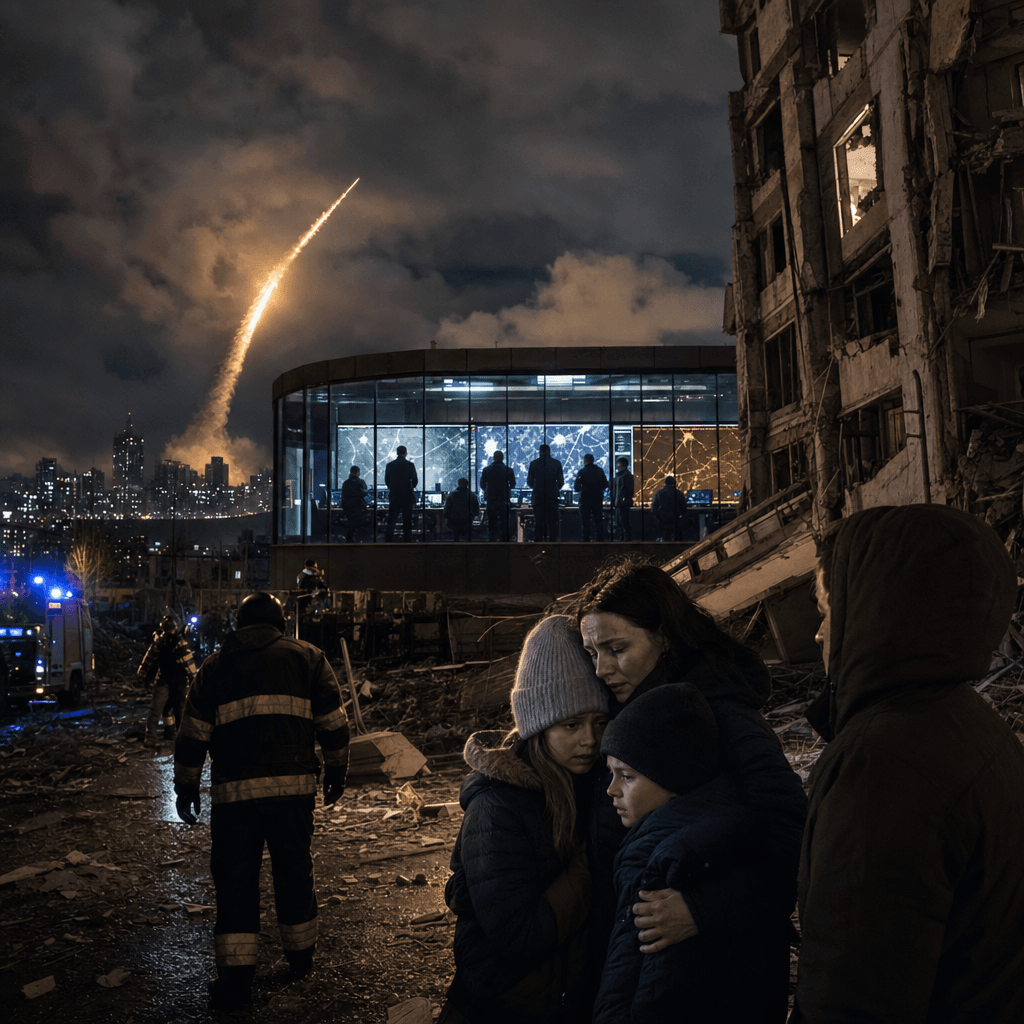
Russia’s Oreshnik Threat Raises the Cost of Escalation
Kyiv says Moscow is preparing another Oreshnik strike, using the missile’s fear factor to pressure Ukraine and Western backers.
Russia is preparing a strike against Ukraine with a hypersonic Oreshnik ballistic missile, Volodymyr Zelenskyy said Saturday, citing intelligence from Ukraine, the U.S. and Europe, according to Reuters. Zelenskyy said Kyiv sees signs of a combined strike involving several weapons, including intermediate-range systems, and he named Kyiv as a likely target. For readers tracking
Global Politics, the point is not just another air-raid warning: Moscow is using the missile itself as leverage.
Moscow is weaponizing fear, not just firepower
The Oreshnik matters because Russia has wrapped it in a deterrent narrative. Putin has boasted the missile is impossible to intercept because of its reported speed of more than 10 times the speed of sound, Reuters reported. Moscow first used it in November 2024 against what it said was a military factory, and again in January 2026 in Ukraine’s Lviv region, Reuters said. In the current warning, the weapon’s value is psychological as much as military: it is meant to suggest that even hardened defenses may not be enough.
That is a useful message for the Kremlin. If Russia can convince Ukraine and its partners that a limited number of high-end missiles can break air defenses, it gains room to escalate without having to deliver a battlefield breakthrough. The immediate loser is Ukraine’s air-defense margin: every warning forces Kyiv to disperse scarce interceptors, raise alert levels, and keep civilians under constant shelter orders. In Conflict, that is how coercion works in a grinding war — by exhausting the defender’s decision space.
Kyiv is turning the warning into alliance pressure
Zelenskyy is also using the threat to push the West. Reuters reported that he argued the use of such weapons “sets a global precedent for other potential aggressors,” making the case that this is not just a Ukraine problem but a test of how far missile intimidation can go before it is normalized. That framing is aimed at Washington and European capitals, where the real question is whether they treat the warning as a one-off escalation or as evidence that Russia is again probing the limits of allied support.
The timing matters. Reuters said Putin ordered his military to prepare retaliation options after a drone strike on a student dorm in Russian-controlled Luhansk, an attack Ukraine’s military denied carrying out. That means Moscow is pairing an alleged grievance with a high-profile missile threat — a classic escalation ladder designed to put Kyiv on the defensive and force its backers to react on Russia’s timetable.
A separate warning from the U.S. embassy in Kyiv underscores that the alert is being treated seriously beyond Ukraine. Hindustan Times, citing AFP, reported that the embassy told U.S. citizens to be ready to shelter immediately and said a “potentially significant air attack” could occur within 24 hours. That does not confirm the strike will happen, but it does show that official alarms are rising in parallel with Zelenskyy’s warning.
What to watch next
The next decision point is whether Russia follows its warning with an actual Oreshnik launch — and whether that launch is paired with drones or cruise missiles to overwhelm defenses. The next public signal should come from air-raid alerts over Kyiv and from any fresh embassy advisories in the next 24 hours, as reported by Reuters and
Hindustan Times. If the strike does not come, the threat still serves Moscow’s purpose: keeping Ukraine under pressure and forcing its partners to spend attention, interceptors, and political capital on a war that remains defined by escalation management, not resolution.
Discover more
Global
Kyiv's Empty Quiver: Ankara Summit on NATO
As Russia strikes Kyiv, NATO's Ankara summit must address Ukraine's urgent air defense needs amid dwindling interceptor supplies.

India
Russia's Balancing Act with India and China
Russia's deepening dependence on China is straining its long-standing strategic partnership with India, exposing the limits of Moscow's balancing act in Asia.
Conflict & Security
Russia Encircles Konstantinovka—Key to Donbas
Russia's encirclement of Konstantinovka could unlock the wider Donbas for further advances, marking a pivotal moment in its grinding eastern offensive.
Conflict & Security
Ukraine's Energy Offensive Hits Crimea
Ukraine's drone campaign is disrupting Russian fuel supplies and forcing rationing in Crimea, turning energy infrastructure into a key front of the war.