Russia’s Oreshnik Strike Tests Ukraine's Def
Kyiv faces pressure as Russia escalates attacks.
Model Diplomat3 min readEurope
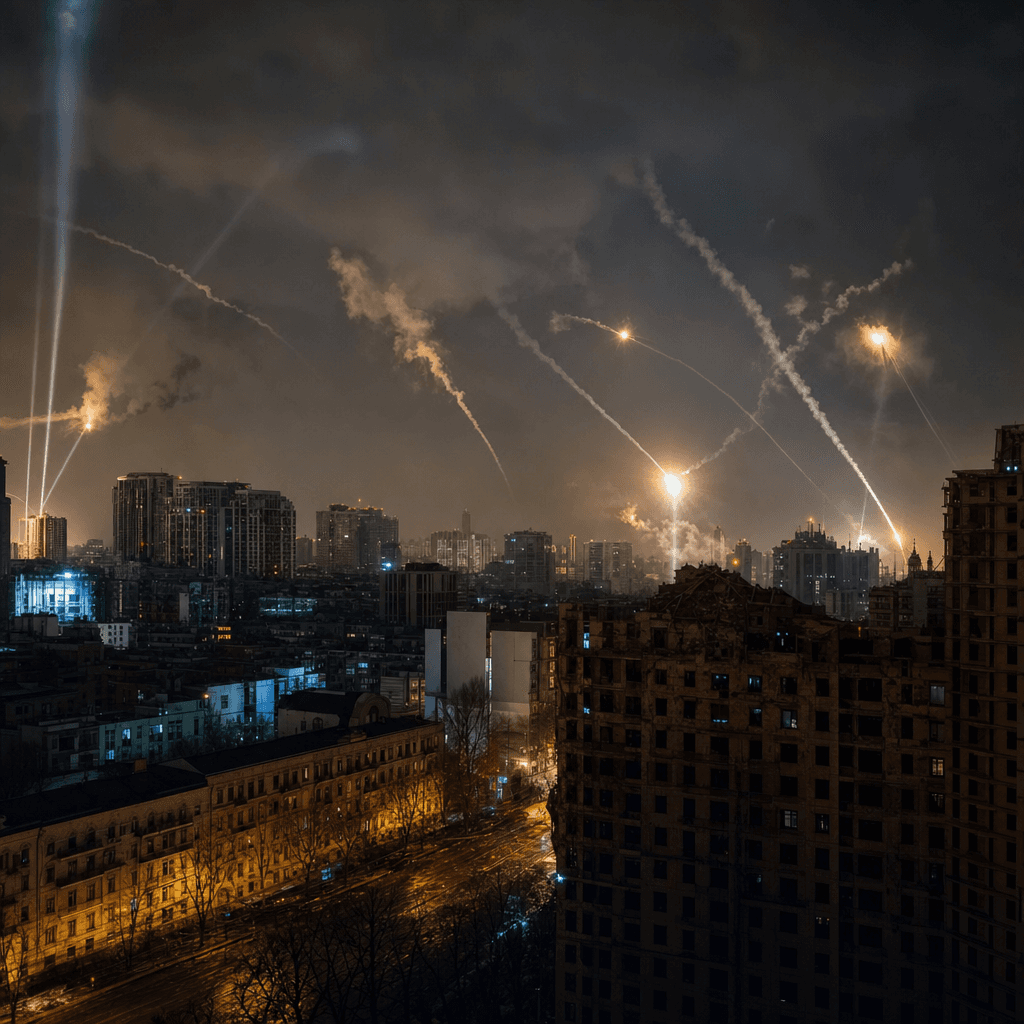
Russia’s Oreshnik strike on Kyiv tests Ukraine’s defenses
Kyiv says Moscow fired a hypersonic Oreshnik in a huge overnight assault, signaling escalation pressure as Ukraine pushes allies for more air defenses.
Russia is using one of its most politicized weapons to do more than hit targets: it is trying to prove that Kyiv is vulnerable. Ukraine said Russia hit the capital with a hypersonic Oreshnik ballistic missile as part of a mass overnight strike, while the Russian defense ministry said the attack was against military targets and was retaliation for Ukrainian “terrorist attacks” inside Russia (The Guardian;
EFE).
The strike is about leverage, not just destruction
The scale matters. Ukraine’s air force said Kyiv was the “primary target” in an overnight assault involving 690 aerial attack systems, including drones and missiles; EFE reported 54 cruise missiles and more than 30 ballistic missiles were launched, with the Oreshnik system among them (EFE). Kyiv authorities said two people were killed and 69 injured in the capital, while Zelenskyy said nearly 100 were injured across the country and four died overall (
EFE).
That is the power dynamic: Russia is betting that repeated, layered strikes can stretch Ukrainian air defenses, exhaust interceptor stocks, and force political concessions. The Oreshnik is particularly useful for that message because Moscow has framed it as fast and difficult to intercept. Zelenskyy’s warning on Saturday that Russia might be preparing to use the weapon in a combined attack on Kyiv now looks like an early read on Russian intent, not alarmism (ERR).
Moscow is signaling escalation dominance
The choice of weapon also tells us what Russia wants from the strike: psychological effect. Zelenskyy said the attack damaged “dozens of residential buildings and several schools,” while the Chernobyl Museum was “virtually destroyed” and the National Art Museum was also hit (EFE). That is not just military signaling; it is a message to Ukrainians and to Western capitals that Russia can still reach the center of power in the country.
This is why the attack matters beyond the casualty count. Germany’s Friedrich Merz condemned the strike as an escalation, and Ukraine’s foreign minister Andrii Sybiha used the moment to push for more air defense systems, more investment in Ukraine’s defense industry, tougher sanctions, and stronger political decisions on EU accession (EFE). In other words, Moscow’s demonstration is also a lobbying event for Kyiv.
What to watch next
The next decision point is whether this strike changes Western behavior or just confirms an existing pattern. Watch for three things: whether Ukraine publishes a fuller battle damage assessment confirming Oreshnik debris; whether Germany, the U.S., and other allies announce additional air-defense transfers; and whether Russia follows up with another combined strike, which would show this was a repeatable tactic rather than a one-off escalation.
If Moscow can fire Oreshnik into Kyiv and absorb the diplomatic cost, the real target is not a building — it is the alliance’s willingness to keep paying for Ukraine’s air shield. See Conflict and
International.
Discover more
Global
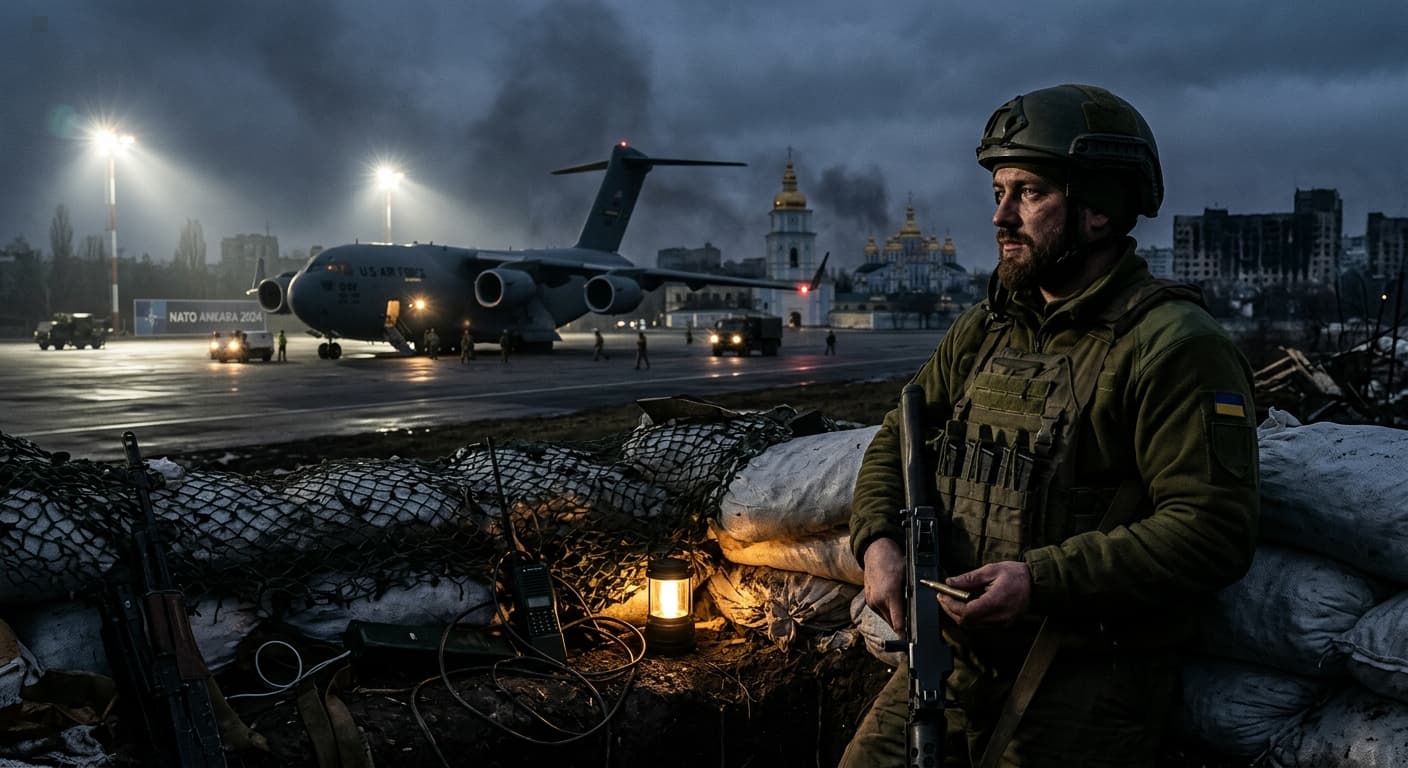
Kyiv's Empty Quiver: Ankara Summit on NATO
As Russia strikes Kyiv, NATO's Ankara summit must address Ukraine's urgent air defense needs amid dwindling interceptor supplies.

India
Russia's Balancing Act with India and China
Russia's deepening dependence on China is straining its long-standing strategic partnership with India, exposing the limits of Moscow's balancing act in Asia.
Conflict & Security
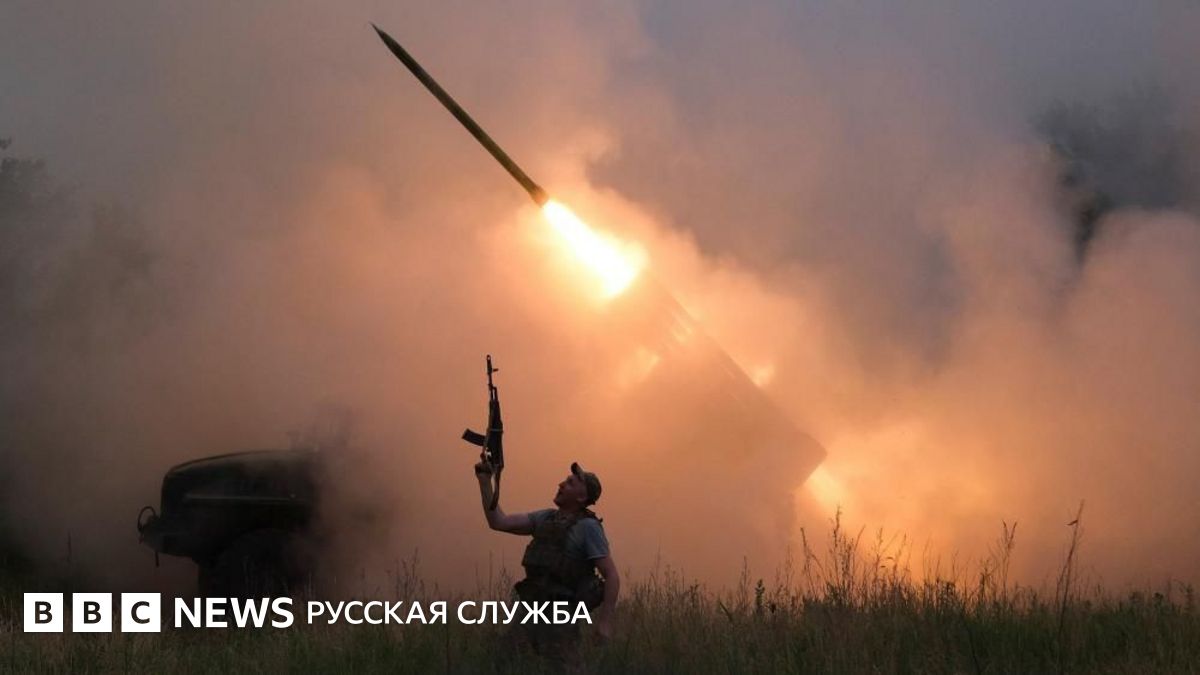
Russia Encircles Konstantinovka—Key to Donbas
Russia's encirclement of Konstantinovka could unlock the wider Donbas for further advances, marking a pivotal moment in its grinding eastern offensive.
Conflict & Security
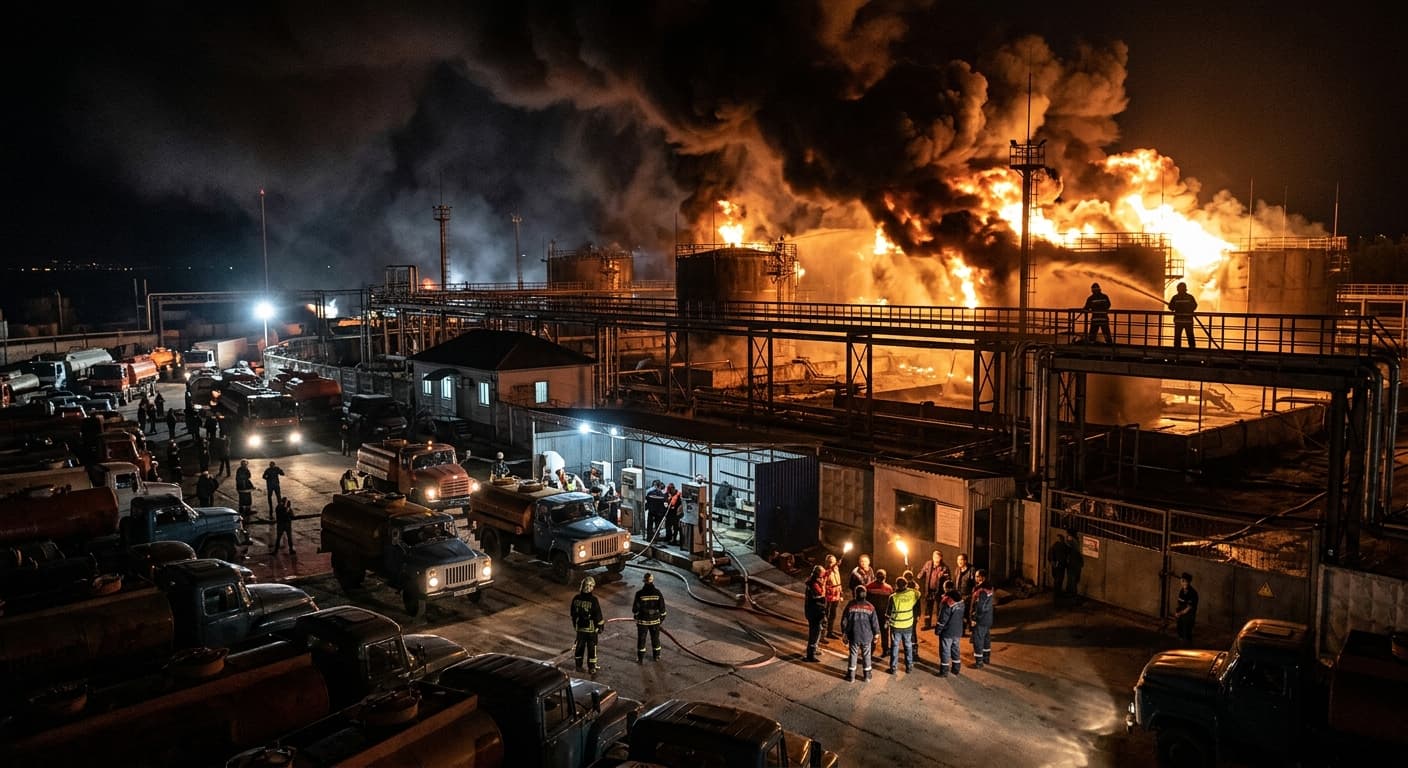
Ukraine's Energy Offensive Hits Crimea
Ukraine's drone campaign is disrupting Russian fuel supplies and forcing rationing in Crimea, turning energy infrastructure into a key front of the war.