Russia's Kyiv Strike: Coercion Over Momentum
Moscow's long-range fire pressures Ukraine amid slow land offensive.
Model Diplomat3 min readEurope
Russia’s Kyiv Strike Shows Coercion, Not Battlefield Momentum
A new barrage on Kyiv shows Moscow still uses long-range fire to pressure Ukraine, even as its land offensive slows further.
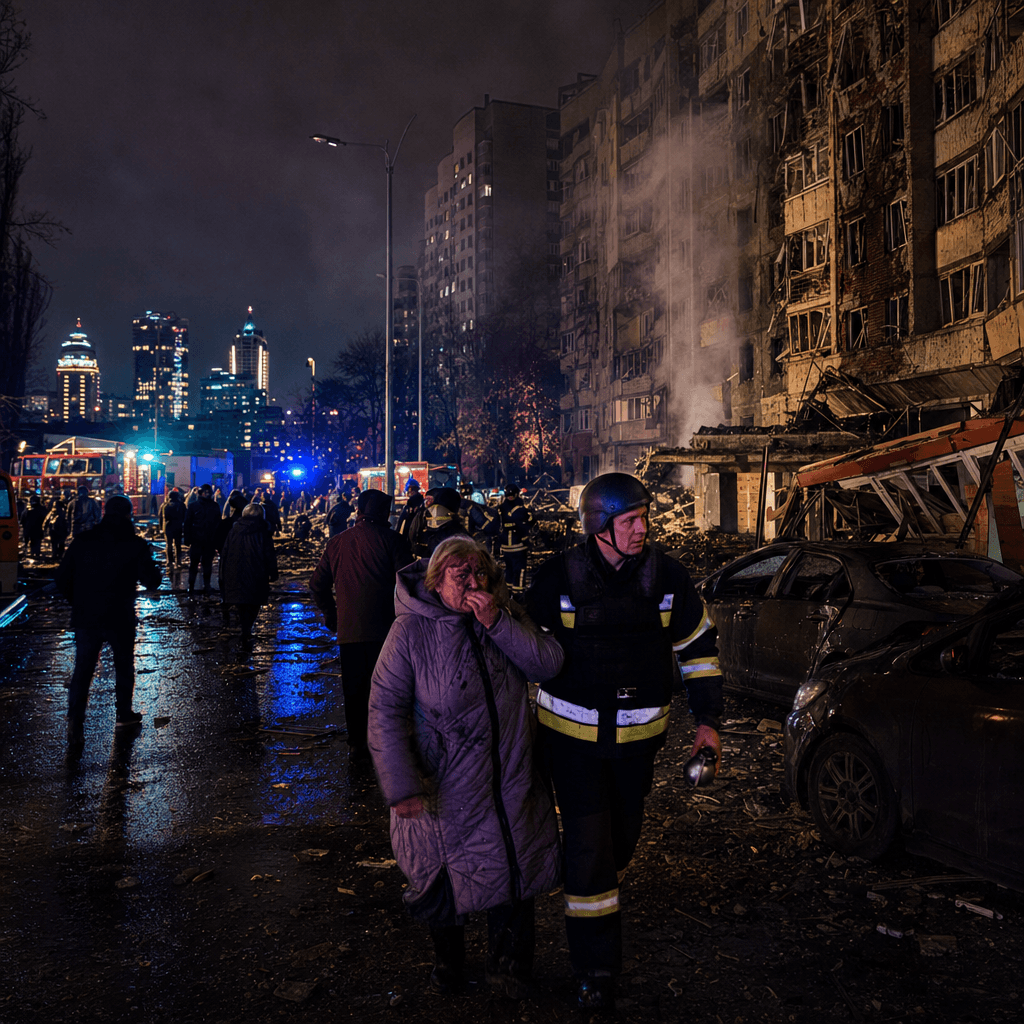
Russia’s latest strike on Kyiv shows it still has the ability to shape the war from distance, even if it cannot win quickly on the ground. BBC News عربي reported that the capital came under a heavy missile-and-drone attack early Sunday, with explosions across the city, at least three people injured, a school damaged, and air-raid alerts activated nationwide. Ukrainian officials told residents to remain in shelters, and the U.S. embassy had warned of a possible strike within the next 24 hours (
BBC News عربي;
CNN Arabic).
Moscow is betting on fear, not advance
The timing matters because the attack followed Ukrainian warnings that Russia might use its Oreshnik ballistic missile, a system Moscow first used against Ukraine in 2024 and again in January 2026 against a military facility in western Ukraine, according to BBC’s reporting. BBC said the weapon is designed to carry multiple warheads and reach roughly 5,500 kilometers at very high speed, which makes it a political tool as much as a military one: the point is not just destruction, but forced alarm, disrupted routines, and the image of an enemy that can still reach the capital (BBC News عربي;
Masrawy).
That is the core Kremlin leverage now. When land gains are slow, the air war becomes the pressure point. Al Jazeera reported this week that Russia’s advance in eastern Ukraine has slowed sharply, while Kyiv says Russian losses this year have been heavy. In that context, missile and drone strikes do not solve Moscow’s battlefield problem; they keep Ukraine and its partners off balance.
Why Kyiv’s partners should care
For Kyiv, the damage is cumulative. Every wave of missiles and drones forces Ukraine to spend scarce interceptors, scramble civil defense systems, and keep the capital operating under repeated alerts. It also keeps Western governments in the loop on a simple strategic message: if they want to limit Russian escalation, they need to keep air defense supplies moving and sanctions pressure in place. That is why Zelenskyy’s public warning about a possible larger strike landed before this attack and why Ukraine continues to frame the air war as a test of Western resolve (BBC News عربي;
Al Jazeera).
The other side of the ledger is Ukraine’s own escalation. Al Jazeera reported that Kyiv has been striking Russian refineries and military-industrial targets, including sites around Moscow and in the Russian interior. That does not change the basic asymmetry, but it does show Ukraine is trying to widen the cost of war for the Kremlin. For the broader strategic frame, see
Conflict and
Global Politics.
What to watch next
Watch the next 24 hours for any Russian follow-through on the Oreshnik threat and for whether Kyiv can keep the capital functioning after another night of alerts. The more important test comes after that: whether Washington and European capitals translate the strike into more interceptors and tighter sanctions, or let Moscow normalize these salvos as background noise. If Russia fires again, the war will have moved one step farther from the front line and one step closer to a coercion campaign aimed at Ukraine’s cities and Europe’s sense of risk.
Discover more
Global
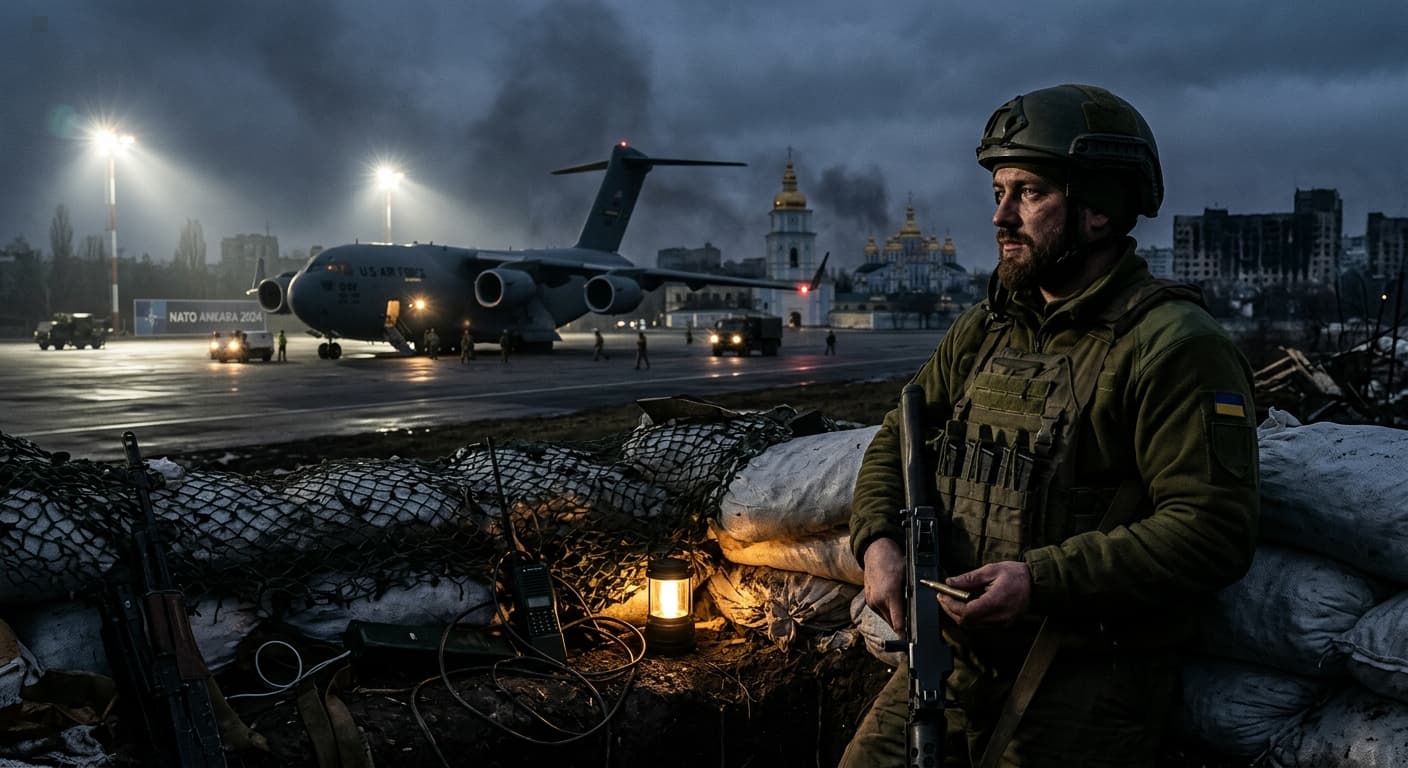
Kyiv's Empty Quiver: Ankara Summit on NATO
As Russia strikes Kyiv, NATO's Ankara summit must address Ukraine's urgent air defense needs amid dwindling interceptor supplies.

India
Russia's Balancing Act with India and China
Russia's deepening dependence on China is straining its long-standing strategic partnership with India, exposing the limits of Moscow's balancing act in Asia.
Conflict & Security
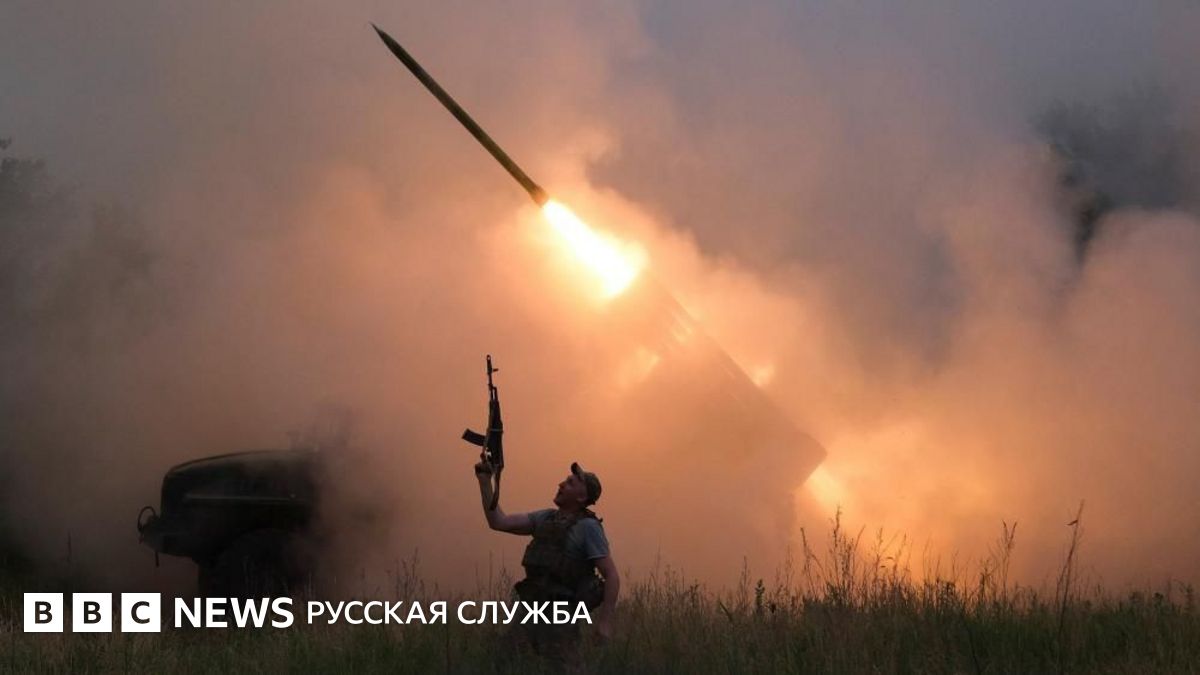
Russia Encircles Konstantinovka—Key to Donbas
Russia's encirclement of Konstantinovka could unlock the wider Donbas for further advances, marking a pivotal moment in its grinding eastern offensive.
Conflict & Security
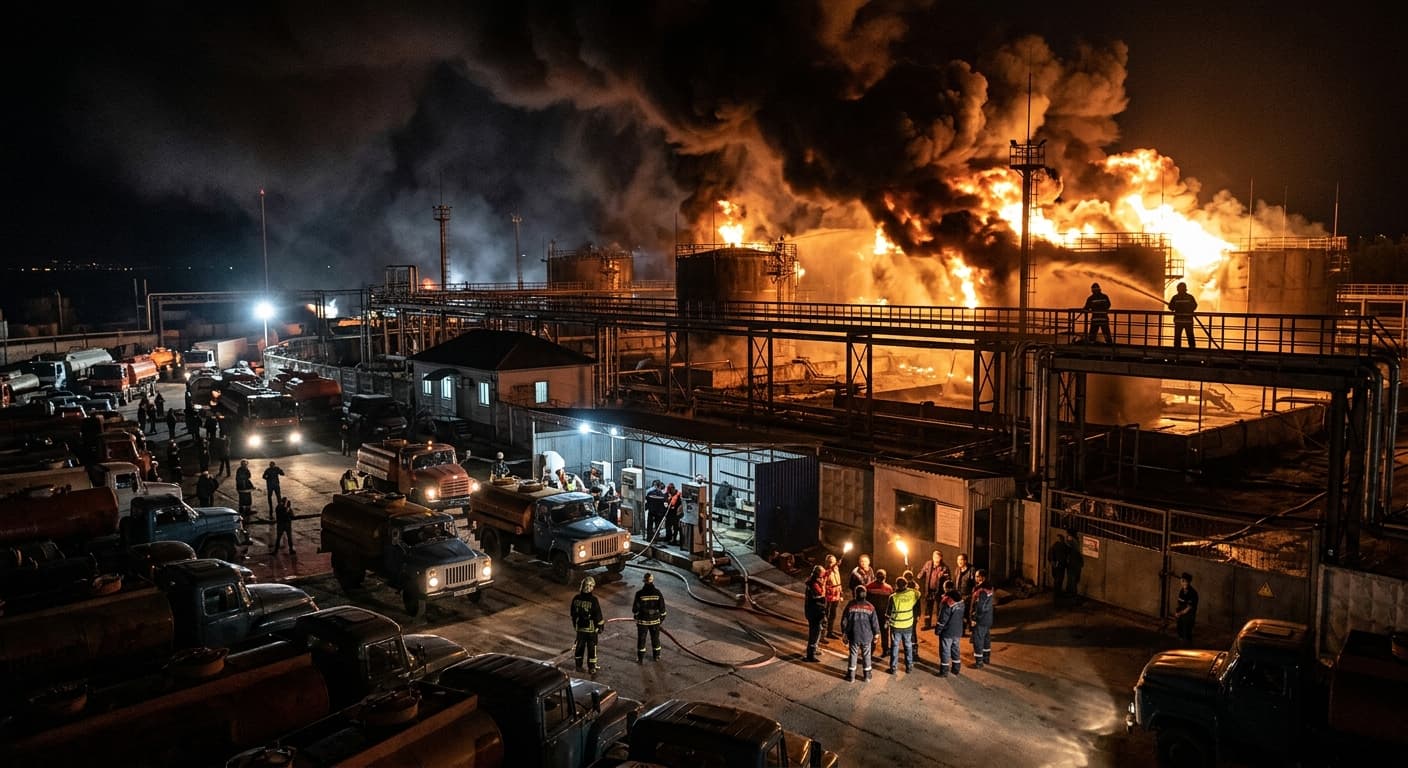
Ukraine's Energy Offensive Hits Crimea
Ukraine's drone campaign is disrupting Russian fuel supplies and forcing rationing in Crimea, turning energy infrastructure into a key front of the war.