Russia Threatens Kyiv With Systematic Strikes
Moscow warns foreigners to leave Kyiv amid drone campaign escalation.
Model Diplomat3 min readEurope
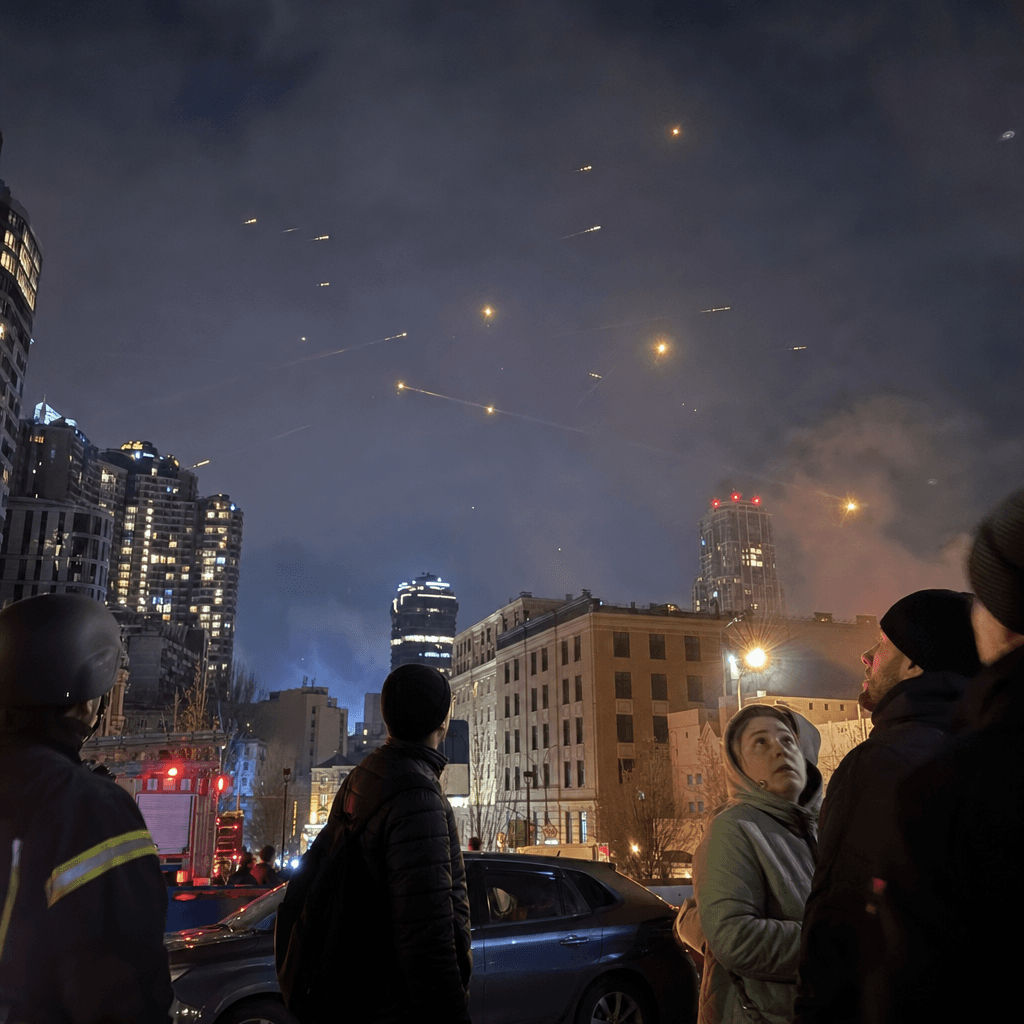
Russia Threatens Kyiv With ‘Systematic Strikes’ After Drone Hit
Москва is using a warning to foreigners in Kyiv to amplify an escalation signal after Ukraine’s drone campaign and a deadly strike in occupied Luhansk.
Russia has told foreign citizens, including diplomats and international staff, to leave Kyiv as it prepares a “series of systematic strikes” on facilities it says support Ukraine’s drone war, Al Jazeera reported, citing the Russian foreign ministry and defence ministry Al Jazeera. The message is not primarily about evacuation logistics. It is leverage: Moscow is telegraphing that it can raise the cost of staying in the capital, while trying to frame its next wave of attacks as retaliation for a Ukrainian drone strike in Starobilsk, occupied Luhansk, that Russia says killed at least 18 people
Al Jazeera.
Why Moscow is escalating now
The power dynamic is straightforward. Russia wants to blunt Ukraine’s recent gains in long-range drone warfare, which have hit Russian energy and military infrastructure and forced the Kremlin onto the back foot in the information war Al Jazeera. Kyiv’s expanding drone reach has been a real cost-imposer, and Moscow is answering in the one domain where it still retains overwhelming advantage: mass missile and drone strikes on Ukrainian cities
Al Jazeera.
That is why the warning to leave Kyiv matters. It is designed to create a second-order effect beyond the battlefield: pressure on embassies, international organisations, insurers, and Ukrainian civil authorities to assume a higher threat level in the capital. Ukraine’s foreign minister, Andrii Sybiha, called on allies not to give in to “Russian blackmail,” according to Reuters’ reporting carried by Al Jazeera Al Jazeera. That tells you the real target is not only Ukrainian infrastructure; it is also the confidence of the foreign presence in Kyiv.
The battlefield message is bigger than Kyiv
Russia’s threat lands after a weekend of heavy attacks that multiple outlets described as among the most intense on the capital in months. The BBC reported that Vladimir Putin ordered retaliation after accusing Ukraine of hitting a student dormitory in Starobilsk, while Ukraine said it had struck a drone command unit there BBC. The Guardian said Russia also confirmed the use of its Oreshnik hypersonic ballistic missile for a third time in the war, underscoring that Moscow is willing to pair conventional saturation with strategic signalling
The Guardian.
This matters because Russia is not just trying to punish Ukraine; it is trying to restore deterrence after losing it. Ukraine’s drone strikes have shown Moscow that depth is no longer protection. Russia’s answer is to remind Kyiv — and foreign capitals — that escalation can still be made visible, immediate, and politically disruptive Reuters via Al Jazeera
The Guardian.
What to watch next
The next decision point is simple: whether Russia follows the warning with a sustained strike campaign on Kyiv-linked industrial sites, or uses the threat mainly to shape perception. Watch the next 24–72 hours, when air-defence alerts, embassy advisories, and any further Oreshnik use will tell you whether Moscow is escalating tactically or trying to coerce diplomatically. For broader tracking, this sits at the intersection of Conflict and
Global Politics.
Discover more
Global
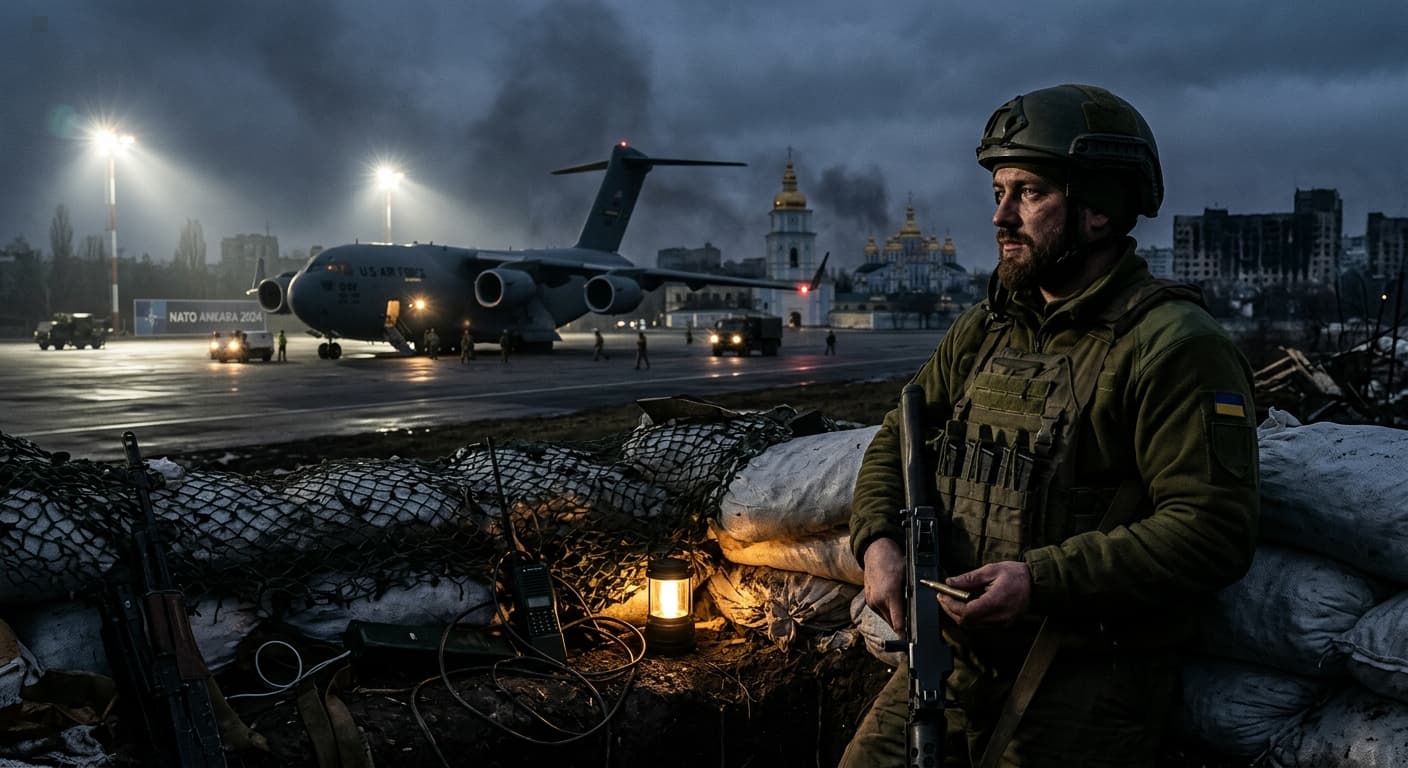
Kyiv's Empty Quiver: Ankara Summit on NATO
As Russia strikes Kyiv, NATO's Ankara summit must address Ukraine's urgent air defense needs amid dwindling interceptor supplies.

India
Russia's Balancing Act with India and China
Russia's deepening dependence on China is straining its long-standing strategic partnership with India, exposing the limits of Moscow's balancing act in Asia.
Conflict & Security
Russia Encircles Konstantinovka—Key to Donbas
Russia's encirclement of Konstantinovka could unlock the wider Donbas for further advances, marking a pivotal moment in its grinding eastern offensive.
Conflict & Security
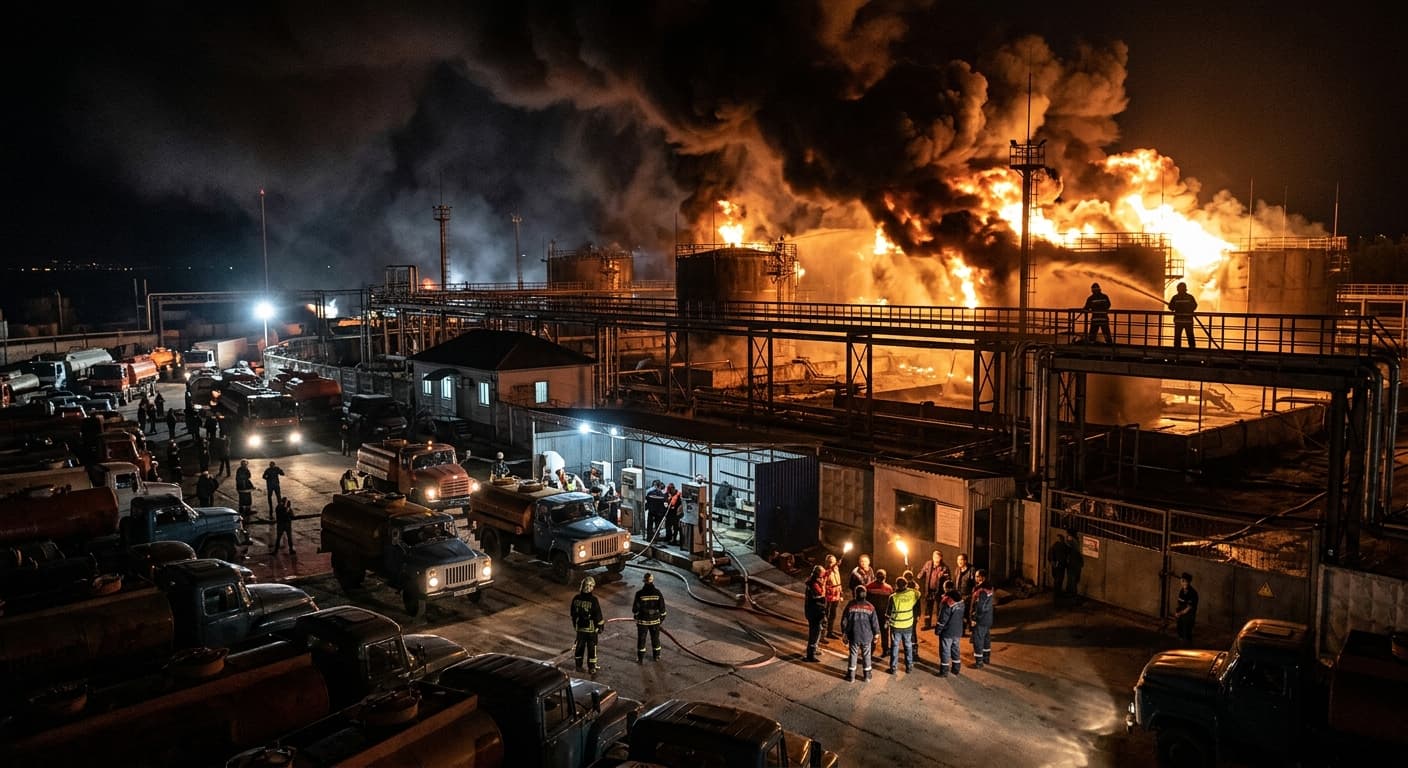
Ukraine's Energy Offensive Hits Crimea
Ukraine's drone campaign is disrupting Russian fuel supplies and forcing rationing in Crimea, turning energy infrastructure into a key front of the war.