Russia Jams Healey’s RAF Jet on NATO’s Edge
Signal interference highlights Russia's reach into NATO airspace.
Model Diplomat3 min readEurope
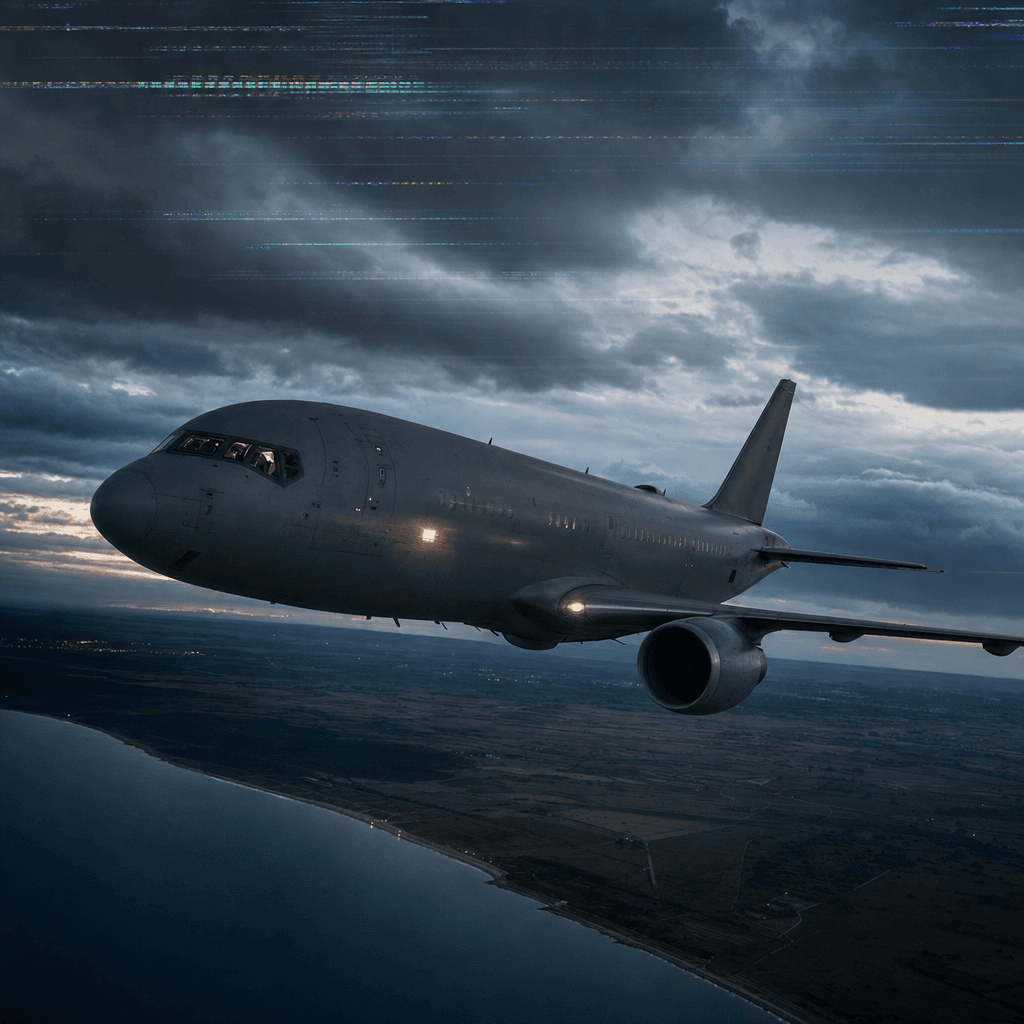
Russia Jams Healey’s RAF Jet on NATO’s Eastern Edge
Signal interference on a UK defence secretary’s flight shows Russia can still reach into NATO airspace and turn routine travel into a political warning shot.
An RAF aircraft carrying Defence Secretary John Healey had its signal jammed on Thursday as it flew back from Estonia, near the Russian border, forcing pilots to switch navigation systems during the three-hour flight, according to the BBC. The UK says Russia is believed to be behind the incident; the Ministry of Defence later said the jet was an RC-135W Rivet Joint on a routine mission operating in international airspace, and that the government had formally raised the episode with the Russian Embassy (
Royal Air Force).
Moscow is signaling capability, not just irritation
The power dynamic is straightforward: Russia is using electronic warfare to show reach. Jamming a ministerial flight does not require a dramatic military move; it only needs enough control of the spectrum to force an aircraft off its preferred systems and inject uncertainty into the route. That is the point. It tells London, Tallinn, and NATO planners that proximity to the Russian border still carries operational risk, even when the aircraft is unarmed and in international airspace.
The timing matters. Healey was returning from a visit with British troops in Estonia, where he had been speaking to UK personnel involved in a NATO exercise near Russia’s frontier, according to the BBC. The message lands not just on the aircraft, but on the political theater around it: Britain is present on NATO’s eastern flank, and Moscow can disrupt that presence without crossing the airspace line.
This is part of a broader pattern of pressure
The incident also fits a pattern that Britain and NATO have been describing for years: increasingly aggressive Russian behavior in the air and in the electronic domain. The BBC noted this came a day after the UK disclosed that two Russian warplanes had “repeatedly and dangerously” intercepted an RAF spy plane over the Black Sea, including one approach close enough to trigger emergency systems and disable autopilot. The RAF’s own account says the Black Sea encounter was a routine reconnaissance mission supporting NATO’s collective security, and that it followed the 2022 missile incident involving another Rivet Joint (
Royal Air Force).
That matters because it narrows Moscow’s margin for deniability. The Kremlin can call each case an accident, malfunction, or routine intercept. Taken together, they look like a sustained campaign of coercive signaling: high-risk air maneuvers, GPS disruption, and a steady attempt to normalize friction around NATO surveillance and leadership movements.
For Britain, the immediate loser is not operational capacity alone; it is strategic comfort. Healey’s flight was supposed to underline UK commitment to Estonia and NATO’s eastern flank. Instead, it became evidence of the very vulnerability London is trying to deter. For Russia, the benefit is leverage at low cost: it can impose caution, create headlines, and remind allies that the Baltic and Black Sea corridors remain contested.
What to watch next
The next test is whether London responds with visible countermeasures or just another protest note. Watch for any UK or NATO move to harden navigation, change flight profiles, or publicly escalate the issue at the next alliance meeting. The key date is the next NATO ministerial or defence consultation where Britain will have to decide whether this was a one-off nuisance or a precedent it wants to answer.
Discover more
Global
Kyiv's Empty Quiver: Ankara Summit on NATO
As Russia strikes Kyiv, NATO's Ankara summit must address Ukraine's urgent air defense needs amid dwindling interceptor supplies.

India
Russia's Balancing Act with India and China
Russia's deepening dependence on China is straining its long-standing strategic partnership with India, exposing the limits of Moscow's balancing act in Asia.
Conflict & Security
Russia Encircles Konstantinovka—Key to Donbas
Russia's encirclement of Konstantinovka could unlock the wider Donbas for further advances, marking a pivotal moment in its grinding eastern offensive.

Conflict & Security
Ukraine's Energy Offensive Hits Crimea
Ukraine's drone campaign is disrupting Russian fuel supplies and forcing rationing in Crimea, turning energy infrastructure into a key front of the war.