Rupee Decline: FPIs Maintain Control
Foreign investors drive rupee to record lows amid capital outflows.
Model Diplomat2 min readAsia
Rupee Slide Shows FPIs Still Hold the Upper Hand
Foreign investors have the leverage: ₹5,000 crore in equity sales has pushed the rupee to a record low, and the RBI can only cushion, not reverse, the move.
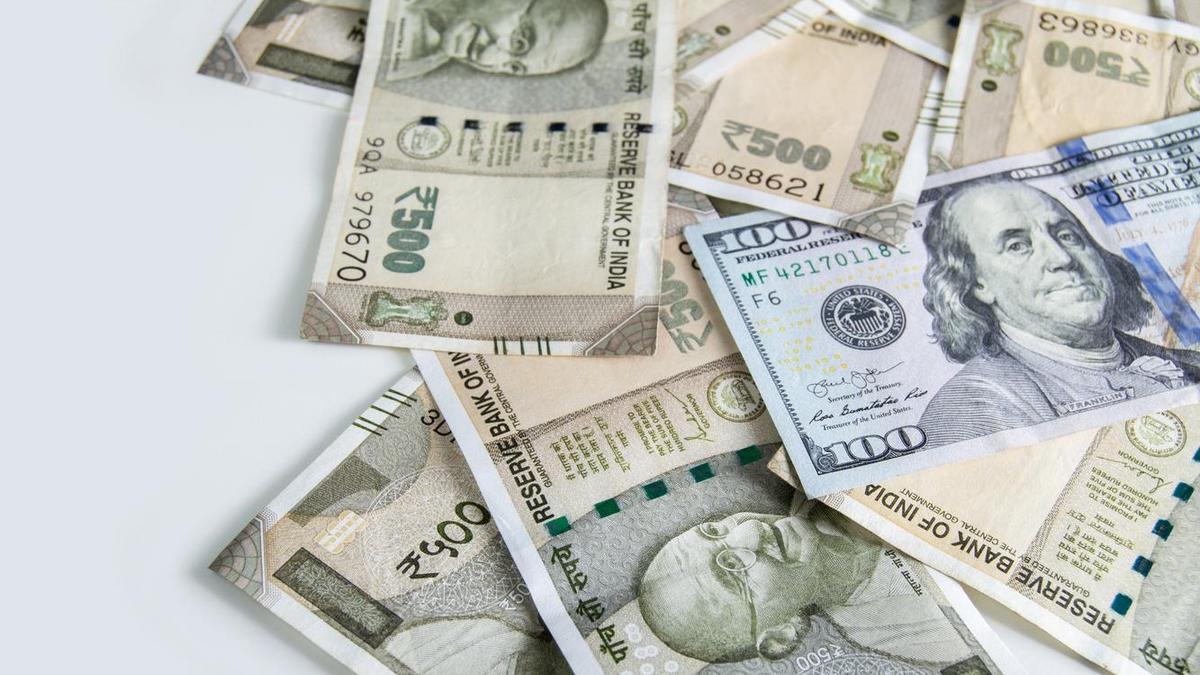
The rupee is being priced by capital outflow, not domestic sentiment. Foreign portfolio investors sold more than ₹5,052 crore of Indian equities, helping drive the currency to 95.23 per dollar on May 4 and 95.39 on May 5, its weakest level on record. The Hindu
The Hindu
Capital is setting the price
This is the core power dynamic: FPIs can exit faster than India can replace that money, and that gap is showing up first in the exchange rate. April alone saw foreign investors dump ₹60,847 crore in Indian stocks, after an even larger March outflow, making the rupee more vulnerable even before the latest sell-off. The Hindu
That matters because the rupee is now absorbing a broader external shock: higher oil prices, geopolitics, and a risk-off move across emerging markets. In practice, foreign sellers are benefiting from dollar strength and a safe-haven bid; Indian importers, foreign-currency borrowers, and inflation-sensitive consumers are paying the bill. The Hindu
Why the RBI cannot fully defend the currency
The Reserve Bank of India can slow volatility, but it cannot force foreign money back into equities. The RBI had been buying dollars in February — net purchases of $7.409 billion — after seven straight months of net sales, which shows the central bank has been active in the market and is still managing reserves carefully. The Hindu
That leaves policymakers with a narrow choice: smooth the descent, or defend a level and risk burning reserves. For now, the market is telling them that foreign flows, not official rhetoric, set the exchange rate. For the bigger India policy picture, see India and
Global Politics.
What to watch next
The next decision point is simple: whether FPI selling broadens beyond equities into debt, and whether the RBI steps up intervention as the rupee tests new lows. Watch the next few trading sessions for two signals — fresh foreign outflows and any change in the central bank’s tolerance for a weaker currency.
Discover more
India
UN Expert Albanese: India Violates Law
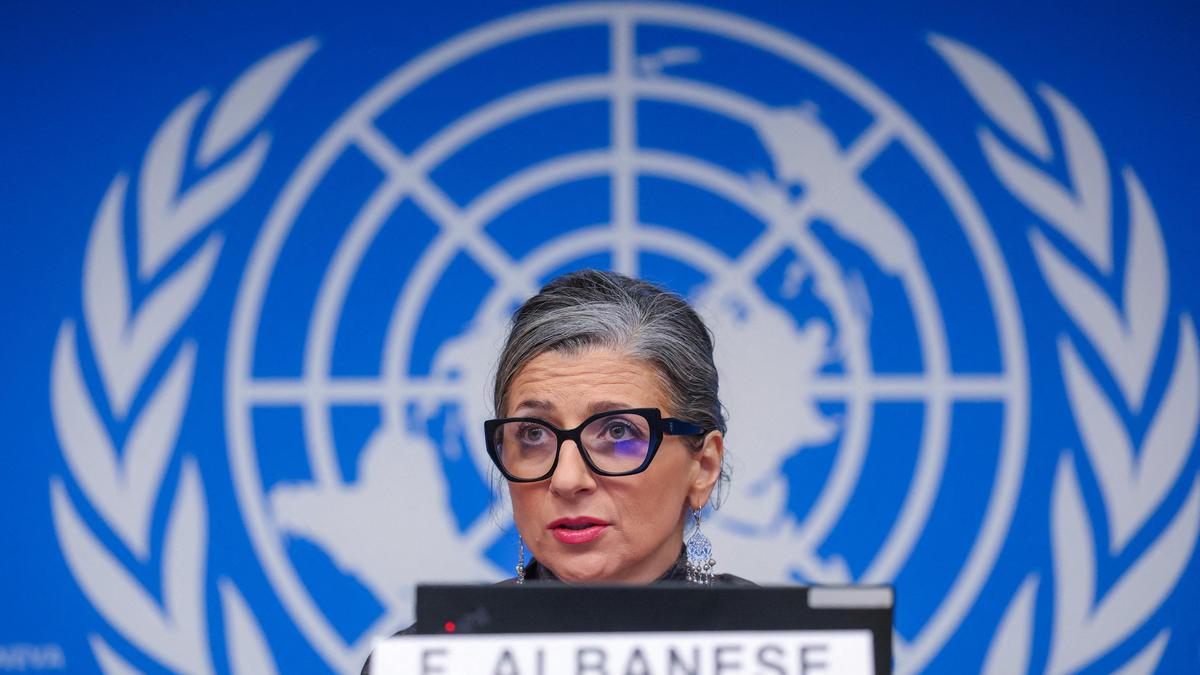
UN Rapporteur Francesca Albanese accuses India of breaching international law, spotlighting human rights concerns in Kashmir and prompting diplomatic pushback.

Conflict & Security
Drone Warfare Killing Aid Workers at Unprec
Over 1,000 humanitarian workers killed in three years as cheap armed drones collapse legal protections. Gaza, Sudan, Ukraine, and DRC see deliberate targeting of aid convoys and hospitals with zero prosecutions.

Global
World Normalises Taliban as Afghan Women Eras
UN data shows Afghan women erased from public life as Russia recognises the Taliban, EU hosts officials in Brussels, and ICC warrants for gender persecution go unenforced.
Conflict & Security
West Africa Food Crisis: Three Shocks in 2026
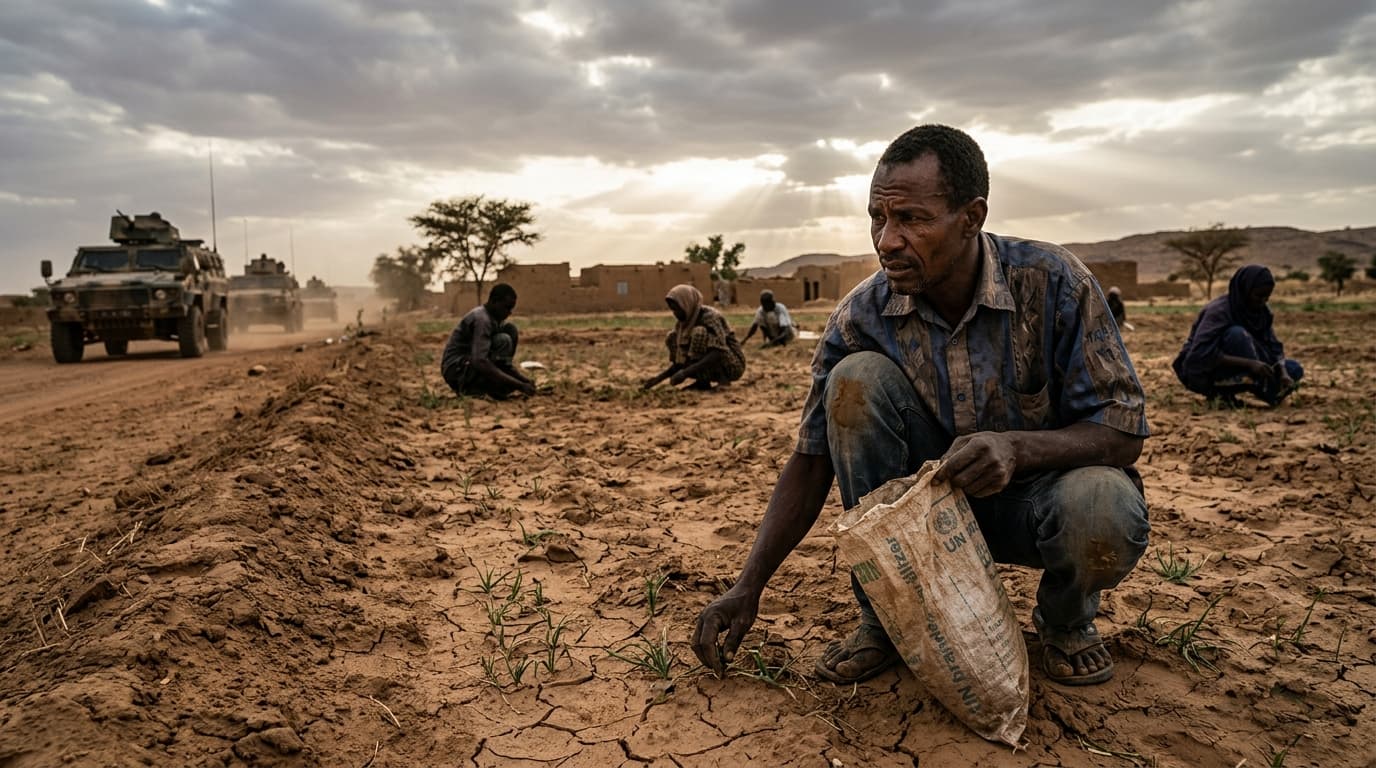
Conflict, climate extremes, and the Strait of Hormuz closure drive a severe food crisis in West and Central Africa, with fertilizer prices surging 80% and millions displaced.