Rubio’s Iran Deal Clock Is Running
US-Iran negotiations hinge on Strait of Hormuz access.
Model Diplomat3 min readMiddle East
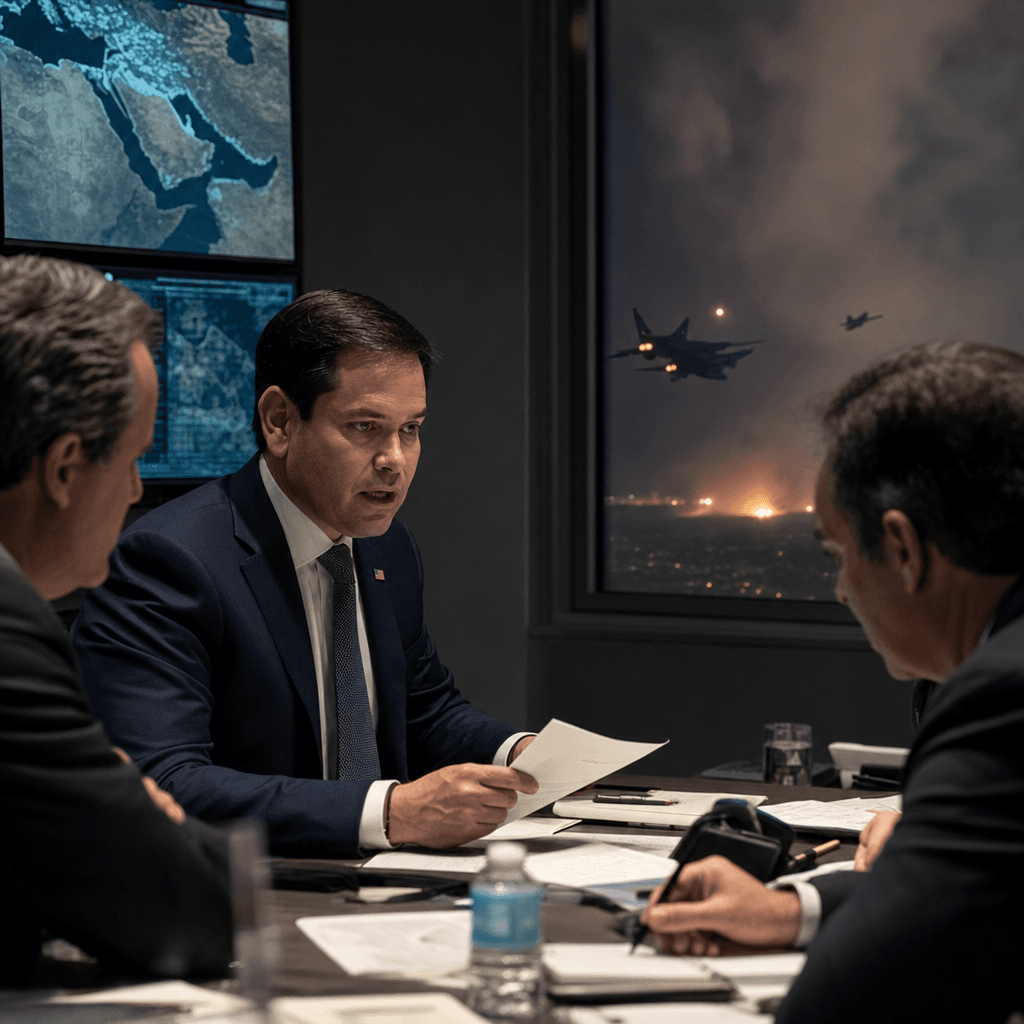
Rubio’s Iran Deal Clock Is Running on Hormuz Pressure
[US strikes in southern Iran raise the cost of delay, but the bargaining chip is still whether Tehran reopens the Strait of Hormuz.]
Marco Rubio said a deal to end the US-Iran war could take “a few days” because negotiators in Qatar were still working through “specific language” in the draft, even as US forces launched new attacks on missile sites and boats in southern Iran, the White House’s latest attempt to keep pressure on Tehran while talks continue (Al Jazeera). CENTCOM said the strikes were “self-defence” operations meant to protect US troops from Iranian threats; Iranian media reported explosions near Bandar Abbas, the port city beside the Strait of Hormuz (
Al Jazeera).
The leverage is in the strait, not the slogans
The real negotiating table is narrower than the rhetoric suggests. Officials briefed on the Doha talks said the focus was the Strait of Hormuz, Iran’s stockpile of highly enriched uranium, and the possible release of frozen Iranian funds, while Tehran’s foreign ministry said the nuclear file would come later, after a framework agreement is reached (The Straits Times;
Al Jazeera). That sequencing tells you who has leverage: Iran controls the chokepoint that carries roughly a fifth of global oil and liquefied gas in normal times, while Washington controls the escalation ladder and the blockade around it (
The Straits Times).
That is why the market reaction matters. Oil prices fell more than 4 per cent on optimism that a deal might be close, a reminder that this crisis is already being priced through the energy system, not just the diplomatic one (The Straits Times). For a wider read on the regional stakes, see
International.
Washington is trying to turn force into a deadline
Rubio’s message is not that a breakthrough is imminent; it is that the United States wants Tehran to feel time is closing. He said the straits “have to be open” and suggested Washington would pursue “another way” if diplomacy fails, while President Donald Trump has kept the blockade in place until an agreement is “reached, certified, and signed” (Al Jazeera;
Al Jazeera). The attacks near Bandar Abbas are therefore not just military activity; they are part of the bargaining design.
Tehran’s counter is to separate survival from surrender. Supreme Leader Mojtaba Khamenei used his Eid message to warn that regional states would no longer serve as shields for US bases, and President Masoud Pezeshkian echoed that line, signaling that Iran still wants to posture as the power that can make the region ungovernable if boxed in (Al Jazeera). That posture helps Tehran preserve domestic credibility while still keeping the Qatar channel open.
What to watch next
The next decision point is whether the Doha talks produce agreed language on reopening Hormuz before Rubio’s “few days” run out (Al Jazeera). If the draft stalls, expect Washington to lean harder on military signaling and maritime pressure; if it advances, the first test will be whether Tehran is willing to trade a shipping concession for sanctions relief and frozen funds without forcing the nuclear issue immediately to the front. For the US side, the pressure point is
United States: Trump wants a claim of control, not a long war.
Discover more
Global
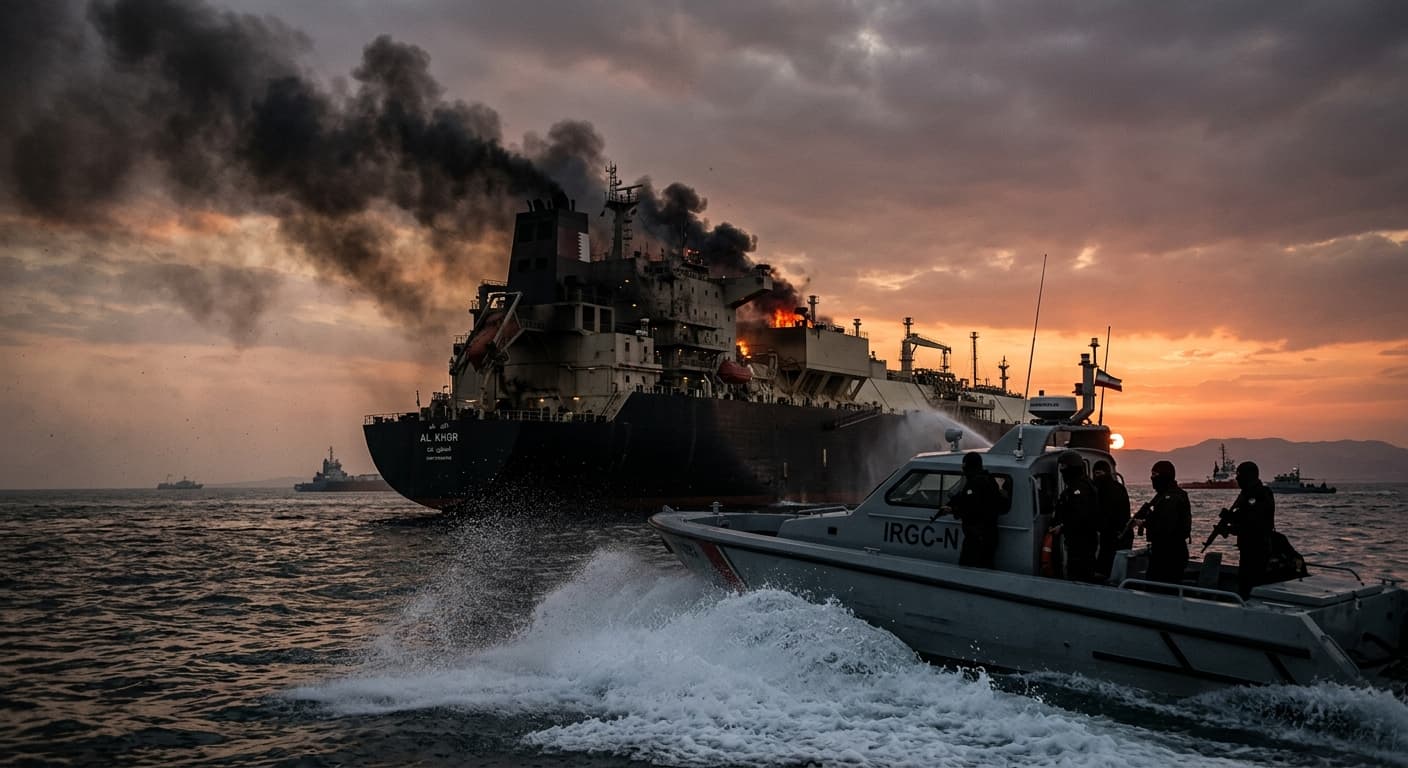
Qatari Tanker Strike Exposes Hormuz Tensions
A Qatari tanker was struck off Oman, revealing the fragility of the Hormuz ceasefire and Iran's influence over maritime security.
Global
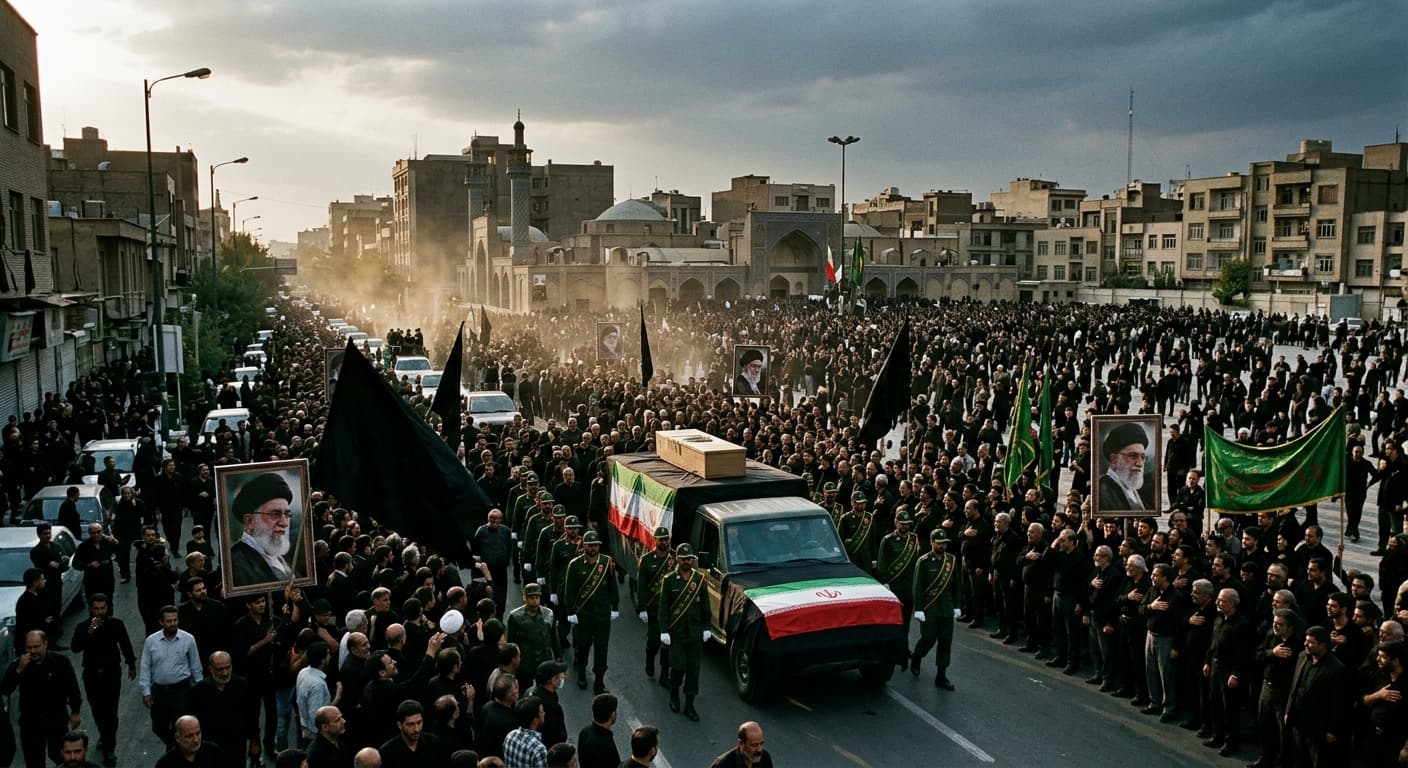
Khamenei's Funeral Signals Iran's Decline
The funeral of Ayatollah Khamenei highlights Iran's diminished influence in the Gulf, with regional powers now dictating terms.
Global
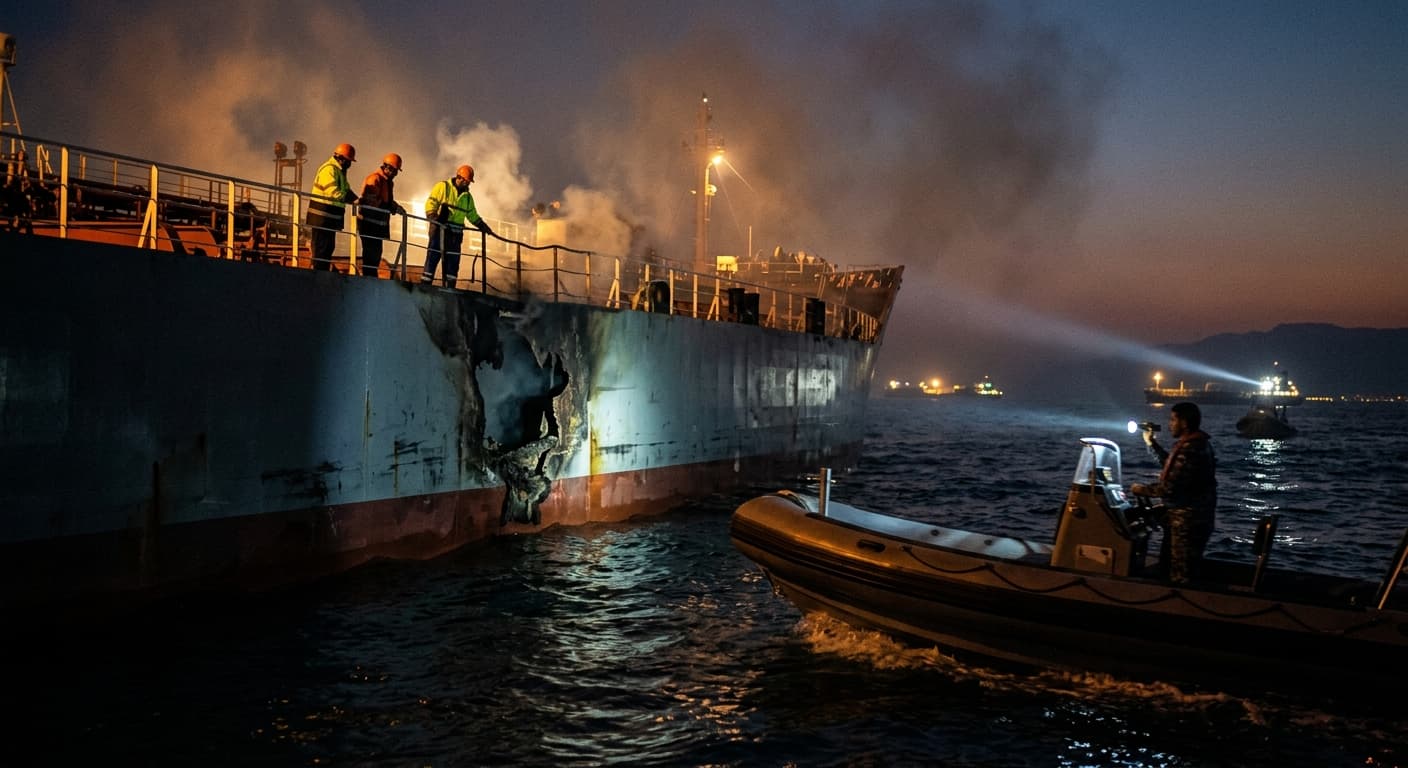
Iran's Hormuz Missile Strikes: A Toll Booth
Iran's missile attack on a Qatari-linked tanker highlights Tehran's strategy to control the Strait of Hormuz, impacting Gulf states and maritime law.
Tech Policy
Iran's Cavern Manticore Targets Israel's IT
Cavern Manticore, an Iran-linked hacking group, targets Israeli IT vendors, prompting a shift in Israel's cybersecurity policy and legislative efforts.