Rubio’s $500 Billion Claim Sparks Debate
Congress seizes on Rubio's $500 billion India import pledge.
Model Diplomat3 min readAsia
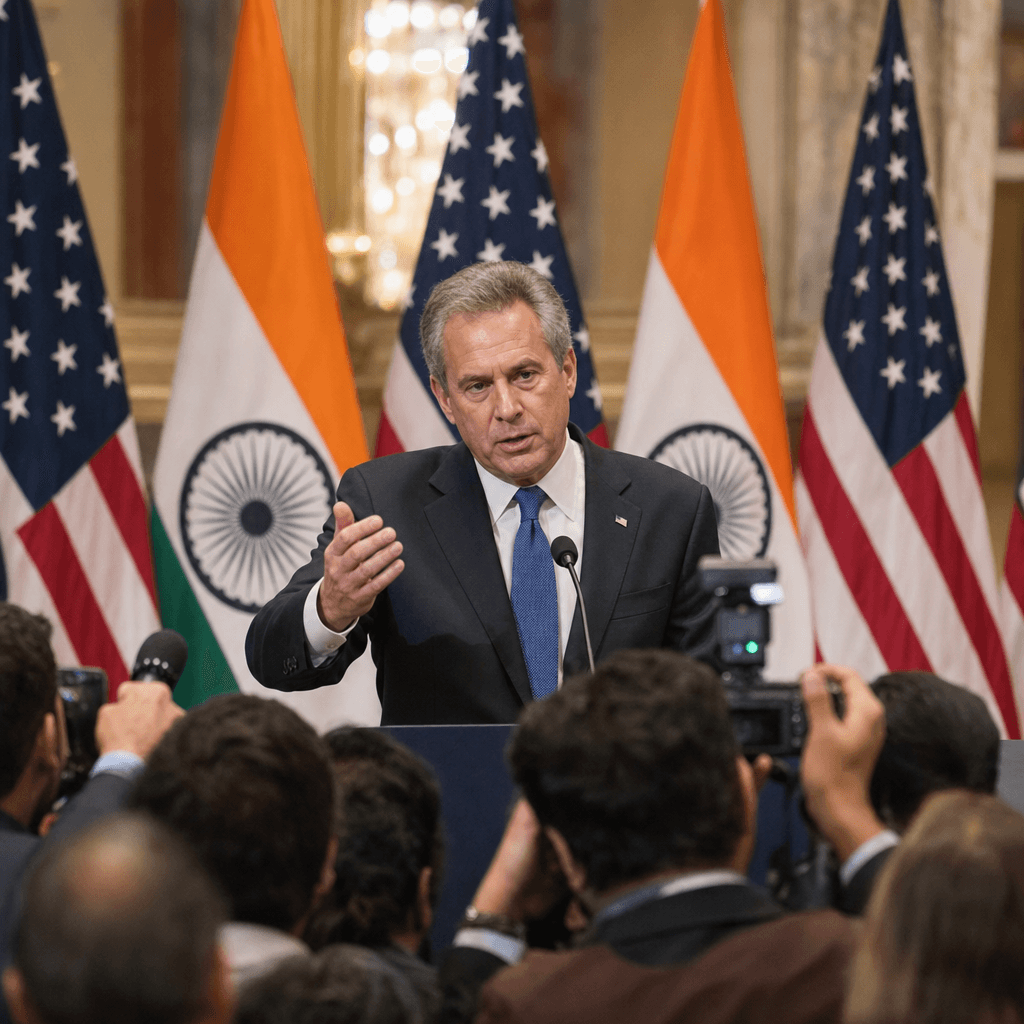
Rubio’s $500 Billion Claim Gives Congress a Fresh Attack Line
Rubio’s X post on a $500 billion India import pledge hands Congress a domestic attack line and puts Delhi on the spot before key trade and Quad talks.
Congress has found a clean line of attack: if Washington is announcing India’s trade commitments first, then the Modi government is either boxed in or being outflanked. That is the political opening Jairam Ramesh seized on Sunday after US Secretary of State Marco Rubio said on X that India had committed to buying $500 billion in American goods over five years, “focusing on energy, technology, and agriculture” (The Indian Express;
Reuters via CNA).
Washington is setting the tempo
The leverage is currently with Washington, not Delhi. Rubio used a public platform to define the relationship in transactional terms, while Indian officials were still in talks to finalise a trade package that has been moving slowly for months (Reuters via CNA;
Associated Press via WRAL). That sequencing matters. It lets the Trump administration claim progress before any formal agreement is signed, and it forces New Delhi to either endorse the figure or deny it — both awkward choices for a government that has sold itself as strong on sovereignty and trade.
The broader backdrop is a relationship under strain. Reuters reported that India and the US have been trying to steady ties after tariff shocks and political friction, with talks still clouded by the absence of a completed trade deal (Reuters via CNA). AP likewise described Rubio’s visit as an effort to tackle a “trust deficit” after steep US tariffs and disputes over Russian oil purchases (
Associated Press via WRAL).
Congress is exploiting the domestic cost
Ramesh’s attack is not really about Rubio’s wording. It is about the domestic price of any deal that looks like a concession stack: more US energy, more agricultural imports, more market access, and more pressure on Indian foreign-exchange balances. The Congress line is simple: if the prime minister has urged Indians to conserve fuel and reduce overseas travel to save foreign exchange, why is his government now expanding import commitments from the US (The Indian Express)?
That lands because the proposed trade architecture has political losers in India. Reuters reported earlier this year that the deal under discussion included a multi-year $500 billion purchase commitment and stepped-up imports of US petroleum, aircraft, defense and telecom goods, while India kept key protections in agriculture (Reuters via CNA). That is exactly the kind of package that hands Congress an easy rural-and-manufacturing critique: the government may promise strategic gains, but the visible costs fall on farmers, import-sensitive sectors and the rupee.
For Washington, the upside is obvious: a big number, a public win, and a claim that US diplomacy is moving markets. For Modi, the risk is that a trade negotiation becomes a test of credibility at home.
What to watch next
The next decision point is the official Indian response — especially anything that comes out of the Rubio–Jaishankar track and the Quad meeting in New Delhi on May 26 (Associated Press via WRAL;
Reuters via CNA). If Delhi treats Rubio’s figure as aspirational, the immediate damage is political optics. If it accepts the number, Congress will frame it as proof of a lopsided bargain. Either way, this belongs on the same shelf as other India-US pressure points: trade, energy, and strategic autonomy. See also
Global Politics and
United States.
Discover more

India
India-South Korea $50B Trade Expansion Plan
India and South Korea target $50 billion in bilateral trade by 2030, focusing on industrial cooperation and strategic alignment amid US pressures.

Conflict & Security
Drone Warfare Killing Aid Workers at Unprec
Over 1,000 humanitarian workers killed in three years as cheap armed drones collapse legal protections. Gaza, Sudan, Ukraine, and DRC see deliberate targeting of aid convoys and hospitals with zero prosecutions.
Global
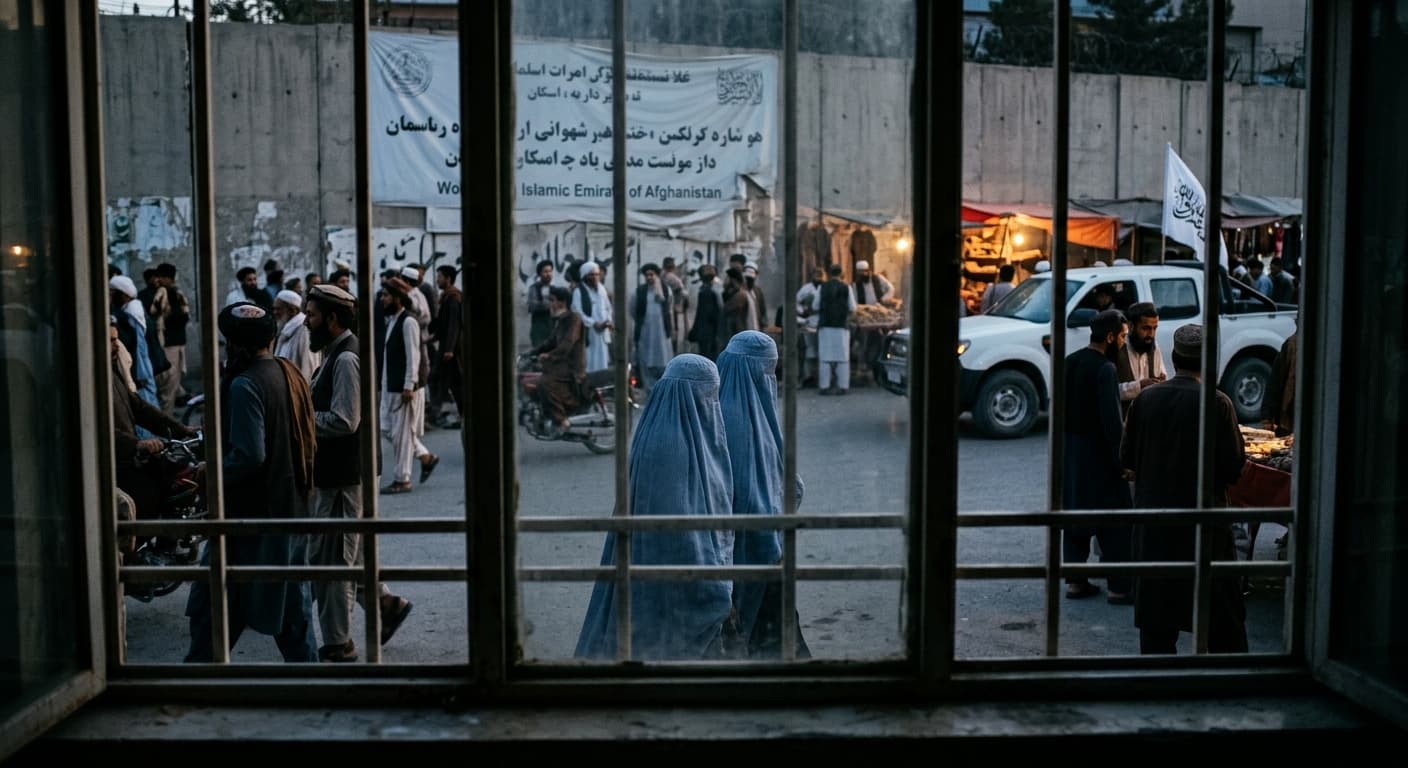
World Normalises Taliban as Afghan Women Eras
UN data shows Afghan women erased from public life as Russia recognises the Taliban, EU hosts officials in Brussels, and ICC warrants for gender persecution go unenforced.
Conflict & Security
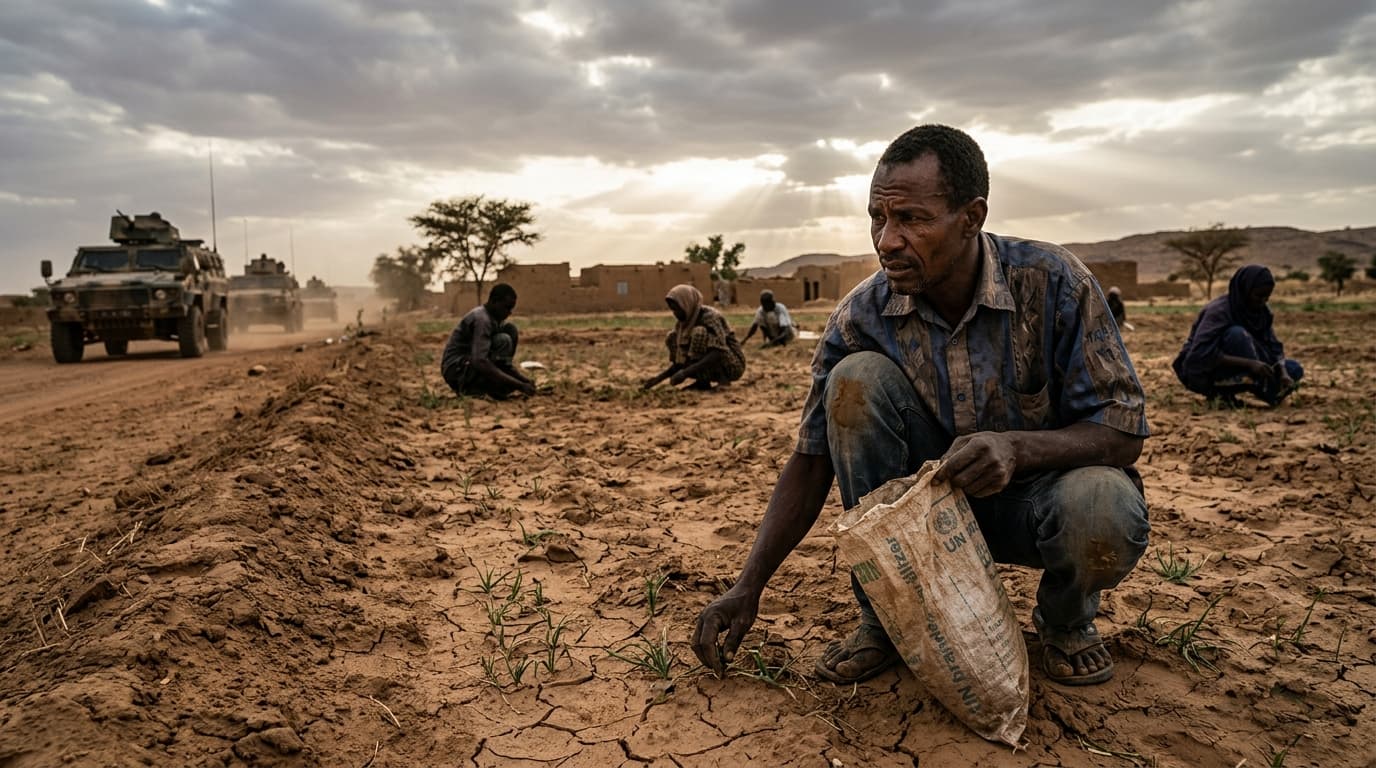
West Africa Food Crisis: Three Shocks in 2026
Conflict, climate extremes, and the Strait of Hormuz closure drive a severe food crisis in West and Central Africa, with fertilizer prices surging 80% and millions displaced.