Romania PM Ilie Bolojan Ousted in Crisis
Political upheaval in Romania as PM Bolojan is removed from office.
Model Diplomat3 min readEurope
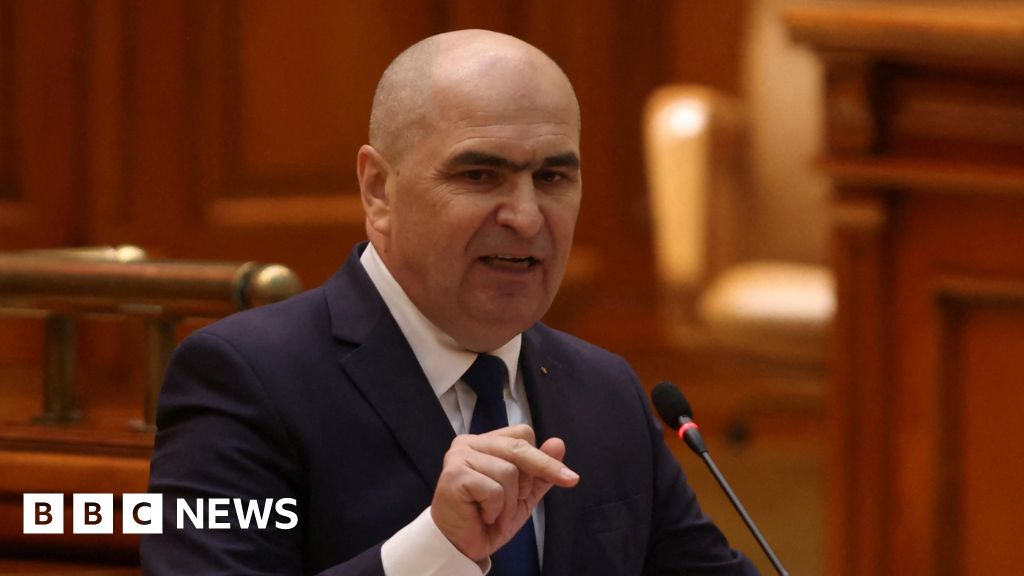
Romania's PM Bolojan Falls as Coalition Fractures
PM Ilie Bolojan ousted amid coalition collapse, triggering presidential consultations for next government.
Romanian Prime Minister Ilie Bolojan's government collapsed today, May 5, 2026, after a no-confidence vote in Parliament. The motion passed with 230 votes in favor, driven by the withdrawal of support from key coalition partners and a united opposition. This ousting marks a critical juncture for Romania's political stability, particularly as it prepares for its European Union presidency in 2027.
The power dynamic shifted decisively when the Social Democratic Party (PSD) and the Alliance of Liberals and Democrats (ALDE) announced they were withdrawing their support for Bolojan's cabinet. Frictions over the proposed 2027 budget and alleged stagnation in judicial reforms served as the stated catalysts, though analysts point to deeper fissures over economic policy and reform pace. The Social Democrats and ALDE now hold the leverage, positioning themselves to either influence a new coalition or chart an opposition course. The beneficiaries of this parliamentary maneuver are primarily the opposition parties, Alliance for the Union of Romanians (AUR) and Save Romania Union (USR), who amplified the calls for Bolojan's removal, alongside the disgruntled former coalition partners.
With Prime Minister Bolojan ousted, the immediate focus shifts to President Klaus Iohannis, who will now initiate consultations with parliamentary parties to designate a new prime minister. The most probable scenarios involve either a renewed attempt by the National Liberal Party (PNL) and PSD to form a governing majority, or a potential broad coalition of opposition forces aiming to steer the country through the upcoming EU presidency. Observers will watch closely which parties signal willingness to compromise and govern, as Romania navigates this period of political uncertainty.
What This Means for Romania's EU Presidency
Romania assumes the rotating presidency of the Council of the European Union in the second half of 2027. The collapse of the Bolojan government raises questions about whether the country will have stable governance heading into that responsibility. EU presidencies require substantial coordination capacity — hosting Council meetings, advancing legislative dossiers, representing the EU externally — that political instability can undermine.
Previous EU presidencies under unstable governments have generally still functioned, but with reduced ambition and less effective leadership. Romanian officials will be working to ensure continuity in the EU-presidency preparation regardless of which government takes office in the coming weeks.
Regional Context
Romania's political turbulence comes during a period of significant tension across Central and Eastern Europe. The Russia-Ukraine war continues to shape regional security; democratic-backsliding concerns affect Hungary, Slovakia, and other states; and EU enlargement dynamics involve multiple Romanian neighbors. The next Romanian government will inherit complex regional questions alongside its domestic challenges.
What to Watch
Key indicators in the coming weeks:
- Presidential consultations: how quickly President Iohannis nominates a new PM-designate.
- Coalition negotiations: which parties signal willingness to participate in a new government.
- Budget process: whether the contested 2027 budget can be salvaged or must be substantially renegotiated.
- Judicial reform: whether the new government commits to advancing the reforms that contributed to the Bolojan government's fall.
- EU coordination: how Romania's EU partners assess the political situation's implications for the 2027 presidency.
Discover more
India
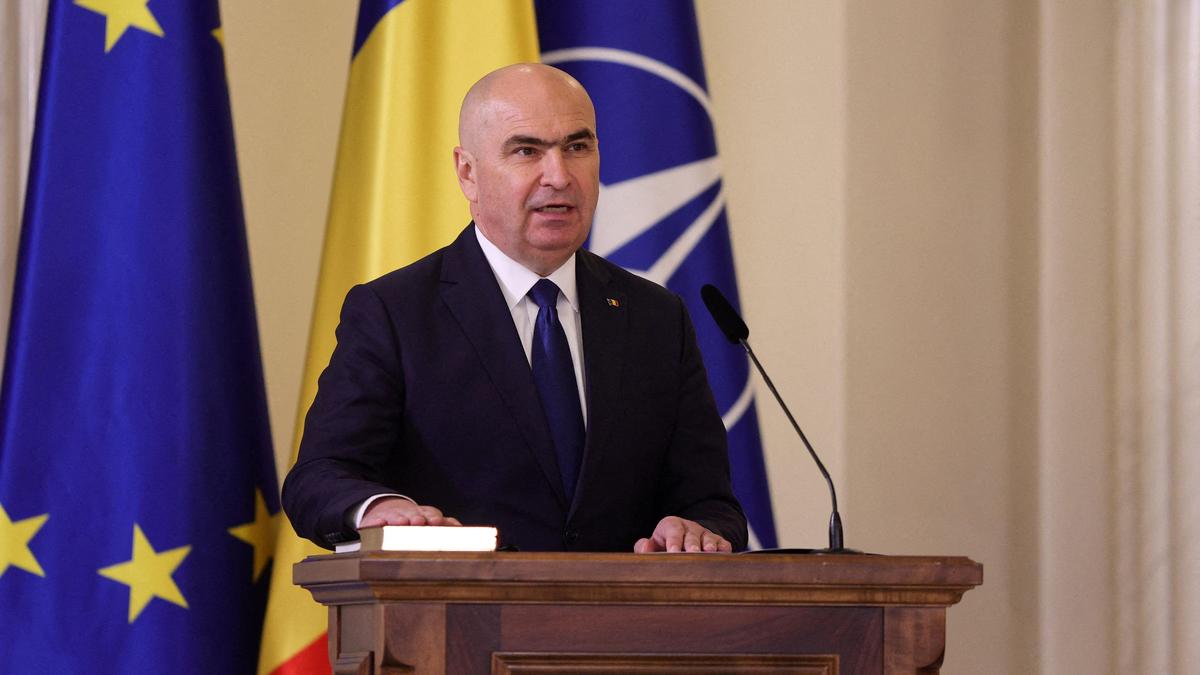
Romanian Coalition Party Demands PM Resign
Romania's Social Democrats withdrew from coalition, joining far-right AUR to topple PM Bolojan, risking €10 billion in EU funds by August 2026.

Conflict & Security
Drone Warfare Killing Aid Workers at Unprec
Over 1,000 humanitarian workers killed in three years as cheap armed drones collapse legal protections. Gaza, Sudan, Ukraine, and DRC see deliberate targeting of aid convoys and hospitals with zero prosecutions.

Global
World Normalises Taliban as Afghan Women Eras
UN data shows Afghan women erased from public life as Russia recognises the Taliban, EU hosts officials in Brussels, and ICC warrants for gender persecution go unenforced.
Conflict & Security
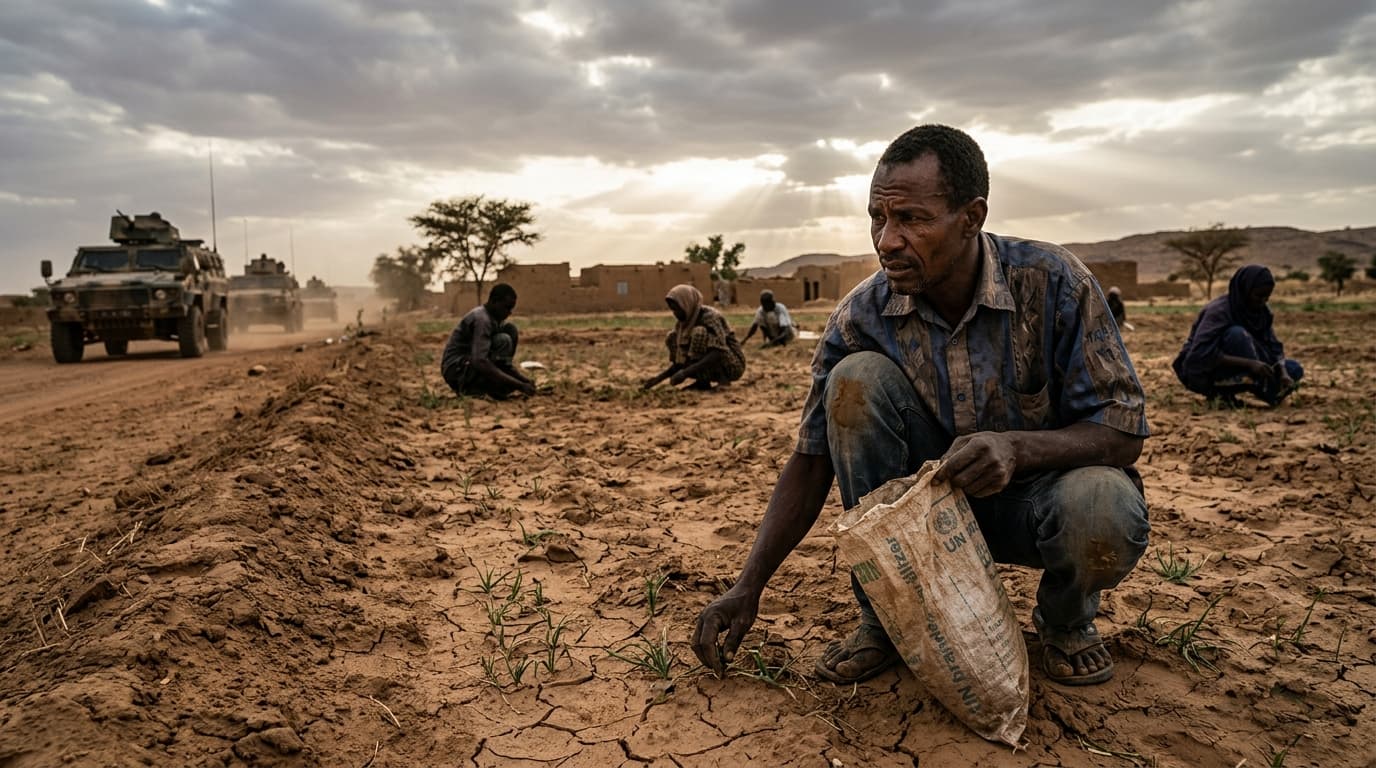
West Africa Food Crisis: Three Shocks in 2026
Conflict, climate extremes, and the Strait of Hormuz closure drive a severe food crisis in West and Central Africa, with fertilizer prices surging 80% and millions displaced.