Roberts Court Undermines Voting Rights Act
Analysis of the Supreme Court's impact on voting rights
Model Diplomat2 min readUnited States

Roberts Court Keeps Narrowing the Voting Rights Act
Reuters’ latest analysis shows Chief Justice John Roberts’ court has steadily cut back the Voting Rights Act, shifting power to states before 2026 map fights.
The leverage now sits with the Court’s conservative majority, and Republican-led states are using it. Reuters’ latest survey argues the Roberts Court has taken a “wrecking ball” to the Voting Rights Act, building over more than a decade of rulings that weakened federal oversight and narrowed how minority voters can challenge election rules and maps Reuters.
That matters less as a legal history than as a power shift. State legislatures gain room to draw maps and write voting rules with less federal constraint. Black and Latino voters, civil-rights groups, and the Justice Department lose leverage unless Congress acts or the Court changes course. For policymakers tracking US politics, this is no longer one landmark case; it is a durable governing doctrine.
The pattern is the story
The key break came in 2013, when the Court in Shelby County v. Holder invalidated the coverage formula that determined which jurisdictions had to obtain federal “preclearance” before changing voting laws, effectively neutralizing Section 5 enforcement unless Congress rewrote the formula Oyez. That shifted initiative from Washington to the states.
The second move came in 2021, when Brnovich v. Democratic National Committee made Section 2 vote-denial claims harder to win by setting guideposts that gave states broader defenses for restrictions such as ballot rules and precinct policies Oyez. The Court did not erase Section 2; it narrowed how useful it is.
There was one major pause. In 2023, Roberts and Justice Brett Kavanaugh joined the liberals in Allen v. Milligan, preserving a core Section 2 pathway for challenging maps that dilute minority voting strength in Alabama Oyez. But that looked more like a temporary restraint than a reversal of trend.
Why 2026 is the pressure point
The next fight is not abstract. It is about who controls congressional maps before the 2026 midterms. In Louisiana v. Callais, the Court heard arguments over a second Black-majority congressional district, a case that could further limit race-conscious remedies under Section 2 CNN. CNN reported in February that states were already preparing to use a favorable ruling to redraw maps ahead of the midterms
CNN.
That is the real beneficiary map: Republican-controlled legislatures in the South gain flexibility; Democrats, whose House path depends heavily on minority-heavy districts, face higher structural risk. The broader Global Politics implication is institutional: once preclearance is gone and Section 2 remedies are narrowed, enforcement becomes slower, more expensive, and more dependent on after-the-fact litigation.
What to watch next
Watch Justice Kavanaugh. He was decisive in Milligan and could again determine how far the Court goes in cutting back Section 2 remedies. Watch also for the Louisiana ruling before the Court’s term ends in late June 2026; that is the next decision point that could reshape House maps well beyond one state CBC / AP.
Discover more

US Politics
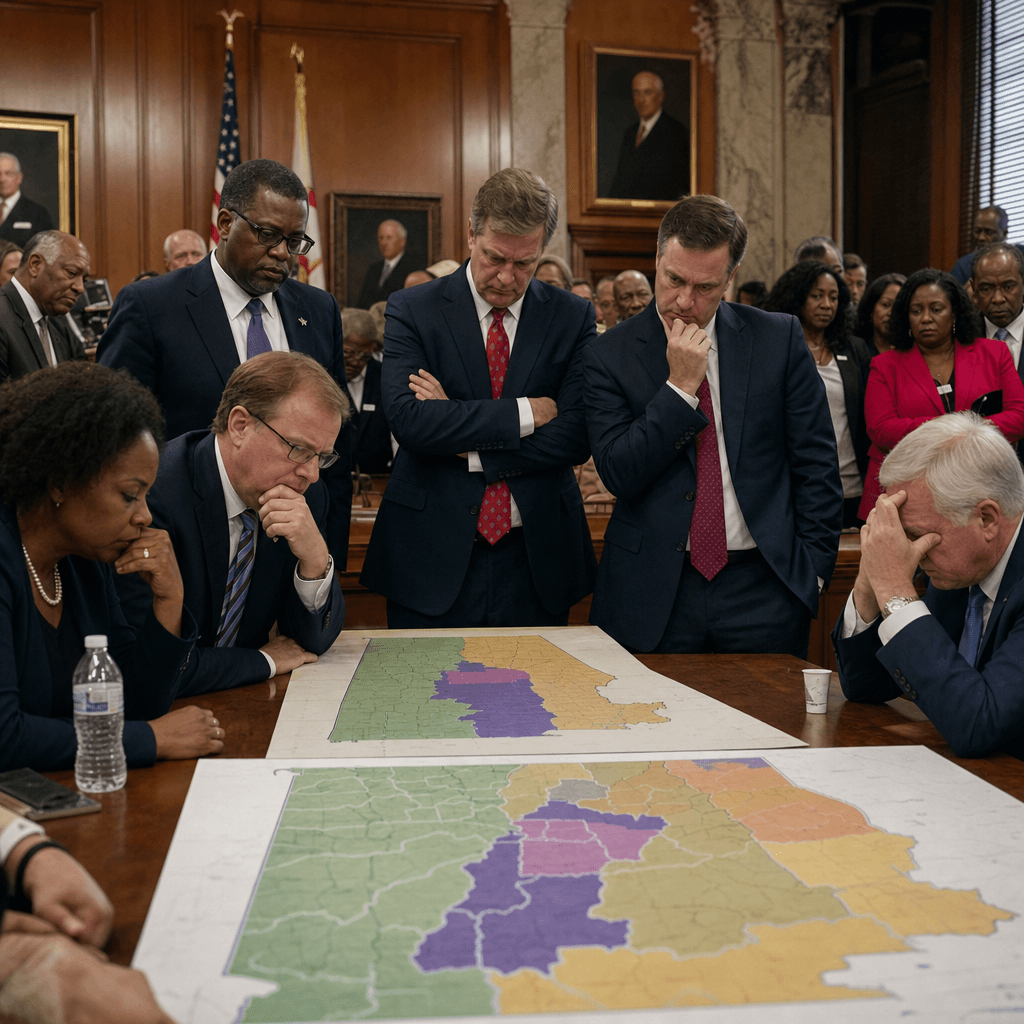
Alabama GOP Map Blocked by Federal Court
A federal court blocked Alabama's new GOP congressional map, preserving Black voter representation and reigniting the long redistricting fight over voting.
US Politics
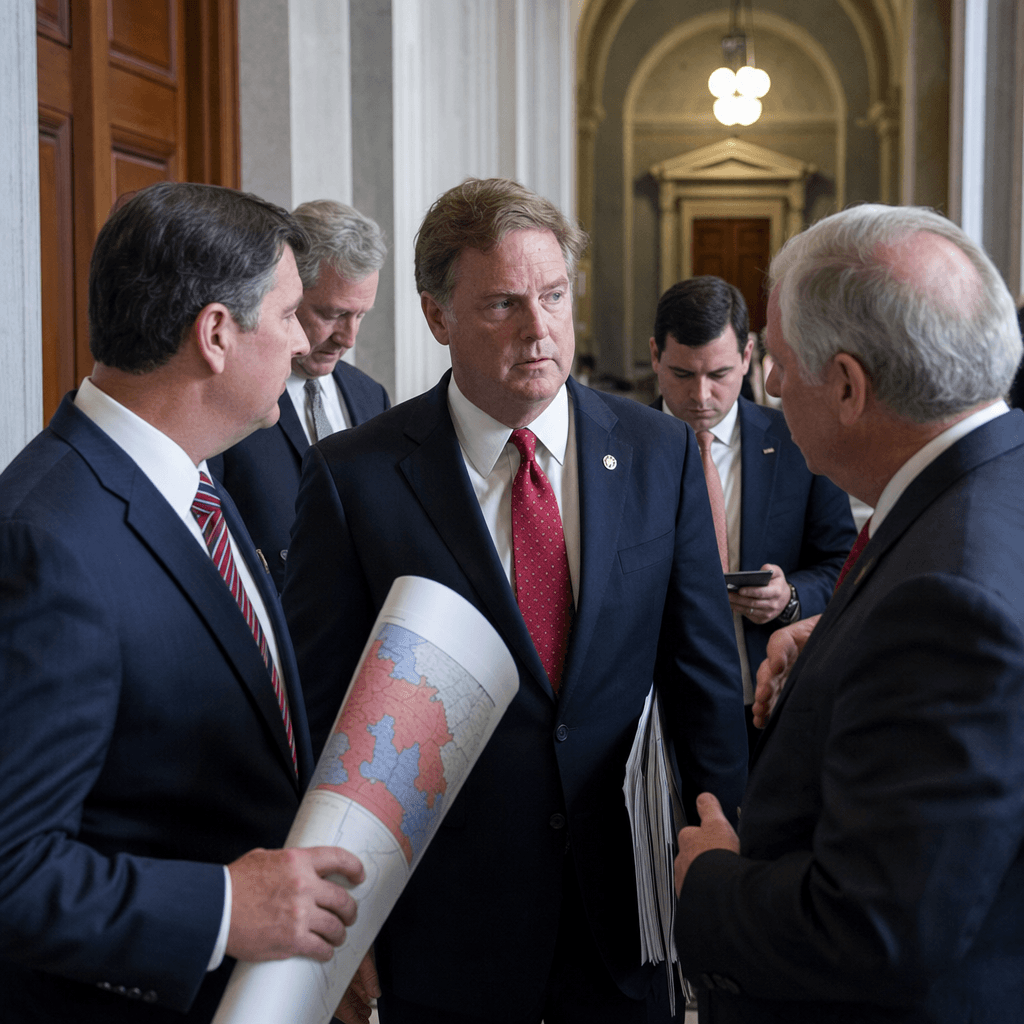
Alabama Redistricting Ruling Blunts GOP
An Alabama redistricting ruling preserves a second Black-majority district, blunting GOP map plans and reshaping voting rights stakes heading into the midterms.
US Politics
Alabama GOP Pushes for New House Map Primar
Alabama Republicans bet that court rulings will reopen the state's House map, seeking redistricting gains in a fight tangled with voting rights and elections.

US Politics
Trump's Voter Purge Strategy vs Election Law
Trump's push for aggressive voter purges is testing the limits of election law, alarming voting rights advocates and energizing Republicans ahead of elections.