RFK Jr. Under Fire in Congressional Hearings
Health Secretary RFK Jr. defends his controversial policies on Capitol Hill.
Model Diplomat3 min readUnited States

Four things to watch as RFK Jr. defends his health agenda on the Hill
Health Secretary Robert F. Kennedy Jr. faces congressional scrutiny after seven months, spotlighting his controversial public health policies and budget priorities.
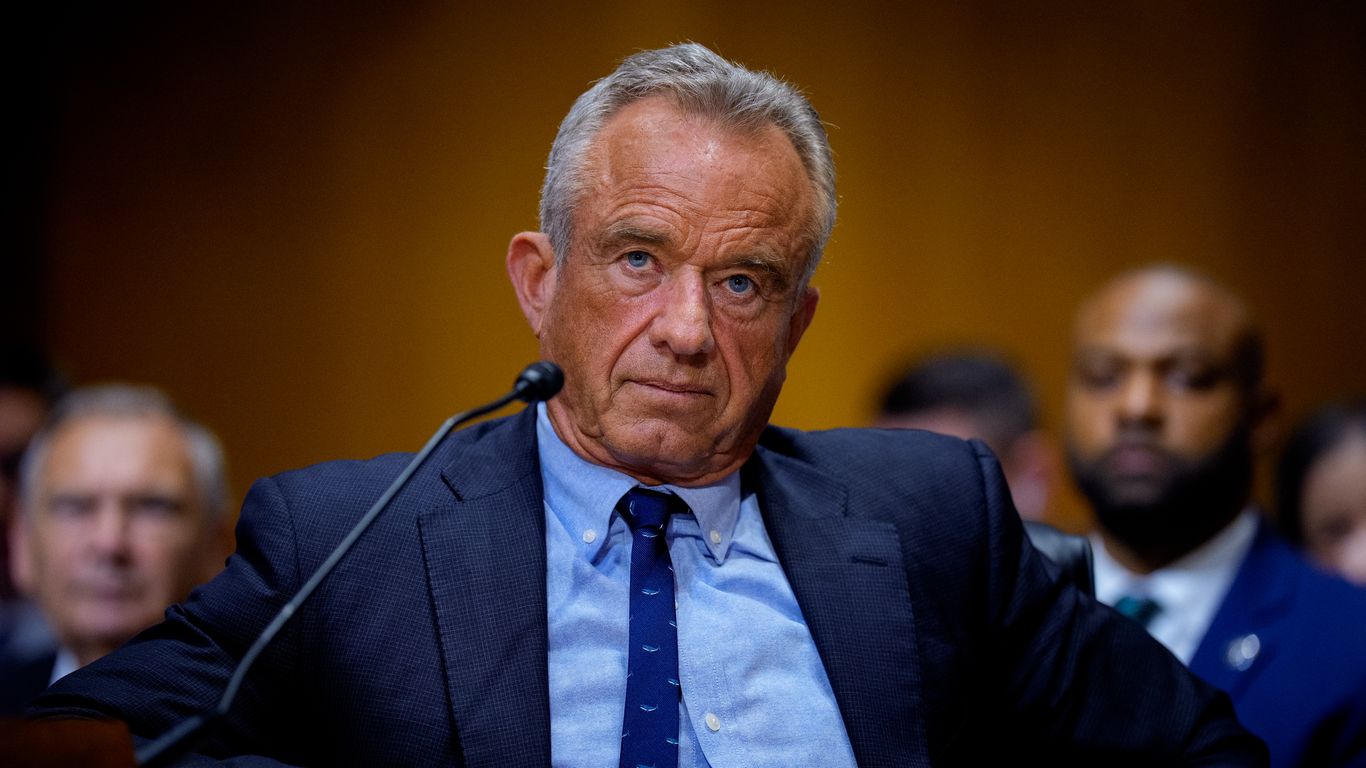
Robert F. Kennedy Jr., the U.S. Health and Human Services Secretary since last fall, steps into a critical series of congressional hearings this week — the first in over seven months — to defend his public health agenda before a skeptical Capitol Hill. The hearings come as lawmakers probe his department’s policy shifts, vaccine skepticism legacy, and proposed budget, which some see as a radical departure from recent administrations.
Why this matters now
Since his confirmation in September 2025, RFK Jr. has drawn fire for overturning several longstanding public health measures while pushing a populist, often controversial, health narrative. Known historically for his vocal vaccine skepticism and environmental activism, his appointment was eyed warily by public health experts and many lawmakers. The fact that Congress has allowed seven months before formally questioning him signals both deep divisions and tactical patience.
This moment is a pivotal litmus test for his ability to maintain influence over U.S. health policy and federal funding. The decisions made or reversed under his watch not only affect domestic public health programs but also impact the global credibility of U.S. health during a period of post-pandemic vulnerability.
Four key areas to watch
-
Public Health Policy Shifts
RFK Jr.’s agenda challenges pandemic-era vaccination mandates, overturns certain CDC guidelines, and proposes a more decentralized approach emphasizing “informed consent” over government mandates. Watch for how he justifies these shifts against recent data on vaccination and infectious disease control. -
Budget Priorities and Cuts
His proposed budget reportedly shifts dollars away from big infectious disease programs toward environmental health mandates and alternative medicine research. Lawmakers will scrutinize whether this reallocation risks undercutting critical programs like immunizations, disease surveillance, and emergency preparedness. -
Scientific Credibility and Appointments
Kennedy’s early months saw several controversial appointments to advisory boards, raising concerns about their scientific rigor. Expect tough questions on how his selections align with evidence-based public health, and whether the administration will maintain bipartisan confidence. -
Bipartisan Political Dynamics
RFK Jr. walks a political tightrope. While Republicans often support rolling back federal public health mandates, some moderate and Democratic lawmakers remain alarmed by his policy reversals. The hearings will reveal how much political backing he retains amid this internal fracturing.
What to watch next
Congressional hearings unfolding this week will not just deny or endorse RFK Jr.'s health agenda but define its trajectory. Watch for:
- Whether RFK Jr. can soften his image with clear data-driven justifications or doubles down on rhetoric challenging consensus science.
- Budget outcomes in upcoming appropriations debates, especially if shifts toward environmental and alternative medicine funding hold.
- Potential bipartisan coalitions forming to reassert control over public health priorities post-pandemic.
- How media framing and public opinion respond, given Kennedy’s polarizing profile.
RFK Jr.’s tenure marks a rare inflection point in U.S. public health policy, blending legacy family influence with a stark policy break. These hearings will reveal whether his vision holds or spurs pushback that could reshape health governance for years.
For broader context on U.S. political dynamics shaping this debate, see United States and health policy implications in
Global Politics.
Discover more
US Politics
Kennedy's Diminished Role in Health Policy
Robert F. Kennedy Jr. returns to Congress with diminished sway as a shifting health policy landscape on drug pricing and care moves beyond his earlier reach.

US Politics
House Republicans vs Senate
House Republicans split over DHS funding, pushing a narrow ICE and Border Patrol focus while the Senate backs a broader approach to immigration and security.

US Politics
Judge Blocks Trump's White House Ballroom Bid
A federal judge halted Trump's White House ballroom construction, a ruling that underscores judicial checks on presidential power and congressional oversight.

Conflict & Security
Drone Warfare Killing Aid Workers at Unprec
Over 1,000 humanitarian workers killed in three years as cheap armed drones collapse legal protections. Gaza, Sudan, Ukraine, and DRC see deliberate targeting of aid convoys and hospitals with zero prosecutions.