Kennedy's Diminished Role in Health Policy
RFK Jr. faces new challenges as Congress tightens health agenda
Model Diplomat3 min readUnited States
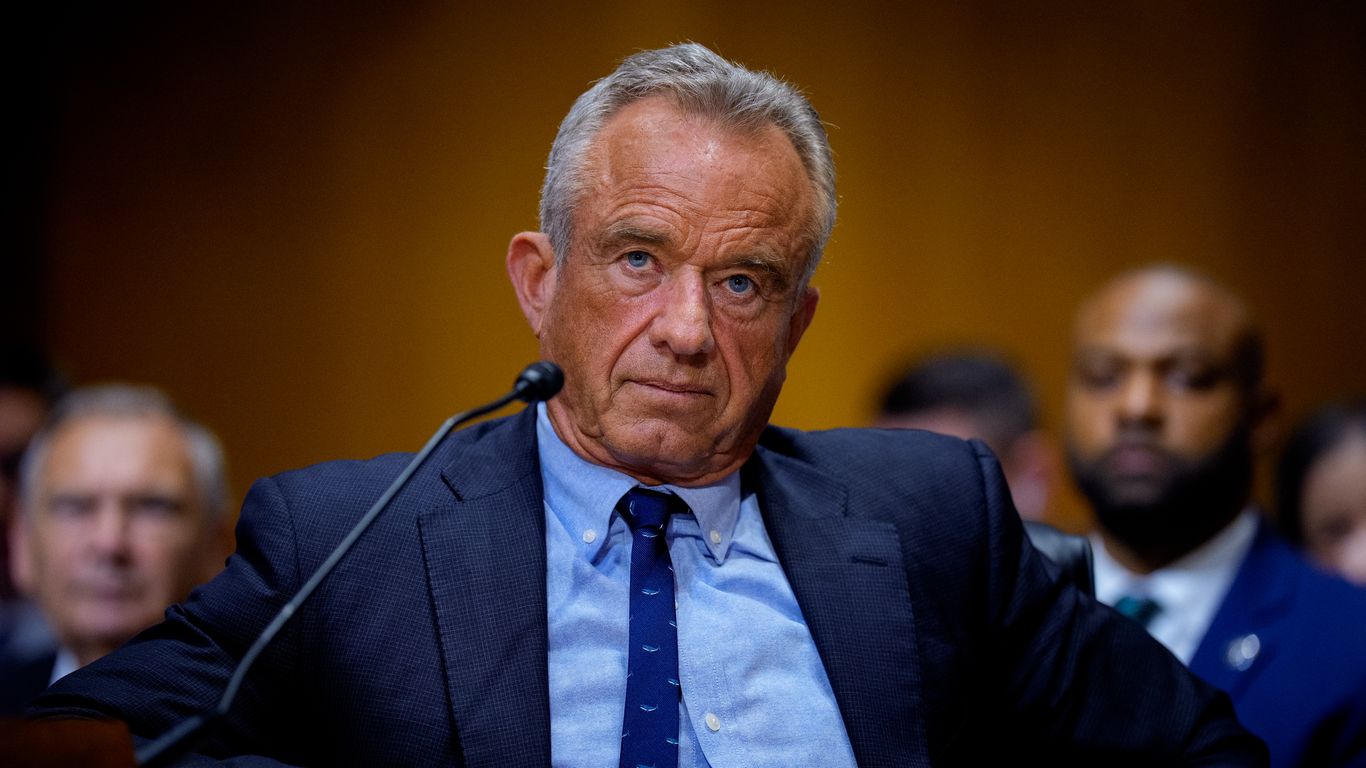
Why Kennedy's Autonomy Is Diminished Since He Last Faced Congress
Robert F. Kennedy Jr. returns to Capitol Hill under tighter scrutiny as the White House advances its own health policy agenda, curbing his influence.
Robert F. Kennedy Jr., once a formidable independent voice in health policy, heads back to Capitol Hill this week facing seven congressional hearings that will test his political and policy muscles. Since his last standoff with Congress, Kennedy’s room to maneuver has noticeably shrunk. The Biden administration and Congress have moved aggressively to set a new course on drug pricing and healthcare priorities, leaving Kennedy increasingly sidelined.
The Changing Terrain of Health Policy Power
When Kennedy Jr. entered Washington’s health policymaking arena, his well-known advocacy against pharmaceutical industry practices gave him significant leverage among certain progressive and populist factions. His charisma and Kennedy family name added punch to his policy critiques, making him a key figure to watch. Now, however, the political landscape looks less hospitable.
The White House has waded decisively into health policy debates, emphasizing drug-price reductions through legislative and regulatory channels controlled largely by Democratic leadership in Congress. This has compressed Kennedy’s ability to shape national health policy independently. The administration’s recent push includes high-profile initiatives such as caps on insulin prices, expanded Medicare negotiation powers, and increased funding for healthcare infrastructure—all areas Kennedy once sought to influence directly but now must navigate alongside established political actors.
Kennedy’s hearings cover heavyweight committees like House Ways and Means and Appropriations, both critical for shaping budget priorities. But these spaces are firmly dominated by lawmakers aligned with or responsive to the White House, diminishing his leverage. Unlike his earlier confrontations, which showcased his ability to set terms and force hearings, Kennedy is now on the defensive, answering tough questions that could further restrict his policy proposals or political capital.
What This Means for Kennedy and Health Policy
Kennedy’s constrained autonomy signals a broader consolidation of health policymaking authority within mainstream Democratic leadership. This shift has practical effects: it diminishes the chances of radical policy pivots championed by outsiders and signals a preference for pragmatic, incremental drug pricing reforms.
For Kennedy, this means a strategic recalibration. Without the ability to drive agenda-setting debates, his role may increasingly tilt toward watchdog or advocacy functions rather than direct policymaking. Given his polarizing positions, especially on vaccines and pharmaceutical companies, Kennedy faces uphill battles gaining cooperation in a Congress eager to showcase policy wins amid 2026 midterm dynamics.
The diminished autonomy also underscores the White House’s intent to avoid disruptions in health policy messaging during an election year. Kennedy’s previous independence posed a challenge to message discipline; now, the administration seeks a united front around achievable goals in cost containment and access expansion.
What to Watch Next
Follow the unfolding hearings carefully for signs of how Kennedy adapts to this new role. Will he double down on his outsider posture, risking further marginalization? Or will he seek to work within the system, compromising but regaining some influence? The outcomes here will shape how effective anti-establishment health voices can be inside Washington’s corridors.
Also watch how the White House and leading congressional Democrats manage the drug-pricing narrative. Swift legislative wins could cement their control over health policymaking, sidelining critics and empowering centrists during a politically sensitive period.
Kennedy’s trajectory matters not just for his legacy but for the broader debate over health policy reform in the U.S.—a debate with real stakes for millions managing healthcare costs.
For more on U.S. political dynamics around health policy, see our United States and
General Politics profiles.
Discover more

US Politics
Mike Johnson's Congress
Speaker Mike Johnson's leadership is reshaping Congress, critics say, enabling Trump's aggressive executive agenda while deepening partisan gridlock today.

Global Politics
Trump's Trade Over Aid Policy Shift Explained
A new policy declaration favors trade over foreign aid, reshaping U.S. global development strategy and recasting Washington's diplomatic and economic relations.
US Politics
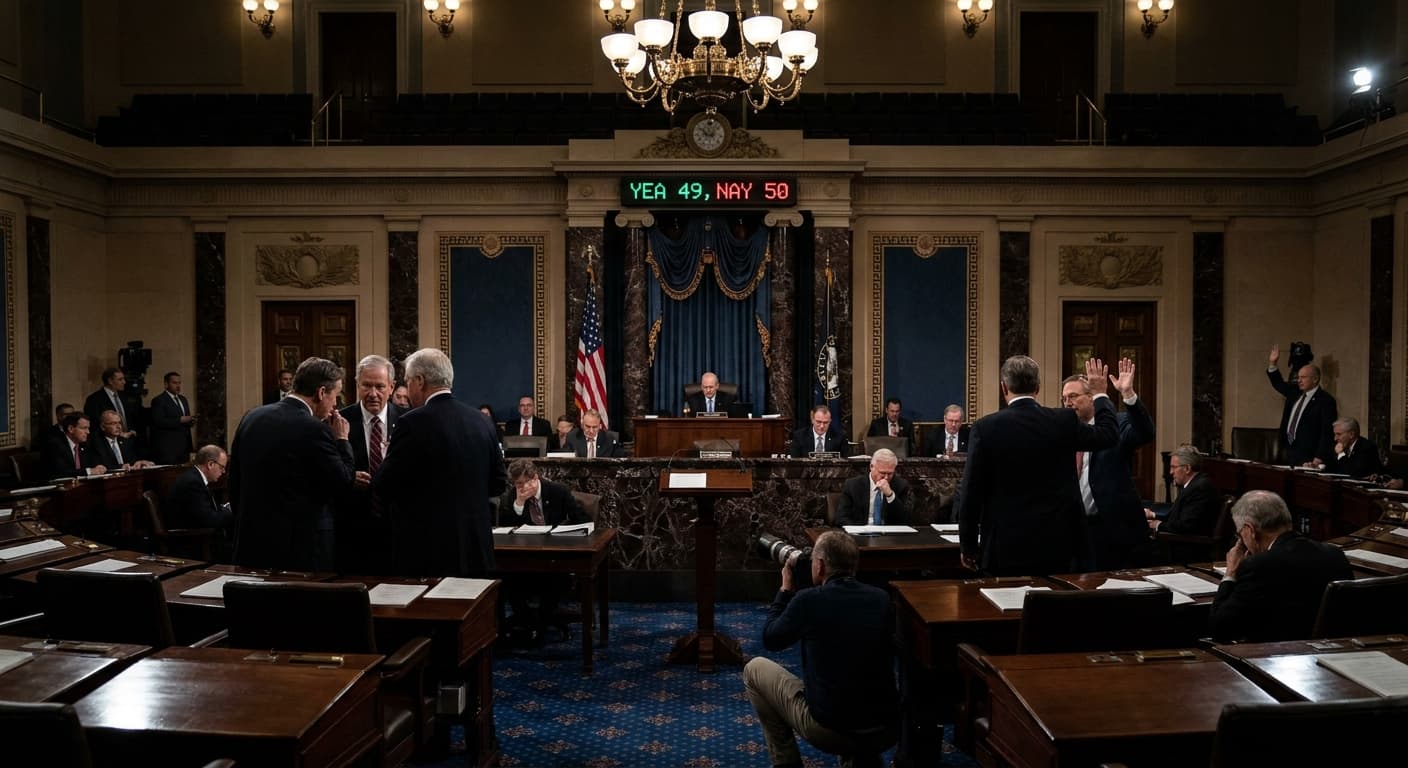
Senate Vote Continues U.S. Iran Hostilities
The Senate rejected a resolution to end U.S. involvement in hostilities with Iran, exposing deep congressional divisions and complicating diplomatic relations.

Conflict & Security
Drone Warfare Killing Aid Workers at Unprec
Over 1,000 humanitarian workers killed in three years as cheap armed drones collapse legal protections. Gaza, Sudan, Ukraine, and DRC see deliberate targeting of aid convoys and hospitals with zero prosecutions.