Trump's Trade Over Aid Policy Shift Explained
U.S. shifts focus from aid to trade partnerships in development.
Model Diplomat3 min readGlobal

Trump Administration Presses Nations to Embrace ‘Trade Over Aid’ Shift
The U.S. is urging countries to prioritize trade partnerships over traditional aid, marking a big pivot in its global development approach.
On April 15, 2026, the Biden administration reignited a contentious debate by championing a new global declaration that explicitly promotes “trade over aid.” This joint declaration, circulated among dozens of countries, calls for reorienting international development policies from direct humanitarian assistance toward fostering trade and economic independence. This signals a clear break from the United States’ decades-old position as a top donor of foreign aid, especially to developing countries heavily reliant on American assistance.
Why This Matters: A Strategic Pivot on the Global Stage
For over 70 years, the U.S. has balanced its foreign policy toolkit with a heavy dose of humanitarian and development aid, which totaled approximately $50 billion annually before this shift. This aid has served diplomatic, security, and humanitarian interests—from stabilizing fragile states to countering Chinese and Russian influence in strategic regions like Africa, South Asia, and Latin America. The decision to downplay aid in favor of trade is not only a rhetorical shift but also a strategic recalibration with deep implications.
First, trading over aid aligns with a growing free-market ideology within the current U.S. administration, which argues that aid can foster dependence rather than development. Instead, proponents push for opening markets, lowering tariffs, and investing in infrastructure to boost exports. The administration views economic integration as a sustainable path out of poverty, positioning the U.S. as a champion of capitalism in the global south.
Second, this stance shifts the diplomatic leverage dynamic. Traditional aid often came with conditions tied to governance reforms, human rights, or anti-corruption measures. A pivot to trade places a larger emphasis on economic cooperation, which might lessen the U.S.’s ability to influence political reforms in aid recipients. Conversely, it creates new platforms for engagement centered around trade agreements and investment incentives.
Third, this move responds to rising protectionism in many donor countries and aid fatigue domestically. By framing assistance as trade, the administration makes a politically palatable case to skeptical U.S. voters and legislators who question the efficacy of direct aid.
What to Watch Next
The practical implications for recipient countries are complex. Many developing nations depend on predictable aid flows for healthcare, education, and disaster response. A rapid shift to trade may not fill these immediate gaps, particularly where infrastructure and market access remain weak. Watch for how countries with entrenched aid dependencies respond—will they resist this new U.S. diplomatic push or seek to negotiate trade deals with concessions?
Also important is how this declaration interacts with other global powers’ approaches. China, for example, still emphasizes generous aid packages bundled with infrastructure loans, often known as “debt-trap diplomacy,” especially in Africa and Asia. The U.S. push for trade over aid might be an attempt to undercut Chinese influence by promoting a different growth model. However, in the short term, some countries may see Beijing’s aid as a lifeline, complicating U.S. objectives.
Finally, pay attention to how multilateral institutions like the UN and World Bank react. Their development models have long combined aid and trade. Endorsing a trade-first framework could reshape international development financing and protocols.
This move encapsulates a broader ideological battle over how best to foster global development and secure U.S. interests abroad. It’s a pivot that will redefine diplomatic relationships, economic strategies, and, ultimately, the lives of millions in developing countries.
For further insight, see our Global Politics page and explore the shifting dynamics on the
United States profile.
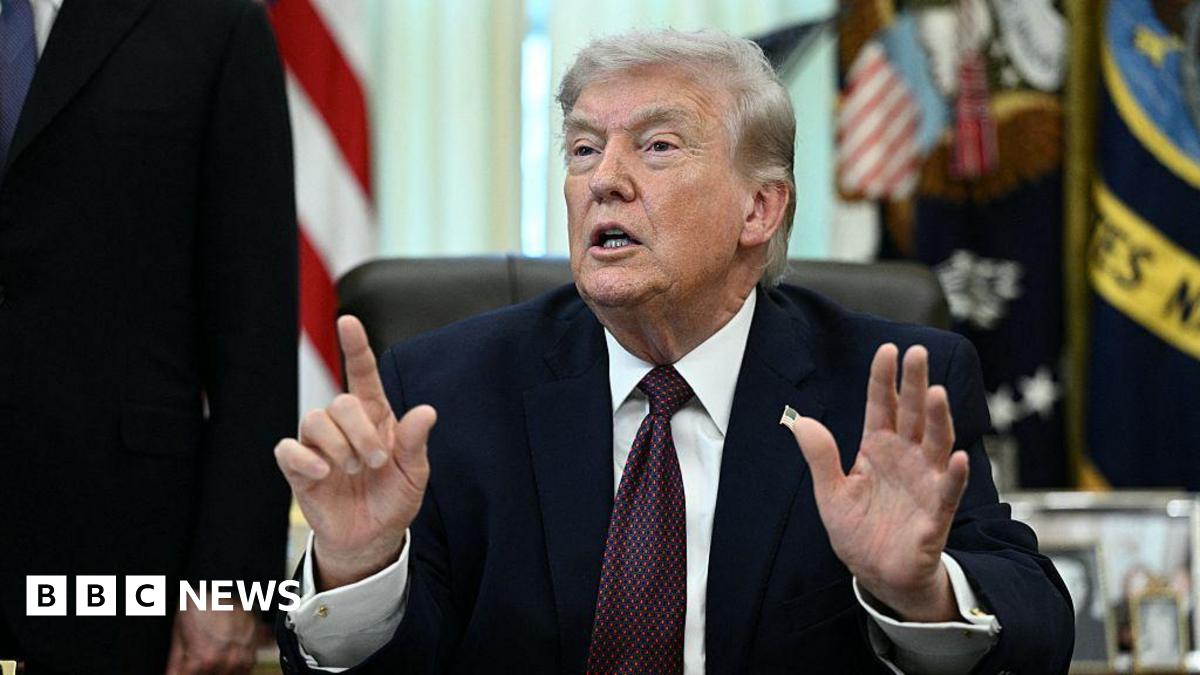
Trump administration pushes nations to sign 'trade over aid' declaration
Discover more

Global Politics
Trump Pressures Pope Leo on Iran Threat
Trump pressed Pope Leo to recognize Iran as a global threat, exposing a widening ideological divide that is complicating diplomacy across the Middle East.
Global Politics
Trump's Bold Move
Trump announced a U.S. exit from Iran with or without a deal, a bold move that heightens tensions across the Middle East and risks serious diplomatic fallout.

US Politics
Trump's Economic Reset
Trump pivots to economic relief in Nevada and Arizona amid rising gas prices, courting swing voters and resetting his message ahead of the 2026 midterms.

Economics
Fed's Amex AML order puts correspondent banking on notice
Federal Reserve's Amex AML order requires board-level controls and a 90-day plan; OCC fined the bank $350 million over enterprise-wide deficiencies.