Rahul Gandhi's 'Surrender Sangh' vs RSS
Gandhi weaponizes RSS leader's discomfort with India-US ties.
Model Diplomat3 min readIndia
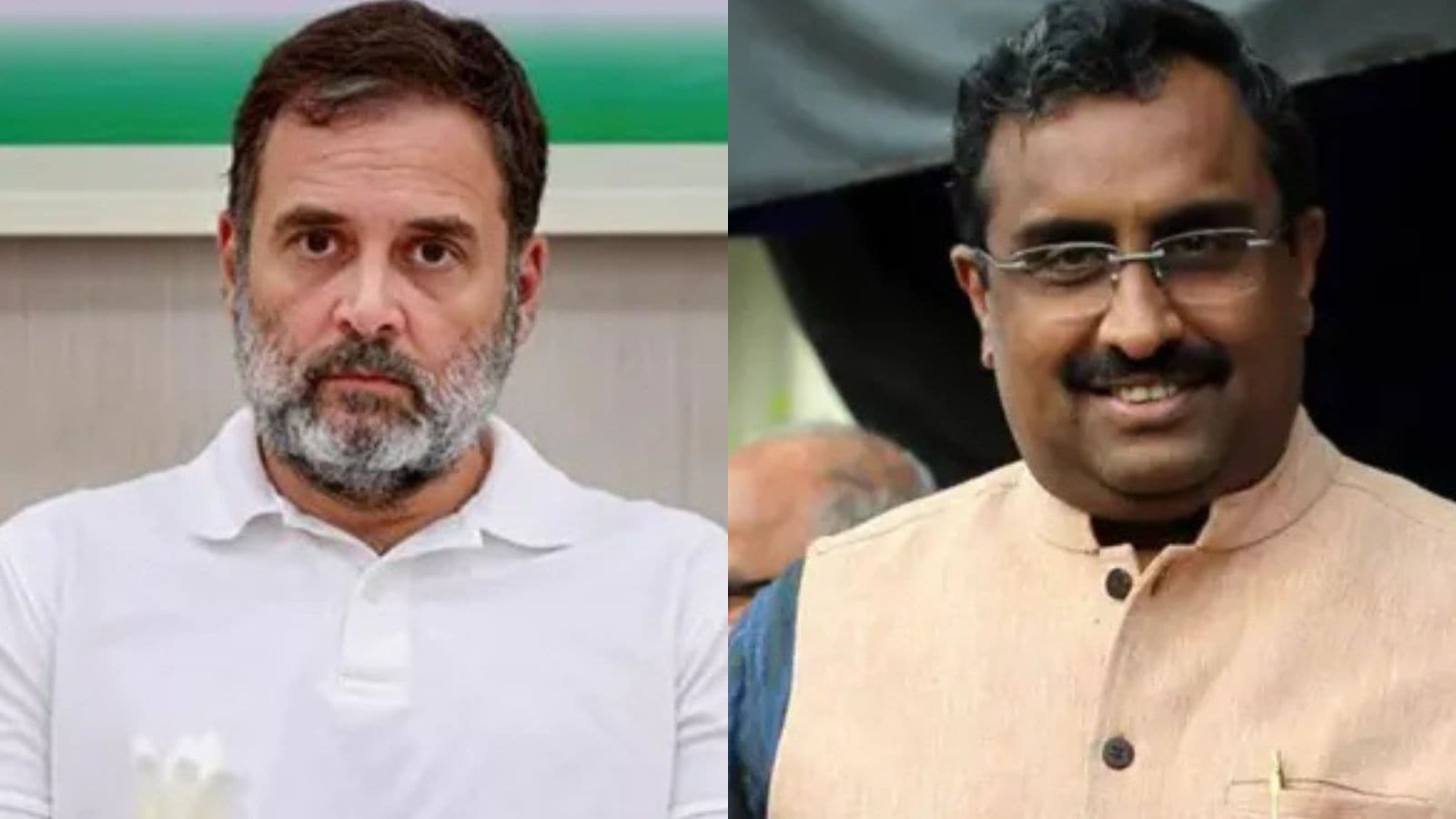
RSS Cracks Show: Gandhi's 'Surrender Sangh' Barb Lands on Live Wire
Rahul Gandhi's "Rashtriya Surrender Sangh" attack weaponizes RSS leader Ram Madhav's own discomfort with India-US ties — turning ruling-bloc tension into opposition ammunition.
Ram Madhav, RSS ideologue and former BJP general secretary, publicly expressed surprise at the strain in India-US relations — an admission that handed Congress's Rahul Gandhi exactly the attack line he needed. Gandhi's retort, branding the RSS as the "Rashtriya Surrender Sangh," isn't just a rhetorical flourish. It signals a deliberate Congress strategy: exploit fractures within the ruling establishment to prosecute the case that Modi has mismanaged India's most important bilateral relationship.
The Fracture Madhav Exposed
Madhav's remarks are striking precisely because of who said them. As an RSS insider and architect of BJP's foreign outreach, his public puzzlement at the India-US rift is a rare acknowledgment that something has gone wrong — and that the ideological parent of the BJP is not satisfied with the explanation. The backdrop is a bruising 18 months: the US imposed 50% tariffs on Indian goods in August 2025, Trump publicly noted Modi was "not that happy" with him over tariff friction, and the interim deal struck in early 2026 — settling at an 18% tariff rate — left major questions unresolved on agriculture, dairy, and data sovereignty, according to The Hindu.
The US Supreme Court's February 2026 ruling striking down Trump's IEEPA tariff authority added further turbulence, reshuffling the negotiating deck just as both sides were signaling a thaw. Commerce Minister Piyush Goyal and US Commerce Secretary Howard Lutnick met in New Delhi on February 27 to stabilize talks, but no finalized FTA text has been released.
Who Holds the Political Leverage Here
Gandhi's move is tactically sharp. By quoting Madhav against the government, he short-circuits the BJP's standard rebuttal — that critics are anti-national or uninformed. When the RSS itself is asking uncomfortable questions about India's standing with Washington, Congress can argue this is a ruling-establishment admission, not opposition spin.
The Congress party has been running a sustained campaign framing the India-US interim deal as a capitulation: threatening 50 million textile jobs, depressing farm prices through US agricultural imports, and compromising data sovereignty. Gandhi's Bhopal rally and subsequent parliamentary disruptions have kept India domestic politics tethered to the foreign policy fallout, per
The Hindu.
The BJP's position is uncomfortable on two fronts: defend a deal that its own ideological constituency finds puzzling, or distance itself from Modi's diplomatic management and invite a different set of questions.
What to Watch Next
Three pressure points define the next phase:
- The FTA text release. As long as the full negotiated terms stay unpublished, Congress controls the narrative on what India gave away. The moment a text drops, both sides will fight over the specifics — particularly farm and dairy market access.
- Madhav's follow-up. Whether the RSS doubles down, walks back, or goes silent on India-US ties will signal how deep the internal discomfort runs. A second statement from Madhav — or a conspicuous silence — matters.
- Bihar elections. Congress is specifically targeting farmers in electorally sensitive states. If the India-US deal becomes a rural mobilization issue before Bihar votes, the BJP faces a direct cost for any perceived diplomatic concession.
The "Surrender Sangh" label is designed to stick. Whether it does depends on what the trade deal actually delivers — and when the government is forced to show its hand.
Filed: April 25, 2026 | International Affairs |
India
Discover more
India
Congress Accuses Modi of Stalling Women's Law
Congress accuses Modi of stalling women's reservation law by linking it to delimitation, revealing a deeper electoral strategy.
India
Rajnath Singh's Durga Squad for 2026 Polls
Rajnath Singh's Durga Squad promised women's safety in Bengal but has since disappeared from the agenda, revealing BJP's true priorities.

Conflict & Security
Drone Warfare Killing Aid Workers at Unprec
Over 1,000 humanitarian workers killed in three years as cheap armed drones collapse legal protections. Gaza, Sudan, Ukraine, and DRC see deliberate targeting of aid convoys and hospitals with zero prosecutions.

Global
World Normalises Taliban as Afghan Women Eras
UN data shows Afghan women erased from public life as Russia recognises the Taliban, EU hosts officials in Brussels, and ICC warrants for gender persecution go unenforced.