Rahul Gandhi narrows the fight to Congress vs BJP
Rahul Gandhi is recasting the opposition as a two-party ideological contest, but in Haryana the harder problem is still Congress’s organisation and internal discipline.
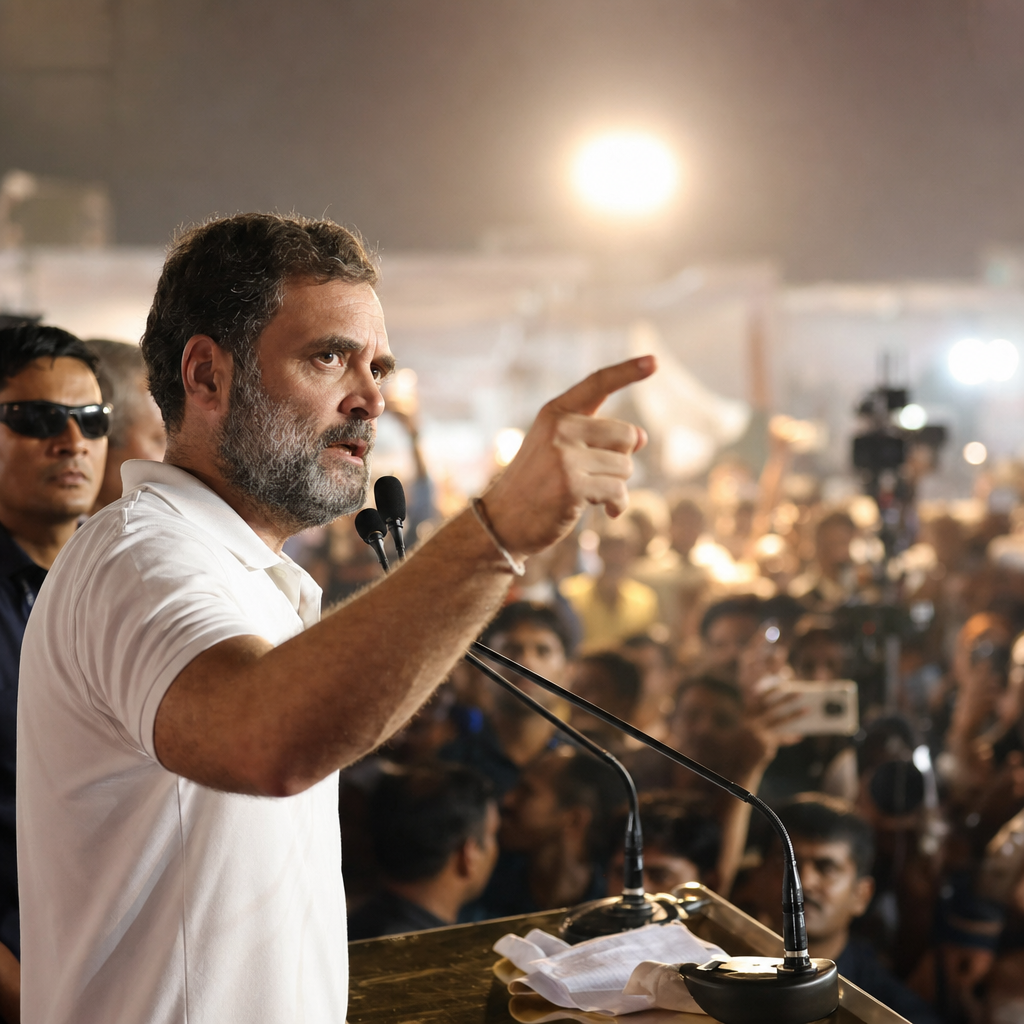
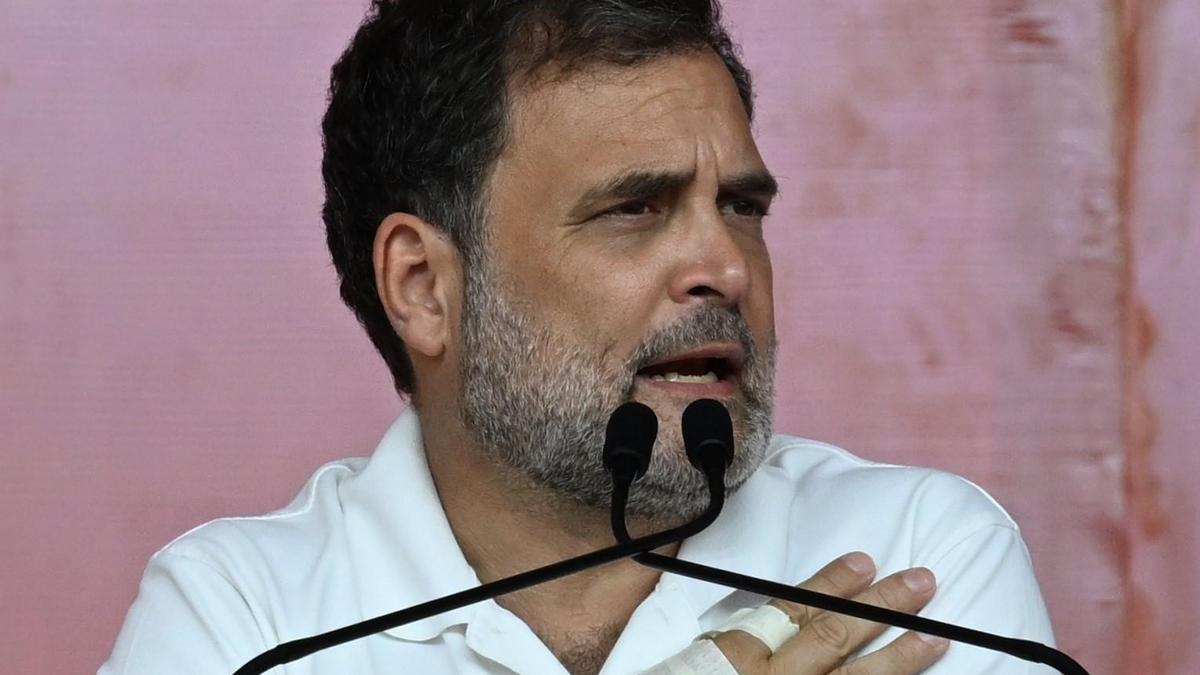
Rahul Gandhi used Brijendra Singh’s Sadbhav Yatra in Gurugram on Friday to make a blunt claim: only the Congress can defeat the BJP in what he called a battle between the RSS’s “ideology of hatred and partition” and the Congress’s “ideology of love and unity” ( The Hindu). That is more than campaign rhetoric. It is an attempt to define the opposition’s lane at a time when the BJP still controls the national narrative and Congress is trying to rebuild credibility in states where it has underperformed or fractured.
What Gandhi is really doing
The immediate audience was Haryana, but the message is national. Gandhi told the crowd on Khandsa Road that “other parties cannot take them on” and that “ultimately, only the Congress will stand against them and defeat them” (The Hindu). That is a clear bid to centralise the anti-BJP fight inside the Congress, not a broader INDIA bloc project.
That matters because the BJP benefits when the opposition is fragmented. The more Gandhi frames politics as a direct Congress-BJP showdown, the less room he leaves for regional allies to claim equal moral or strategic standing. For Congress, that can be useful: it puts Rahul at the centre, simplifies the message, and helps activists who want a sharper line. But it also exposes the party to a basic test—can it win votes on ideology alone?
In Haryana, that answer is not obvious. The BJP won 48 of 90 seats in the 2024 Assembly election, while Congress took 37, and post-poll reviews inside the party pointed to infighting, weak organisation and ticket-selection problems ( Frontline; The Hindu). That is the real constraint on Gandhi’s argument: Congress may have the cleaner ideological line, but the BJP still has the sturdier machine.
Haryana’s problem is organisation, not just narrative
Gandhi has already been pushing the Haryana unit toward organisational rebuild. In June 2025, he told a Congress meeting in the State to nurture “ideologically committed leadership,” as part of the party’s Sangathan Srijan Abhiyan (The Hindu). That tells you where the party sees the bottleneck: not simply message discipline, but the lack of durable local structures.
Brijendra Singh’s march is part of the same effort. ETV Bharat reported that the Sadbhav Yatra has been running for months, covering most of Haryana’s Assembly segments, with Singh arguing it is meant to foster brotherhood and revive the party’s grassroots presence ( ETV Bharat). The yatra gives Congress a vehicle to reconnect with voters and showcase unity. It also reveals a deeper problem: the need for a personality-driven campaign to substitute for organisational depth.
That is why the beneficiaries are specific. Rahul Gandhi gains authority over the party line; Brijendra Singh gains visibility as a state-level organiser; the Congress high command gains a platform to pressure Haryana factions. The losers are the local power centres that prefer ambiguity, especially where Hooda and other camps have clashed over control.
What to watch next
Watch whether Gandhi’s ideological push is followed by practical organisational decisions in Haryana—especially district appointments, cadre mobilisation and whether the party resolves its factional balance before the next local electoral test. The question is not whether Congress can denounce the BJP. It is whether it can turn that message into a functioning machine.