Rahul Gandhi's 'Rashtriya Surrender Sangh' Ex
Gandhi's critique exposes BJP's foreign policy vulnerabilities.
Model Diplomat3 min readIndia
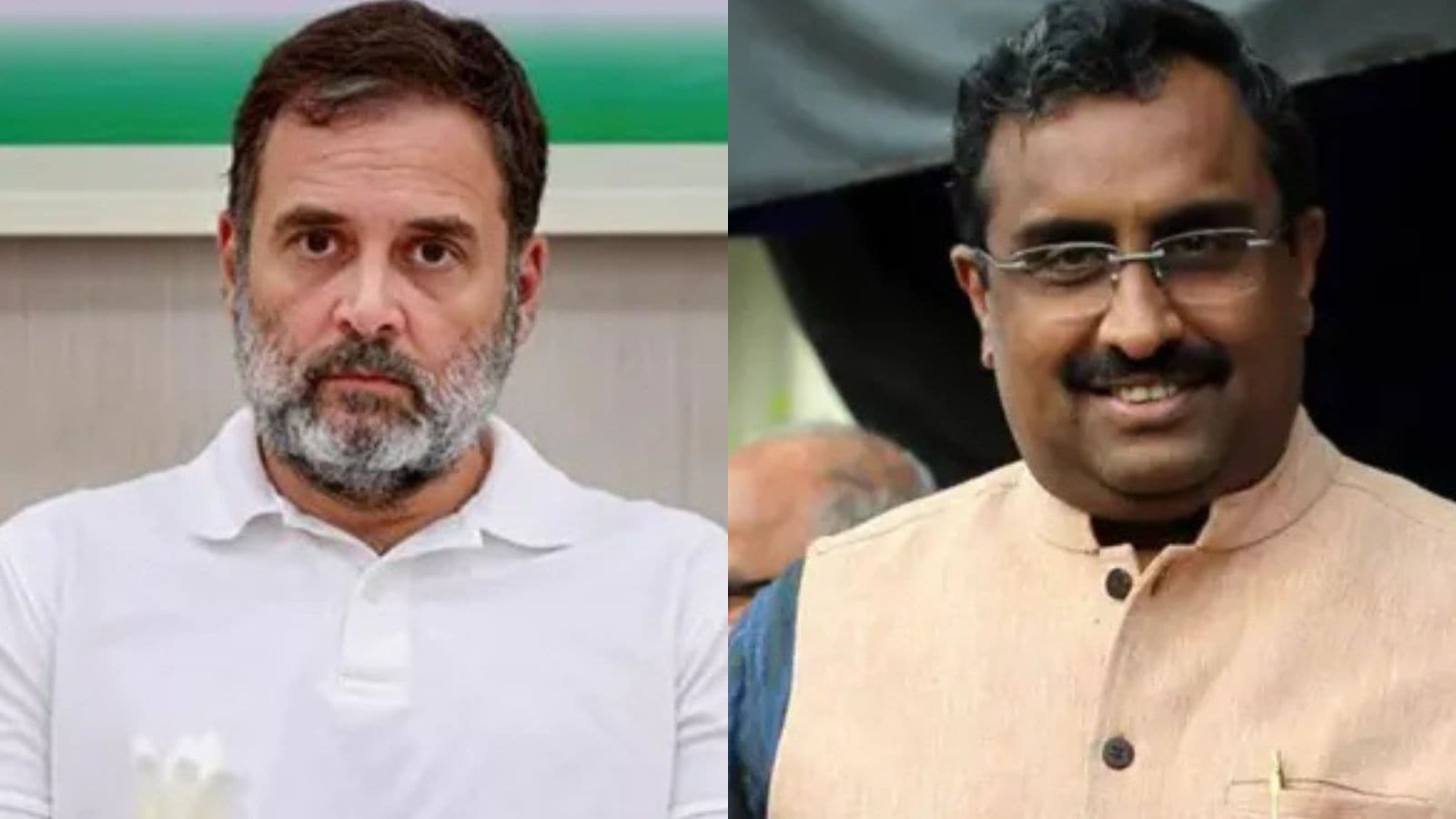
Rahul Gandhi's 'Rashtriya Surrender Sangh' Jab Exposes a Real BJP Fault Line
Ram Madhav's Washington remarks — that India conceded on oil and tariffs — gave the opposition a weapon the BJP can't easily holster.
Rahul Gandhi didn't waste the opening. After RSS leader Ram Madhav told an audience at the Hudson Institute's New India Conference in Washington that India had agreed to halt purchases of Russian and Iranian oil and accept higher US tariffs — framing these as concessions to preserve the bilateral relationship — Gandhi branded the RSS the "Rashtriya Surrender Sangh." The punchline was cheap. The underlying question it raises is not.
What Madhav Actually Said — and Why It Stung
Madhav's remarks landed during a period of genuine turbulence in India-US economic ties. Trump's administration doubled tariffs on key Indian imports — hitting garments, gems, footwear, and chemicals — to as high as 50% in August 2025, with an additional 25% tariff tied specifically to India's Russian oil purchases. Bilateral goods trade stood at $129 billion in 2024; the hit to Indian exporters was immediate, with equities posting their worst session in three months and the rupee sliding.
Madhav's framing — surprise that the relationship remained strained despite New Delhi's concessions — implied those concessions were real and significant. That is precisely why it exploded politically. India's official line has always been that it "vociferously protested" the tariffs and never agreed to stop buying Russian oil. Madhav subsequently walked back the remarks, calling them "factually incorrect." But the retraction confirmed the damage: a senior RSS figure had, on US soil, publicly contradicted the government's own negotiating posture.
For the opposition, this is a gift. Gandhi's attack is not really about the RSS — it's about Prime Minister Modi's central claim that his personal rapport with Trump delivers strategic benefit. If an RSS figure close to the establishment is openly puzzled by how little that rapport has yielded, the government's narrative has a credibility problem it can't outsource to the opposition.
The Bigger Structural Issue
The Modi-Trump trade relationship has been turbulent by any measure. Five rounds of failed talks preceded the August 2025 tariff escalation. A joint framework for an interim agreement was announced in February 2026, and in-person talks in Washington from April 20–23 were described as "constructive" — with no deadline attached. Commerce Minister Piyush Goyal has said a deal is "almost finalised," a formulation that has been in circulation long enough to invite skepticism.
Who benefits here: Gandhi and the Congress party get a rare instance where the BJP's own ideological ecosystem has done their opposition research for them. Who loses: The BJP's carefully managed image of foreign policy competence, and Madhav personally, whose Washington pivot has made him a liability rather than an asset in the US engagement circuit.
On India policy, the Madhav episode underscores a structural tension — the government needs to project strength domestically while making real accommodations externally. Those two postures are increasingly hard to reconcile as the trade deal negotiations drag on.
What to Watch
The next pressure point is the interim trade agreement. If Goyal's "almost finalised" deal materialises without visible Indian concessions on oil sourcing or market access, the government has a counter-narrative. If the deal requires formally codifying what Madhav described — reduced Russian oil purchases, lower tariff barriers — Gandhi's framing will return with harder evidence behind it. Watch the next round of India-US trade talks and whether any deadline is finally attached to the interim framework.
Discover more
India
Rajnath Singh's Durga Squad for 2026 Polls
Rajnath Singh's Durga Squad promised women's safety in Bengal but has since disappeared from the agenda, revealing BJP's true priorities.
India
BJP Congress Clash Over MP Bill Defeat
The BJP's defeat of the women's quota amendment sparks a political narrative war with Congress, impacting future elections.

Conflict & Security
Drone Warfare Killing Aid Workers at Unprec
Over 1,000 humanitarian workers killed in three years as cheap armed drones collapse legal protections. Gaza, Sudan, Ukraine, and DRC see deliberate targeting of aid convoys and hospitals with zero prosecutions.
Global
World Normalises Taliban as Afghan Women Eras
UN data shows Afghan women erased from public life as Russia recognises the Taliban, EU hosts officials in Brussels, and ICC warrants for gender persecution go unenforced.