Rahul Gandhi Slams Modi's Women's Bill Tactic
Gandhi warns of electoral manipulation through women's reservation
Model Diplomat3 min readIndia
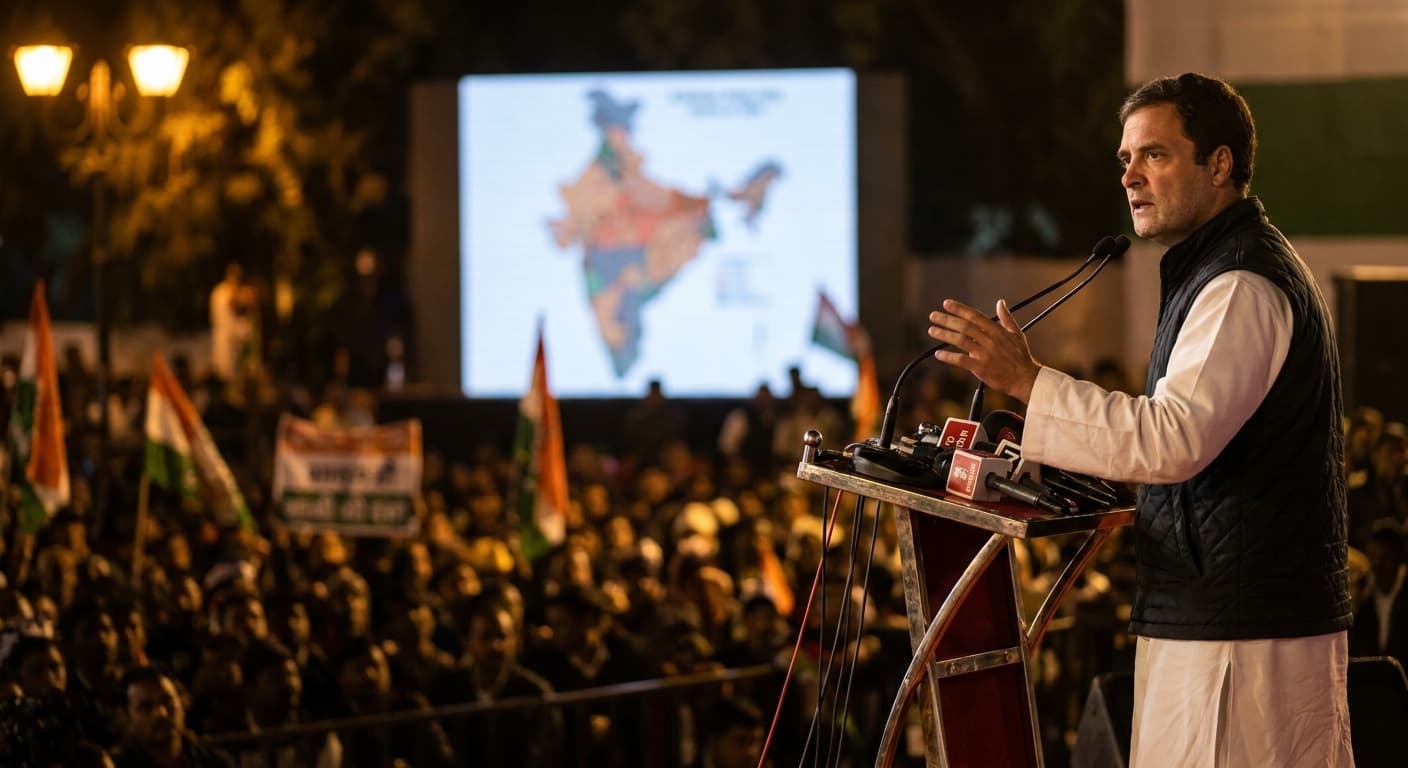
Rahul Gandhi Calls Centre’s Women’s Bill a Cover for Electoral Map Redraw
Rahul Gandhi accuses Modi government of linking the Women’s Reservation Bill to a delimitation push that could reshape India’s electoral landscape in favor of northern states.
Congress leader Rahul Gandhi has publicly condemned the Narendra Modi government’s recent move to link the Women’s Reservation Bill—which proposes 33% reservation for women in Parliament—with a delimitation exercise that could expand Lok Sabha seats to 850. Gandhi called this coupling a “panic reaction” by the ruling party, designed primarily to redraw the electoral map in a way that benefits northern and Hindi-speaking states at the expense of others.
Why This Matters: Beyond Women’s Empowerment
At face value, the Women’s Reservation Bill continues a long-standing demand from activists and political circles for increased female representation in Parliament—a goal broadly supported across parties. However, the current government’s move to tie this with delimitation (the redrawing of electoral district boundaries) has raised alarm bells about political motives.
Delimitation exercises in India historically carry major redistributive consequences. Seats in the Lok Sabha are apportioned based on population, and redrawing boundaries can shift political power between states or regions. The proposed increase from 543 to potentially 850 seats is unprecedented and, if implemented, would give more representation to fast-growing states—primarily in the Hindi heartland like Uttar Pradesh, Madhya Pradesh, Rajasthan, and Bihar.
Gandhi’s critique underscores a deeper fear: that the delimitation is less about fair representation and more about consolidating the BJP’s northern electoral base. The Modi administration has strongholds in these states, which could gain disproportionate influence in Parliament. States from the south and northeast, which tend to support opposition parties, may face relative political marginalization.
Historical Context: Delimitation as a Political Lever
India last conducted a major delimitation based on the 2001 Census, but decided to freeze the total number of Lok Sabha seats at 543 until after 2026, citing concerns about penalizing states that had successfully controlled population growth. Resuming delimitation now signals a shift, potentially allowing states with higher population growth to gain more representation.
This pivot carries echoes of past political maneuvers: delimitation exercises have often been contested for bias or perceived to serve ruling parties’ interests. The last big overhaul in the 1970s coincided with shifts in political fortunes. If the center pushes delimitation alongside the Women’s Bill, it could lead to a mushrooming of seats designed to entrench BJP’s dominance just ahead of the 2029 general elections.
What to Watch Next
- Parliamentary Debate and Opposition Response: Critics like Rahul Gandhi will pressure opposition parties to scrutinize the bill and delimitation linkage, framing it as a gerrymandering tactic. Watch for how regional parties, particularly from the south and northeast, respond.
- Population Data and Census Updates: The delimitation will depend heavily on the latest demographic data. Political battles over census methodology and population counts may intensify.
- Women’s Reservation Bill Passage: Will the bill pass in its current form or be unbundled? Any delay or weakening could signal the government’s difficulty balancing representation with political advantage.
- State Reactions: States poised to gain or lose seats will lobby hard, potentially fragmenting alliances within the ruling coalition or opposition.
This development highlights the complexity of India’s electoral reforms—where issues like women’s representation intersect with deep-rooted political calculations over regional balance and power. Rahul Gandhi’s framing pegs the government’s approach as politically expedient rather than purely reformist, raising stakes for India’s democratic complexity ahead of the next elections.
For more on India’s political dynamics, see India profile and related
Global Politics.
“Not women’s bill; attempt to change electoral map of India,” Rahul Gandhi, NDTV
Discover more

India
Modi's Nari Shakti Gambit
Modi's Varanasi speech redefines women's empowerment as a Nari Shakti gambit, blending appeals for women's votes with the contentious delimitation debate.
India
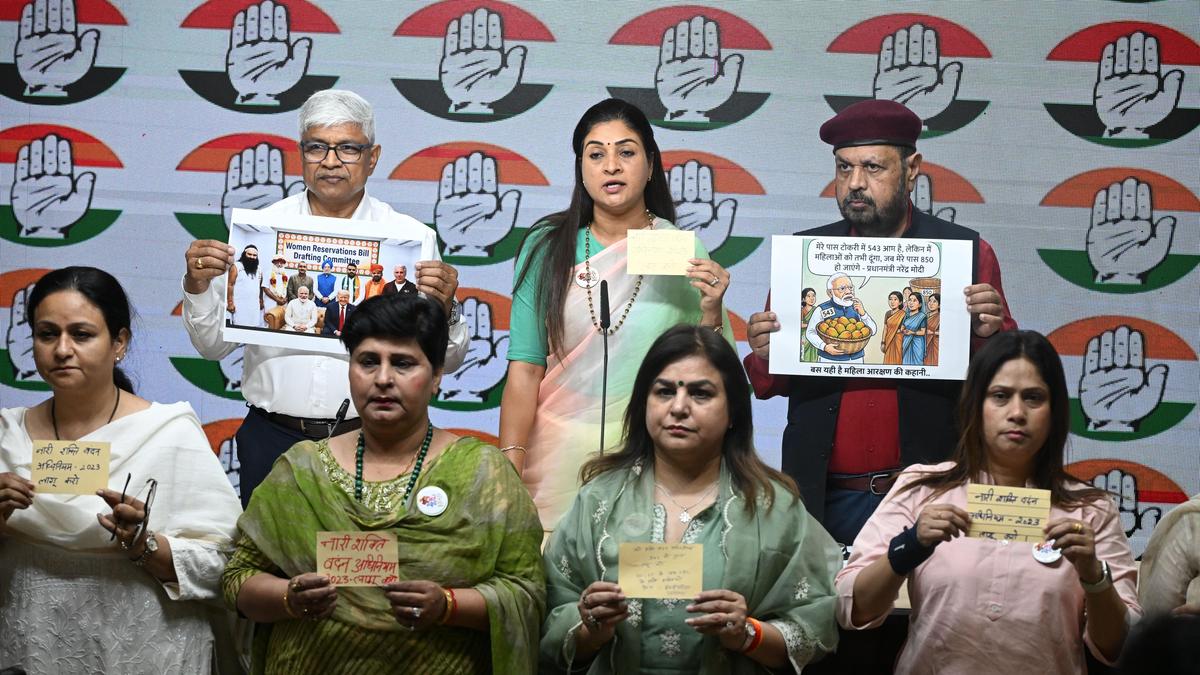
Mahila Congress Postcard Push for Women's Quo
The Mahila Congress launches a postcard campaign to demand immediate implementation of the 33% women's reservation in India's Lok Sabha, targeting PM Modi.
India
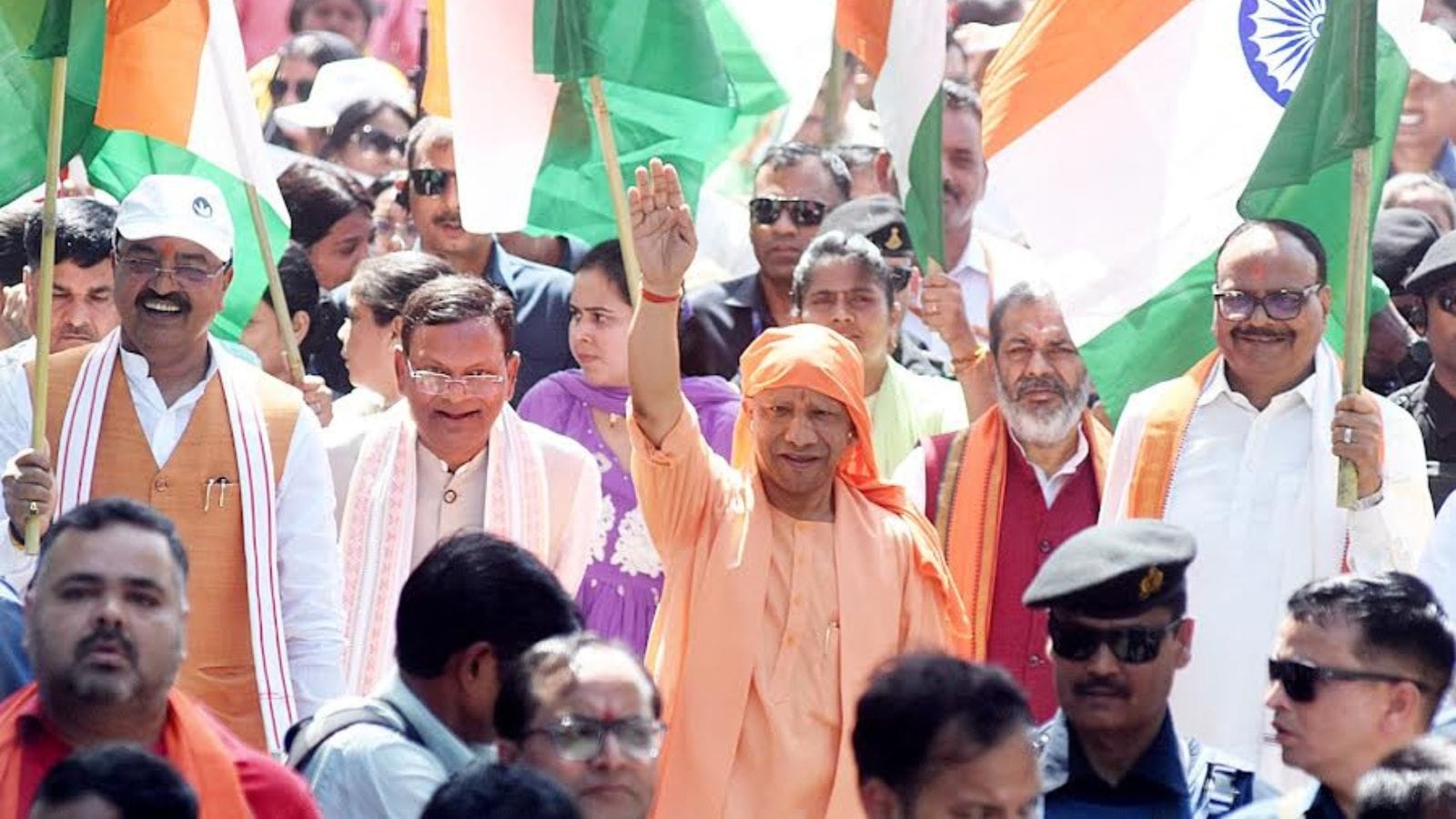
Yogi Adityanath's BJP March on Women's Bill
Yogi Adityanath's padyatra after the women's bill defeat aims to reshape UP's 2027 elections, targeting women's votes against the SP.
India
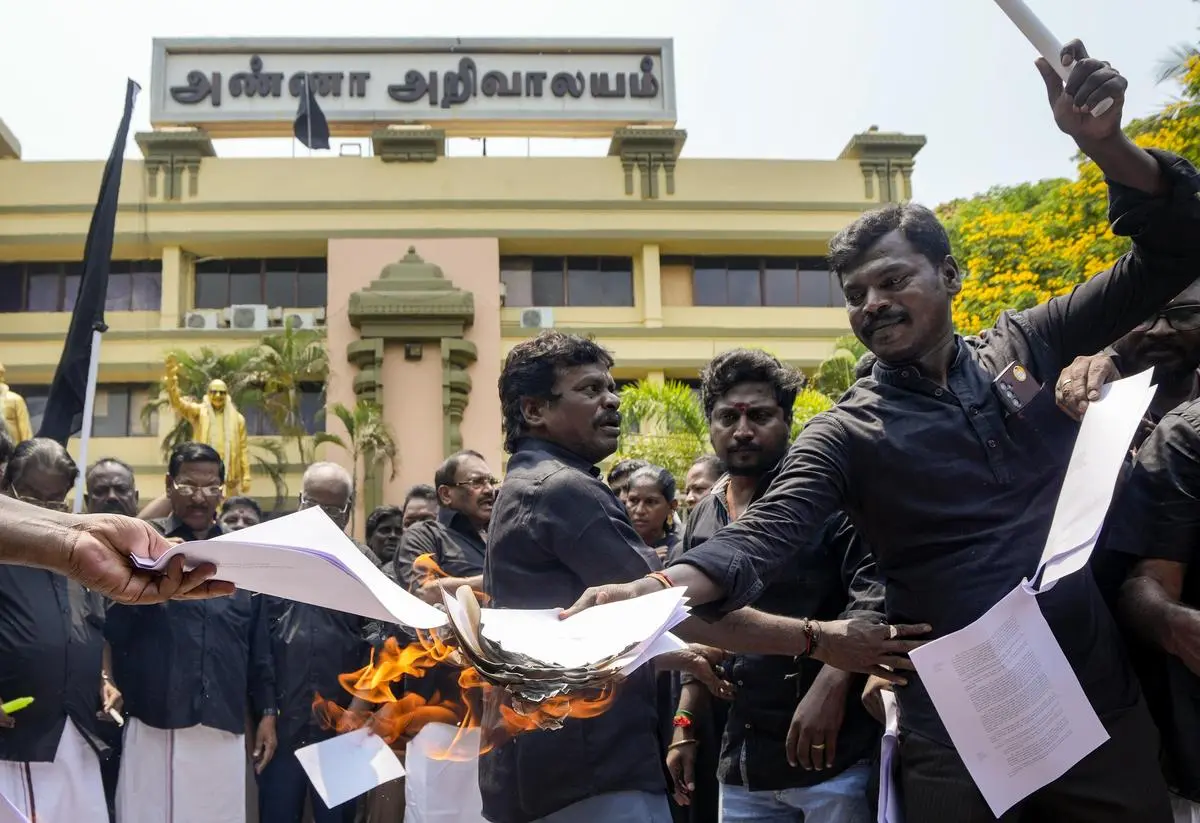
Women’s Reservation Bill 2026
The Constitution (131st Amendment) Bill, 2026 was defeated in Lok Sabha, revealing deeper political conflicts over women's reservation and delimitation.