Putin’s Oreshnik Strike Sends a Nuclear
Russia's missile attack signals coercion to NATO and Europe.
Model Diplomat2 min readEurope
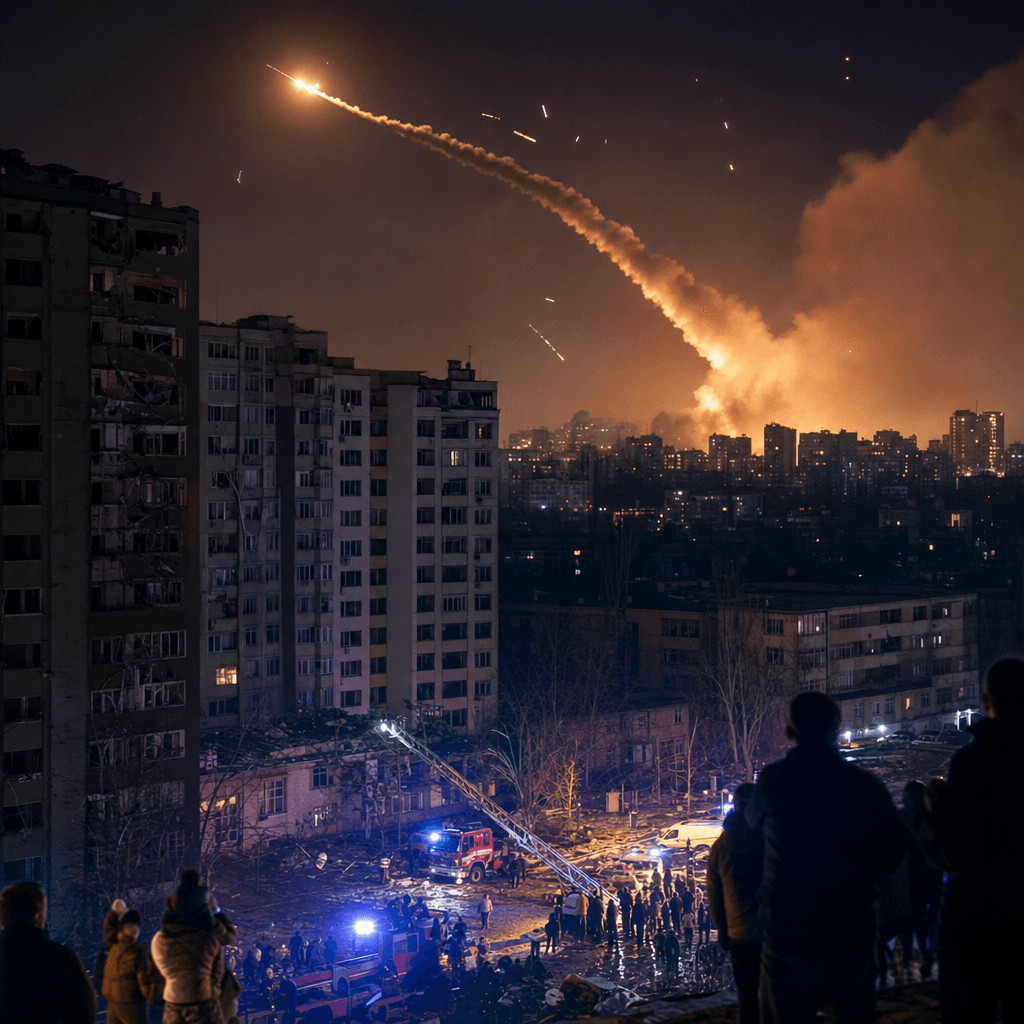
Putin’s Oreshnik Strike Sends a Nuclear Signal to NATO
[Russia’s latest Oreshnik attack is coercion, not just firepower: Kyiv is exposed, and Europe is being forced to choose how hard to answer.]
Russia’s use of the nuclear-capable Oreshnik missile in a major overnight strike on Kyiv is a message to the West as much as an attack on Ukraine. EU foreign policy chief Kaja Kallas called it a “political scare-tactic and reckless nuclear brinkmanship,” after Russia used the missile again in a barrage that Ukraine says hit the capital and surrounding region (The Guardian). Moscow’s defence ministry confirmed the Oreshnik launch and said the strike was retaliation for Ukrainian attacks on Russian-held territory (
BBC;
NPR).
A weapon built for signaling
The point of the Oreshnik is not just destruction. It is ambiguity. Russia says the missile can travel at more than 10 times the speed of sound and can carry conventional or nuclear warheads, a dual-capable profile that blurs the line between battlefield strike and strategic intimidation (BBC;
NPR). That is why the missile matters even when it does not change the front line: it forces Ukraine and its partners to react under compressed decision time, with little confidence they can intercept it (
BBC).
For Moscow, that is leverage. Putin can use a high-profile missile launch to remind Europe that escalation is a choice he can make, while denying that he has crossed the nuclear threshold. That keeps pressure on Washington and European capitals without requiring Russia to take the costs of an overt nuclear move.
Europe is the intended audience
This strike lands in the middle of a wider contest over allied resolve. Ukraine’s President Volodymyr Zelenskyy said American and European partners warned Kyiv that Russia was preparing to use the Oreshnik, and he argued the weapon sets “a global precedent” if Moscow is allowed to get away with it (The Guardian). Kallas said the launch was meant as a warning to Europe and the United States, while French President Emmanuel Macron condemned the attack as evidence of the “dead end” of Russia’s war (
The Guardian;
NPR).
That is the real political effect. Russia is trying to raise the price of sustained support for Ukraine by making every European discussion about air defense, sanctions, and escalation management feel more dangerous. For readers tracking the larger contest, this sits squarely in the Global Politics file: coercive signaling is now part of the battlefield.
What to watch next
The next decision point is political, not military. Ukraine is pressing for an urgent UN Security Council meeting and a Ukraine-NATO Council session after the strike, while EU foreign ministers are set to discuss further pressure on Moscow next week (NPR;
The Guardian). If European capitals answer with more sanctions, more air-defense aid, or a sharper public warning on nuclear signaling, Putin’s coercive use of Oreshnik has already achieved its aim: it has forced the alliance onto the defensive.
Discover more
Global
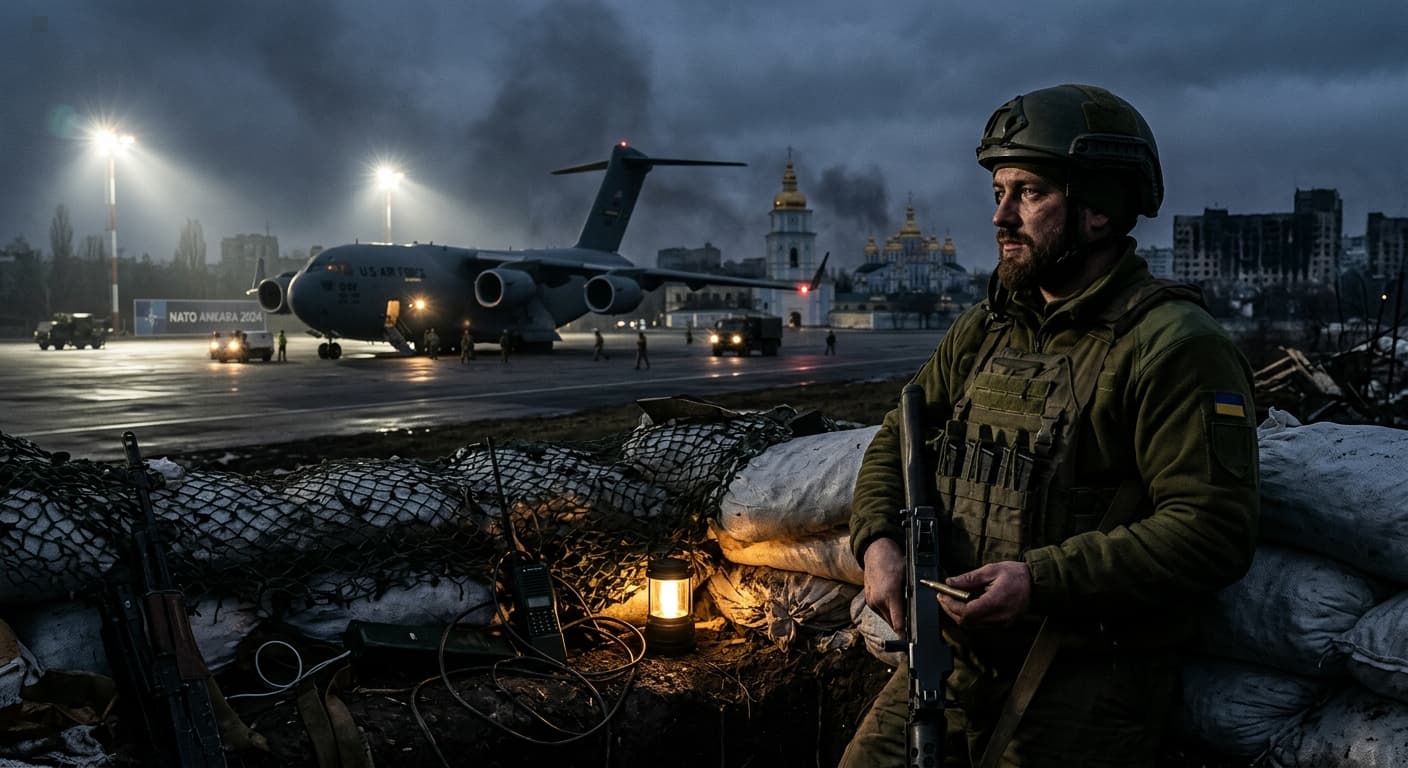
Kyiv's Empty Quiver: Ankara Summit on NATO
As Russia strikes Kyiv, NATO's Ankara summit must address Ukraine's urgent air defense needs amid dwindling interceptor supplies.

India
Russia's Balancing Act with India and China
Russia's deepening dependence on China is straining its long-standing strategic partnership with India, exposing the limits of Moscow's balancing act in Asia.
Conflict & Security
Russia Encircles Konstantinovka—Key to Donbas
Russia's encirclement of Konstantinovka could unlock the wider Donbas for further advances, marking a pivotal moment in its grinding eastern offensive.
Conflict & Security
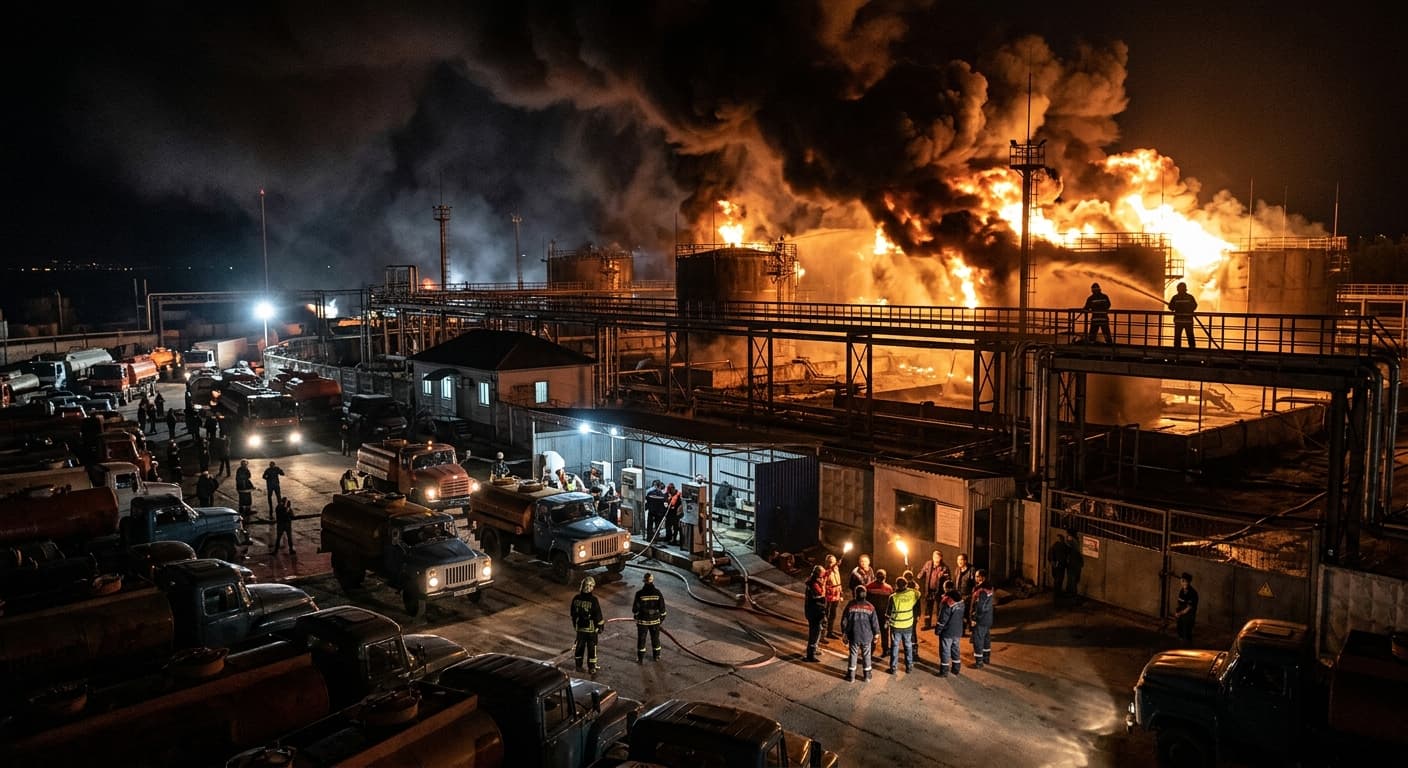
Ukraine's Energy Offensive Hits Crimea
Ukraine's drone campaign is disrupting Russian fuel supplies and forcing rationing in Crimea, turning energy infrastructure into a key front of the war.