Pope Leo's Encyclical on AI and Dignity
Vatican addresses AI's impact on humanity and ethics
Model Diplomat3 min readGlobal
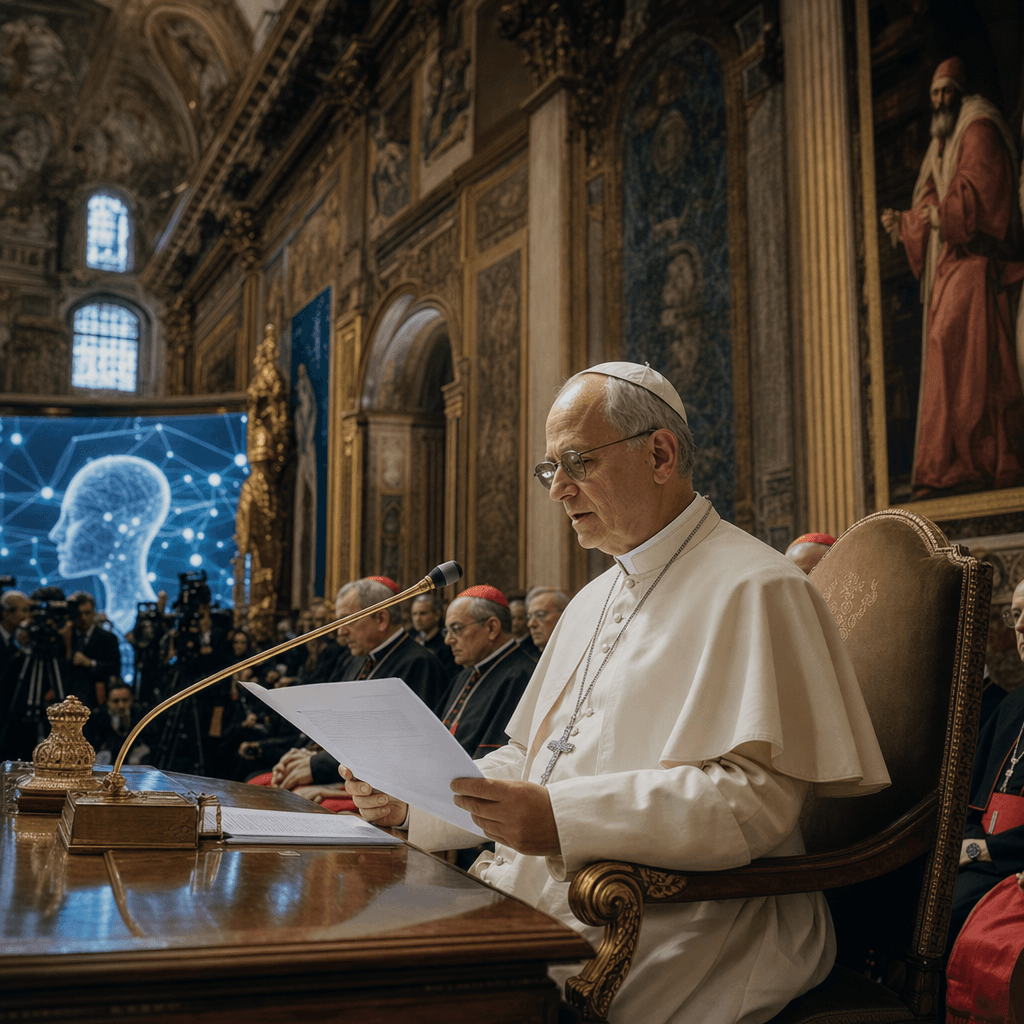
Pope Leo’s first encyclical makes AI a Vatican issue
The new pope is using his first major text to frame artificial intelligence as a test of human dignity, work, and war — and to make the Vatican relevant to Silicon Valley.
Pope Leo XIV is turning his first encyclical into a direct intervention in the AI debate, with the Vatican saying he will release a document on the “protection of the human person in the age of artificial intelligence” on May 25, in an event that will include Anthropic co-founder Christopher Olah, according to Reuters and the Vatican coverage summarized by
The Guardian. That is the power move here: Leo is not treating AI as a niche ethics question. He is elevating it to the level of Catholic social teaching, where the church tries to define the moral terms of a global system before the system hardens around business and military interests.
Why this matters
The Vatican’s leverage is not regulatory; it is normative. Leo cannot fine OpenAI, Anthropic, Google, or Microsoft. But he can shape how bishops, Catholic universities, policymakers, and much of the world’s 1.4 billion Catholics talk about AI. That matters because the church is already in the room on this issue. Brookings notes that Leo has warned AI could fuel “polarization, conflict, fear and violence,” and that the Vatican has already pressed for restrictions on discriminatory AI, privacy abuses, and lethal autonomous weapons. In other words, this is not a first encounter with technology; it is a more forceful escalation.
The symbolism is as important as the substance. Leo signed the text on May 15, the same date Leo XIII signed Rerum Novarum in 1891, the encyclical that became the template for modern Catholic social teaching on labor and capital, as The Guardian reported. That parallel is not accidental. Leo is signaling that AI is the new industrial revolution: a force that will reorder work, power, and class relations, and therefore demands a moral answer before governments can agree on a legal one.
The choice of presenters reinforces that strategy. Tradition says cardinals unveil encyclicals. Leo is instead putting a lay AI executive on the stage alongside senior Vatican figures, as The Guardian and
Reuters both note. That widens the audience beyond church circles and makes the document look less like internal doctrine and more like a policy statement aimed at the people building the technology. It also puts pressure on American tech firms, many of which are already watching Vatican language on labor displacement, data use, and autonomous weapons through the lens of
United States politics.
What to watch next
The immediate question is whether Leo’s encyclical stays at the level of broad principles or moves toward concrete red lines. Foreign Affairs expects him to push for an international agreement on AI risks, including restrictions on AI-guided weapons against civilians. If that language appears, it will give Catholic diplomats, especially in Europe and Latin America, a template for lobbying at the UN and in national capitals.
Watch three dates and one constituency: the May 25 launch; the reaction from major AI firms; the response from U.S. Catholic leaders; and whether governments cite the encyclical in upcoming AI or arms-control debates. If Leo lands this well, he sets the Vatican up as a durable moral actor in the next major technology fight — not because it has coercive power, but because it can still define legitimacy.
Discover more
US Politics
Congress Targets AI Chatbot Access for Terror
The House passed the Generative AI Terrorism Risk Assessment Act, focusing on AI's role in terrorism and potential surveillance implications.
International Relations
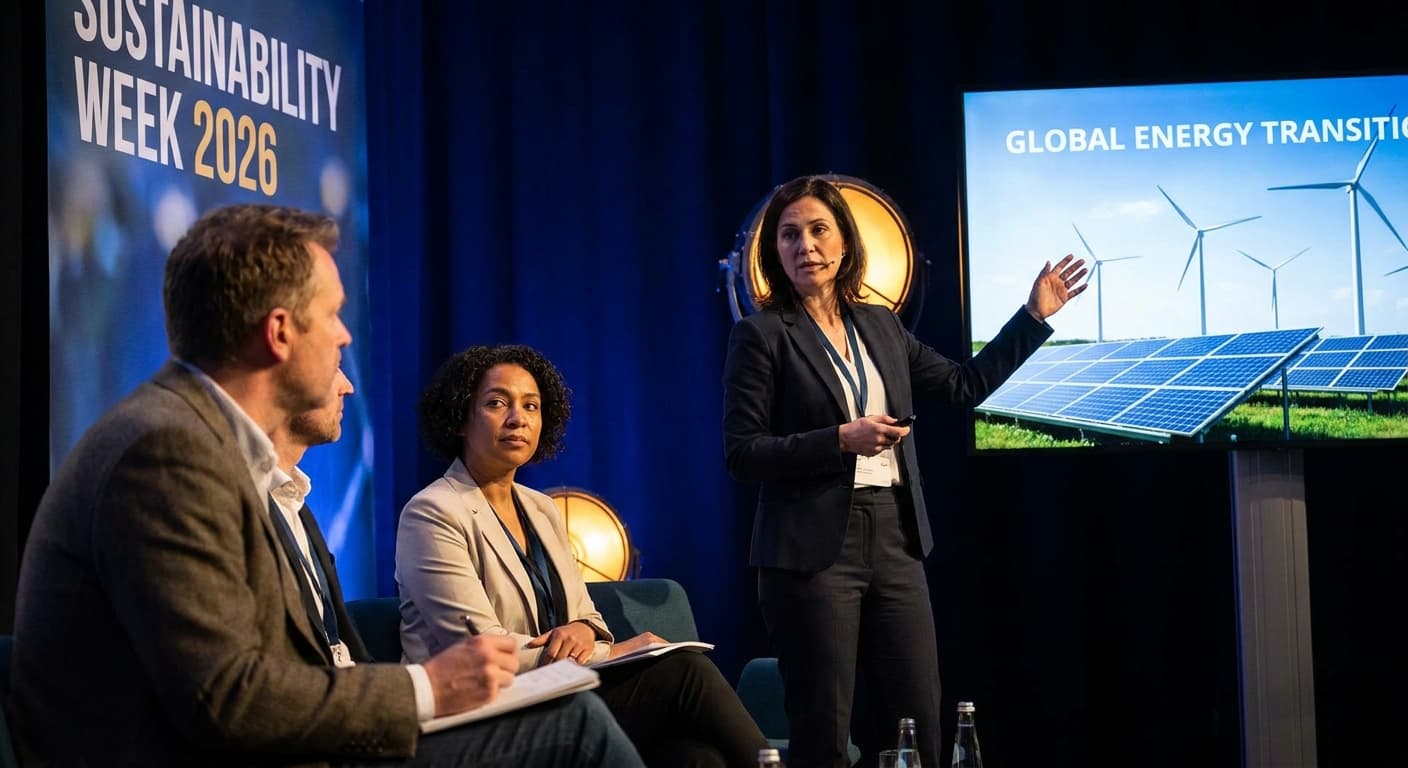
Economist Impact Sustainability Week 2026
Economist Impact Sustainability Week 2026 spotlights the energy transition, AI in clean technology, and supply chain resilience as themes for global leaders.
India
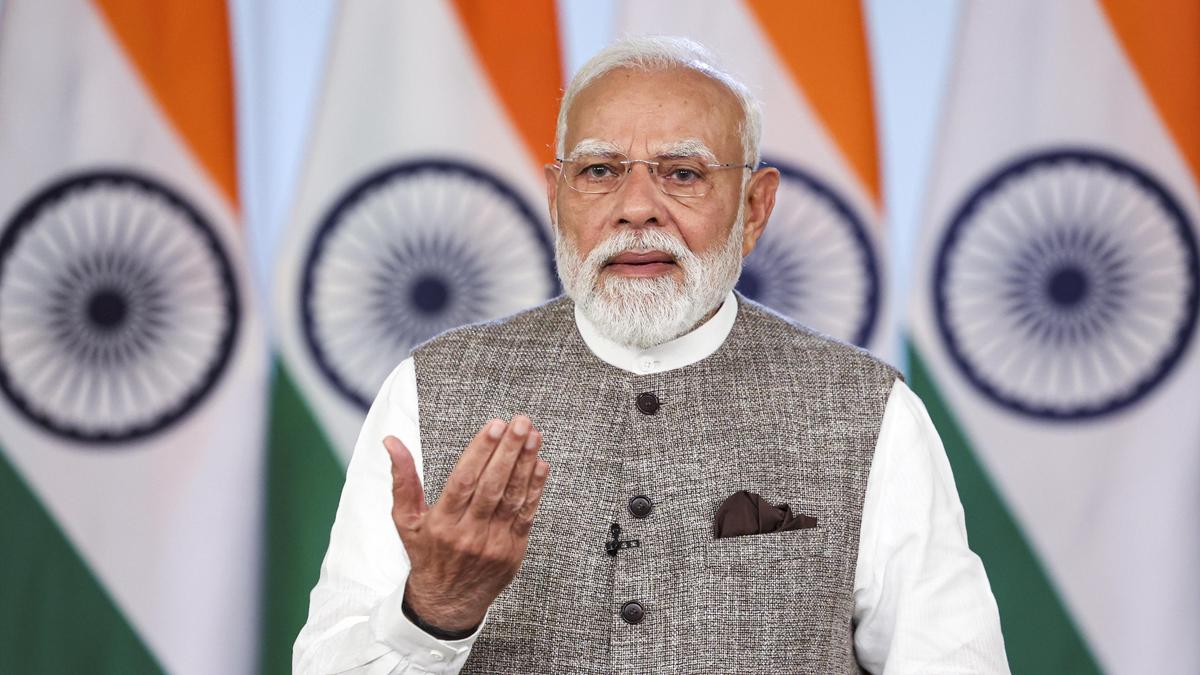
700 Activists Accuse PM Modi of MCC Breach
Over 700 activists allege PM Modi breached election code with a televised address attacking opposition parties just before state elections.

Economics
Fed's Amex AML order puts correspondent banking on notice
Federal Reserve's Amex AML order requires board-level controls and a 90-day plan; OCC fined the bank $350 million over enterprise-wide deficiencies.