Pope Leo XIV vs Trump: A Pastoral Crisis
Pope Leo XIV faces political challenges from Trump in his first year.
Model Diplomat3 min readNorth America
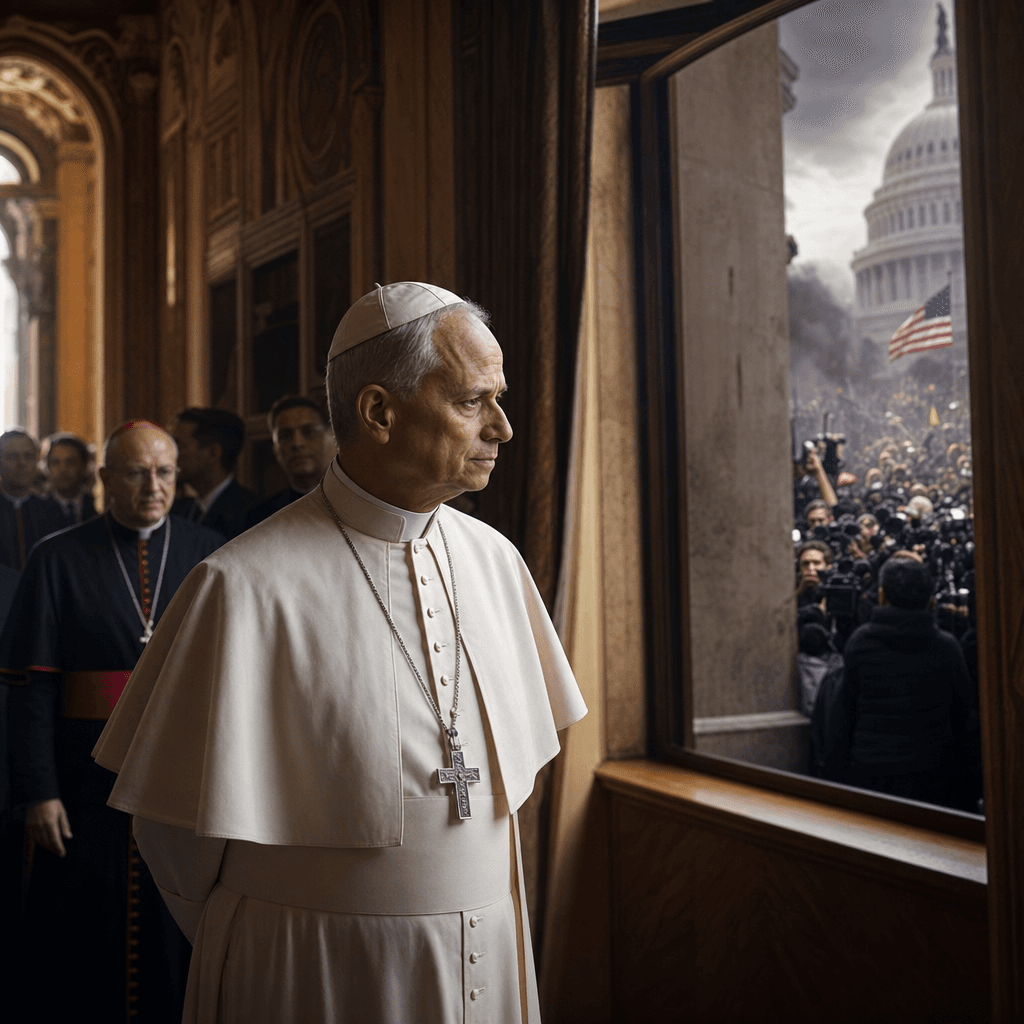
Leo XIV’s Trump Clash Shrinks His First-Year Pastoral Agenda
Pope Leo XIV wanted a quiet, pastoral start. Trump forced a public fight instead, turning the first American pope into a political target.
Pope Leo XIV is trying to define his first year around peace, migration and pastoral authority. Donald Trump is using the opposite playbook: personal attacks, political framing and the leverage of the U.S. presidency. Leo responded this week by saying his mission is simply to preach the Gospel and peace, and that critics are free to judge him on that basis, not on partisan terms (Reuters).
The power dynamic is clear
Trump has the louder megaphone and the domestic political incentive. By portraying Leo as “weak” on crime and soft on foreign policy, he turns a pope into another opponent in America’s culture war, with obvious payoff among conservative Catholics and anti-establishment voters (The Washington Post). Leo’s leverage is different: moral authority, global reach and the institutional weight of the Holy See. He cannot outshout Trump, but he can refuse the frame.
That matters for Global Politics because the Vatican is not just a church; it is a diplomatic actor. When the pope speaks about nuclear weapons, migration or war, he is also speaking to states. That is why Trump’s attacks are more than a personal spat: they are a bid to force the Vatican into reactive mode, while Leo wants to keep the papacy in pastoral mode (
Reuters).
What Leo loses — and what the Vatican may still gain
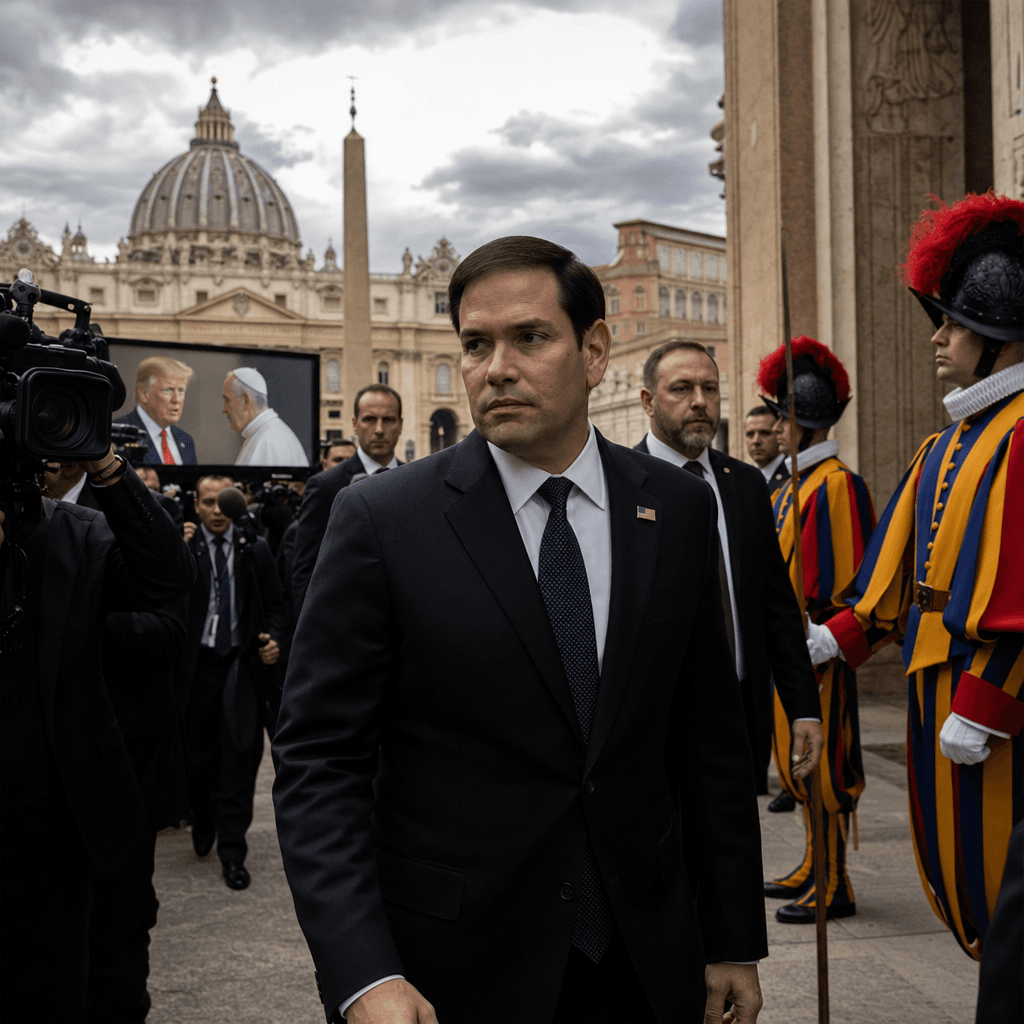
The cost for Leo is agenda control. Instead of building a first-year narrative around peace and social teaching, he is spending oxygen on rebutting Trump’s claims about Iran and U.S. foreign policy. NPR reported that the clash has already spilled into diplomacy, with Secretary of State Marco Rubio’s Vatican visit framed as an effort to stabilize a relationship now under strain after weeks of sharper exchanges (NPR).
But the Vatican may also benefit from the confrontation if it hardens Leo’s identity early. The pope’s message is becoming easier to summarize: peace first, nuclear restraint, protection for migrants, no alignment with any partisan camp. NPR noted that Leo had previously criticized “inhumane” treatment of migrants and later condemned threats against Iran as unacceptable, which ties the Trump dispute to a broader papal line rather than a single quarrel (NPR).
For United States politics, the risk is that Trump narrows Catholic diplomacy into a loyalty test. That could help him with some conservatives now, but it also complicates Rubio’s job: the most visible Catholic in the cabinet is left trying to preserve working ties with a pope his own president is publicly antagonizing (
The Washington Post).
What to watch next
The next decision point is whether Rubio’s Vatican outreach cools the rhetoric or merely delays another round of Trump attacks. Watch for any follow-up from Leo after the Rubio meetings, and for whether the White House keeps using Iran, migration and crime to drag the pope back into U.S. domestic politics. If Trump keeps pressing, Leo’s first year will be defined less by pastoral consolidation than by defensive diplomacy.
Discover more
US Politics
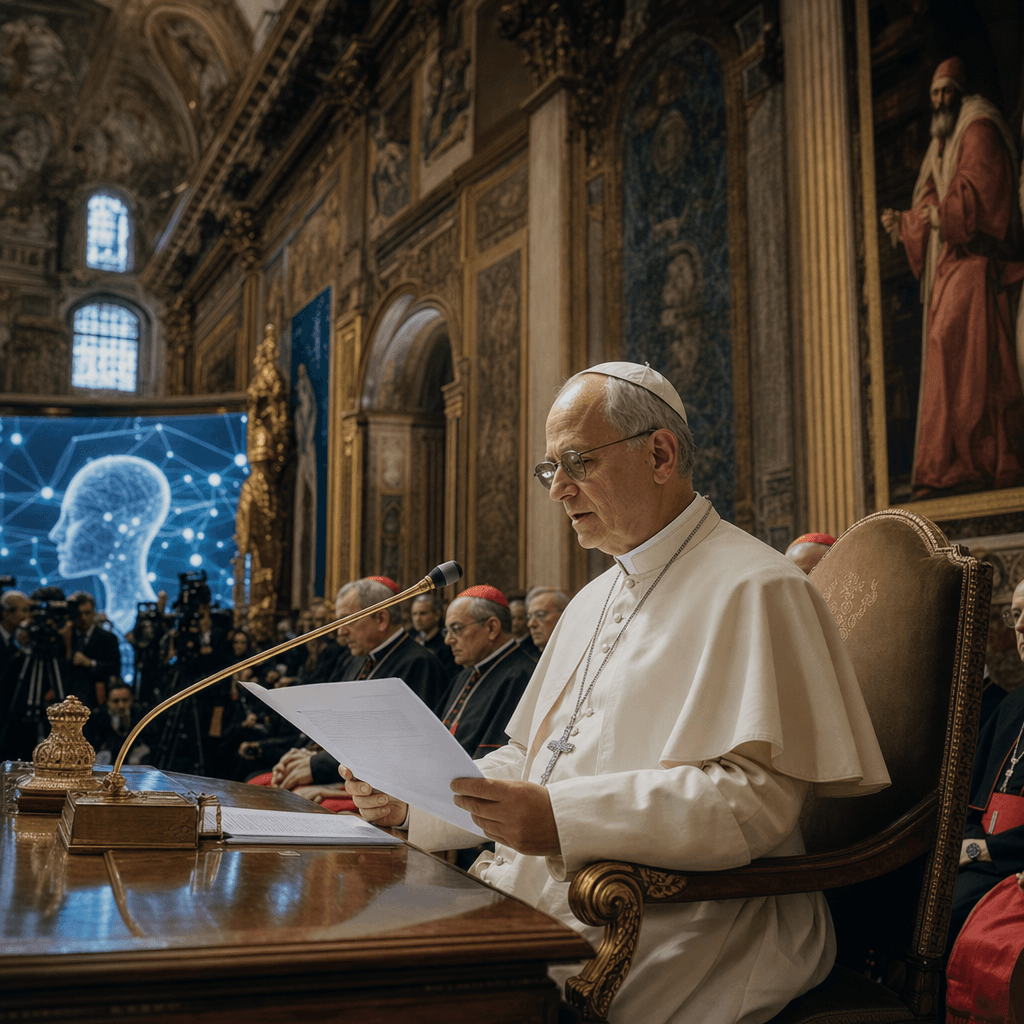
Pope Leo's Encyclical on AI and Dignity
Pope Leo XIV's new encyclical elevates artificial intelligence to a moral question for the Church, framing AI ethics and human dignity as core Vatican concerns.
US Politics
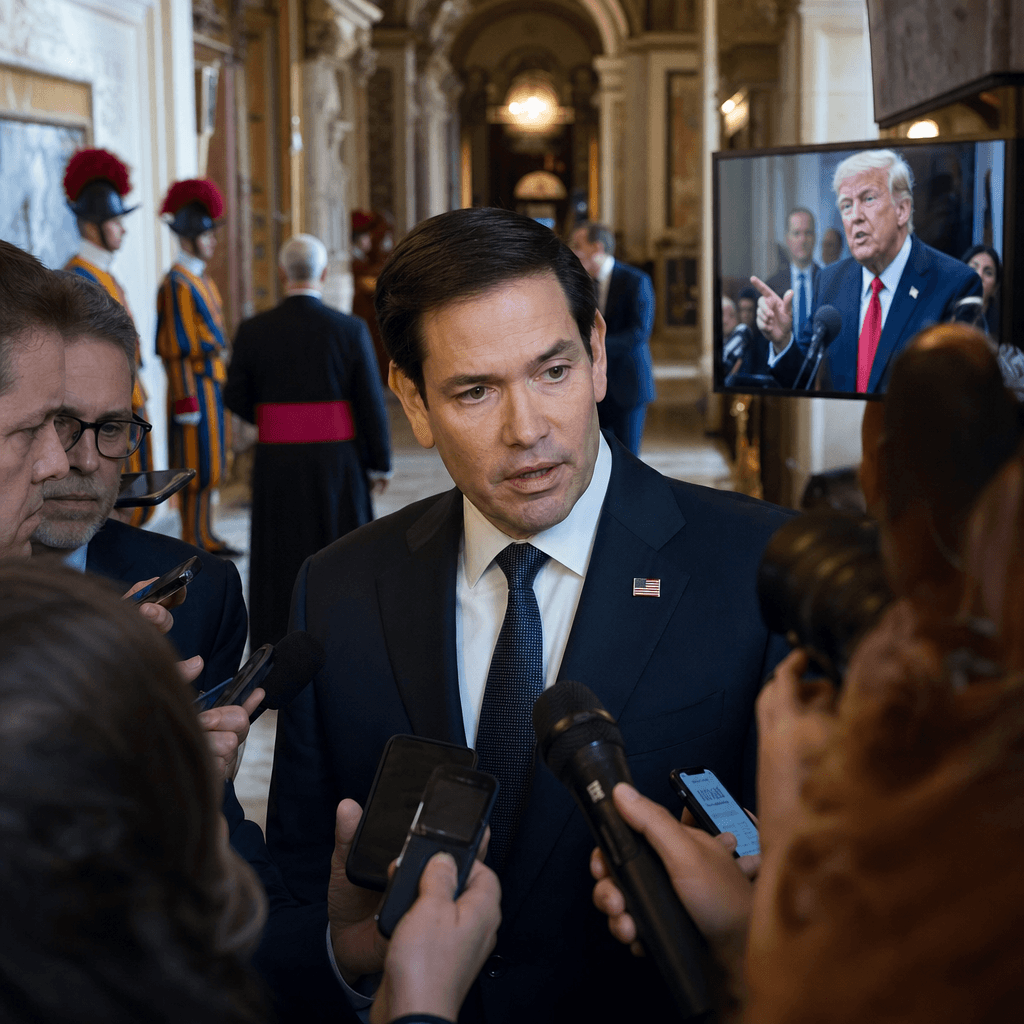
Trump's Attacks on Pope Leo XIV Impact Rubio
Trump's public criticism of Pope Leo XIV forces Rubio into damage control, complicating a delicate diplomatic mission to the Vatican and U.S.-Holy See ties.
Global Politics
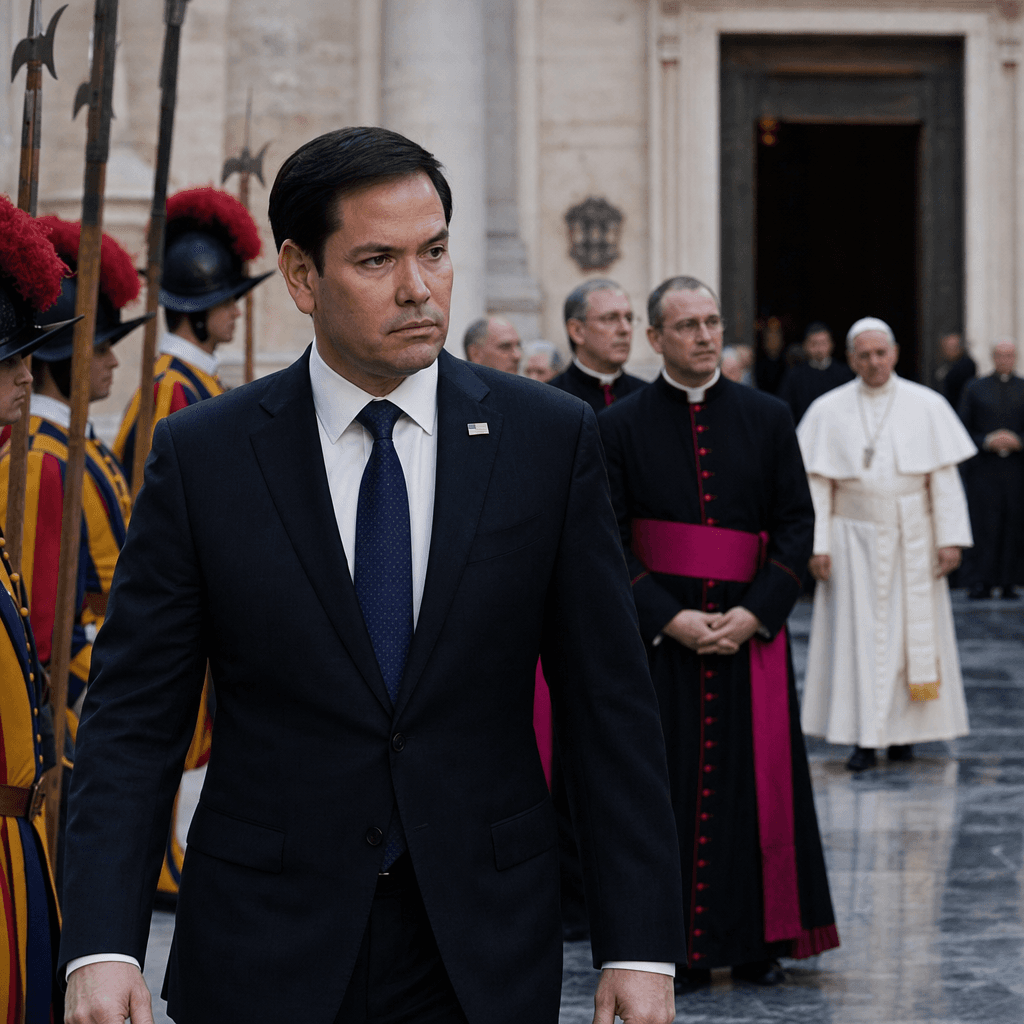
Rubio's Vatican Visit Challenges Trump's Base
Marco Rubio's Vatican visit aims to ease friction between Trump and Pope Leo, testing the administration's standing with American Catholic voters and leaders.
Global Politics
Trump's Attack on Pope Leo XIV Impacts Rubio
Trump's pointed criticism of Pope Leo XIV complicates Marco Rubio's Vatican mission, straining US-Holy See diplomacy at a delicate moment for both sides.