Pawar Pushes Modi’s Austerity Call Into a Political Test
Sharad Pawar is turning Modi’s wartime-style economic appeal into a demand for consultation, not just thrift. That shifts the fight from consumption to governance.
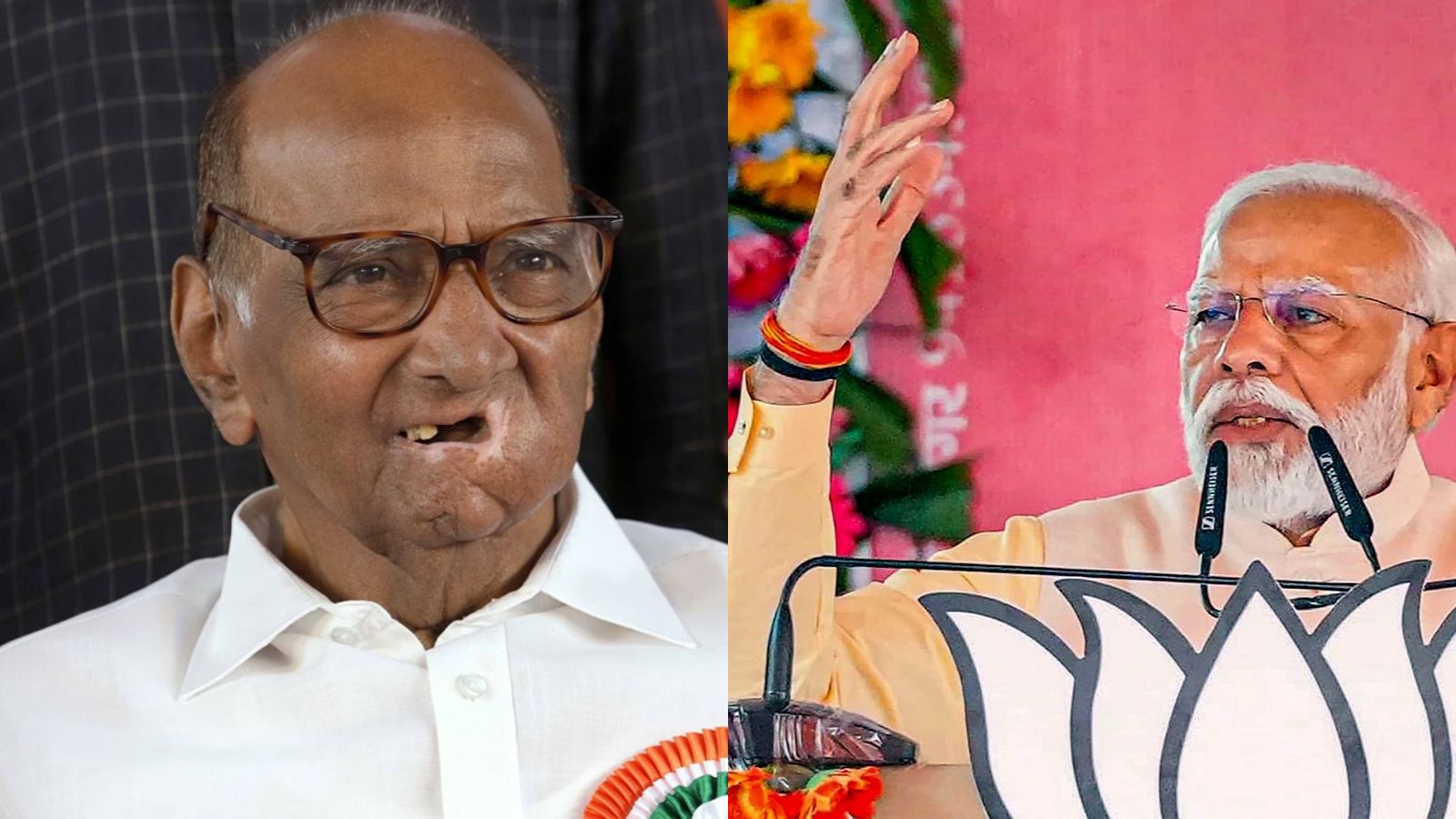
Narendra Modi’s appeal for Indians to cut fuel use, defer gold purchases and trim foreign spending has opened a second front: not economic restraint, but political accountability. Sharad Pawar, head of the NCP (SP), said the prime minister’s “sudden” call had created an “atmosphere of unease” and asked for an all-party meeting plus a review with economists and industry leaders, warning that the move could have long-term effects on confidence and growth ( The Indian Express).
The power play
Modi is using the West Asia crisis to frame austerity as national duty: conserve fuel, use public transport, work from home, postpone non-essential gold buying, and reduce foreign exchange outflows ( The Hindu;
  The Straits Times). That is a message designed to pre-empt panic and signal control.
Pawar’s counter is sharper than a routine opposition swipe. He is not rejecting restraint; he is challenging the Centre’s right to ask for sacrifice without first building political consensus. In practical terms, he is trying to force the government onto institutional ground: if this is a national emergency, then convene the parties, bring in experts, and explain the trade-offs (The Indian Express). For readers tracking India’s domestic balance of power, see  India.
Why the opposition sees an opening
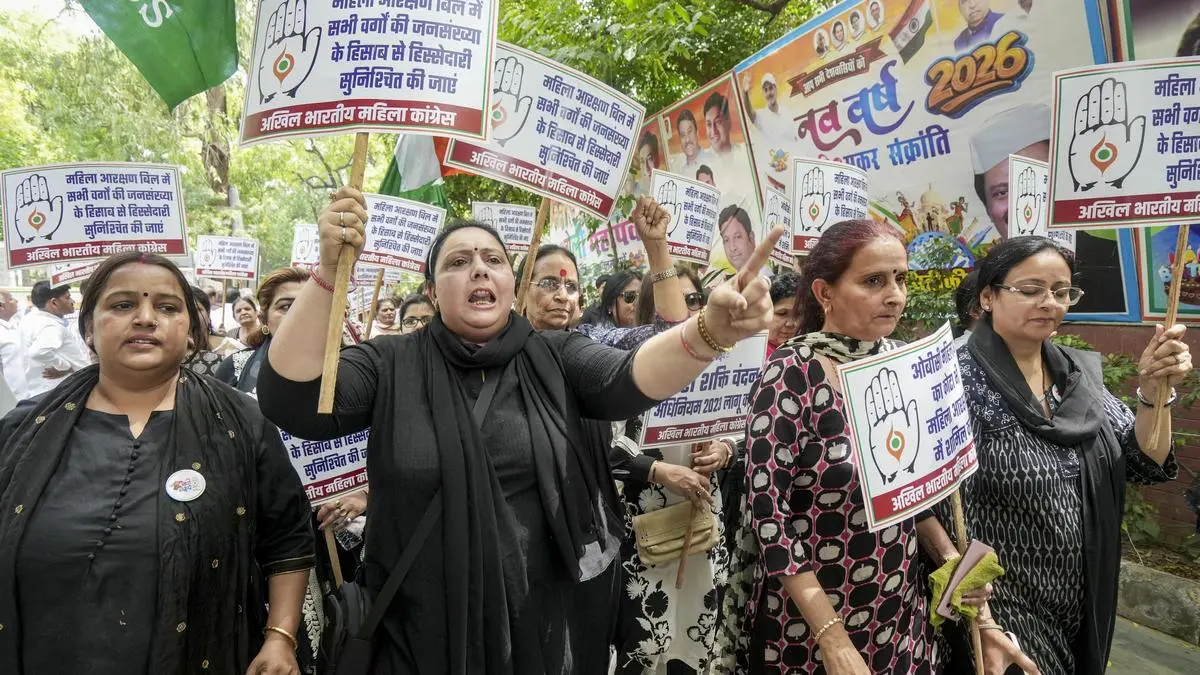
The opposition’s attack line is simple: if the message is so necessary, why now, and why only to citizens? Maharashtra Congress leaders and other opposition figures have argued that the burden is being shifted onto households after years of election-driven politics and weak preparation ( Deccan Chronicle;
  Devdiscourse).
That line resonates because the government’s own reassurance cuts against any panic narrative. Defence Minister Rajnath Singh said India has ample petroleum stock and no shortage of fuel products, with reserves and supplies stable despite the conflict, even as the government urged conservation for the longer term (The Hindu). That gap matters: if there is no immediate shortage, the political cost of asking citizens to tighten belts rises.
What to watch next
The next decision point is whether the Centre actually convenes the all-party meeting Pawar wants, or whether it treats this as a messaging fight and moves on. If Modi follows through with more official briefings on energy and foreign exchange, he can frame the appeal as prudent contingency planning. If not, the opposition will keep painting it as an admission that the government is asking households to absorb a crisis it failed to anticipate.
Watch the next few days for two signals: whether oil and FX data worsen enough to justify the austerity push, and whether opposition parties widen this into a coordinated demand for consultation rather than a one-day protest. For the external backdrop, see Global Politics.