Pam Bondi Confirmed as U.S. Attorney General
Exploring Pam Bondi's impact on the DOJ's conservative shift
Model Diplomat3 min readUnited States
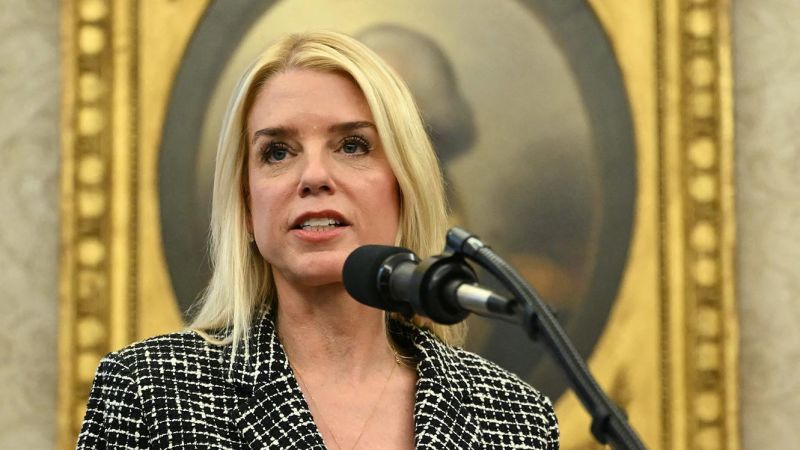
Pam Bondi’s Rise to U.S. Attorney General: What It Means for DOJ’s Direction
Pam Bondi, former Florida Attorney General confirmed as U.S. Attorney General in February 2025, signals a shift toward aggressive conservative legal priorities.
Pam Bondi’s confirmation as the 51st U.S. Attorney General in February 2025 caps a career that began at the state level with a focus on conservative legal battles and high-profile public corruption cases. Born November 17, 1965, in Tampa, Florida, Bondi is a fourth-generation Floridian whose deep roots in the state's political environment shaped her combative style and legal philosophy. With a BA from the University of Florida and a role as Florida’s Attorney General from 2011 to 2019, Bondi’s ascent to the nation’s top law enforcement job marks a continuation—and amplification—of certain legal and political themes already evident during her state tenure. Pam Bondi Fast Facts | CNN
Context: Bondi’s Track Record and What It Suggests
Bondi made her name in Florida by tackling mortgage fraud and public corruption. She also famously declined to join multi-state lawsuits against major industries early in her career, decisions viewed as aligned with conservative and business-friendly perspectives. Bondi’s tenure was marked by advocacy for “law and order” stances, with a focus on tough-on-crime policies and opposition to regulations on businesses and labor.
At the national level, Bondi’s nomination and swift confirmation in February 2025 signal the current administration’s commitment to steering the Department of Justice toward prioritizing a conservative judicial and prosecutorial agenda. Her confirmation came amidst debates on key DOJ priorities: how aggressively to pursue corporate crime, the federal government’s role in addressing civil rights violations, and the approach to federal law enforcement’s oversight of politically sensitive investigations.
More than policy specifics, Bondi’s career offers insight into how she is likely to handle Justice Department affairs: with a keen eye on state-federal relations, an inclination to support conservative social and economic policies, and skepticism toward expansive federal regulatory ambitions. This echoes the era when state attorneys general, including Bondi, acted as political actors shaping national legal debates via multi-state coalitions and litigation strategies.
What to Watch Next
Bondi’s leadership raises several potential shifts to monitor within the DOJ and broader U.S. legal politics:
-
Corporate and White-Collar Crime Enforcement: Will Bondi continue her record of restraint on industry prosecutions, or will political pressures demand a recalibration? Her history suggests a cautious approach to aggressive white-collar prosecutions.
-
Civil Rights and Social Justice Enforcement: Critics worry Bondi may deprioritize civil rights cases, especially those involving voting rights and police misconduct—areas where the DOJ’s posture under previous administrations sharply differed.
-
Federal-State Dynamics: Expect Bondi to emphasize cooperative federalism, possibly empowering state officials and narrowing the federal government’s role in certain regulatory or legal domains, reflecting her roots as a state AG.
Bondi’s profile and confirmation illuminate a key trend in U.S. politics: the elevation of state-level conservative legal actors into powerful federal positions who bring with them their regional political philosophies and agendas. Her tenure will shape not just DOJ policies but also the national political and legal battleground through 2026 and beyond.
For more on U.S. political appointments and legal trends, see our U.S. Politics and
Global Politics pages.
Discover more

US Politics
Mike Johnson's Congress
Speaker Mike Johnson's leadership is reshaping Congress, critics say, enabling Trump's aggressive executive agenda while deepening partisan gridlock today.
US Politics
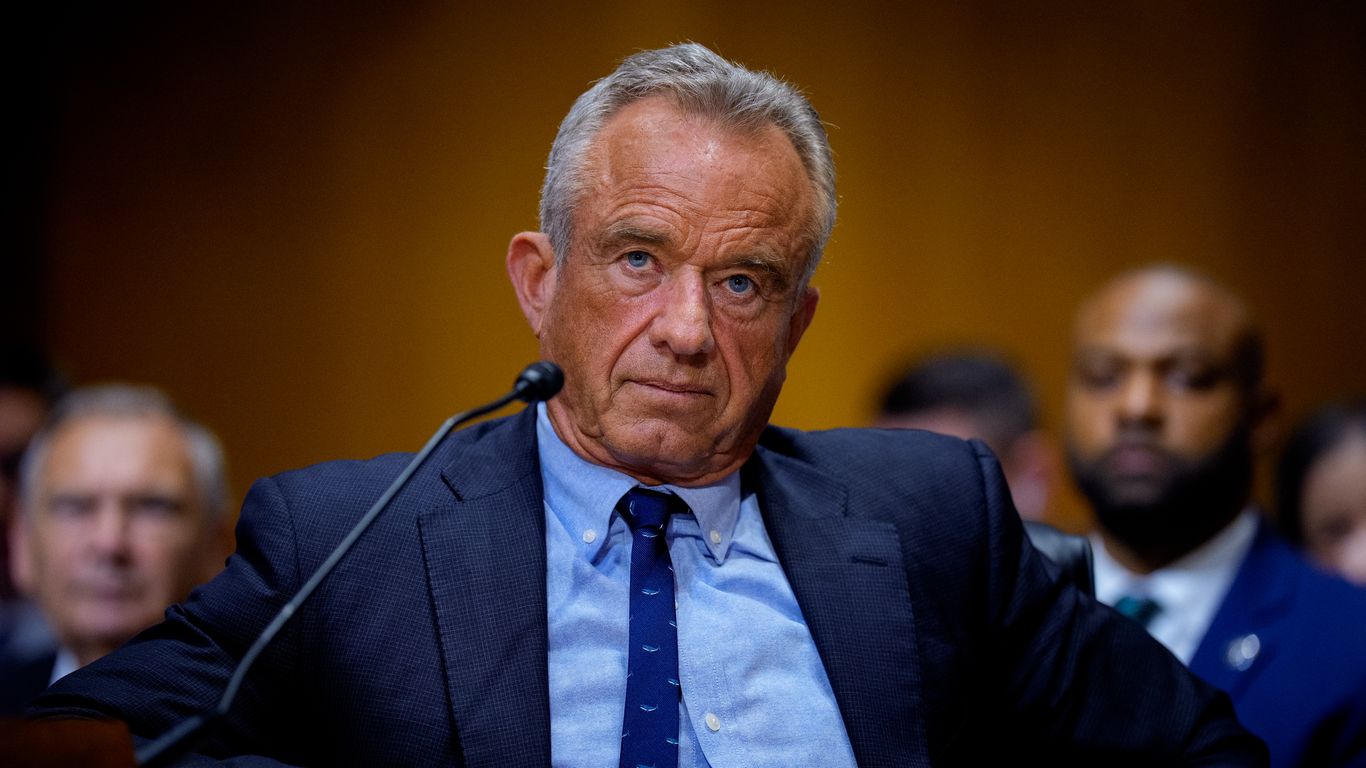
Kennedy's Diminished Role in Health Policy
Robert F. Kennedy Jr. returns to Congress with diminished sway as a shifting health policy landscape on drug pricing and care moves beyond his earlier reach.

Conflict & Security
Drone Warfare Killing Aid Workers at Unprec
Over 1,000 humanitarian workers killed in three years as cheap armed drones collapse legal protections. Gaza, Sudan, Ukraine, and DRC see deliberate targeting of aid convoys and hospitals with zero prosecutions.

Global
World Normalises Taliban as Afghan Women Eras
UN data shows Afghan women erased from public life as Russia recognises the Taliban, EU hosts officials in Brussels, and ICC warrants for gender persecution go unenforced.