Oreshnik Strike Turns Kyiv Raid Into a Europe
Russia's missile strike signals a warning to Europe.
Model Diplomat3 min readEurope
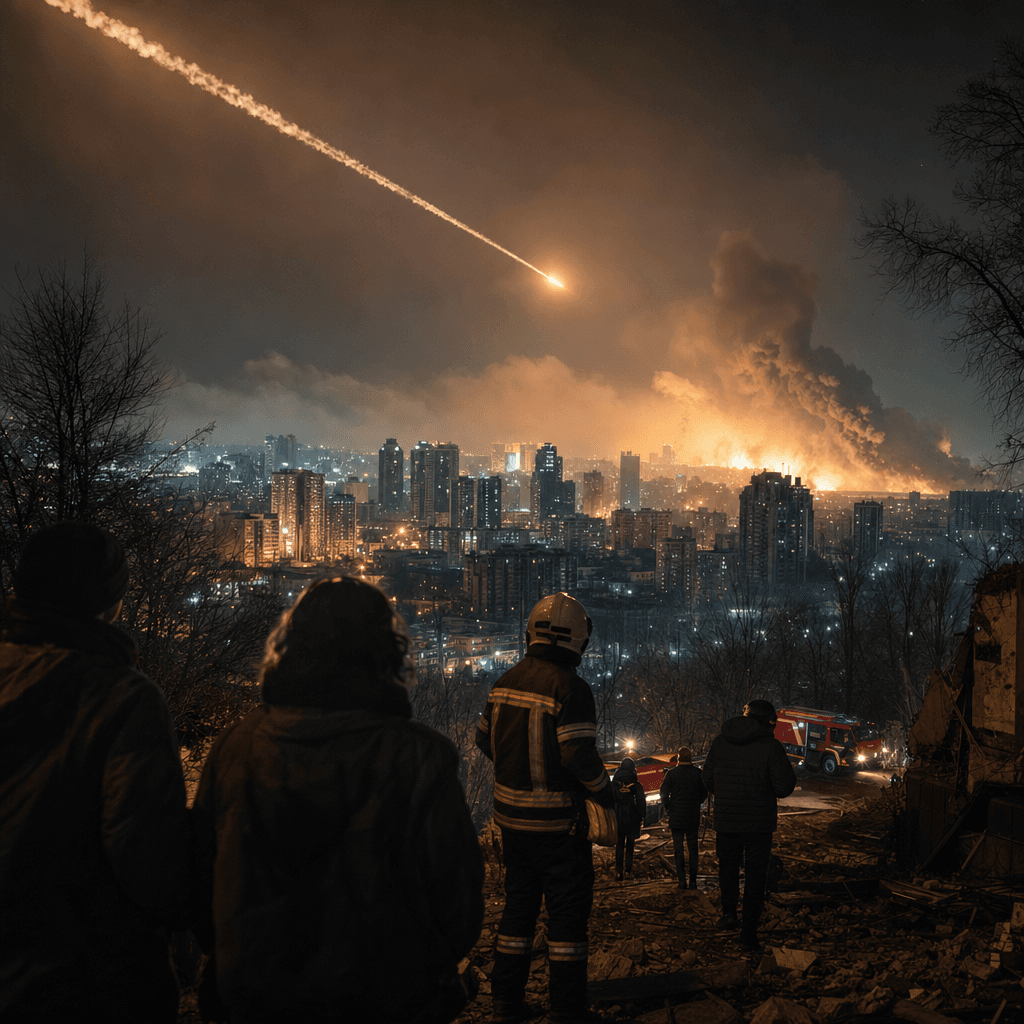
Oreshnik Strike Turns Kyiv Raid Into a Europe Warning
Russia says its latest strike on Ukraine used the Oreshnik missile, turning a retaliatory raid into a signal aimed at Europe.
Russia’s overnight barrage on 24 May included the Oreshnik ballistic system, Ukrainian Air Force spokesman Yuriy Ihnat said, after Kyiv’s air alert system warned of a medium-range ballistic missile launch; Moscow said the attack was retaliation for Ukrainian strikes on Russian territory (NV,
BBC Russian,
EFE). The military point is secondary. The political message is the weapon: Moscow is using a system it presents as hard to stop and capable of reaching deep into Europe to show it can escalate on its own schedule (
BBC Russian).
What Moscow is really signaling
Oreshnik is not being used because it is the most efficient way to hit Ukraine. BBC notes that the system is described as a medium-range missile with a possible reach of about 5,500 km, fitted with multiple independently guided warheads, and that specialists still dispute whether it is a genuinely new design or a variant of the RS-26 Rubezh (BBC Russian). That uncertainty is part of the point. Russia does not need the West to agree on the exact specification if the missile can already do the job of intimidation.
This is why the latest launch matters even if the battlefield damage is limited. Moscow first used Oreshnik in November 2024 against Dnipro, then again in January 2026 in western Ukraine, according to the BBC’s summary of earlier strikes and Ukrainian reporting cited by NV (BBC Russian,
NV). Each use normalizes the system and expands its coercive value. For the Kremlin, that is cheaper than a new breakthrough on the front and more useful than another ordinary missile salvo.
Why Europe cannot ignore it
The European risk is not that Oreshnik is decisive today; it is that Russia is blurring the line between a war in Ukraine and a direct nuclear-era warning to NATO. BBC’s key point is blunt: if the missile’s range is what Moscow says it is, then it can reach any point in Europe, which makes every launch a message to European capitals, not just Ukrainian command posts (BBC Russian). That is exactly how escalation signaling works: the target is local, but the audience is wider.
European reaction already shows the effect. EFE reported that German Chancellor Friedrich Merz called the strike an “unscrupulous escalation,” while EU foreign policy chief Kaja Kallas condemned Russia’s attack and Kyiv renewed calls for more air defenses, tougher sanctions, and stronger political backing from the West (EFE). For readers tracking the broader
Global Politics angle, this is the moment a Ukraine strike becomes a European security problem.
What to watch next
The next decision point is whether Russia repeats the Oreshnik launch or keeps it as a prestige weapon for selective use. If it appears again, it will confirm the missile has become part of Moscow’s routine coercive toolkit; if it does not, the system still serves as a warning shot to Ukraine and its backers (NV,
EFE). Watch the next Western air-defense package, any new sanctions push, and whether Russia’s messaging shifts from retaliation to open pressure on Europe. On the
Conflict file, that is the line that matters most.
Discover more
Global
Kyiv's Empty Quiver: Ankara Summit on NATO
As Russia strikes Kyiv, NATO's Ankara summit must address Ukraine's urgent air defense needs amid dwindling interceptor supplies.

India
Russia's Balancing Act with India and China
Russia's deepening dependence on China is straining its long-standing strategic partnership with India, exposing the limits of Moscow's balancing act in Asia.
Conflict & Security
Russia Encircles Konstantinovka—Key to Donbas
Russia's encirclement of Konstantinovka could unlock the wider Donbas for further advances, marking a pivotal moment in its grinding eastern offensive.
Conflict & Security
Ukraine's Energy Offensive Hits Crimea
Ukraine's drone campaign is disrupting Russian fuel supplies and forcing rationing in Crimea, turning energy infrastructure into a key front of the war.