Opposition Critiques Indian Delimitation, Quo
Southern leaders voice concerns over electoral changes and quotas.
Model Diplomat3 min readIndia
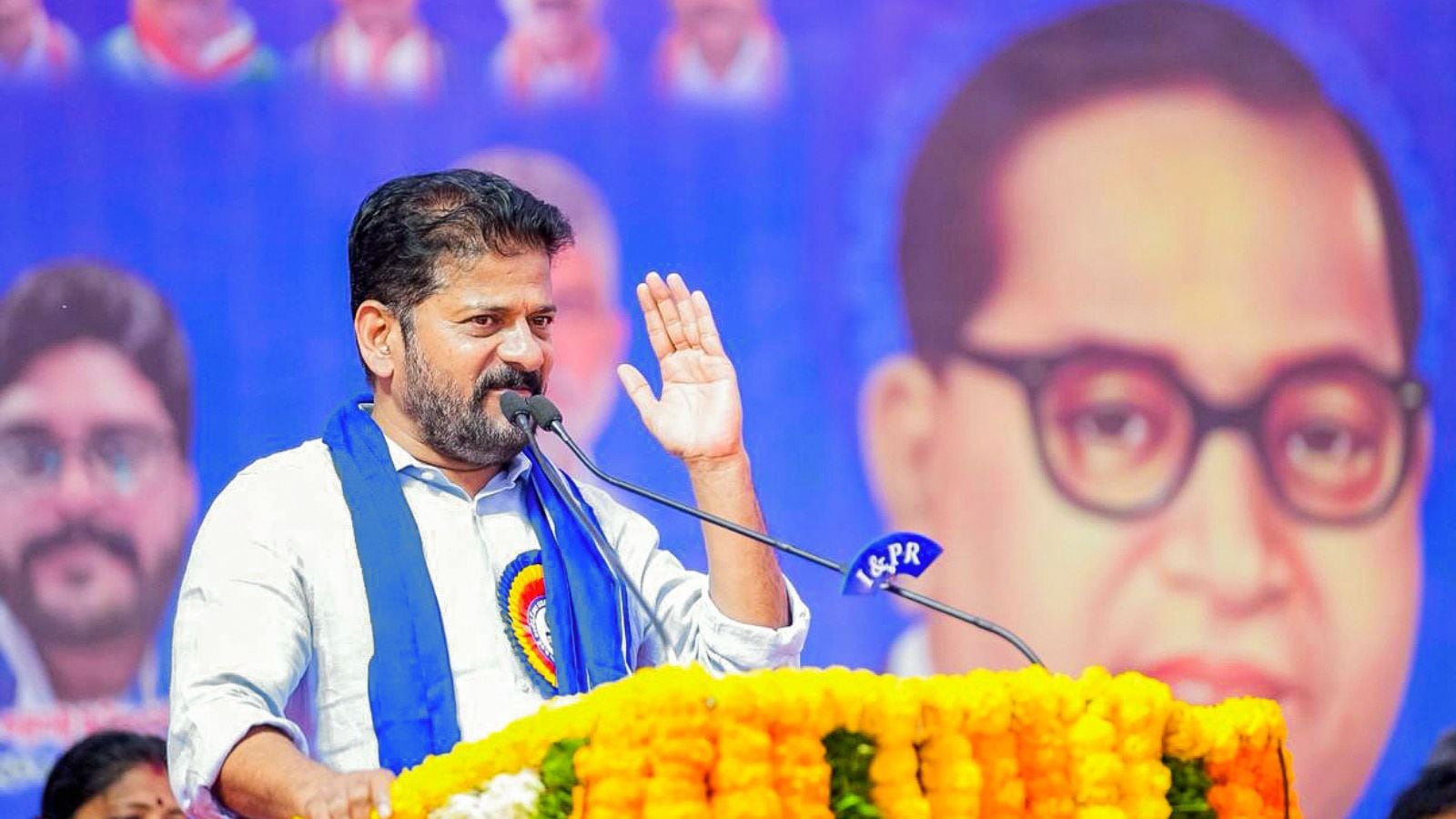
Oppn Slams Indian Parliament's Delimitation, Women's Quota Bills Ahead of Crucial Vote
Southern Chief Ministers and opposition parties decry rush on delimitation and Women’s Reservation Bills, raising federal concerns just before April 16 vote.
The Indian Parliament is gearing up for a special session on April 16–18, 2026, where it will debate a constitutional amendment package aimed primarily at two major changes: electoral delimitation involving 13 states, and the implementation of the Women’s Reservation Act (Nari Shakti Vandan Adhiniyam, 2023). However, resistance is gathering steam from southern Chief Ministers and opposition leaders who warn this session risks bulldozing constitutional amendments without adequate federal consultation.
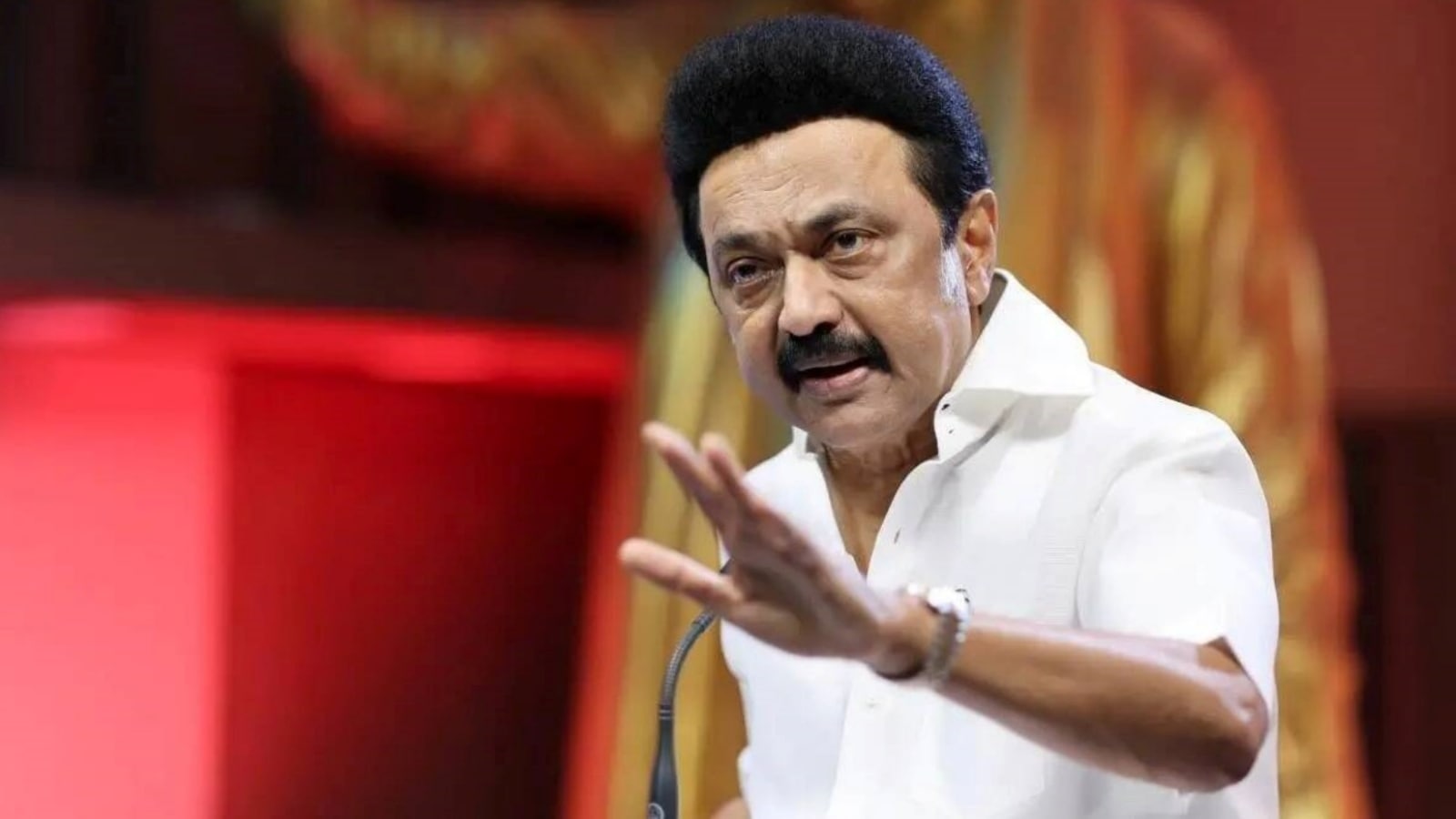
Tamil Nadu Chief Minister M.K. Stalin has emerged as a vocal critic, cautioning against forcefully imposing delimitation changes that could redraw political boundaries in states like Tamil Nadu, Kerala, and Andhra Pradesh. Stalin’s opposition taps into a wider southern apprehension toward what is seen as a Delhi-centric push reshaping state representation without proper dialogue.
Why the Bills Matter—and Why They’re Controversial
The delimitation bill aims to redraw electoral constituencies based on the 2011 Census data, which has not been used officially to reconfigure seat allocations for over a decade—ostensibly to reflect demographic changes. This adjustment is seen as politically loaded: it risks altering the balance of parliamentary seats among states, with potential shifts in power distribution benefiting some regions over others.
In parallel, the Women’s Reservation Bill seeks to reserve 33% of seats in the Lok Sabha and state assemblies for women—a long-debated reform aimed at boosting female political representation. However, entrenched interests and political calculations complicate its path. The bill’s supporters argue it’s overdue progress for gender equity; its critics see the timing and legislative haste as politically motivated, especially with multiple state elections underway.
The passage of these changes needs a supermajority (two-thirds) in both houses under Article 368 of the Constitution. With the Lok Sabha’s 540 members, the government needs at least 360 votes to clear the hurdles. Given the BJP-led NDA’s current strength, securing that majority hinges on winning over opposition factions—a tall order.
Opposition Concerns: Federal Balance and Process
Congress President Mallikarjun Kharge criticized the government for rushing the amendments without broad all-party consultations, especially given ongoing state polls in significant southern and eastern states. Kharge has requested an all-party meeting post-April 29 to deliberate the delimitation and women’s quota amendments in more detail, stressing the importance of respecting India’s quasi-federal balance.
Opposition parties are particularly wary of how delimitation could dilute representation for southern and northeastern states, potentially undermining their political influence in Parliament. The lack of detailed clarity on the proposed changes’ impact leaves many wary of unintended consequences.
What to Watch Next
- April 16–18, 2026 Lok Sabha vote: The debate and vote on these constitutional amendments will reveal if the government can cobble together the needed two-thirds majority or if dissent from key opposition blocks sinks the bills.
- Regional political fallout: Southern states like Tamil Nadu and Andhra Pradesh, critical election battlegrounds in 2026, could see heightened regional assertiveness and even more vocal resistance if they perceive these bills as an imposition.
- Future federal dynamics: How this episode affects center-state relations will be key—whether it sets a precedent for imposing constitutional changes with minimal consensus or encourages a more consultative approach.
The amendments are far from mere legal technicalities—they strike at the constitutional architecture shaping India’s democracy. The way this unfolds could redefine power balances in Parliament for years, making it a crucial watchpoint for anyone following Indian politics or federal governance.
For more on India’s political landscape and electoral shifts, see our India profile and broader insights on
Global Politics.
Sources:
Opposition support crucial to pass women's reservation and delimitation Bills - The Hindu
Indian Express: Oppn slams proposed Bills on delimitation, women's quota
Discover more
India
India's Delimitation Debate
India's delimitation plan stokes federal tensions as leaders warn it threatens fair representation and constitutional norms ahead of upcoming elections.

Conflict & Security
Drone Warfare Killing Aid Workers at Unprec
Over 1,000 humanitarian workers killed in three years as cheap armed drones collapse legal protections. Gaza, Sudan, Ukraine, and DRC see deliberate targeting of aid convoys and hospitals with zero prosecutions.

Global
World Normalises Taliban as Afghan Women Eras
UN data shows Afghan women erased from public life as Russia recognises the Taliban, EU hosts officials in Brussels, and ICC warrants for gender persecution go unenforced.
Conflict & Security
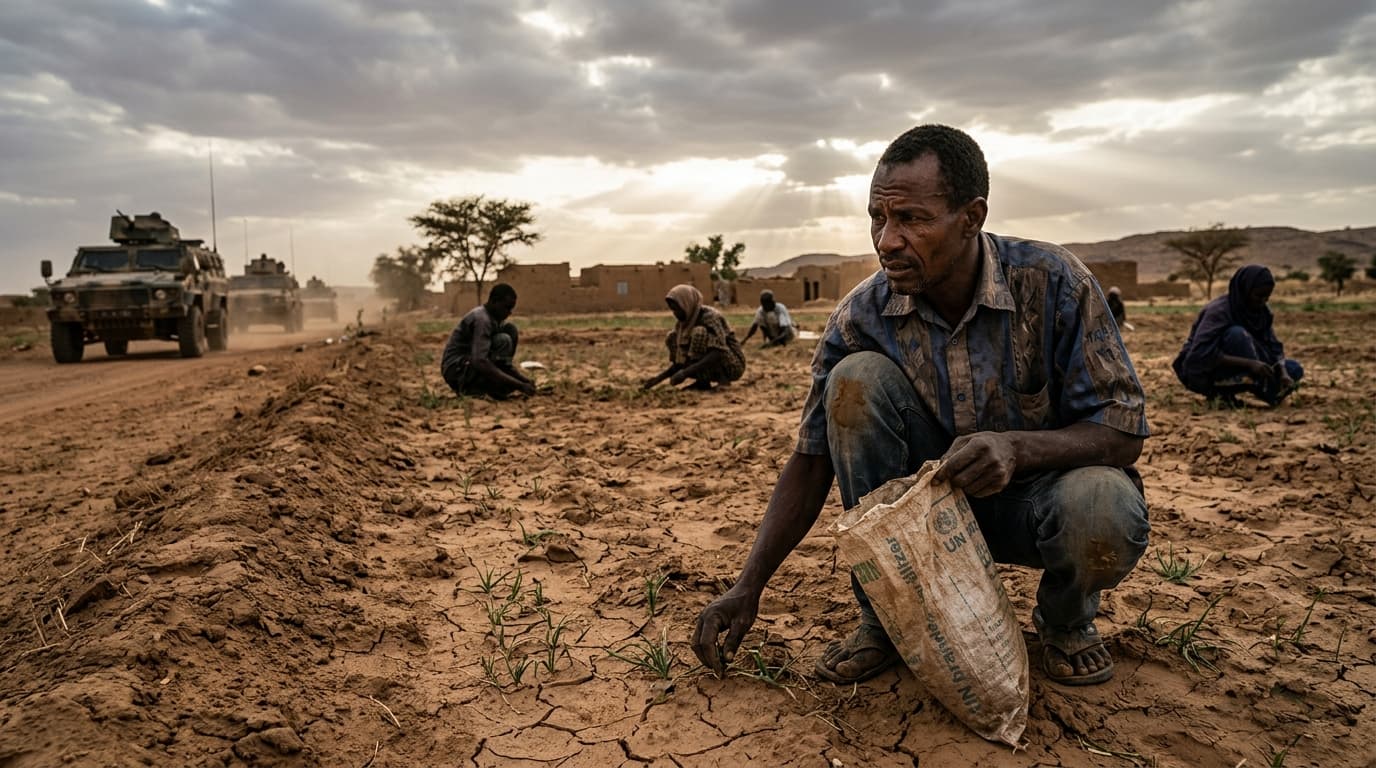
West Africa Food Crisis: Three Shocks in 2026
Conflict, climate extremes, and the Strait of Hormuz closure drive a severe food crisis in West and Central Africa, with fertilizer prices surging 80% and millions displaced.