Operation Sindoor
India's battlefield strikes face diplomatic challenges post-Operation Sindoor.
Model Diplomat2 min readAsia
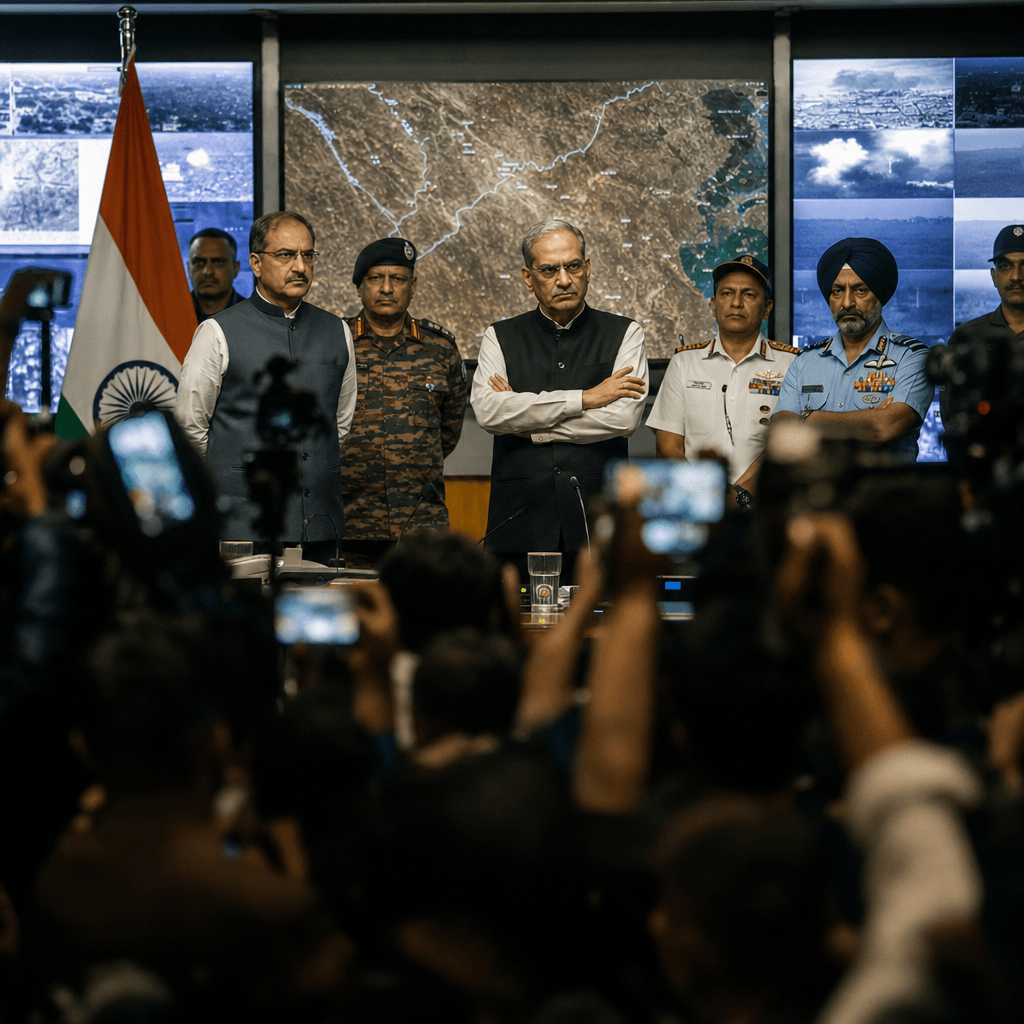
Operation Sindoor: India Won Hits, Lost the Narrative
India turned battlefield strikes into terror designations, but Trump’s ceasefire claim and outreach to Pakistan exposed Delhi’s diplomatic limits.
India extracted real leverage from Operation Sindoor: the U.S. later designated The Resistance Front a Foreign Terrorist Organisation and Specially Designated Global Terrorist on July 18, 2025, while a U.N. Security Council monitoring report also named the group in July 2025, both strengthening Delhi’s case that Pakistan-based militancy is still an international problem (The Indian Express). But the bigger power dynamic now runs against New Delhi: Washington controlled the ceasefire narrative, and by doing so diluted India’s effort to frame the operation as a counterterrorism campaign rather than a routine India-Pakistan flare-up (
The Tribune).
India’s win was legal and diplomatic, not strategic
The strongest Indian gain was institutional, not theatrical. TRF’s designation gave Delhi a concrete outcome to point to in capitals that have often treated cross-border terrorism as a recurring dispute rather than a state-backed threat (The Indian Express). That matters because sanctions, listings, and extraditions are the currency of long campaigns against militancy — the kind of durable pressure that sits beneath the headlines.
There was also a second-order benefit: the operation reinforced India’s claim that it would respond kinetically to major terrorist attacks, and that it would not accept nuclear signaling as a shield for terror infrastructure (The Indian Express). For readers tracking
India, that is the core shift: Delhi is trying to normalize punishment as policy.
Trump gave Pakistan back room to maneuver
That gain was undercut by the U.S. political layer. The Tribune reports that Donald Trump quickly claimed Washington had brokered the ceasefire, then repeatedly cast the episode as an America-managed de-escalation, while New Delhi insisted the pause was strictly bilateral (The Tribune). That distinction matters. If the crisis becomes a story about mediation, Pakistan is no longer framed primarily as the sponsor of terror; it becomes a partner in regional stabilization.
Pakistan exploited that opening. The Indian Express notes that Shehbaz Sharif and Army chief Asim Munir cultivated Trump aggressively after the ceasefire, while Munir’s wider access to the White House further complicated India’s effort to isolate Rawalpindi (The Indian Express). The result is blunt: Pakistan escaped the diplomatic penalty Delhi wanted. Instead of isolation, it gained room to rebrand.
What to watch next
The key test is the next attack. The Indian Express says Delhi now fears that if another terrorist strike occurs, it will be forced to respond kinetically but may face a less sympathetic external environment than it expected in 2025 (The Indian Express). That is the real lesson of the past year.
Watch three things: whether India improves its strategic communications; whether the U.S. continues privileging Pakistan access over Pakistan accountability; and whether Delhi can keep the terrorism file anchored in multilateral forums rather than letting it slide into a generic crisis-management track. For Conflict, that is the difference between deterrence and drift.
Discover more
India
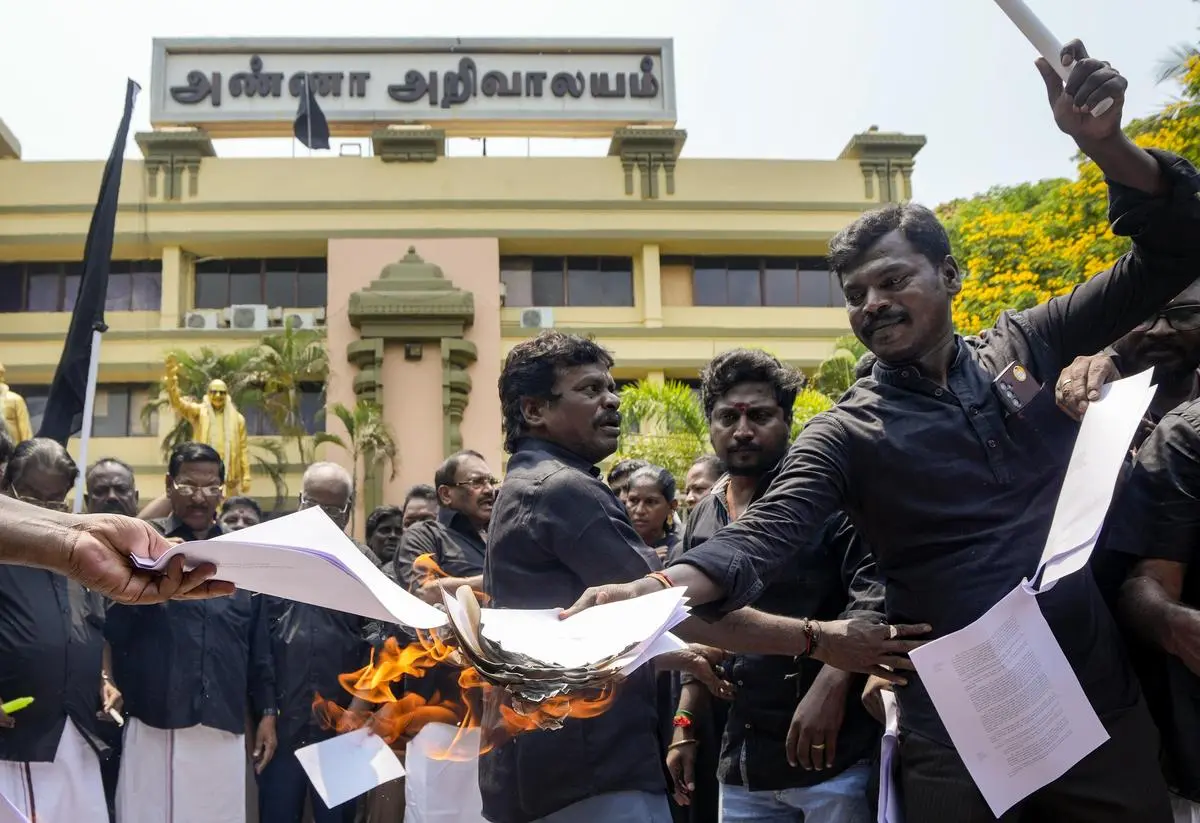
Women’s Reservation Bill 2026
The Constitution (131st Amendment) Bill, 2026 was defeated in Lok Sabha, revealing deeper political conflicts over women's reservation and delimitation.
India
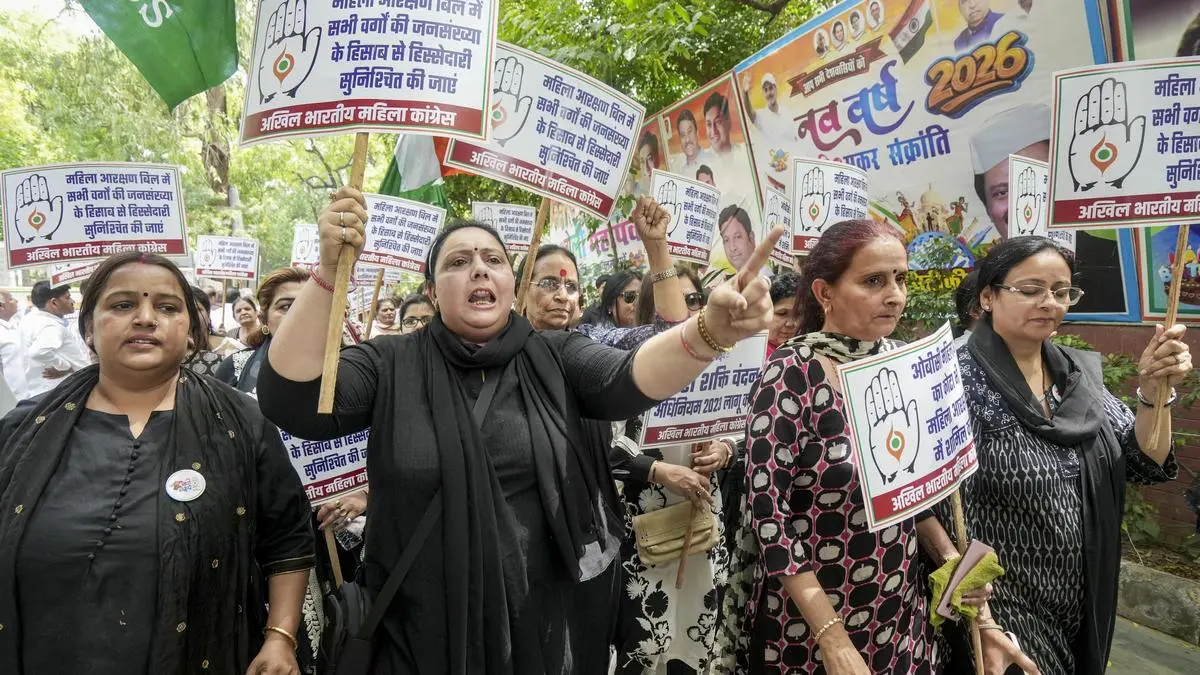
BJP's Misunderstanding of Women's Quota Needs
The BJP's linking of the Women Reservation Bill to delimitation risks delaying women's empowerment in India, misreading the aspirations of female voters.

Conflict & Security
Drone Warfare Killing Aid Workers at Unprec
Over 1,000 humanitarian workers killed in three years as cheap armed drones collapse legal protections. Gaza, Sudan, Ukraine, and DRC see deliberate targeting of aid convoys and hospitals with zero prosecutions.

Global
World Normalises Taliban as Afghan Women Eras
UN data shows Afghan women erased from public life as Russia recognises the Taliban, EU hosts officials in Brussels, and ICC warrants for gender persecution go unenforced.