Omar Abdullah’s liquor retreat exposes J&K’s fiscal trap
The chief minister tried to frame alcohol sales as choice, not policy. The backlash shows how little room he has between Kashmir’s social conservatism and the Union Territory’s revenue needs.
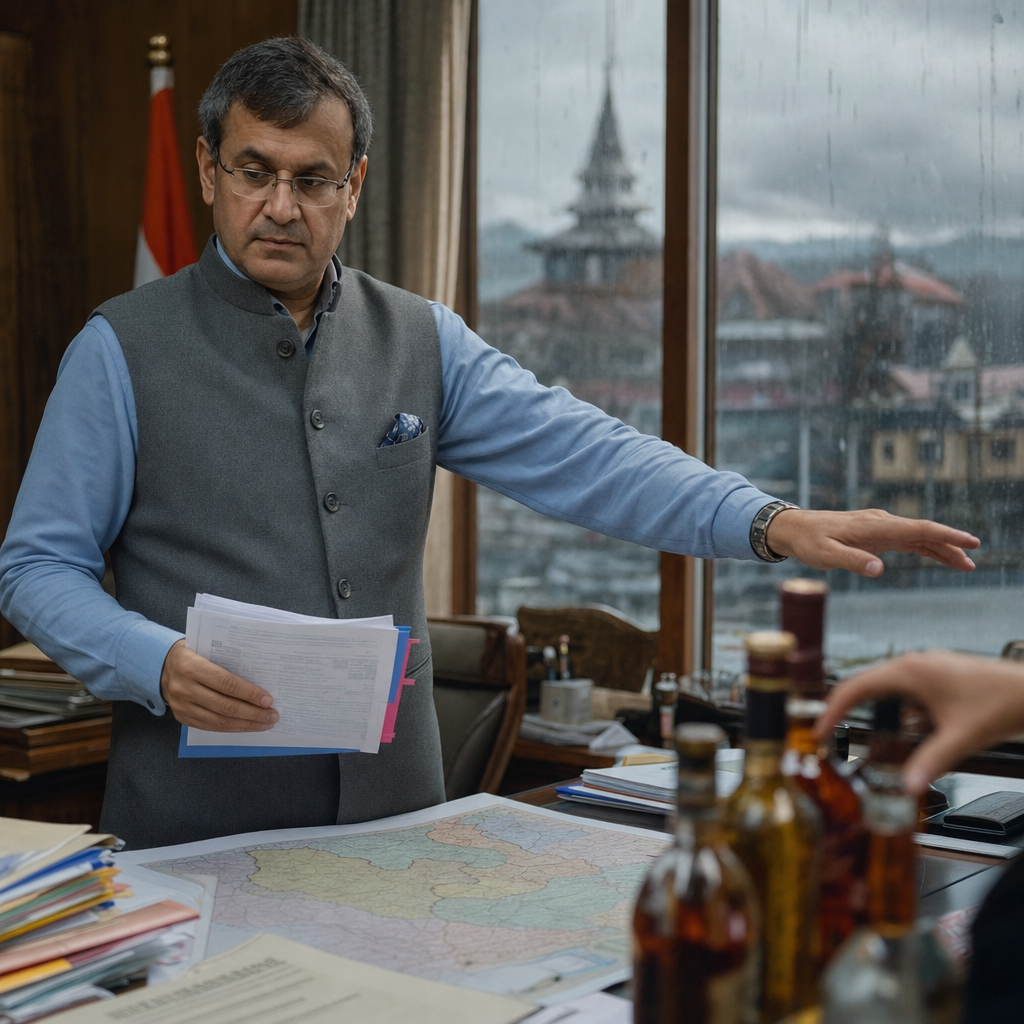
Omar Abdullah has retracted his remark that “no one was forcing anyone to consume liquor,” calling it a statement “issued hurriedly without a context” after criticism from the Opposition, his own National Conference MP Aga Syed Ruhullah, and online backlash, even as the BJP backed him ( The Hindu,
  The New Indian Express). The issue is bigger than one awkward quote. Abdullah is trying to stop a moral controversy from becoming a referendum on whether his government will defend Kashmir’s religious sensitivities or the excise economy that already depends on liquor sales.
Why the backlash landed so hard
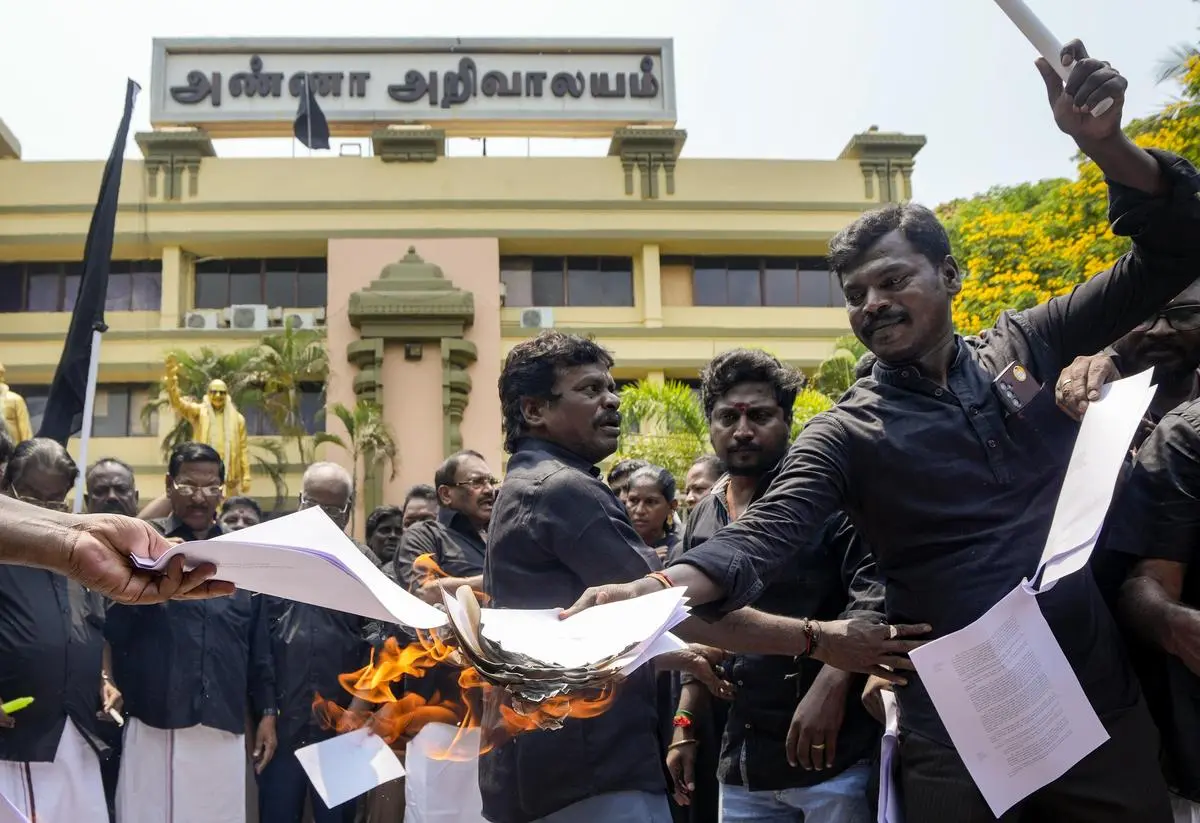
The attack came from both outside and inside the ruling camp. Ruhullah, an NC MP, said liquor outlets should not exist at all and tied the issue to youth access and the government’s anti-drug messaging, while PDP leader Iltija Mufti accused the government of changing its stand (The Hindu). That is politically more damaging than a standard Opposition hit: it shows Abdullah is vulnerable not only to the BJP and PDP, but to his own base.
The BJP’s response pointed in the other direction. J&K BJP general secretary Ashok Koul argued that no government can end alcohol consumption through law alone, effectively defending a regulated-status-quo approach rather than prohibition (The Hindu). That gives Abdullah a line of defense, but not political comfort. In a Muslim-majority region, the optics of saying liquor is for people whose religion permits it were always going to be combustible.
Revenue is the constraint, not rhetoric
The reason this fight keeps returning is simple: liquor is politically toxic and financially useful. Official figures reported by The Hindu showed J&K’s liquor licence auctions fetched ₹2,280 crore in 2024, with the Valley seeing record bids as tourist traffic rose. That does not make liquor popular; it makes it hard to dislodge.
The budget arithmetic is tighter still. Abdullah’s 2026-27 budget said the Union Territory’s own tax and non-tax revenue covers only about 25% of total budget needs (The Hindu). In that setting, a blanket ban would not just be a cultural statement. It would mean giving up a visible revenue stream with no clear replacement. That is why this debate sits at the intersection of morality, fiscal dependence and administrative control — a familiar pattern in  India politics, and one that keeps surfacing in broader Global Politics when governments try to reconcile social conservatism with cash needs.
What to watch next
Watch for whether Abdullah turns the retraction into policy — tighter siting rules, a moratorium on new vends, or a formal review of liquor licensing — or leaves it as damage control. The next pressure point is the Assembly floor and the next round of public statements from Ruhullah and the PDP. If that split widens, this will stop being a meme war and become a coalition-management problem.