Odisha's Women's Reservation Debate
BJP and BJD clash over women's quota and seat delimitation.
Model Diplomat3 min readAsia
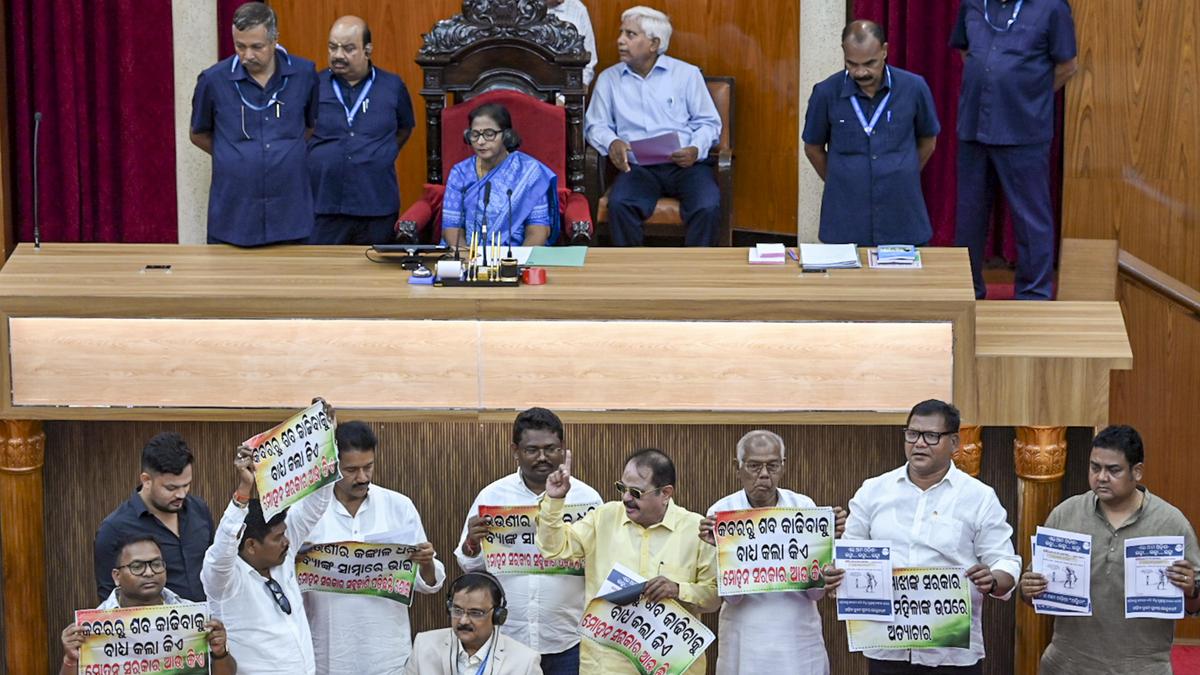
Odisha’s Women’s Quota Fight Is Really About 2029
BJP is using women’s reservation to validate a wider seat redraw; BJD is trying to separate the quota from delimitation and reclaim Odisha’s women-first record.
BJP holds the institutional leverage in Odisha’s women’s reservation fight because it now controls both the State government in Bhubaneswar and the Union government in New Delhi. In the Odisha Assembly’s special session on April 30, Chief Minister Mohan Charan Majhi defended the Nari Shakti Vandan Act and argued it would be implemented for the 2029 general election, while linking the issue directly to delimitation and a likely expansion in seats. BJD chief Naveen Patnaik backed women’s reservation but attacked that linkage, calling it an attempt to push delimitation through the back door. Congress joined the clash through protest, but the real contest was between BJP’s control of the timeline and BJD’s effort to control the narrative. Odisha Assembly: BJP, BJD and Congress resort to political one-upmanship over women’s reservation
BJP’s play: own reform, delay the costs
The BJP’s advantage is simple: it can present itself as the party that will deliver women’s reservation while also deciding when and under what institutional design it arrives. Nationally, the dispute is no longer about the principle of a 33% quota in Parliament and State Assemblies; it is about whether that quota should be tied to delimitation first. That linkage gives BJP a way to package two politically sensitive changes — women’s reservation and seat redistribution — as one reform sequence. Delimitation and Women’s reservation: Key parties’ stance
That benefits Majhi and the BJP leadership. They can campaign on implementation without yet forcing a reshuffle of ticket distribution in Odisha. It also lets the party argue that opponents are obstructing women’s representation when they are often objecting to the terms of rollout, not the quota itself. For more on how state-level competition is reshaping national politics, see our India coverage.
BJD’s counter: protect Odisha’s leverage, reclaim the legacy
Patnaik’s response is calibrated. He is not opposing reservation; he is trying to deny BJP ownership of it. In the Assembly, he pointed to Odisha’s existing record: about 14.5 lakh women in panchayats and the State’s move from 33% to 50% reservation in local bodies in 2011. That lets BJD argue that Odisha does not need a lecture on women’s representation from a party that is linking the issue to a larger redraw of political power. Odisha Assembly: BJP, BJD and Congress resort to political one-upmanship over women’s reservation
This is why the fight matters. BJD is trying to turn a gender-representation debate into a federal and regional leverage debate: who gains if seats are redrawn, who loses if representation shifts, and whether Odisha should accept a national timetable set by BJP. Congress, meanwhile, is pushing for a clearer implementation roadmap and an all-party consultation, but in Odisha that position is secondary to the BJP-BJD duel. Congress seeks all-party meet on Women’s Reservation Act
What to watch next
Watch New Delhi, not just the Odisha Assembly. The next real decision point is whether the Union government formally clarifies the sequence: quota first, or quota after delimitation. In Odisha, watch whether BJP moves beyond rhetoric into a state resolution or local-body measure that tests BJD’s claim to prior ownership. If BJD keeps shifting the argument from women’s representation to representation after redraw, this stops being a social-policy fight and becomes a battle over Odisha’s political weight before 2029. Track the broader stakes in Global Politics.
Discover more
India
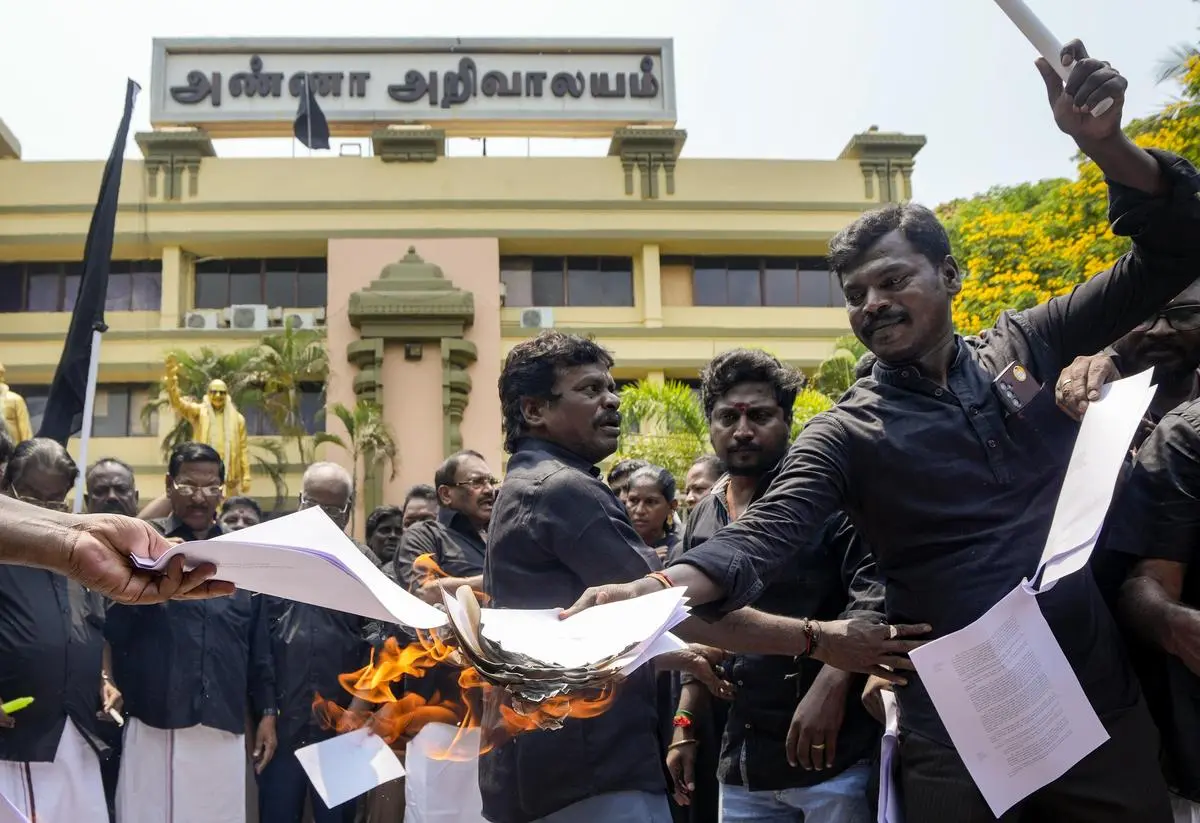
Women’s Reservation Bill 2026
The Constitution (131st Amendment) Bill, 2026 was defeated in Lok Sabha, revealing deeper political conflicts over women's reservation and delimitation.
India
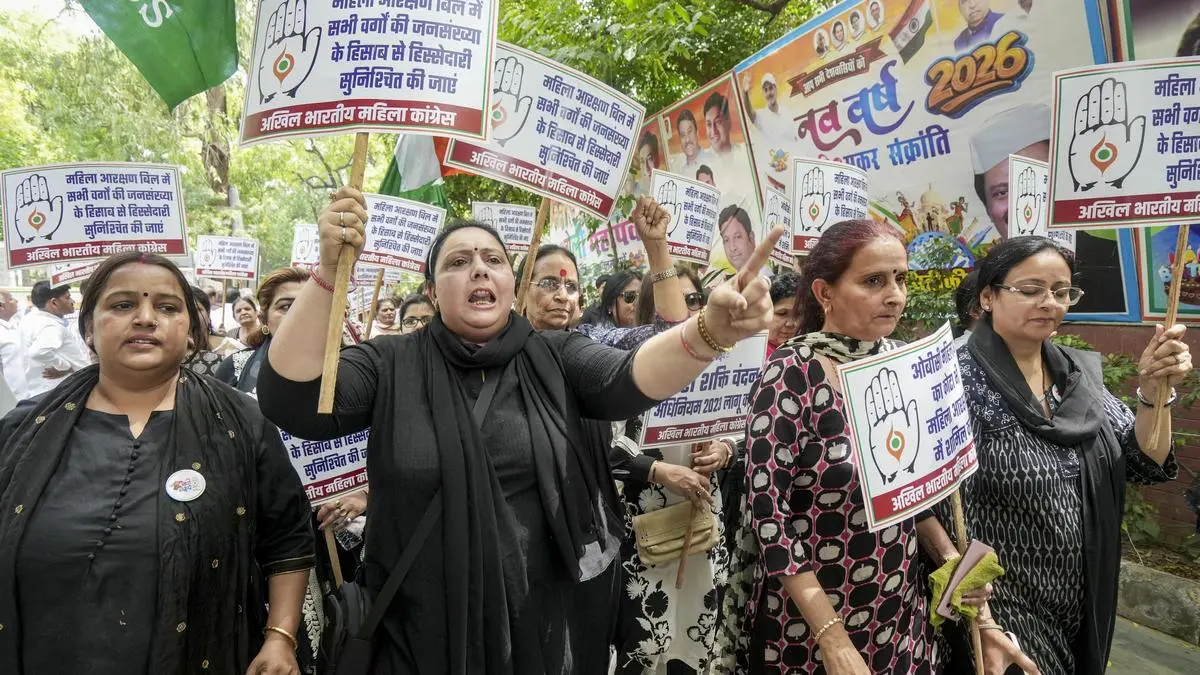
BJP's Misunderstanding of Women's Quota Needs
The BJP's linking of the Women Reservation Bill to delimitation risks delaying women's empowerment in India, misreading the aspirations of female voters.
India
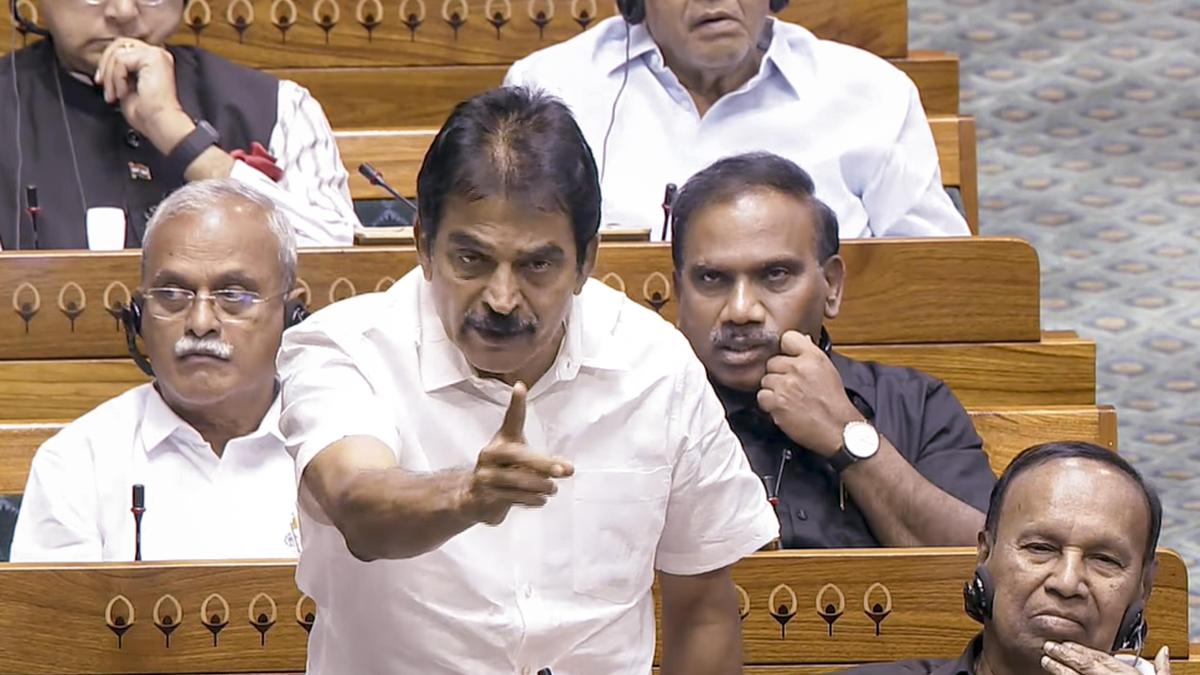
BJP's Delimitation Strategy
Congress leader K.C. Venugopal claims the BJP uses women's reservation to advance delimitation, raising fears over electoral fairness ahead of the 2029 polls.

Conflict & Security
Drone Warfare Killing Aid Workers at Unprec
Over 1,000 humanitarian workers killed in three years as cheap armed drones collapse legal protections. Gaza, Sudan, Ukraine, and DRC see deliberate targeting of aid convoys and hospitals with zero prosecutions.