North Korea's New Multi-Purpose Launcher
Kim Jong Un's shift to mobile launch systems complicates defenses.
Model Diplomat3 min readAsia
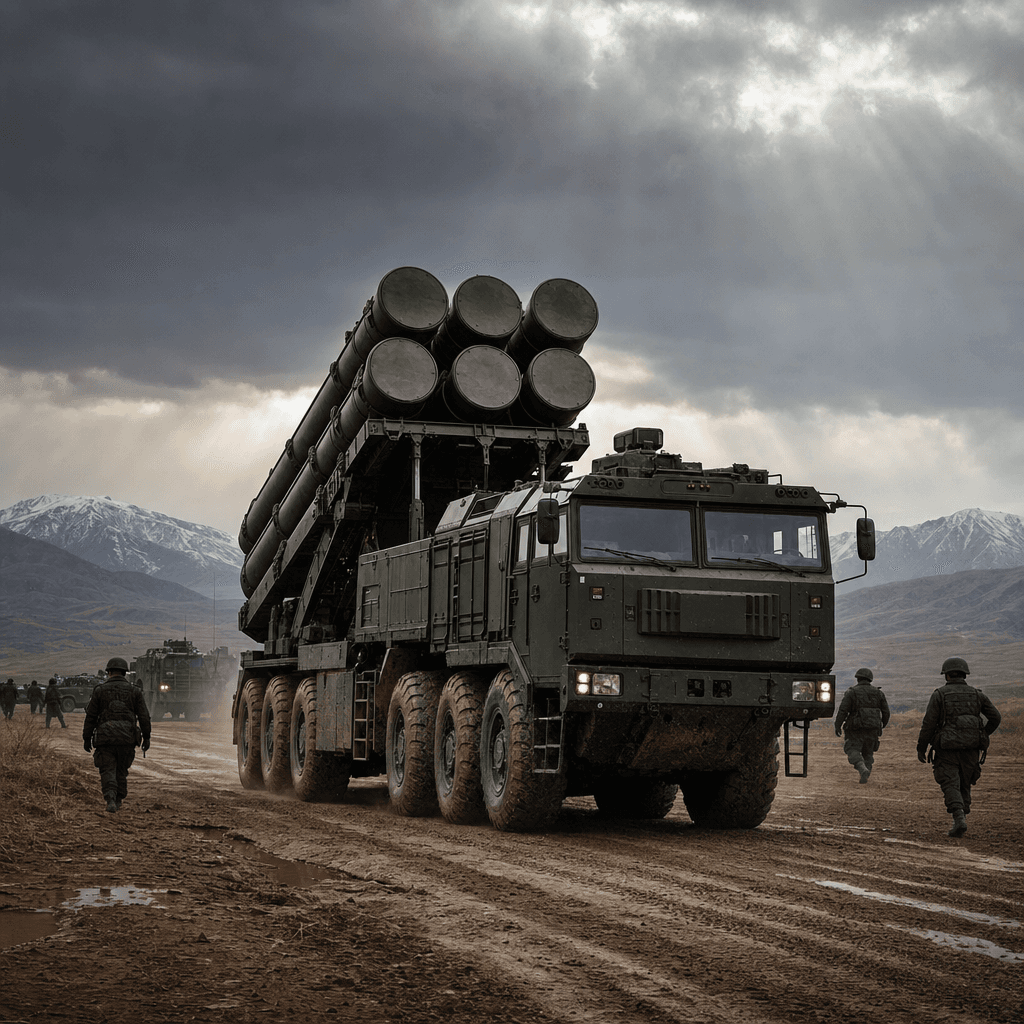
North Korea’s New Multi-Purpose Launcher Is Built to Survive
Kim Jong Un is shifting from sheer firepower to mobile, harder-to-detect launch systems, a move that complicates South Korean and U.S. defenses.
France 24 reported that North Korea has tested a new lightweight, multi-purpose missile launch system, adding to a spring campaign of weapons demonstrations designed to show that Pyongyang can keep its strike systems mobile and ready even under sanctions and pressure (France 24). The point is not just more missiles. It is a launcher that can move faster, disperse more easily and make targeting more difficult — exactly the kind of capability that raises the cost of any preemptive plan for Seoul or Washington.
The leverage is in mobility, not volume
KCNA’s past description of an upgraded large-caliber multiple rocket launcher system is revealing because it emphasizes “mobility,” “hitting accuracy” and a “self-steered precisely guided flight system” (KCNA). That is the core of North Korea’s current playbook: make short-range systems more survivable, more accurate and more useful in a fast strike against airfields, command nodes or border infrastructure. A lighter launcher matters because it is easier to conceal, relocate and feed into dispersed units than a heavier platform.
This is also consistent with the broader pattern this year. CNA reported in April that Kim Jong Un oversaw tests of upgraded short-range Hwasong-11 Ra missiles carrying cluster warheads, with North Korea claiming the launches were meant to evaluate denser, more destructive strike patterns (CNA). South Korean officials called those launches provocations; analysts said the tests were aimed at showing Pyongyang could fight a modern conventional war as well as brandish nuclear deterrence. In other words, the regime is widening the menu: missiles, rockets, cruise weapons and warheads tailored for battlefield use, not just strategic signaling.
Who gains, who loses
The immediate beneficiary is Kim’s deterrence posture. Every successful test supports a domestic narrative that North Korea can absorb sanctions, improve its defense industry and still threaten its enemies on demand. The military gains a better distributed force structure. The losers are South Korean and U.S. planners, who must spend more on surveillance, cueing and hardened defenses to track launchers that are now harder to pin down before they fire.
There is a second-order effect too. Systems marketed as “lightweight” and “multi-purpose” are often the most exportable. North Korea has spent years trying to monetize weapons technology abroad, and more compact launcher designs would fit that logic even if no export is announced publicly. For readers tracking the regional security balance, this belongs in the wider Conflict file: the North is not merely testing hardware, it is refining a doctrine that makes every future crisis more compressed and more dangerous.
What to watch next
The next decision point is whether South Korea’s military releases its own assessment of the launcher’s range, mobility and likely deployment concept. If this system shows up again in a larger drill — or in a parade with an identified unit — that would tell us Pyongyang is moving from prototype messaging to operational fielding. Watch for the next KCNA release and for any U.S.-South Korea response in the coming days; that will determine whether this test remains a propaganda event or becomes part of North Korea’s standing strike architecture.
Discover more

India
India-South Korea $50B Trade Expansion Plan
India and South Korea target $50 billion in bilateral trade by 2030, focusing on industrial cooperation and strategic alignment amid US pressures.

Conflict & Security
Drone Warfare Killing Aid Workers at Unprec
Over 1,000 humanitarian workers killed in three years as cheap armed drones collapse legal protections. Gaza, Sudan, Ukraine, and DRC see deliberate targeting of aid convoys and hospitals with zero prosecutions.

Global
World Normalises Taliban as Afghan Women Eras
UN data shows Afghan women erased from public life as Russia recognises the Taliban, EU hosts officials in Brussels, and ICC warrants for gender persecution go unenforced.
Conflict & Security
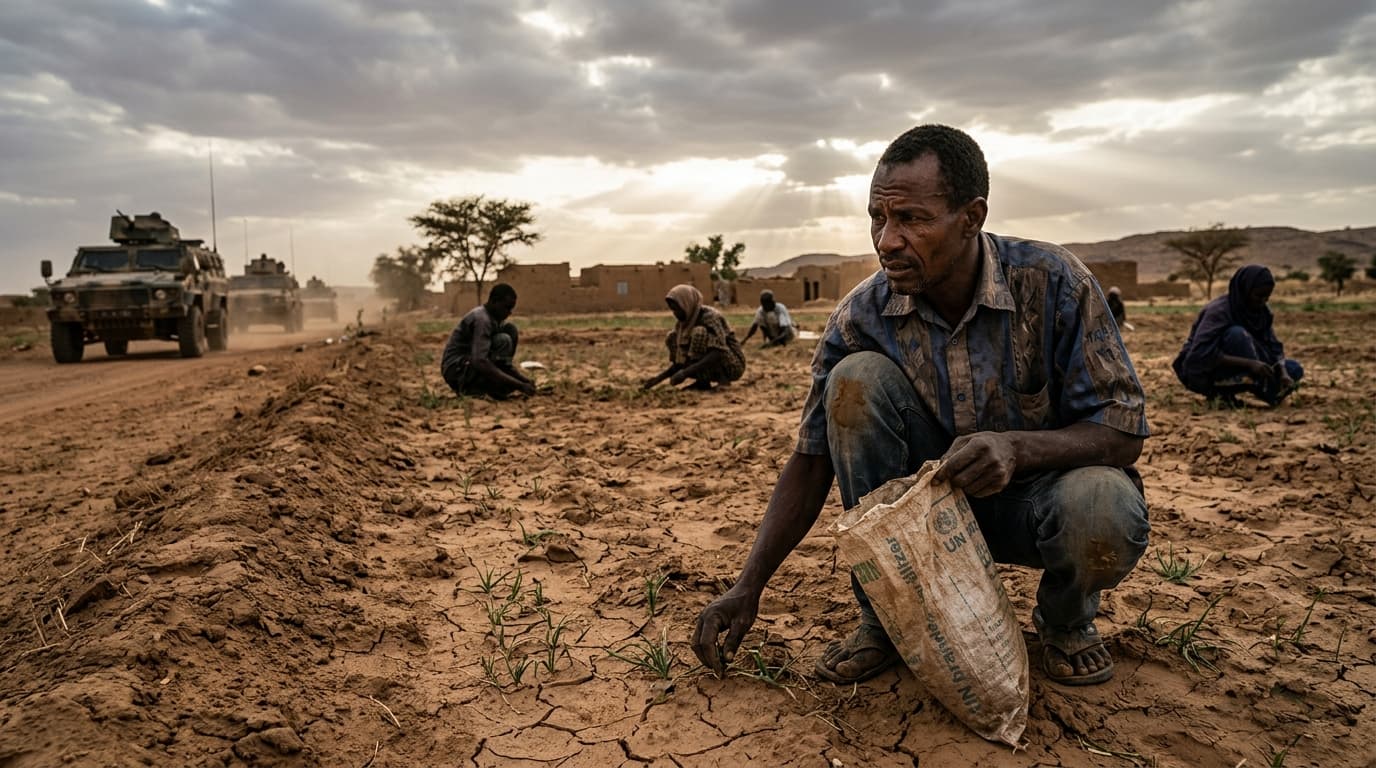
West Africa Food Crisis: Three Shocks in 2026
Conflict, climate extremes, and the Strait of Hormuz closure drive a severe food crisis in West and Central Africa, with fertilizer prices surging 80% and millions displaced.