Noida’s Wage Revolt Exposes India’s Labour Code Gap
Noida’s protests are less about one pay revision than a deeper fight over who sets wages, hours and collective bargaining rights in India’s factory belt.
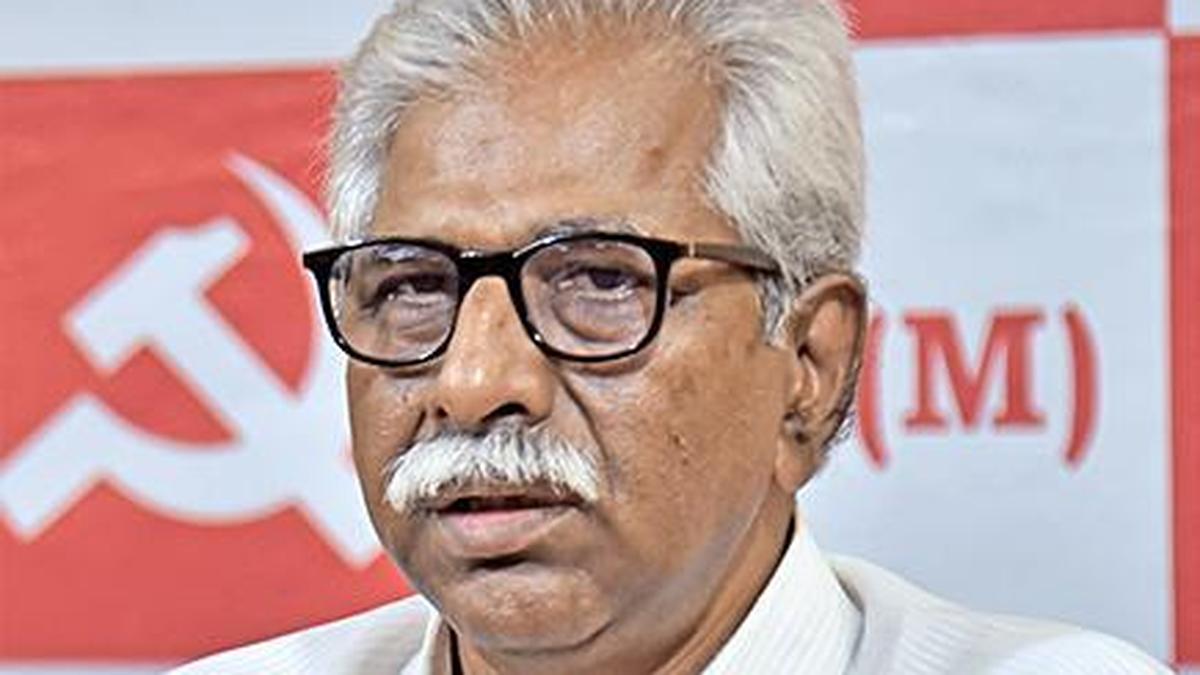
CITU general secretary Elamaram Kareem says the Noida unrest was a spontaneous response to low pay, 12-hour shifts and weak union protection, not an organised plot, and that the state’s response only confirmed workers’ fears ( Frontline). That matters because the Uttar Pradesh government’s interim wage revision on April 17 did not settle the issue: workers and unions called it inadequate, while the Centre has now moved to fully operationalise the labour codes by publishing the rules (
 The Hindu, The Hindu).
The leverage is in the factory gate
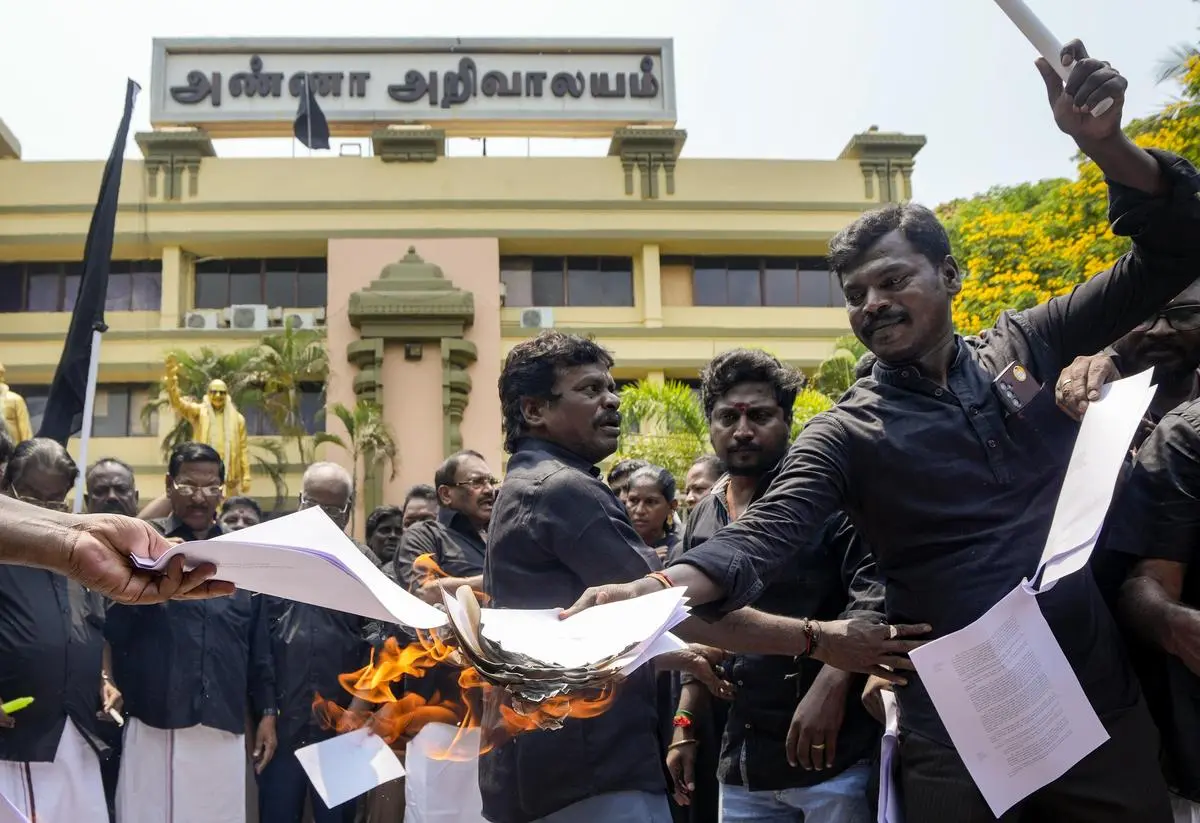
The immediate leverage still sits with employers and district police, not with workers. Frontline reports that the April protests spread across Noida’s industrial units without direct union leadership, after workers learned that wages had been revised in neighbouring Haryana but not in Uttar Pradesh (Frontline). The basic grievance was not ideological: higher minimum wages, shorter hours and payment security. The scale was what made the state react. Frontline says over 82 factories were affected, while The Straits Times, citing Reuters, reported around 40,000 workers involved and more than 300 arrests after clashes and vehicle torching (Frontline,  The Straits Times).
That exposes a structural problem in  India: in the NCR’s manufacturing belt, production is highly concentrated, but worker organisation is thin. Frontline notes that many large firms in Noida have thousands on the payroll but little or no union presence, which leaves wage disputes to be settled through disruption, not bargaining (Frontline). Employers benefit from that fragmentation. So do state governments that want industrial calm without lifting wage floors too aggressively.
Labour codes promise order; workers see dilution
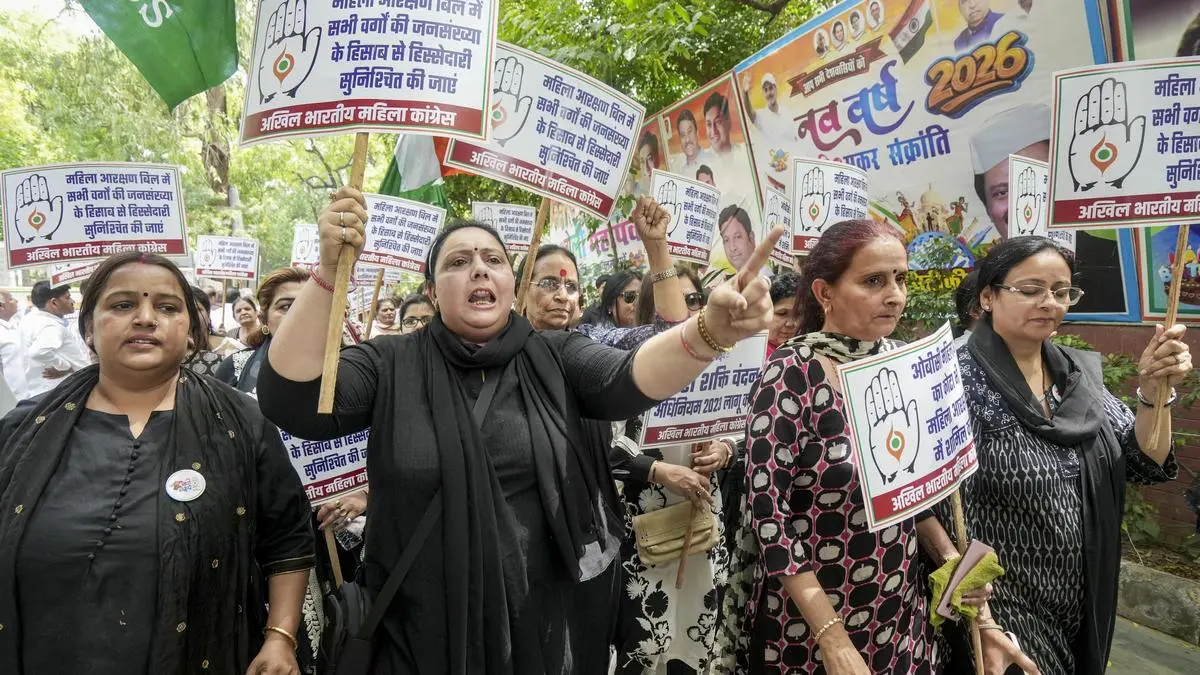
The Centre wants the opposite narrative. On May 9, the government said the four labour codes were now fully operational, with rules in place to deliver universal social security, wage slips and a 48-hour weekly cap (The Hindu). CITU reads the same package as a rollback. Kareem told Frontline the codes are “anti-labour,” arguing that 29 laws have been compressed into four codes in a way that weakens the right to unionise, strike and bargain collectively (Frontline). The Tribune reported CITU has already called for nationwide protests and public burning of the codes and rules, framing implementation as a corporate-backed move against worker rights ( The Tribune).
This is the key political point: the government is using the codes to project modernisation and order; unions are using Noida to argue that legal consolidation has not improved actual working conditions. Both can be true in formal terms. But only one side controls the enforcement machinery.
What to watch next
Watch whether Uttar Pradesh converts its wage revision into a legally durable process with union participation, as 10 central trade unions have demanded, or whether it leans on police action and ad hoc notifications instead (Frontline). Also watch the next NCR industrial flashpoint: if wage hikes in Haryana and Uttar Pradesh continue to diverge, Noida’s unrest will not be a one-off. It will be a template.