Netherlands' Defense Tax and Coalition Risks
A bold political experiment in The Hague unfolds.
Model Diplomat3 min readeurope
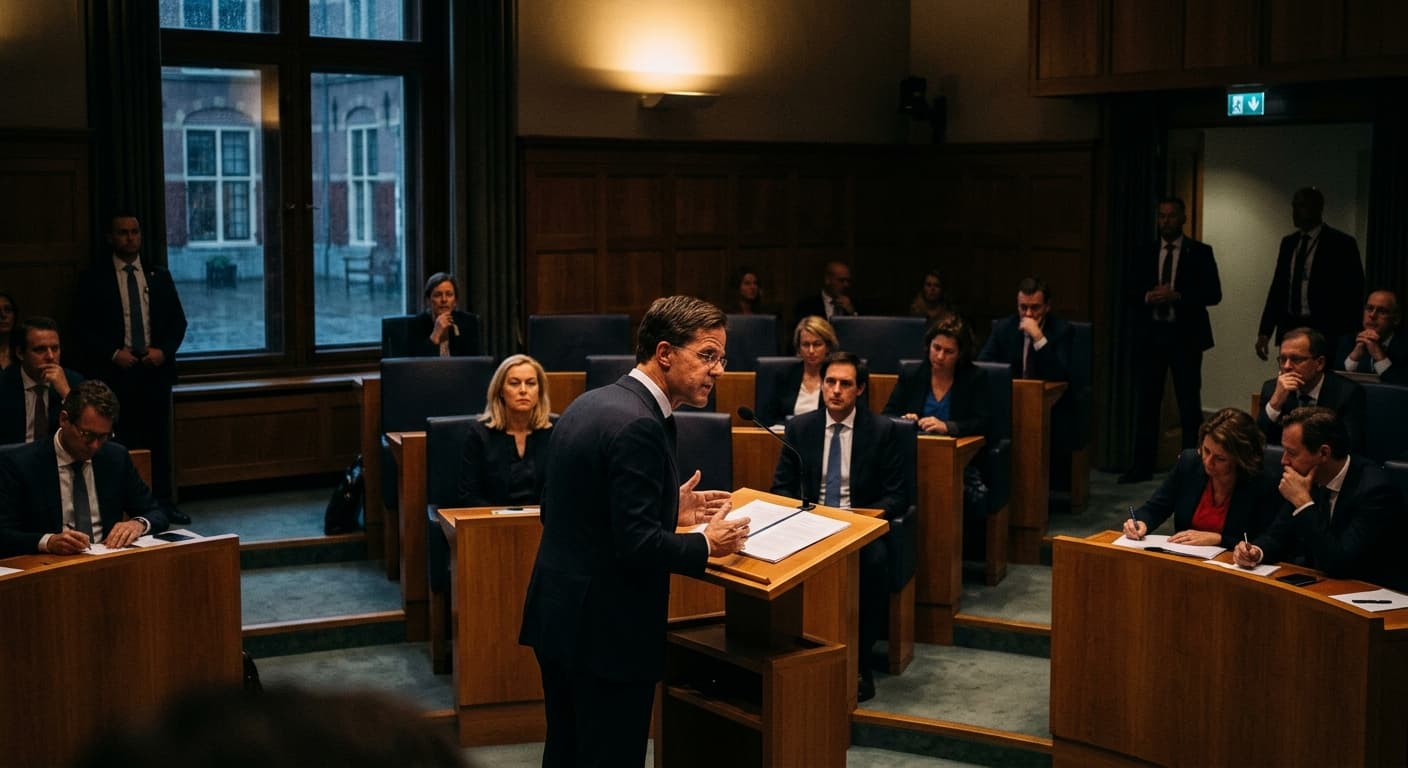
The Netherlands Bets Its Future on a Minority Coalition — and a Defense Tax
A 38-year-old prime minister, a €19 billion defense surge paid for by a per-citizen levy, and zero guaranteed votes in parliament: The Hague's political experiment has begun.
Rob Jetten became the Netherlands' youngest prime minister at 38 when his three-party minority coalition was sworn in on February 23, 2026. Four months in, the D66-VVD-CDA government's 67-page coalition agreement — titled "Aan de slag" ("Get to work") — remains one of the most ambitious and structurally fragile governing documents in recent European history. The coalition holds 66 of 150 seats in the lower house and just 21 of 76 in the senate, leaving Jetten's agenda dependent on opposition goodwill for every vote. POLITICO
The signature move is defense spending. The coalition has committed an additional €19 billion to hit the new NATO target of 5 percent of GDP — 3.5 percent on core military expenditure and 1.5 percent on defense-adjacent areas like cyber and civil protection. To fund it, every Dutch resident will pay a "freedom contribution" (vrijheidsbijdrage) through income tax, eventually raising over €3.4 billion annually, or roughly €184 per person. The coalition intends to anchor the 3.5 percent core-defense floor in law, locking in spending beyond any single budget cycle. DutchNews.nl
The Netherlands is explicitly shifting from what the coalition agreement calls a "peace dividend" posture to "combat power." The agreement sets a target of up to 40 percent of defense procurement done jointly with European partners, marking a sharp turn toward Brussels after the Euroskeptic drift of recent Dutch cabinets. The document describes the EU as needing to become "stronger and more geopolitical," capable of faster action on defense, energy, and technology. EFE
But the defense splurge has a bill. To keep the budget deficit within the EU's 3 percent ceiling, the coalition is cutting social spending significantly. The healthcare deductible jumps from €385 to €460. Unemployment benefits are being halved from two years to one. The state pension age will rise in lockstep with life expectancy starting in 2027, saving nearly €3 billion annually by 2033. ING's economic analysis notes the Netherlands remains "among the best in class" on fiscal discipline, but warns that longer-term spending commitments will intensify budgetary pressure beyond this government's term. ING THINK
There are notable political trade-offs. Planned cuts to education and international aid — core D66 constituencies — have been frozen, a win for Jetten's party. The mortgage interest deduction stays untouched, preserving housing-market stability for the VVD's base. The 30 percent expat tax ruling is preserved, a signal to the multinationals and semiconductor firms — ASML chief among them — that the coalition considers crucial to its 1.5 percent structural GDP growth target. DutchReview
On migration, Jetten is walking a tightrope between the far-right PVV's hardline platform and his own progressive flank. The agreement pledges stricter asylum controls, pushes for EU-led reforms allowing claims to be processed outside Europe, and commits the Netherlands to hosting an asylum summit. But it also halted a controversial deal with Uganda that would have used the country as a transit hub for rejected asylum seekers, and insists no migrant be sent to a country where they risk persecution.
The NATO target is the load-bearing piece here. The 5 percent figure was adopted across the alliance, but only a handful of allies have laid out credible funding pathways. The Netherlands' decision to fund it through an explicit, named citizen levy rather than general borrowing or off-budget mechanisms makes it one of the most politically transparent — and therefore most politically vulnerable — defense financing models in Europe.
What to watch
The minority arithmetic is the everything-variable. With ten seats short of a majority in the lower house and a 21-seat senate delegation, Jetten must build ad-hoc coalitions for each bill. Opposition parties — including Geert Wilders' PVV and the Farmer-Citizen Movement — can extract concessions or collapse initiatives at will. The first real test will be the defense procurement legislation this autumn, when the 40 percent European-joint-procurement target meets domestic industrial interests.
The "freedom contribution" also faces a durability test. If inflation or cost-of-living pressures spike, a visible per-citizen tax becomes a political target. Watch for any softening of language around the 5 percent target — or creative reclassification of what counts as "defense-related" spending — when the first budget review hits in 2027.
Discover more
Global Politics
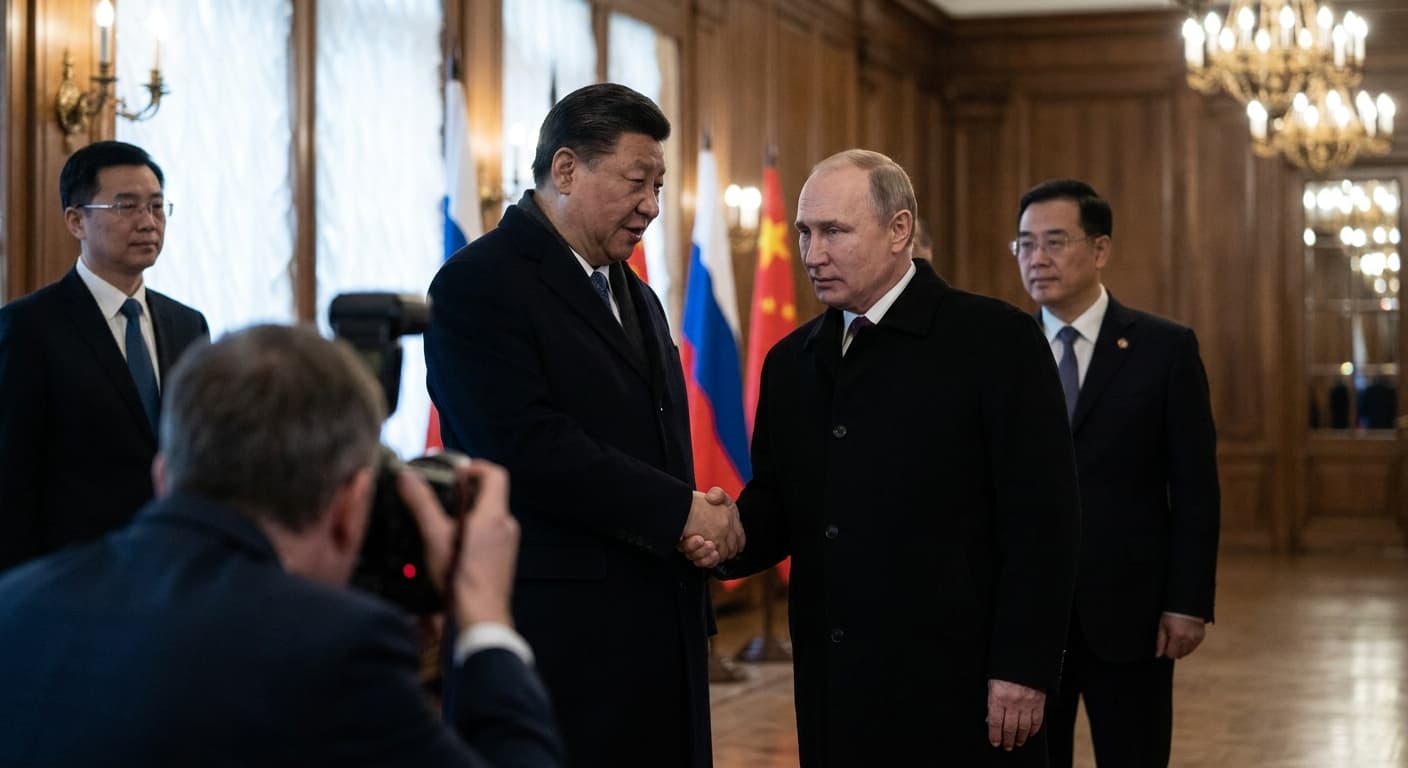
Xi Jinping Calls China-Russia Ties 'Precious'
Xi Jinping's description of China-Russia ties as 'precious' reflects a strategic imbalance, with Beijing dictating terms in the partnership.
India
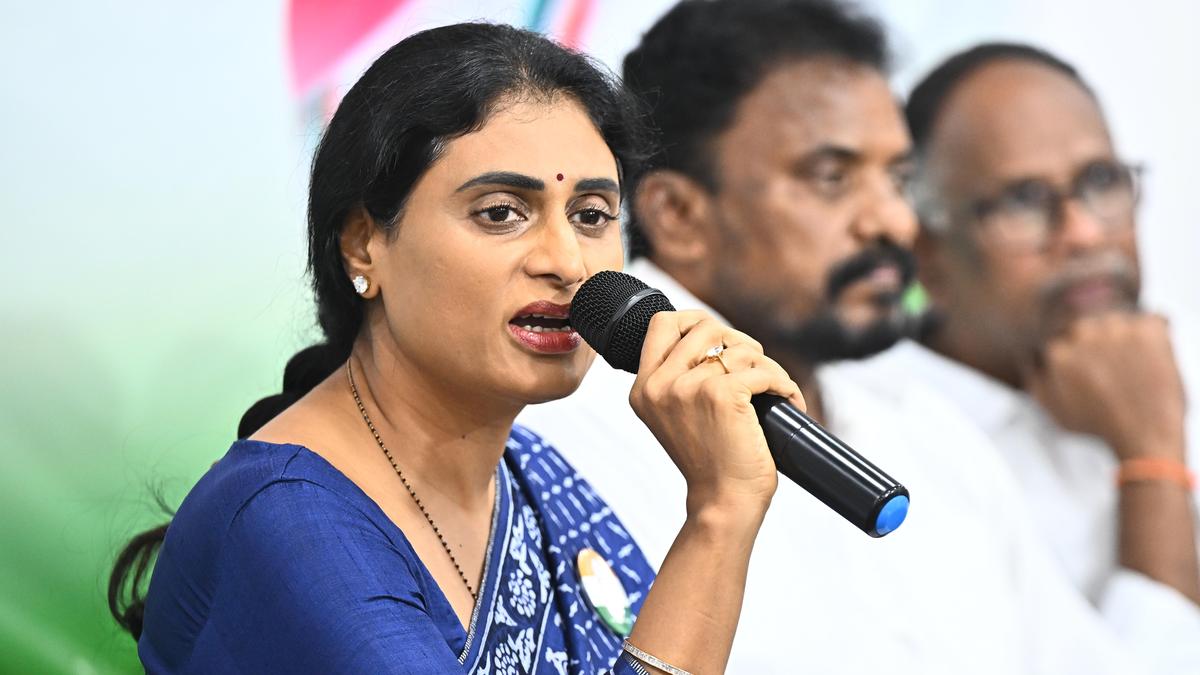
Congress Advocates 33% Women’s Quota
Congress calls for a 33% women's reservation in the existing 543 Lok Sabha seats, countering Modi's plan to expand the house to 850 seats.

Global Politics
US-Iran Tensions Rise
Tensions escalate in the Strait of Hormuz as Iran and the US clash over maritime control, with a ceasefire hinging on a contested MoU paragraph.

Economics
Fed's Amex AML order puts correspondent banking on notice
Federal Reserve's Amex AML order requires board-level controls and a 90-day plan; OCC fined the bank $350 million over enterprise-wide deficiencies.