NEET Cancellation Hands Opposition a Fresh Attack Line
The Centre has conceded enough to cancel NEET-UG 2026 and order a CBI probe, but that move also validates the opposition’s charge that exam credibility is now a political liability.
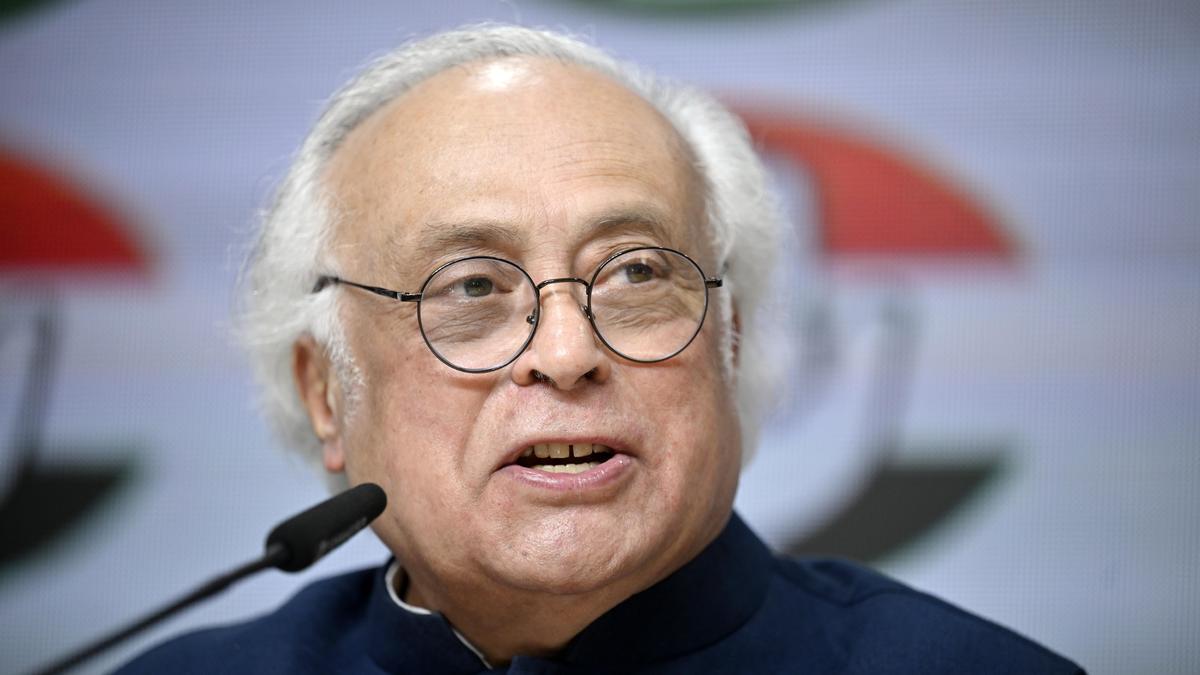
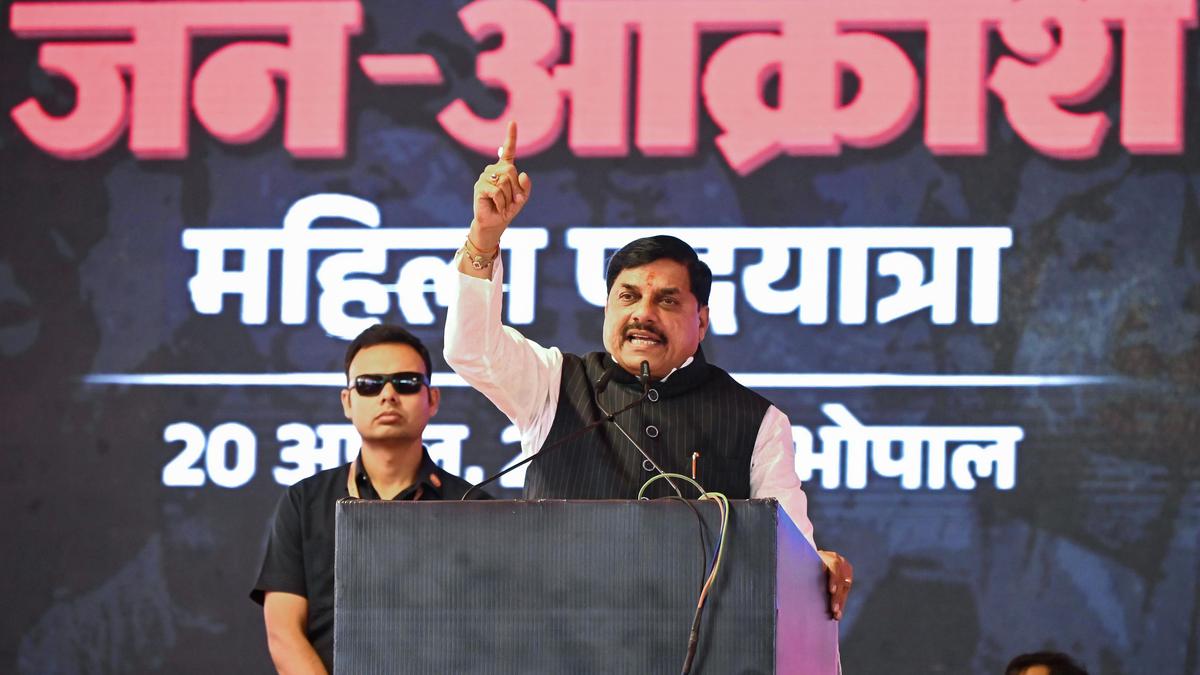
The power dynamic is straightforward: the government is trying to contain a trust crisis, and the opposition is trying to turn that crisis into evidence of systemic failure. On Tuesday, the National Testing Agency cancelled NEET-UG 2026, held on May 3, and said the exam would be re-conducted after a CBI probe into alleged irregularities ( The Hindu). The opposition seized on the decision immediately. Congress leaders said the BJP’s “Amrit Kaal has turned into a poison era,” while Rahul Gandhi called NEET an “auction” and said question papers were circulating on WhatsApp well before the test (
 The Tribune).
The Centre’s move is damage control, not closure
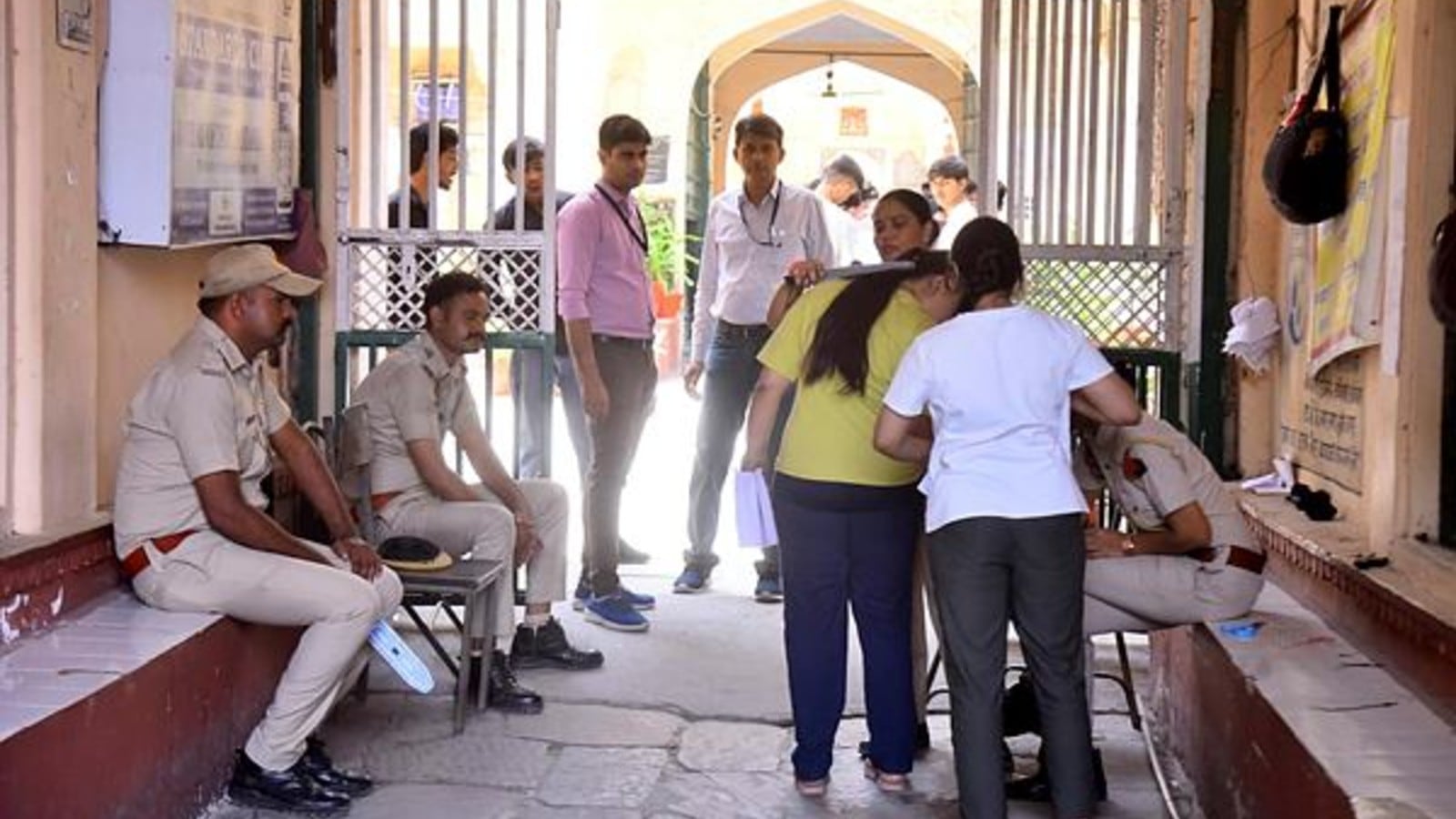
The cancellation is not just an administrative reset. It is an admission that the system could not withstand the allegations around the exam. The NTA said the decision was taken with government approval “in the interest of students” and to preserve trust in the national examination system, while also insisting the test had been conducted under a full security protocol, with GPS-tracked transport, AI-assisted CCTV monitoring, biometric checks and 5G jammers (The Hindu; The Hindu).
That tells you the government’s real problem: even if the official probe narrows the leak to a localised breach, the political damage is already national. For a test taken by roughly 22 lakh students, the Centre cannot afford ambiguity. The opposition knows that, and is using the cancellation to argue that the BJP has failed on the one thing it repeatedly promised on exams: credibility (The Tribune).
Why this matters beyond one exam
This is not only about one medical entrance test. It is about whether New Delhi can still enforce confidence in a centralised recruitment and admissions system that millions depend on. The Rajasthan Special Operations Group says it is probing a “guess paper” of 410 questions, allegedly circulated weeks before the exam, with officials claiming some questions matched the actual paper (The Hindu). That allegation is enough to fuel a broader narrative: if even a heavily monitored national exam can be compromised, the state’s enforcement capacity is in question.
Politically, the opposition benefits in two ways. First, it can link the episode to a wider record of paper leak controversies and present the education ministry as reactive rather than competent. Second, it can speak directly to middle-class and aspirant families, a constituency that responds sharply to exam insecurity. That is why the language is so loaded. “Poison era” is not just rhetoric; it is an attempt to recast governance as a direct threat to upward mobility.
What to watch next
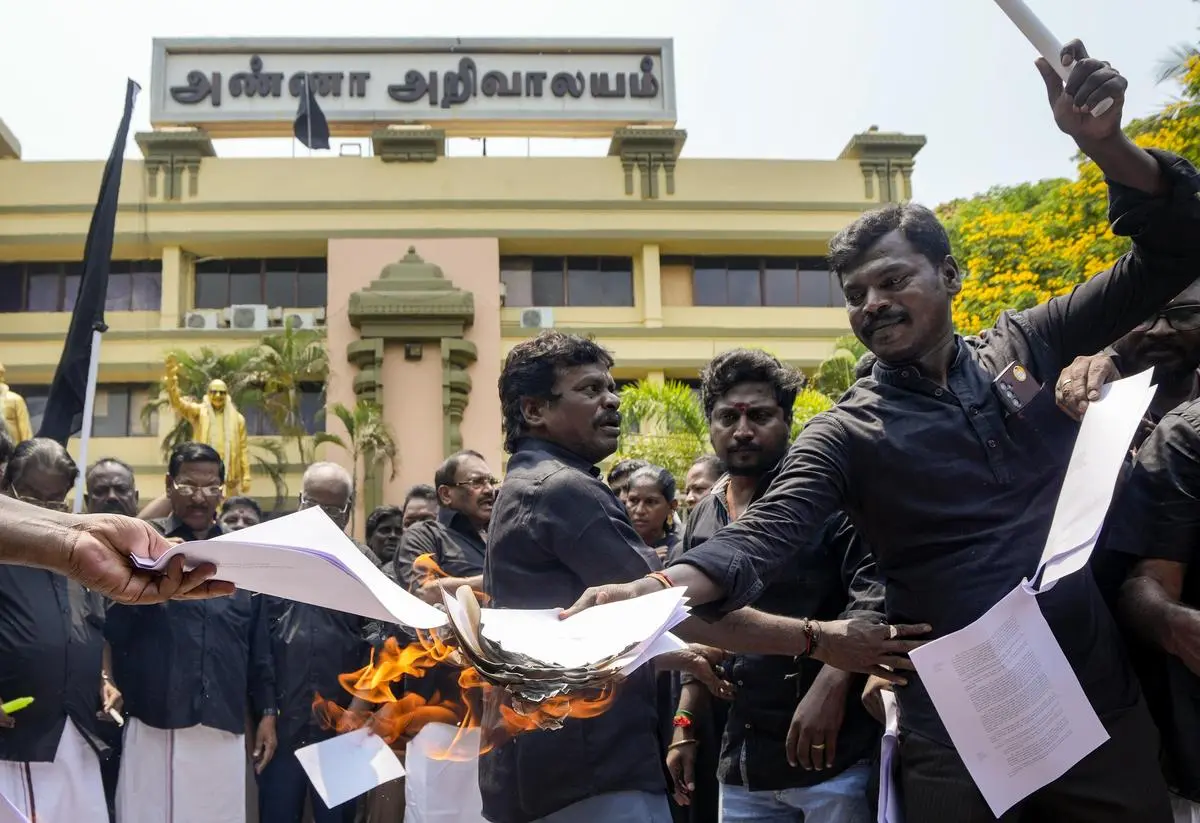
The next decision point is the CBI’s first substantive findings and the NTA’s announcement of a fresh exam date. If investigators identify a tight state-level leak chain, the government may try to frame this as a policing failure rather than a national collapse. If the probe widens, pressure will mount on the education ministry and the NTA leadership. Also watch the student response: protests already broke out in Delhi, and the longer the re-exam date stays undefined, the more the issue will harden into a broader indictment of  India’s exam system and the Centre’s grip on it.