NDA Delimitation Plan Threatens South India
BJP's move risks diluting southern states' parliamentary strength.
Model Diplomat3 min readIndia
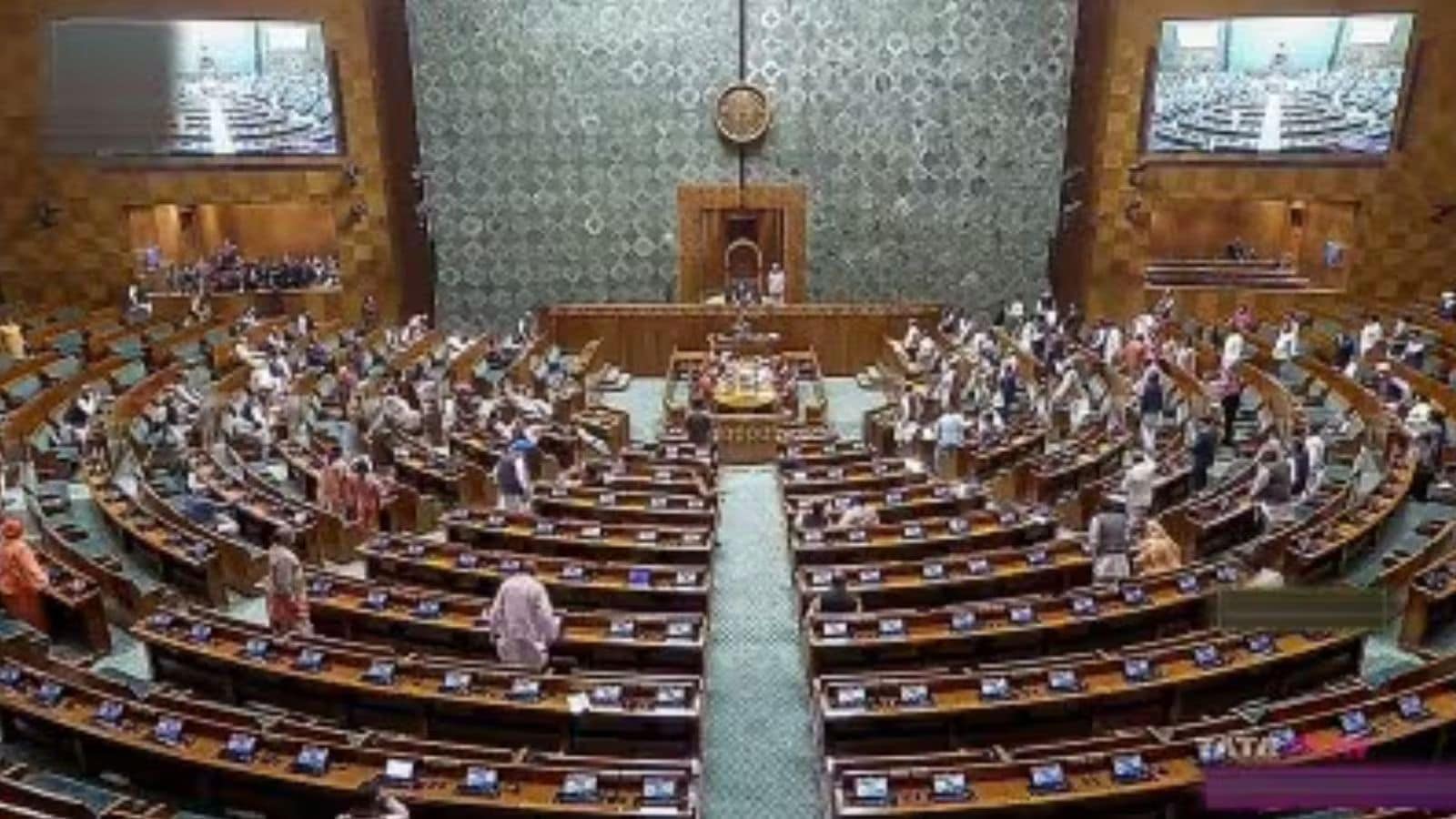
NDA’s Delimitation Move Risks Undermining South India’s Parliamentary Strength
The BJP-led NDA plans to increase Lok Sabha seats from 543 to 850 based on the 2011 census, sidelining established federal norms and diluting southern states’ representation.
The Bharatiya Janata Party’s (BJP) National Democratic Alliance (NDA) government is pushing a major delimitation exercise aimed at expanding the Lok Sabha from 543 to 850 seats to facilitate implementing the long-pending one-third reservation for women in Parliament. This is not just a technical redrawing of electoral boundaries: it leverages decade-old census data to significantly shift the balance of parliamentary representation in favor of northern India and against the southern states, breaching the implicit federal bargain that has maintained relative population-proportional shares since 1976.
Delimitation and Women’s Reservation: A Double-Edged Sword
The government has linked the implementation of the women’s reservation bill—which mandates that a third of all Lok Sabha and state assembly seats be reserved for women—to a redrawing of constituency boundaries based on the 2011 census. This entails breaking the freeze on seat allotments that has been in place since the 42nd amendment in 1976, which was intended to preserve the federal equilibrium amid uneven population growth.
According to an analysis in The Indian Express, the proposed expansion would add over 300 seats, disproportionately benefiting states with higher populations like Uttar Pradesh, Bihar, and Madhya Pradesh, all BJP strongholds, while diluting the weightage of southern states like Tamil Nadu, Kerala, Karnataka, and Andhra Pradesh The Indian Express.
This is critical because southern states have historically had fewer numbers but stronger per capita parliamentary influence compared to the more populous northern states. Increasing seats without maintaining proportional shares disturbs this delicate balance.
Why It Matters: Federalism and Political Power Play
The last major freeze on Lok Sabha seat adjustments was designed precisely to avoid such abrupt shifts that could damage relative political power and federal unity. The BJP's plan could be interpreted as a tactical move to cement northern India’s dominance in national politics under the guise of progressive reform.
Southern states perceive this as yet another instance of the BJP government sidelining their interests. It exacerbates their longstanding grievances about unequal economic development and political marginalization in Union decision-making. The BJP's stronghold states stand to gain not only more seats but also increased political leverage for future electoral contests, as more MPs mean greater influence in Lok Sabha committees, parliamentary procedures, and ultimately the formation of government.
The expansion also raises logistical questions—organizing elections for 850 MPs versus the current 543 demands more resources and increased administrative complexity.
What to Watch Next
-
Parliamentary Debate and Amendments: How opposition parties, particularly in the south, mobilize against or seek amendments to preserve federal balance will be key. Significant backlash could force the government to moderate the expansion plan.
-
Legal Challenges: Potential constitutional challenges may arise given that such a drastic departure from agreed federal principles could be contested under the federal structure protections in the Indian Constitution.
-
Impact on Women’s Reservation: Whether linking women’s reservation implementation to this large-scale delimitation causes delays or distortions in achieving gender equity in politics will be closely watched by civil society.
This delimitation plan is more than a technical exercise—it’s a calculated political strategy with potentially lasting repercussions on India’s federal equilibrium and democratic representation. For now, southern states are bracing for what may turn into a prolonged battle over the very architecture of India’s parliamentary democracy.
For broader context on India's evolving political landscape, see our India country profile and explore related developments in
Global Politics.
Discover more
India
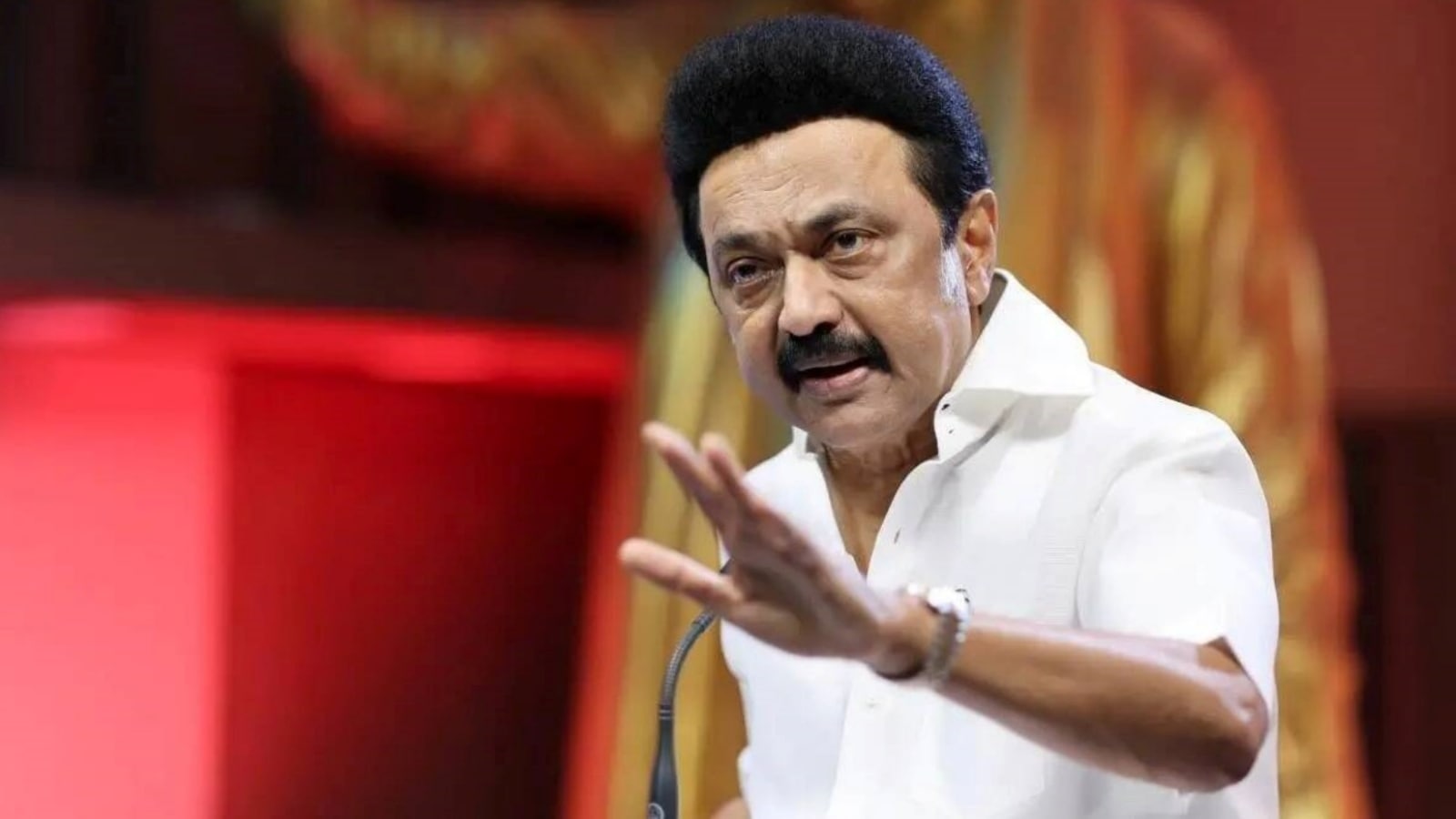
India's Delimitation Debate
India's delimitation plan stokes federal tensions as leaders warn it threatens fair representation and constitutional norms ahead of upcoming elections.

Conflict & Security
Drone Warfare Killing Aid Workers at Unprec
Over 1,000 humanitarian workers killed in three years as cheap armed drones collapse legal protections. Gaza, Sudan, Ukraine, and DRC see deliberate targeting of aid convoys and hospitals with zero prosecutions.

Global
World Normalises Taliban as Afghan Women Eras
UN data shows Afghan women erased from public life as Russia recognises the Taliban, EU hosts officials in Brussels, and ICC warrants for gender persecution go unenforced.
Conflict & Security
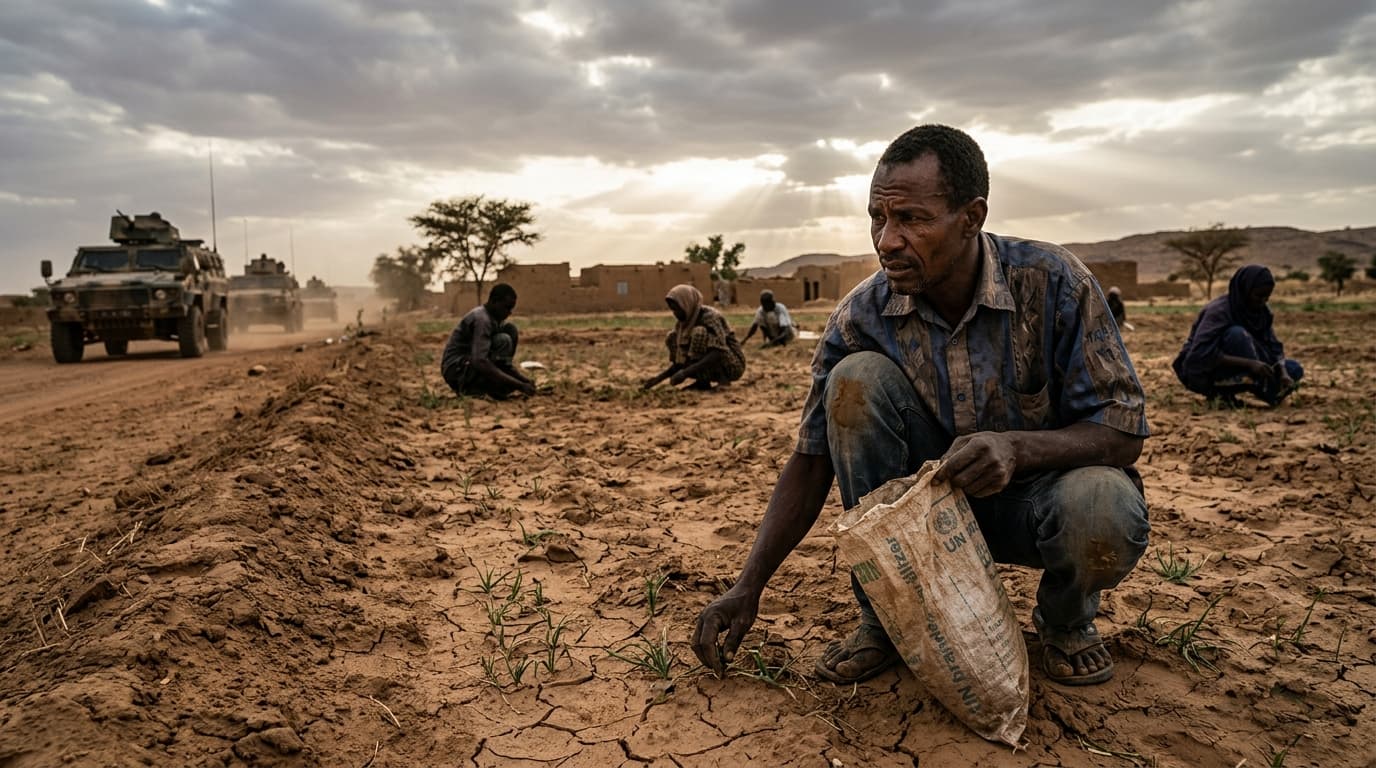
West Africa Food Crisis: Three Shocks in 2026
Conflict, climate extremes, and the Strait of Hormuz closure drive a severe food crisis in West and Central Africa, with fertilizer prices surging 80% and millions displaced.