Modi’s Viksit Bharat Pitch Shifts the Burden to Youth
The government is selling 2047 as a youth-led sprint, but the hard test is whether India can turn growth into enough good jobs, fast enough.
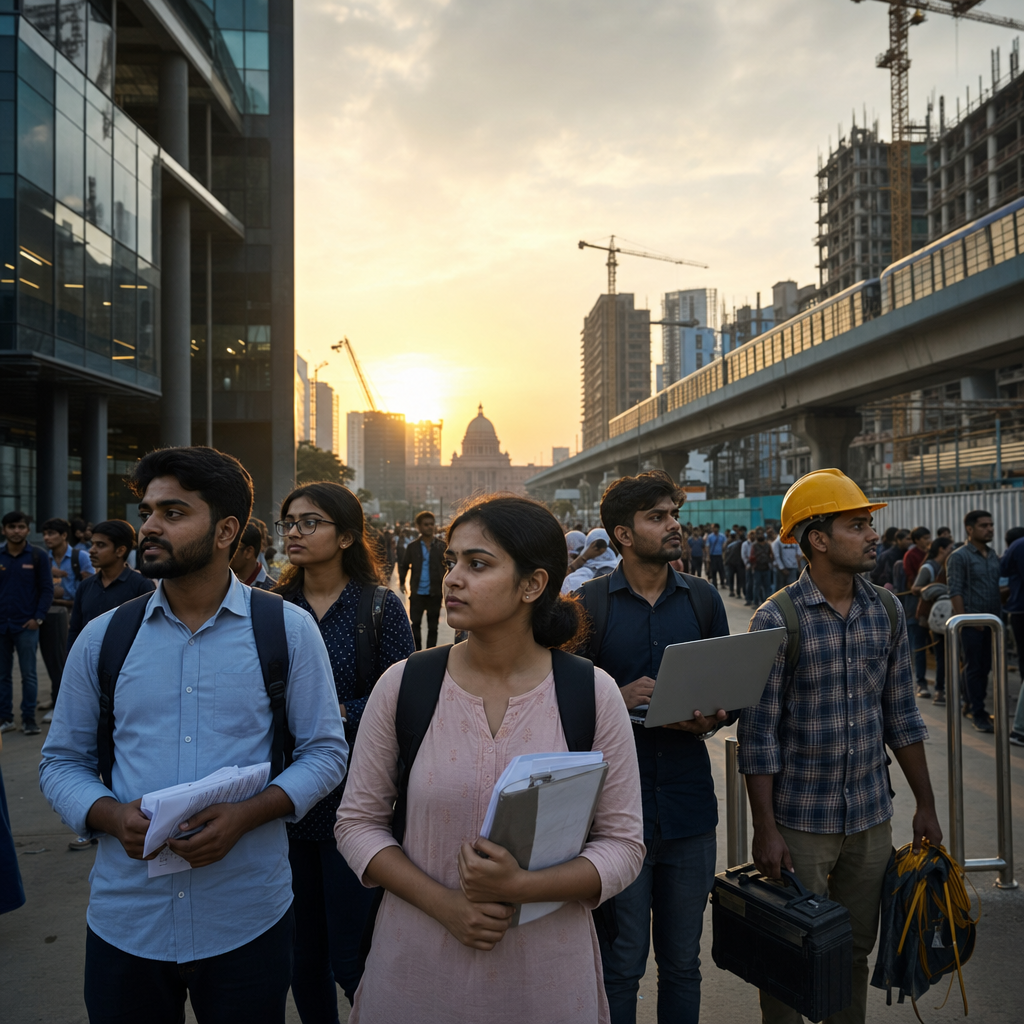
The Indian Express column argues that “Amrit Kaal” is an era of hard work and that today’s youth must lead India toward Viksit Bharat by 2047 ( The Indian Express). That is more than motivational language. It is a political move: shift the development story from what the state must deliver to what the next generation must carry. The real question is jobs. If India’s growth does not absorb its young workforce, the slogan turns into an obligation without a ladder.
The political frame
The column’s case is straightforward: India is already moving up the global ladder, citing poverty reduction, housing, water connections, roads, airports, rail electrification, space achievements and digital manufacturing gains as proof that the country is on track for a developed-nation horizon (The Indian Express). It also ties that progress to a familiar nationalist narrative: discipline, sacrifice and youth energy, with Swami Vivekananda used as the moral anchor (The Indian Express).
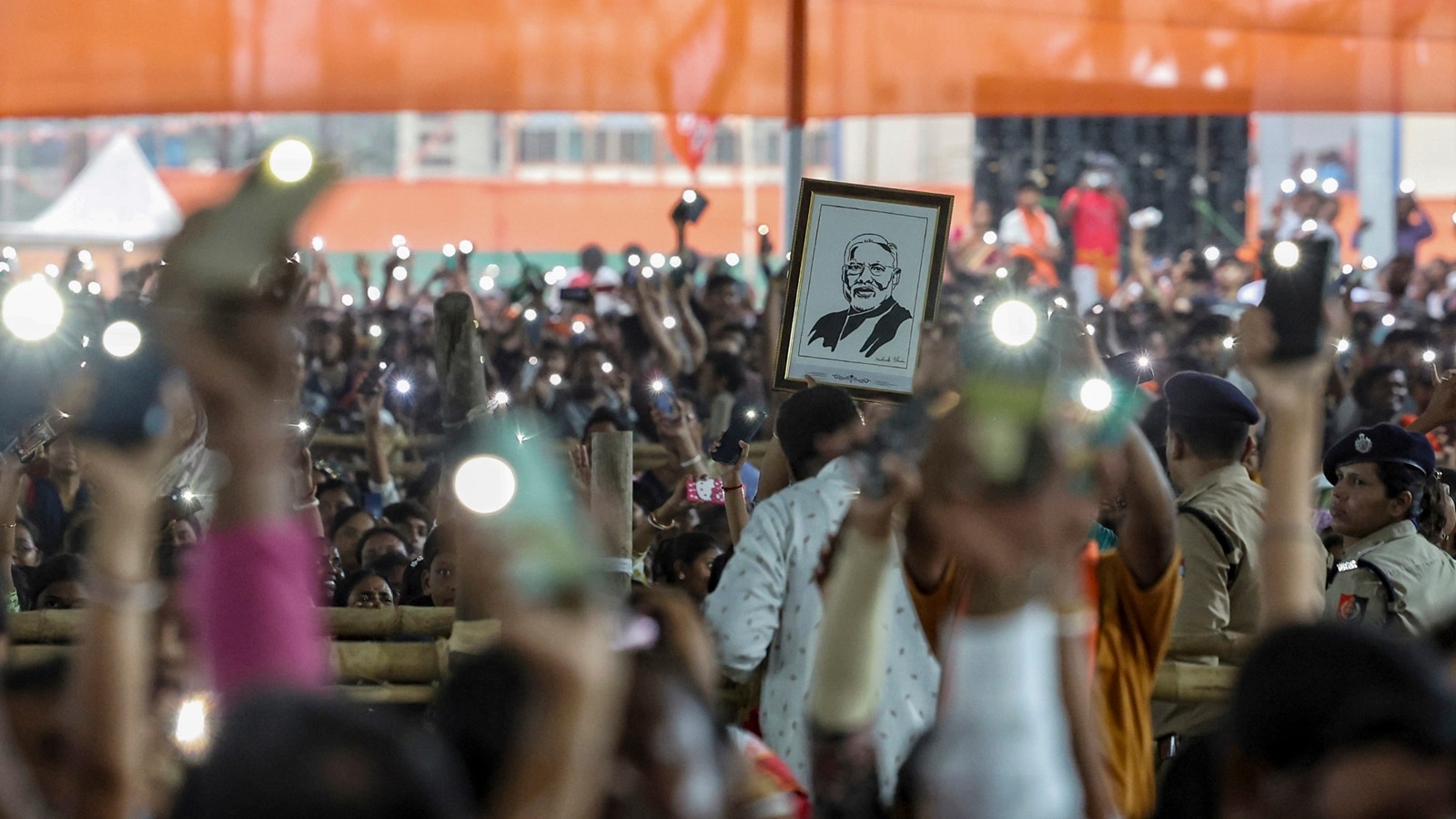
That framing benefits the ruling BJP because it makes development feel like a shared civic project rather than a delivery ledger. It also protects the government from a harder critique: if the country is “doing well,” then any frustration among young people can be recast as a question of effort, skills or mindset. For  India, that is a powerful political narrative — but it only holds if the labour market cooperates.
The economic test
The labour market is the weak seam. A CNA report last year said nearly 83 per cent of India’s unemployed are youth, and one in three Indians aged 15 to 29 is not working, schooling or in training, according to the ILO-backed India Employment Report 2024 ( CNA). It also said India needs to create about 1 million jobs a month just to keep unemployment from rising, while many graduates still lack the skills firms want (CNA). Another CNA piece said companies are slowing hiring as AI reshapes work, even as India remains a preferred hub for global capability centres (CNA).
That is the hard contradiction inside the Viksit Bharat story: growth is real, but job-rich growth is not automatic. Infrastructure, digital public goods and higher capital spending can lift productivity. They do not, by themselves, guarantee enough first jobs for an expanding, educated cohort. The winners are firms, exporters and the state, which can point to scale and momentum. The losers are young Indians who are being asked to believe that patience will eventually convert into opportunity.
What to watch next
Watch two things: whether the government pairs the 2047 rhetoric with measures that directly reward labour-intensive hiring, and whether private firms keep expanding headcount or keep substituting technology for entry-level work. If the next policy cycle leans again on training slogans without wage growth, apprenticeship scale or manufacturing absorption, the youth-first language will read as burden-shifting, not empowerment. That is the next decision point, and it will tell you whether Viksit Bharat is a labour-market strategy or just a national mood.