Modi's NIA Strategy in Bengal
Exploring the NIA's role in West Bengal's election dynamics
Model Diplomat3 min readAsia

Modi's Bengal Gambit: NIA Deployment and the 2026 Election Stakes
With Phase 2 voting hours away, the Centre's NIA blitz in Bengal has become the sharpest front in India's most contested election of 2026.
Phase 1 of West Bengal's 2026 Assembly elections delivered a striking 93.19% turnout across 152 constituencies on April 23 — a figure that signals enormous mobilization on both sides. Phase 2, covering 142 seats, votes on April 29. Both the BJP and Trinamool Congress (TMC) know the arithmetic: Bengal's 294 seats are the single largest prize in this five-state election cycle, alongside Tamil Nadu, Kerala, Assam, and Puducherry — all counting on May 4.
PM Modi's football appearance in Gangtok after closing Bengal's campaign is not incidental optics. It signals the BJP has deployed its peak firepower and is now managing the optics of confidence. The real action is what happened before the curtain fell.
The NIA as a Campaign Variable
The Central government's use of the National Investigation Agency in Bengal has redrawn the political fault lines heading into the final phase. The NIA registered a case to probe 79 crude bombs recovered in poll-bound Bengal, and separately, NIA teams fanned out to Malda after a mob gheraoed seven judicial officers conducting the Special Intensive Revision (SIR) of electoral rolls on April 1 — blocking National Highway 12 and hurling bricks. The Supreme Court, led by Chief Justice Surya Kant, directed the NIA to examine the political backgrounds of those involved, calling it "a serious inquiry, not an academic exercise." The Hindu
On April 12, the NIA detained Congress candidate Sayem Chowdhury and six others in Malda, and separately arrested an Indian Secular Front (ISF) panchayat member. The Hindu
Chief Minister Mamata Banerjee has reframed the entire NIA operation as BJP-orchestrated disenfranchisement — accusing the Centre of engineering mass deletions from voter rolls (roughly 63 lakh names deleted statewide through the SIR process) and then criminalizing protests against that erasure. She publicly dared Home Minister Amit Shah to face Malda voters whose names were struck off. That is a potent message in a state where the deleted names are disproportionately Muslim and minority communities — the TMC's core base.
Who Holds Leverage — and Who's Exposed
The BJP controls the institutional instruments: the NIA, central paramilitary forces deployed under Shah's extended mandate, and the Election Commission's administrative apparatus. The SIR process, backed by a Supreme Court directive, hands Delhi a procedural shield for the voter roll changes.
TMC holds the incumbency and the street. A 93% Phase 1 turnout — regardless of which way it breaks — suggests Bengal's electorate is intensely engaged, and high participation has historically favored the incumbent when the ground organization is stronger. Mamata's machine remains formidable in rural Bengal.
The Opposition coalition's exposure is significant: the detention of a Congress candidate by a central agency days before polling is the kind of development that consolidates TMC's anti-BJP narrative and potentially squeezes Congress's own space in the state.
For the broader India political landscape, Bengal 2026 is a stress test of how far central institutional power can shift a state election — and whether the TMC's incumbency absorbs or collapses under it.
What to Watch on May 4
The count on May 4 is the decisive moment. Watch the Phase 2 turnout figure first — if it approaches or exceeds 93%, it signals Mamata's mobilization held. Watch the Malda district results specifically: a TMC sweep there despite the NIA intervention would confirm the agency's political limits. And watch whether the Supreme Court's NIA directive produces any named political findings before results — a pre-count revelation could reshape the narrative in real time.
Discover more
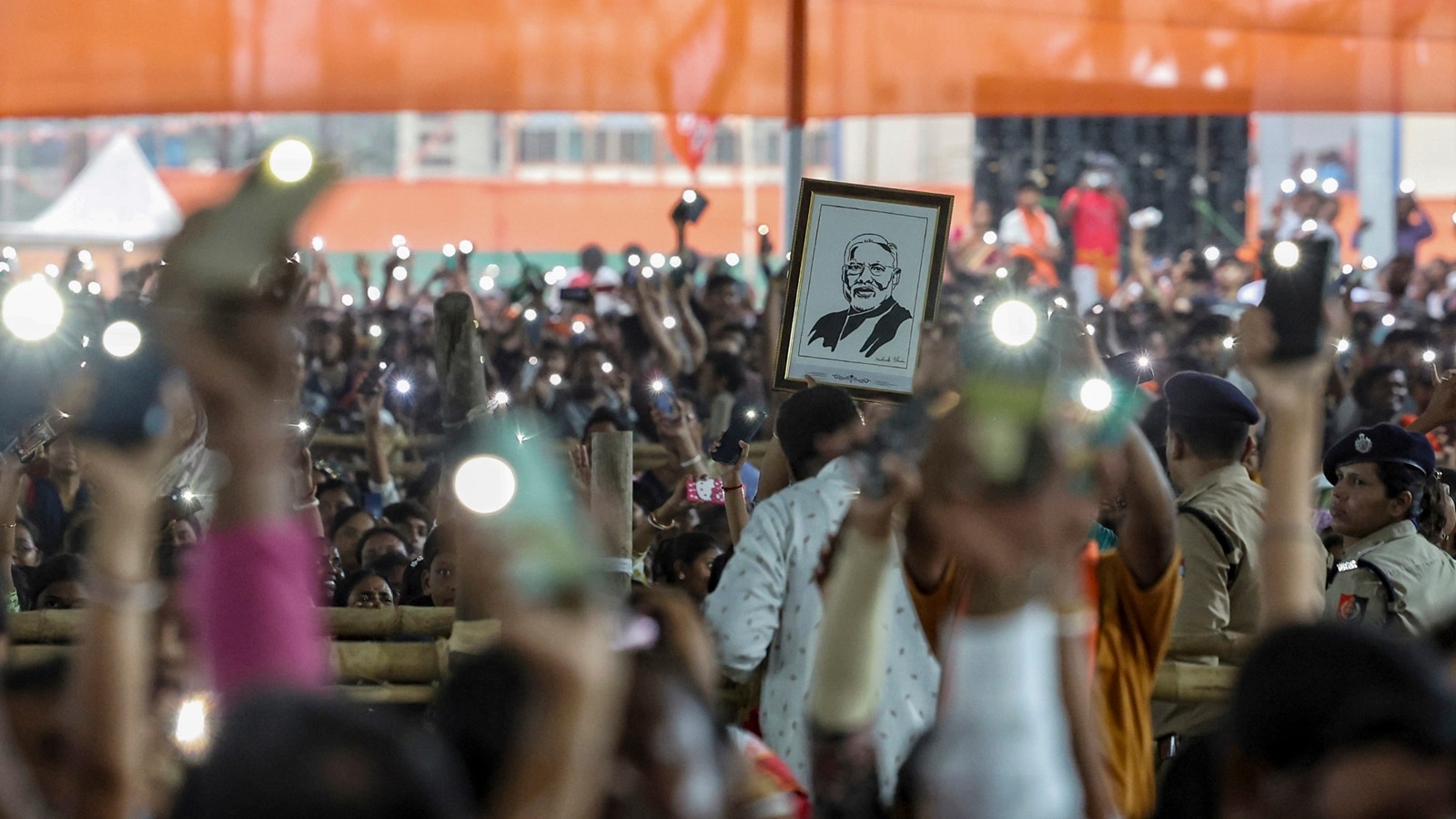
India
Modi's Women’s Convention in Varanasi
Modi's Varanasi rally frames women's reservation as a national mission, targeting the 2027 Uttar Pradesh elections with a strategic narrative.
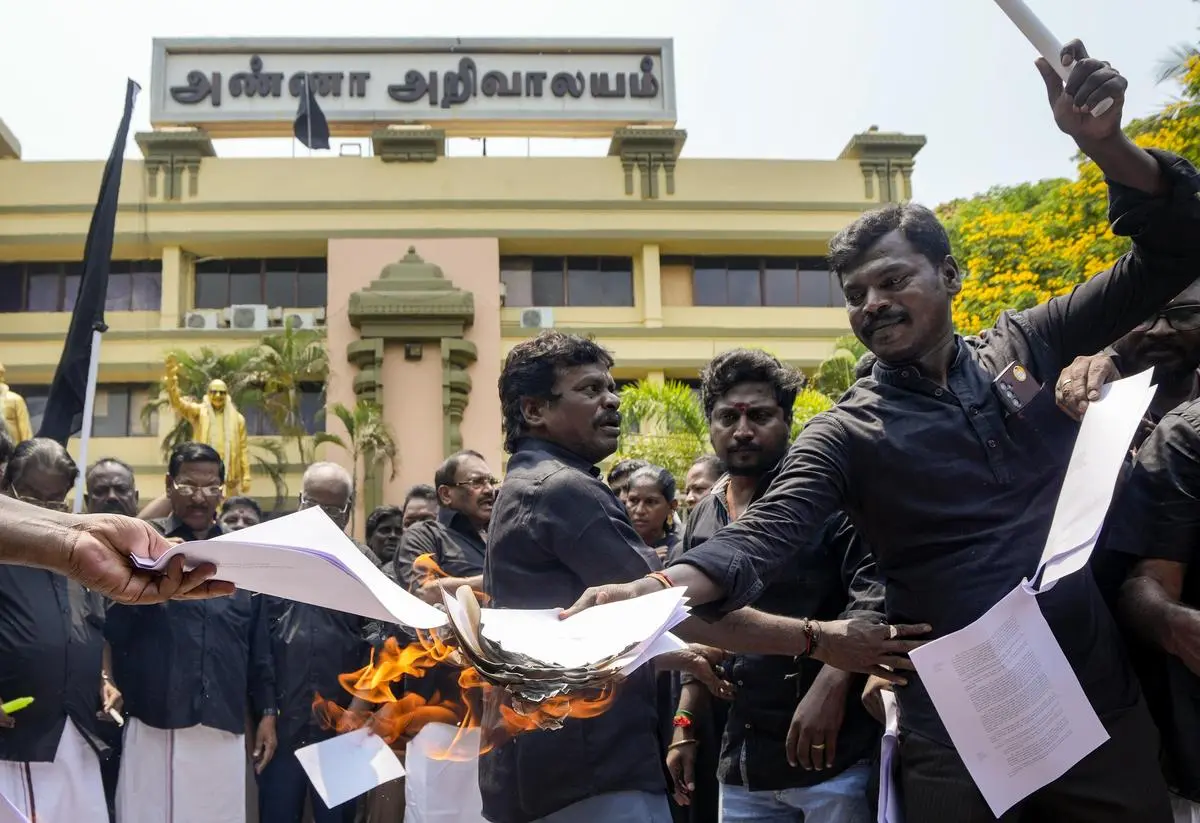
India
Women’s Reservation Bill 2026
The Constitution (131st Amendment) Bill, 2026 was defeated in Lok Sabha, revealing deeper political conflicts over women's reservation and delimitation.

Conflict & Security
Drone Warfare Killing Aid Workers at Unprec
Over 1,000 humanitarian workers killed in three years as cheap armed drones collapse legal protections. Gaza, Sudan, Ukraine, and DRC see deliberate targeting of aid convoys and hospitals with zero prosecutions.
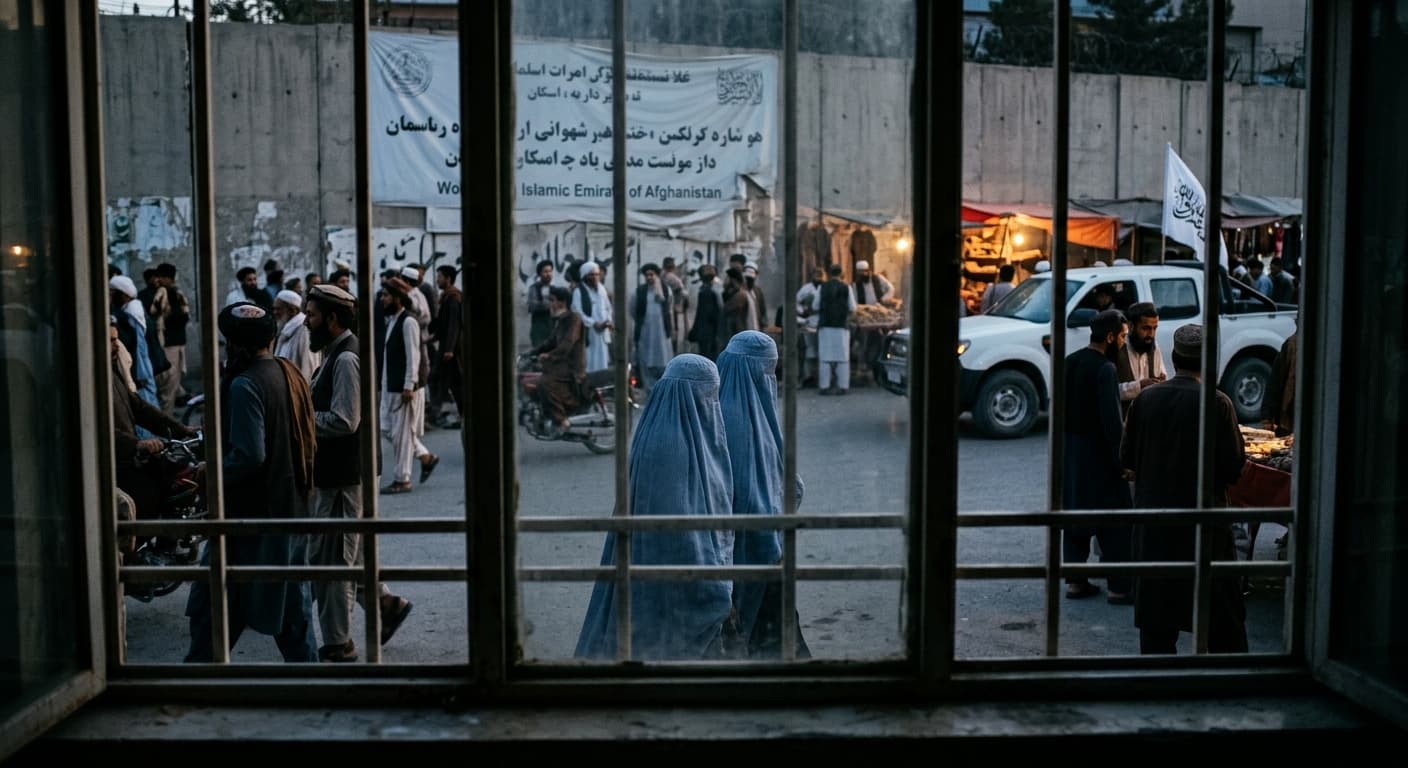
Global
World Normalises Taliban as Afghan Women Eras
UN data shows Afghan women erased from public life as Russia recognises the Taliban, EU hosts officials in Brussels, and ICC warrants for gender persecution go unenforced.