Modi’s Fuel-Saving Appeal Gives Opposition New Attack Line
India’s oil dependence makes the message plausible; the BJP is trying to frame it as prudence, while rivals call it a warning sign of deeper trouble.
The BJP is trying to stop Prime Minister Narendra Modi’s austerity appeal from becoming a political liability. On Tuesday, party spokesperson Gaurav Bhatia said the Congress, AAP and Samajwadi Party were “spreading panic” after Modi urged Indians to cut fuel use, avoid unnecessary foreign travel and defer gold purchases as a precaution against the West Asia shock, according to  The Hindu. The power dynamic is clear: the government wants the public to read the message as voluntary restraint; the Opposition wants it read as a confession that the economic strain is real.
The government is trying to turn restraint into patriotism
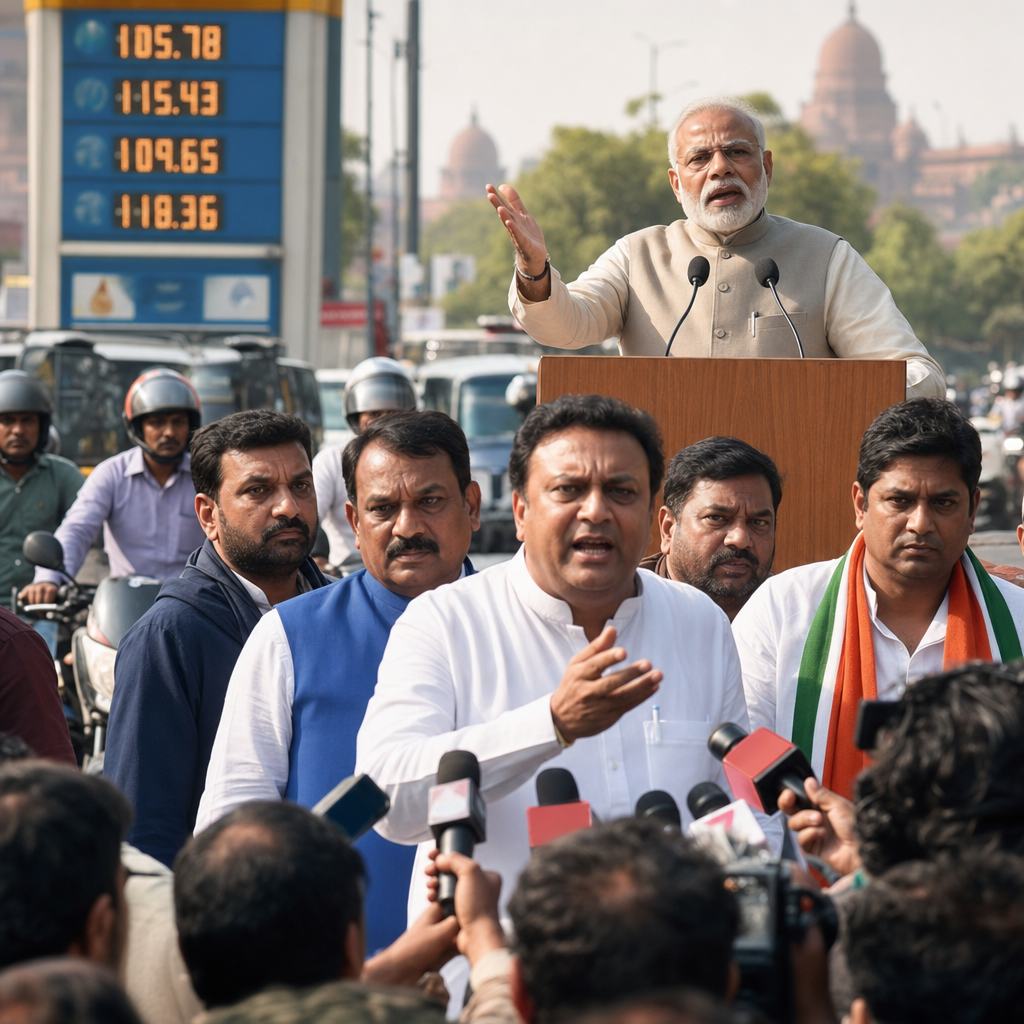
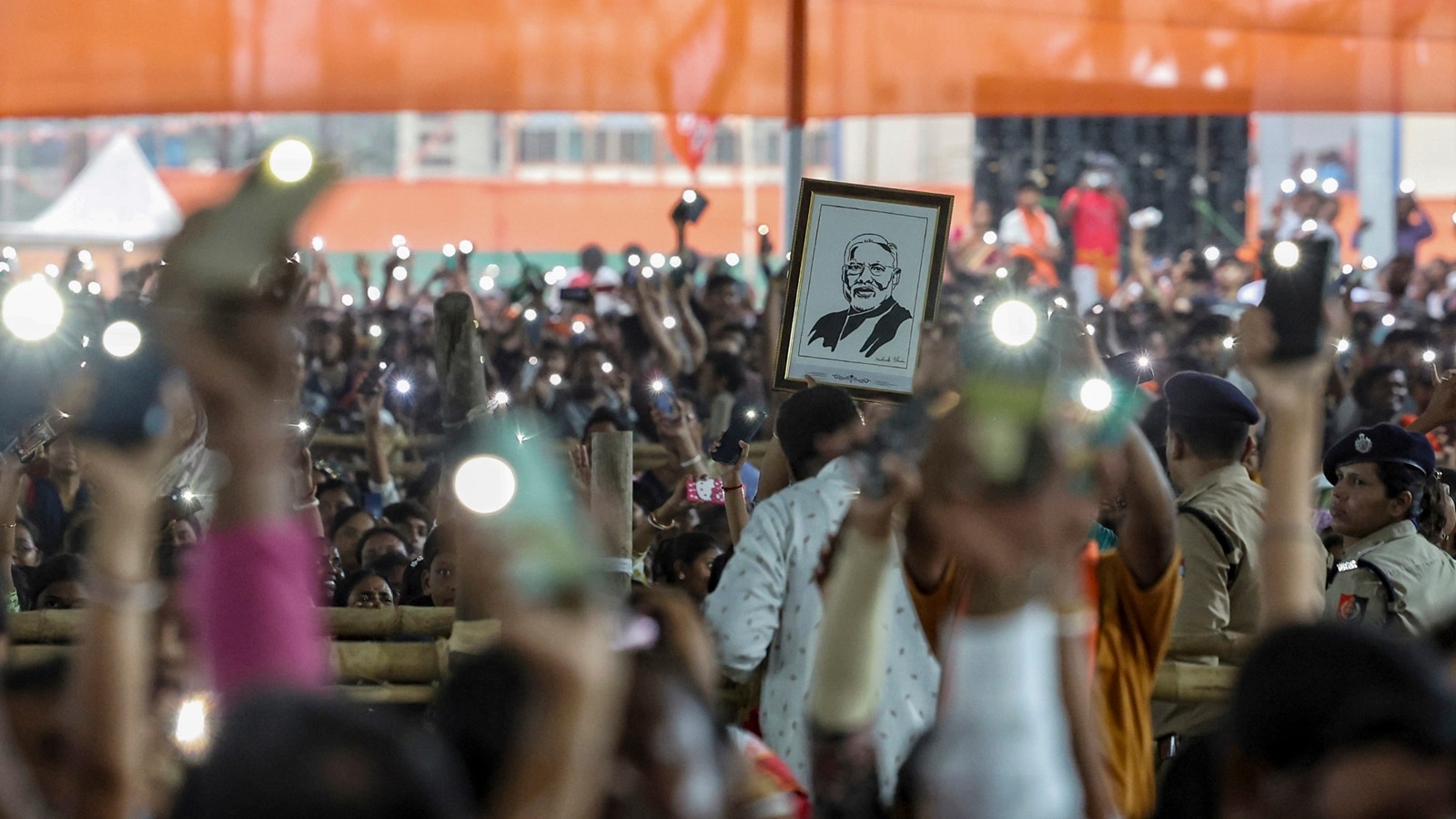
Modi’s message is not a policy order, but it is not politically neutral either. In Hyderabad and again in Gujarat, he asked citizens to use petrol and diesel sparingly, rely more on public transport, work from home where possible, avoid non-essential overseas travel, and postpone gold purchases for a year, The Hindu reported. He also linked those habits to conserving foreign exchange and cushioning India from global disruptions. That framing matters because it shifts responsibility from the state to households — a classic move when leaders want belt-tightening without announcing emergency measures.
The BJP’s rebuttal is equally strategic. Bhatia argued there is no shortage of essential goods, pointed to stable fuel prices, and said the government has protected oil, gas and forex reserves, The Hindu. In other words, the message from the ruling party is: there is no crisis, only prudent anticipation.
Why the Opposition sees an opening
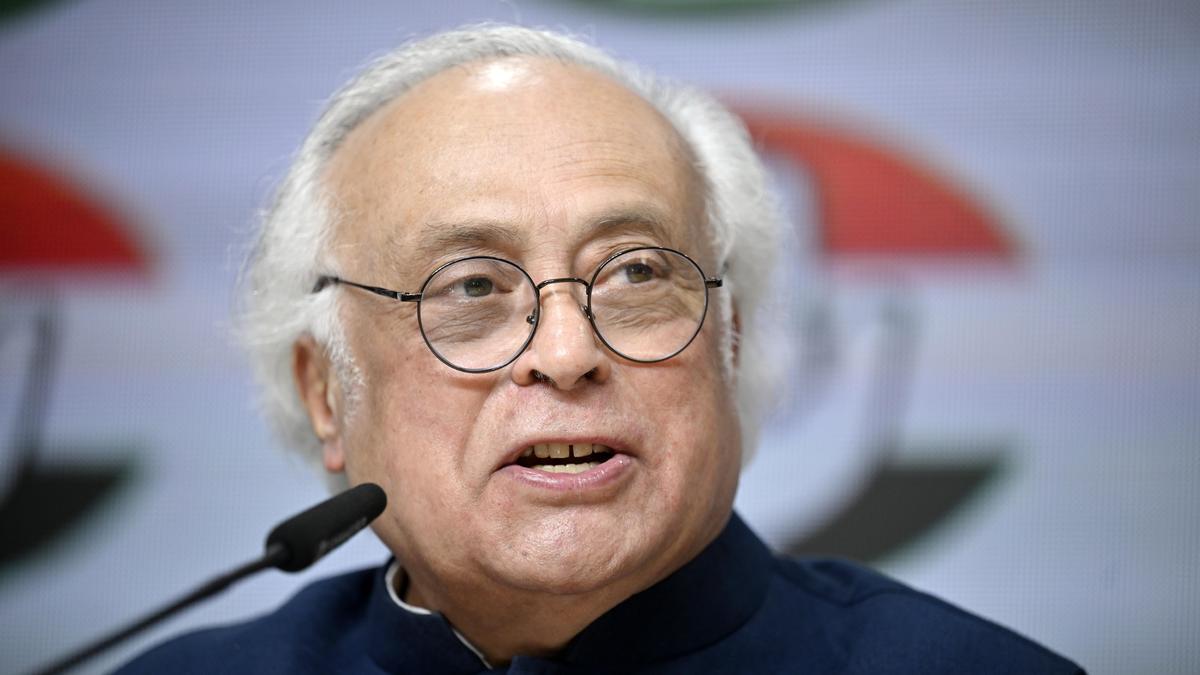
The Opposition is not attacking the appeal itself; it is attacking what the appeal implies. Congress leader Jairam Ramesh said the Prime Minister’s remarks could mean tougher austerity is coming and that the government is preparing the public for it, The Hindu reported. ThePrint said Congress has demanded a special Parliament session and accused Modi of shifting the burden onto citizens instead of preparing for the fallout of the West Asia conflict. That is the political vulnerability here: if the government is asking for restraint now, rivals will ask why it was not prepared earlier.
This line of attack is stronger because India is structurally exposed. A Reuters report carried by  The Straits Times said India is the world’s third-biggest oil importer and consumer, and that rising energy prices are pressuring foreign exchange reserves. The Hindu also reported that India depends heavily on West Asia for crude oil and LPG. In
  Global Politics, that is the sort of dependence that turns a foreign crisis into a domestic political test.
What to watch next
The next decision point is whether the government keeps this as a public appeal or moves to harder economic measures. If fuel prices rise, or if import costs and the rupee come under visible strain, the Opposition’s argument — that the PM’s “voluntary” call was really advance damage control — gets stronger. If prices stay stable, the BJP can keep selling the message as responsible consumption and avoid a larger panic. Watch for further remarks from Modi, the finance ministry, and whether Congress renews its demand for a special session before the political narrative settles.