Modi's Tour: India Gains Strategic Leverage
Exploring the outcomes of Modi's diplomatic tour across Europe and UAE.
Model Diplomat3 min readAsia
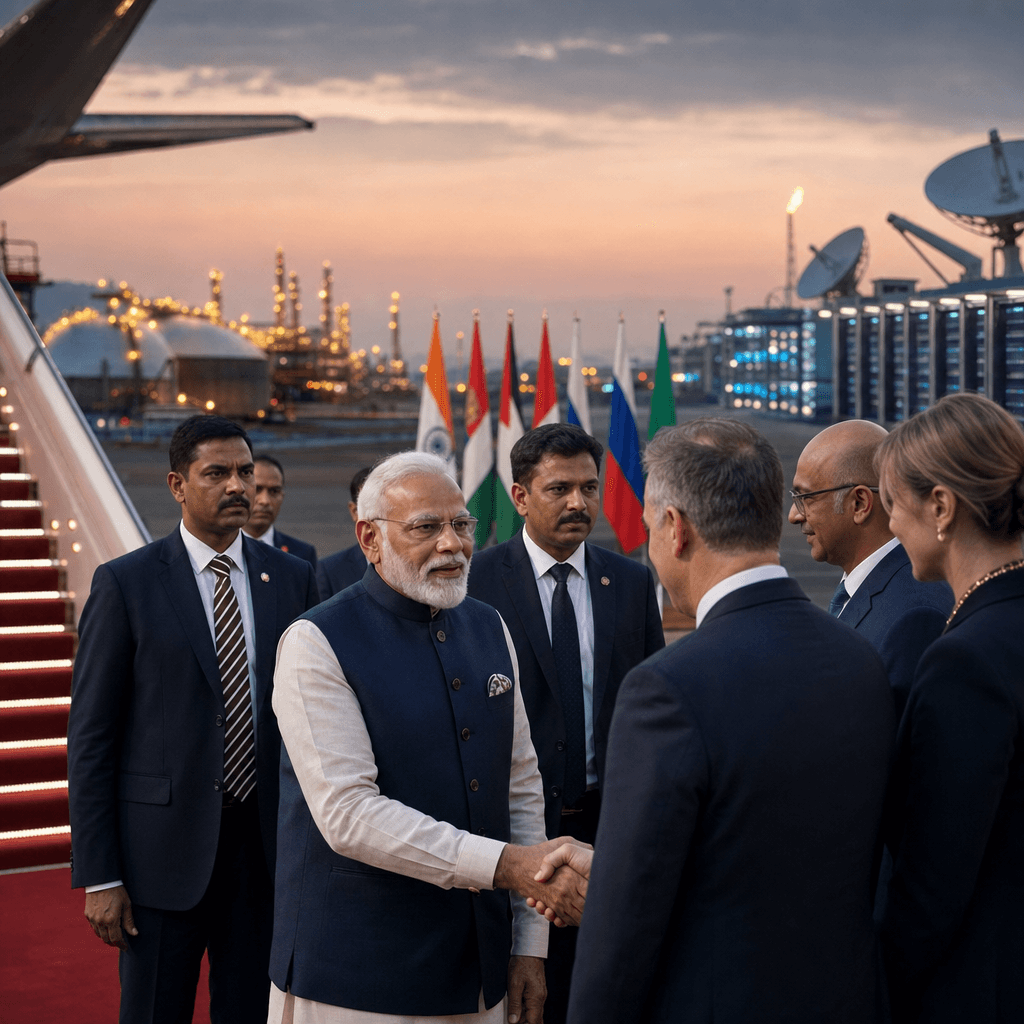
Modi’s Five-Country Tour Exposes India’s New Leverage
Energy, chips and trade drove Narendra Modi’s UAE-Europe tour, but the thin results and press row show India still has to convert symbolism into deals.
Prime Minister Narendra Modi’s five-nation tour was designed to project reach, not just routine diplomacy: the UAE, the Netherlands, Sweden, Norway and Italy were all used to push energy security, trade diversification and technology access, even as The Hindu noted that the trip produced few hard deliverables beyond visible goodwill. The strategic logic is clear. India is using a volatile external environment — war in Ukraine, the Iran crisis, Chinese economic coercion — to argue that it is a necessary partner for Global Politics and for Europe’s attempt to de-risk supply chains (
The Hindu;
Australian Institute of International Affairs).
Energy and technology were the real agenda
The UAE stop mattered because it addressed India’s most immediate vulnerability: imported fuel. Al Jazeera reported that Abu Dhabi and New Delhi signed defence, energy and shipping pacts, including arrangements tied to strategic petroleum reserves and crude storage at Fujairah, while Modi also said the UAE would invest up to $5 billion more in India (Al Jazeera). That is the leverage point. India is not asking the Gulf for abstract support; it is trying to lock in supply, storage and maritime security as the Strait of Hormuz remains exposed.
The European leg was about a different dependency: advanced technology. Al Jazeera reported that Tata Electronics signed a deal with ASML during Modi’s Netherlands visit to support a major semiconductor plant in Gujarat, while discussions with Dutch officials also covered defence, maritime systems and student-worker mobility (Al Jazeera). That fits the broader India-EU push The Hindu referenced: the India-EFTA deal is already in force, and the India-EU free trade agreement is expected later this year (
The Hindu). For Europe, India is becoming a market and a hedge; for India, Europe is becoming a supplier of chips, clean energy and industrial know-how.
The gains are real, but still incremental
This is why the tour matters more than the ceremonial optics suggest. The bargaining is no longer bilateral nostalgia; it is transactional statecraft built around specific pain points: oil, semiconductors, green tech, defence, and Arctic and maritime access (Australian Institute of International Affairs). That helps India’s domestic growth story and gives European governments a way to show they are diversifying beyond China and the United States. It also explains why the Nordic summit was framed around “green strategic partnership” language and why Oslo and Stockholm wanted to speak about innovation, not ideology (
Al Jazeera).
But the tour also exposed the limits of India’s current soft power. The Hindu flagged the embarrassment in Norway and the Netherlands over Modi’s refusal to take questions, a pattern that has become harder to ignore because it clashes with India’s claim to democratic transparency (The Hindu). That matters because the tour’s substance depends on trust: governments can sign memorandums quickly, but they commit capital, technology and market access only when they believe the political relationship will hold under pressure.
What to watch next
The next test is execution. Modi is set to return to Europe in June for the G-7 outreach summit in France and a bilateral stop in Slovakia, before the India-EU FTA signing in Brussels later this year (The Hindu). Watch whether those meetings produce tariff and investment concessions, and whether the government uses the Brussels deal to show that this tour was more than diplomatic theatre. If the contracts follow, India has converted leverage into structure. If not, the trip will be remembered as a useful reminder of India’s ambitions — and a warning about how much still depends on follow-through.
Discover more

India
India-South Korea $50B Trade Expansion Plan
India and South Korea target $50 billion in bilateral trade by 2030, focusing on industrial cooperation and strategic alignment amid US pressures.

Conflict & Security
Drone Warfare Killing Aid Workers at Unprec
Over 1,000 humanitarian workers killed in three years as cheap armed drones collapse legal protections. Gaza, Sudan, Ukraine, and DRC see deliberate targeting of aid convoys and hospitals with zero prosecutions.
Global
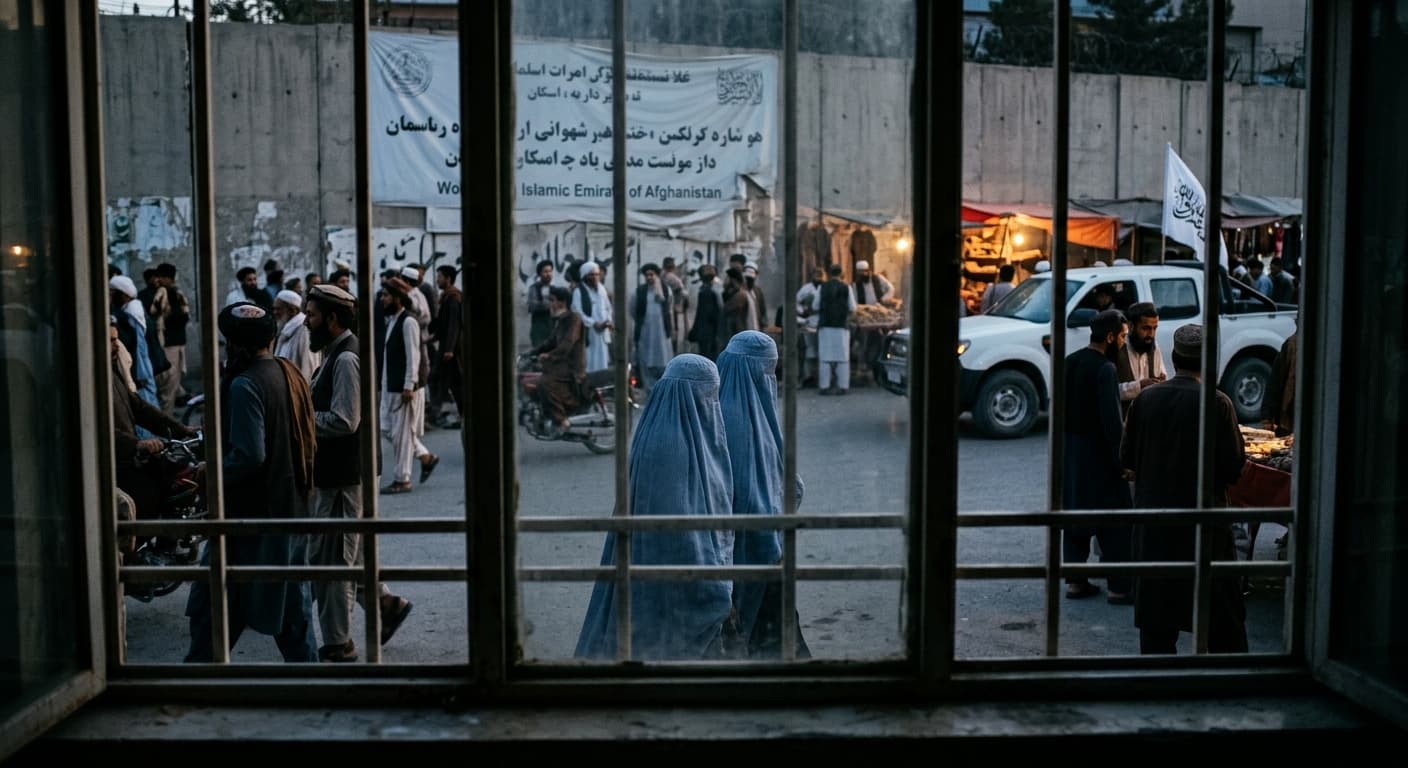
World Normalises Taliban as Afghan Women Eras
UN data shows Afghan women erased from public life as Russia recognises the Taliban, EU hosts officials in Brussels, and ICC warrants for gender persecution go unenforced.
Conflict & Security
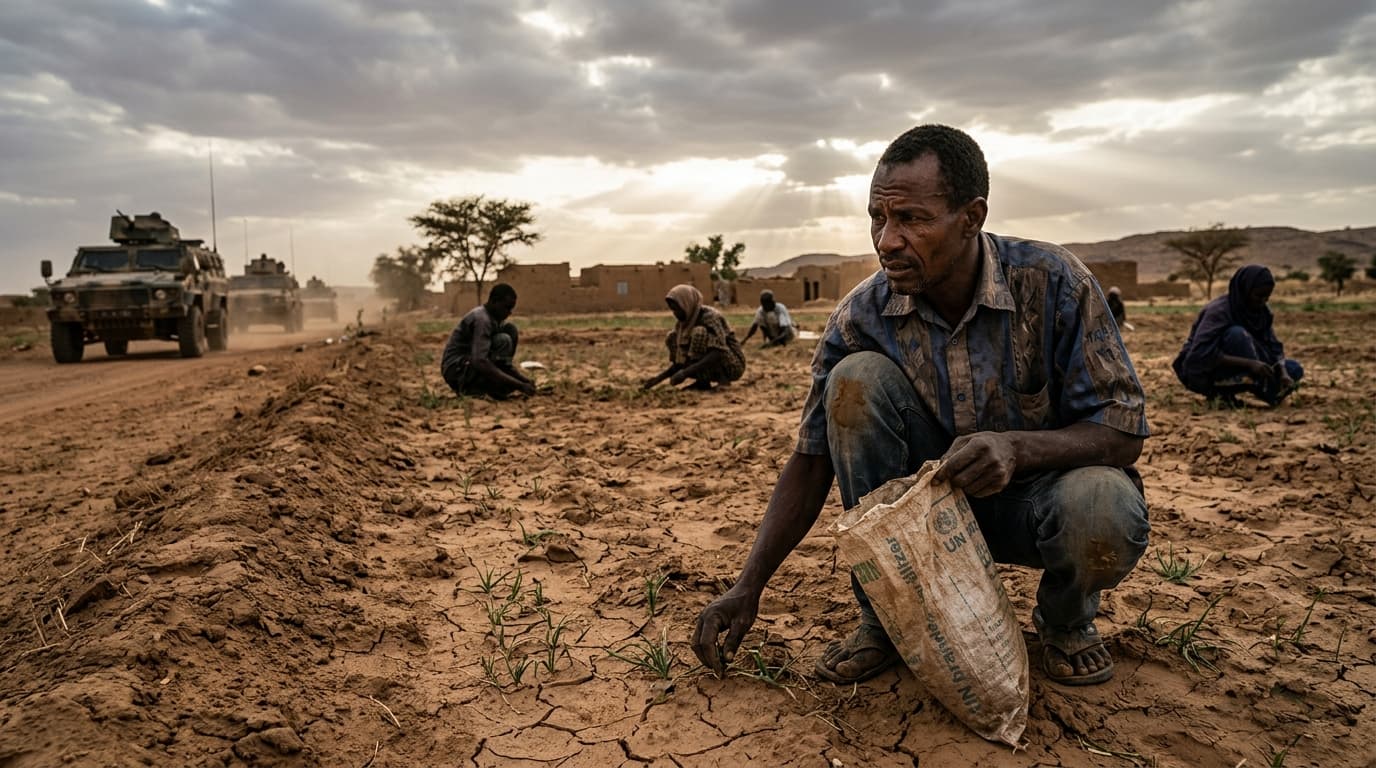
West Africa Food Crisis: Three Shocks in 2026
Conflict, climate extremes, and the Strait of Hormuz closure drive a severe food crisis in West and Central Africa, with fertilizer prices surging 80% and millions displaced.