Rubio’s India Visit Tests a Fragile Reset
Marco Rubio's trip aims to strengthen US-India ties amid tensions.
Model Diplomat3 min readAsia
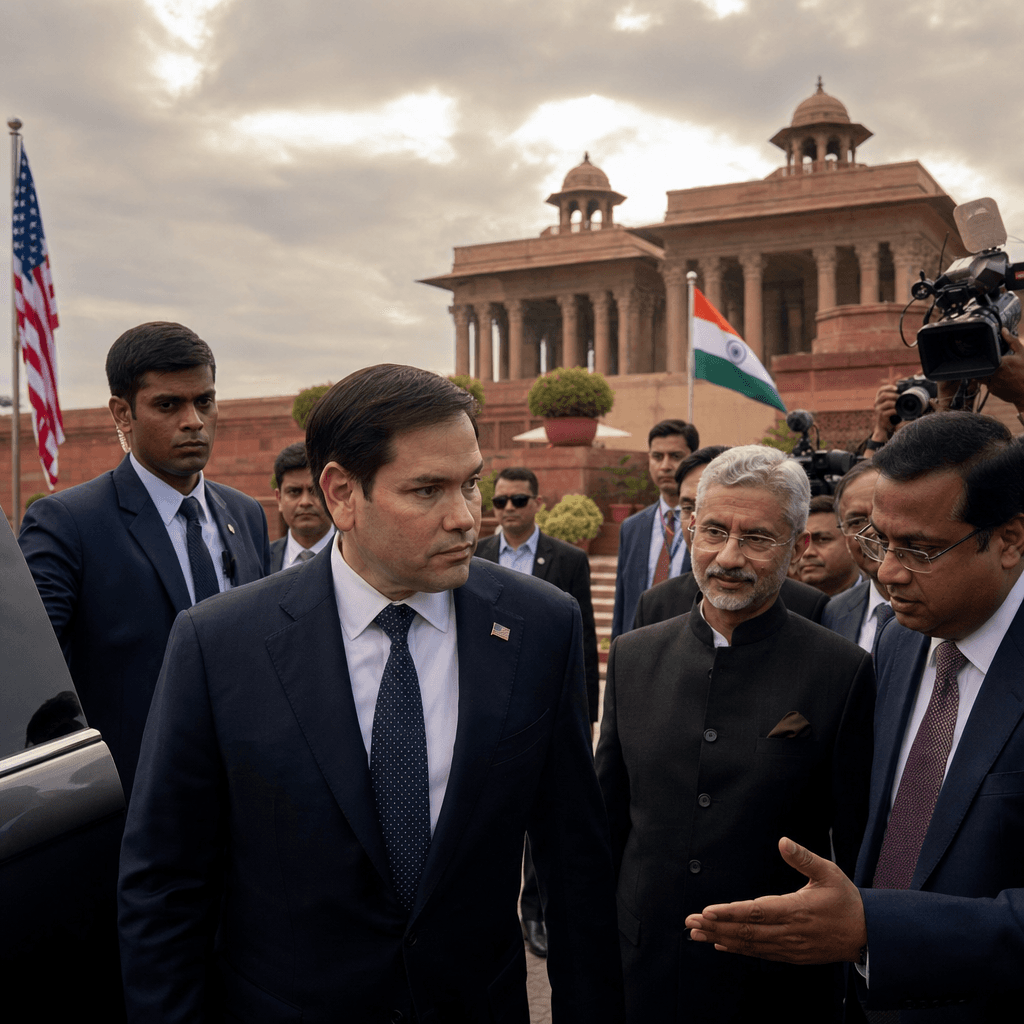
Rubio’s India Visit Tests a Fragile Reset
Marco Rubio’s talks with Modi and the Quad will show whether Washington can lock in a trade-and-security reset before friction over tariffs, oil and China returns.
Marco Rubio arrives in India for a four-day trip that puts the leverage question front and center: the U.S. secretary of state meets Prime Minister Narendra Modi in New Delhi today, then joins the Quad foreign ministers’ meeting on May 26, according to The Indian Express and
The Hindu. Washington is using the trip to push energy, trade and defense cooperation; New Delhi is using it to force a broader reset after a year of strain.
Washington is selling supply, not just strategy
Rubio has already signaled where the U.S. wants to extract value. He said Washington is ready to sell India “as much energy as they’ll buy,” a line that makes energy security part of the bargaining, not a side issue, The Indian Express reported. The State Department says the trip will also cover trade and defense cooperation, while Rubio will make public appearances in Delhi to underline that the visit is meant to deepen the relationship, not merely manage it,
The Indian Express.
That matters because the U.S. is looking for concrete purchases and a steadier strategic line at the same time. If India buys more U.S. energy, Washington gets a market win and India gets another source of supply as Gulf instability keeps oil prices volatile. The real signal is whether this produces a durable channel for trade and energy deals, or just another round of good language. For a broader read on the strategic backdrop, see Global Politics.
Modi gets cover, but not a blank check
India benefits from the visit because it keeps the U.S. engaged after a rough stretch in bilateral ties. The Hindu says the relationship was rattled by punitive tariffs, a higher H-1B visa fee and President Donald Trump’s public claims about his role in ending India-Pakistan hostilities. That history is why this is more than protocol. Modi is not simply receiving an American envoy; he is using the meeting to test whether the Trump administration can separate tactical friction from the larger Indo-Pacific partnership.
The Quad gives India political cover. The grouping lets New Delhi cooperate with Washington, Tokyo and Canberra on maritime security, critical technology and regional signaling while avoiding the optics of a formal alliance. The MEA says the ministers will build on their July 1, 2025 discussions in Washington and review ongoing initiatives across priority areas, The Hindu. In other words, the Quad is the frame; the bilateral dispute is still the content.
What to watch on May 26
The next decision point is whether the Quad ministers produce more than another free-and-open Indo-Pacific statement. The real test is whether they set a date for the delayed Quad leaders’ summit later this year and whether Rubio and External Affairs Minister S. Jaishankar can pin down a timeline on the unfinished trade file, The Hindu reported. If they do, this trip will mark a genuine reset. If they don’t, it will still clarify the power dynamic: Washington needs India as a strategic partner, but India is willing to cooperate only on terms that preserve room to maneuver.
Discover more

India
India-South Korea $50B Trade Expansion Plan
India and South Korea target $50 billion in bilateral trade by 2030, focusing on industrial cooperation and strategic alignment amid US pressures.

Conflict & Security
Drone Warfare Killing Aid Workers at Unprec
Over 1,000 humanitarian workers killed in three years as cheap armed drones collapse legal protections. Gaza, Sudan, Ukraine, and DRC see deliberate targeting of aid convoys and hospitals with zero prosecutions.

Global
World Normalises Taliban as Afghan Women Eras
UN data shows Afghan women erased from public life as Russia recognises the Taliban, EU hosts officials in Brussels, and ICC warrants for gender persecution go unenforced.
Conflict & Security
West Africa Food Crisis: Three Shocks in 2026
Conflict, climate extremes, and the Strait of Hormuz closure drive a severe food crisis in West and Central Africa, with fertilizer prices surging 80% and millions displaced.