India's Next PM Election: Why 2027 Is Modi's New Target
Analyzing the implications of BJP's recent parliamentary defeat.
Model Diplomat4 min readIndia

Modi Eyes Early Election After Parliament Defeat — Is 2027 the New Target?
Top psephologist Yashwant Deshmukh predicts India's next general election may arrive well before the scheduled 2029 date, as BJP absorbs its first major legislative loss.
India's next general election is likely to occur in 2027 or early 2028, rather than the scheduled 2029. This prediction follows the BJP's significant parliamentary defeat on April 17, 2026, and the strategic calculations of Prime Minister Modi, who may seek to capitalize on favorable conditions before opposition forces consolidate further. The electoral machinery requires about six months of preparation, making a snap election before mid-2026 unlikely.
Key facts
| Fact | Detail |
|---|---|
| Last significant event | BJP's parliamentary defeat on April 17, 2026 |
| Vote outcome | 298 in favor, 230 against, with 528 members present |
| Predicted election window | 2027 or early 2028 |
| Key predictor | Yashwant Deshmukh |
| Opposition coalition | TMC, Congress, DMK, and regional allies |
| Relevant state elections | West Bengal, Tamil Nadu, Kerala, and Assam in spring 2026 |
| Strategic considerations | Timing before opposition consolidation and delimitation politics |
BJP suffered its first significant parliamentary defeat on April 17, 2026, when the Constitution (131st Amendment) Bill — bundled with a controversial Delimitation Bill — failed in a special Lok Sabha session. The vote was 298 in favour, 230 against, falling short of the two-thirds threshold required with 528 members present. The government immediately withdrew two allied bills. Now, top psephologist Yashwant Deshmukh is publicly predicting that Prime Minister Modi will not wait until 2029 for the next general election — and the parliamentary arithmetic tells you why that reading is credible.
The Logic Behind a Snap Election
A snap election from a position of weakness is counterintuitive, but the BJP's calculus may point the other way. The April 17 defeat exposed a unified opposition — TMC, Congress, DMK, and regional allies — that, until recently, struggled to coordinate. If that coalition hardens further, the longer Modi waits, the more entrenched the opposition bloc becomes.
The 2026 state election cycle also matters. West Bengal, Tamil Nadu, Kerala, and Assam all held assembly polls this spring, with Modi personally campaigning across all four. The results of those contests — and whether BJP can point to momentum — will sharpen internal party thinking on timing. A favourable state election outcome hands Modi a political window; an unfavourable one accelerates the urgency.
Deshmukh's prediction implicitly identifies 2027 or early 2028 as the likely window. India's electoral machinery requires roughly six months of preparation; any snap call before mid-2026 is logistically implausible. The sweet spot, if BJP strategists want to get ahead of delimitation politics entirely, is a general election under the existing Lok Sabha seat map — before any future delimitation exercise reshapes constituencies in ways that could disadvantage the BJP in northern states.
Who Benefits, Who Loses
BJP benefits from an early election if it can frame the April 17 defeat as an opposition betrayal of women's reservation — a message Modi is already road-testing at rallies. Controlling the narrative before the INDIA bloc fully institutionalises gives BJP the initiative.
The opposition bloc loses if it is caught mid-consolidation. Congress, TMC, and DMK have just demonstrated they can defeat the government in Parliament; sustaining that unity through a general election campaign is a structurally harder task, as international political dynamics consistently show with opposition coalitions.
Southern states — specifically Tamil Nadu and Kerala — are the wild card. Their resistance to delimitation is the precise reason the April 17 bill collapsed. An early election under the current seat map neutralises their leverage but does not resolve the underlying demographic imbalance that will eventually force renegotiation.
What to Watch Next
Three signals matter in the coming weeks:
- State election results from Tamil Nadu and West Bengal — expected by late April/early May 2026. A BJP gain in Bengal or an NDA gain in Tamil Nadu gives Modi political cover for an early dissolution.
- BJP's Monsoon Session posture. If the government introduces no major legislation and keeps Parliament short, that is a preparation signal.
- Deshmukh's next polling data. His firm, CVoter, tracks BJP vote share with notable accuracy. Watch for any published national survey showing BJP above 42% — that is historically the internal green-light threshold.
The India story for the next 18 months is no longer about 2029. It is about whether Modi reads a closing window — and moves first.
Sources: The Hindu — Constitution Amendment Bill defeat |
Frontline — Modi's First 'No' |
Hindustan Times — Deshmukh prediction
Discover more
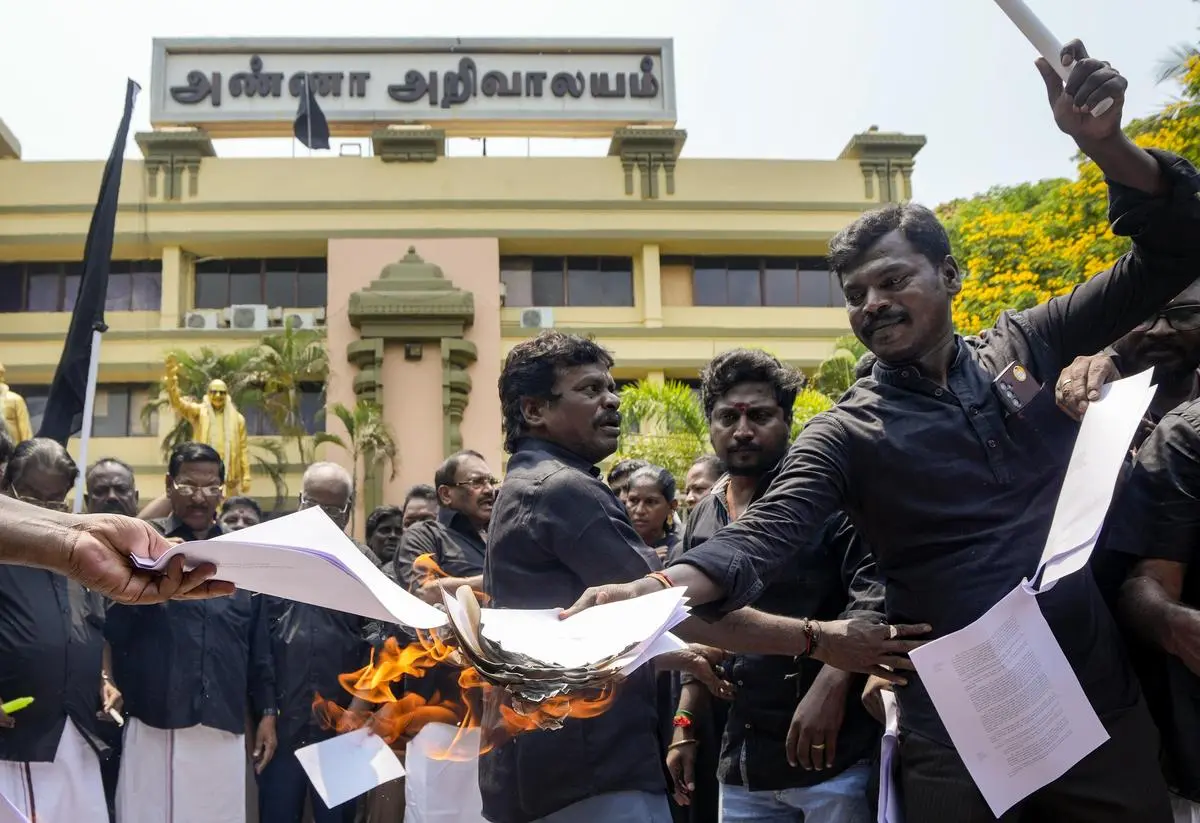
India
Women’s Reservation Bill 2026
The Constitution (131st Amendment) Bill, 2026 was defeated in Lok Sabha, revealing deeper political conflicts over women's reservation and delimitation.
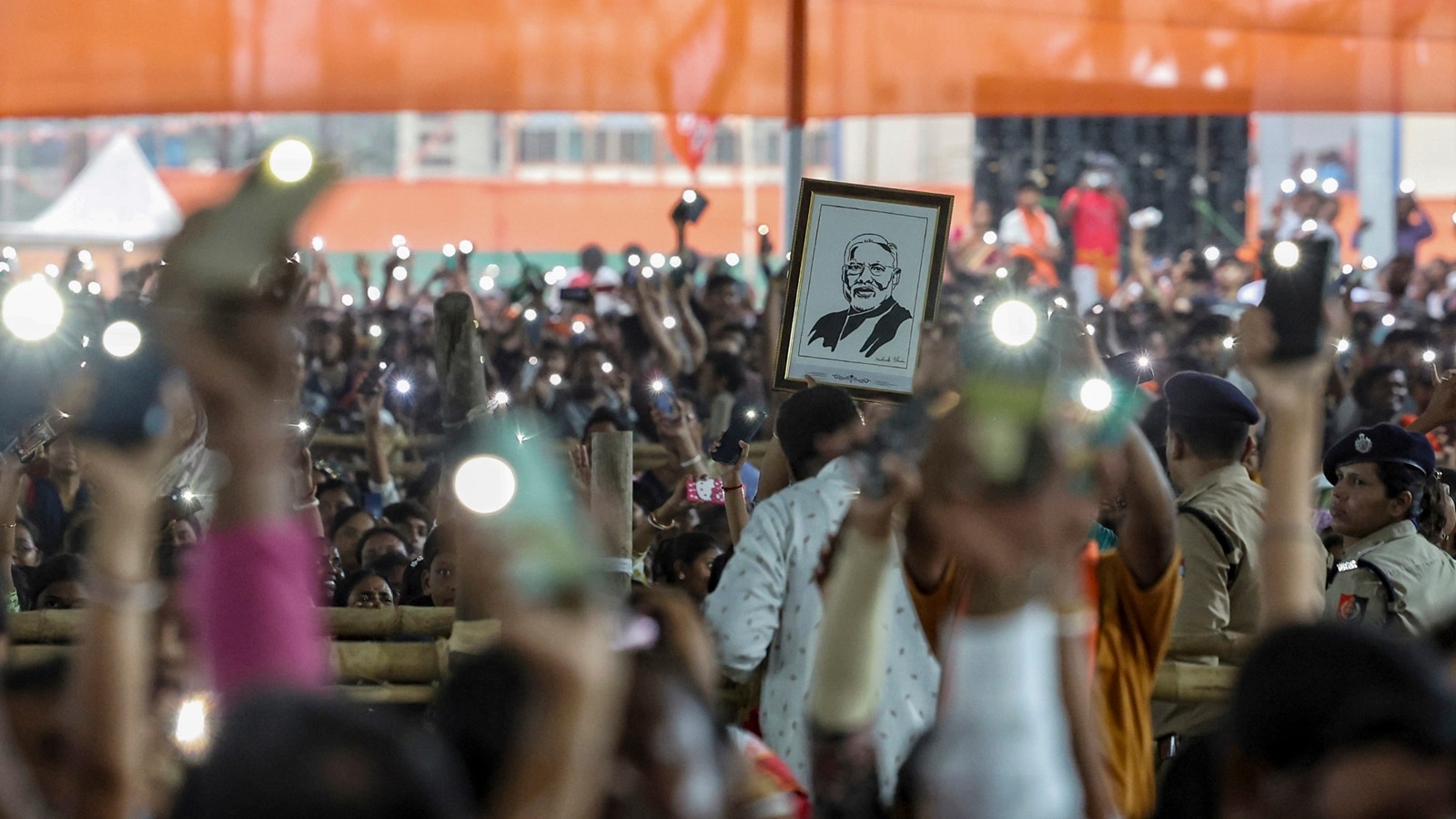
India
Modi's Women’s Convention in Varanasi
Modi's Varanasi rally frames women's reservation as a national mission, targeting the 2027 Uttar Pradesh elections with a strategic narrative.

Conflict & Security
Drone Warfare Killing Aid Workers at Unprec
Over 1,000 humanitarian workers killed in three years as cheap armed drones collapse legal protections. Gaza, Sudan, Ukraine, and DRC see deliberate targeting of aid convoys and hospitals with zero prosecutions.
Global
World Normalises Taliban as Afghan Women Eras
UN data shows Afghan women erased from public life as Russia recognises the Taliban, EU hosts officials in Brussels, and ICC warrants for gender persecution go unenforced.